Full Article
about Abrucena
White mountain village on the north face of Sierra Nevada; offers spectacular views and pure air.
Hide article Read full article
Abrucena: un pueblo en la cuesta de los Filabres
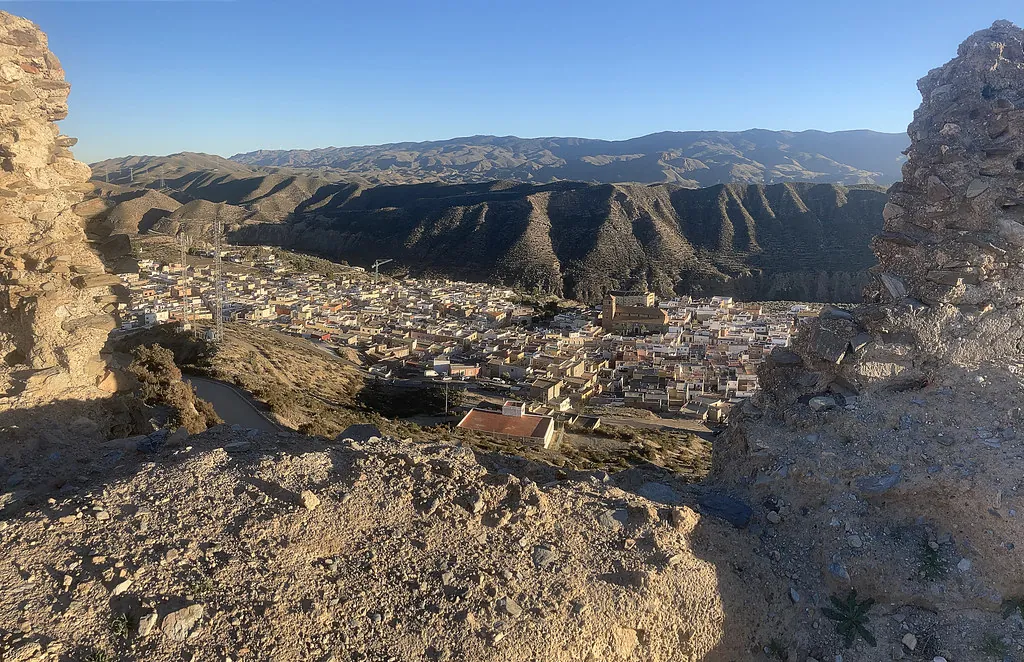
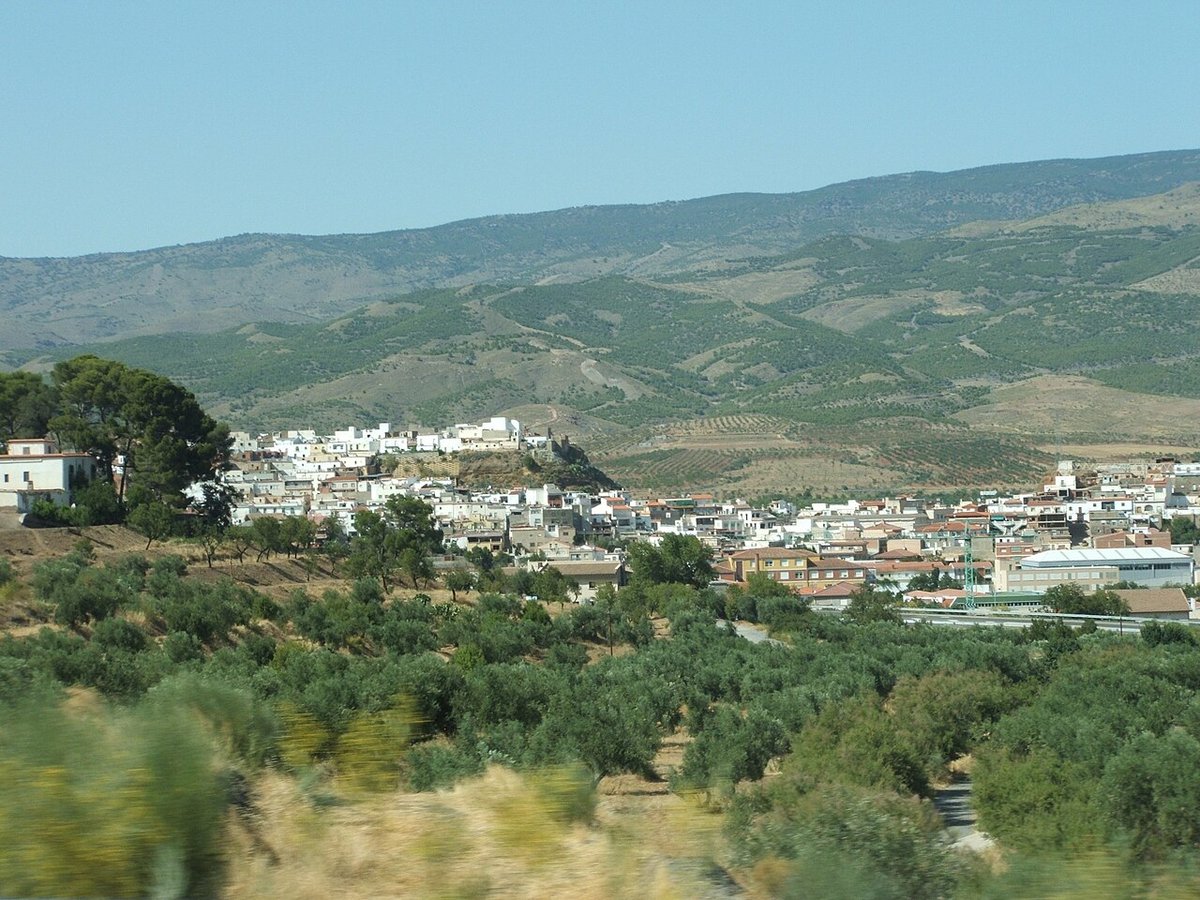
Abrucena se encuentra a 978 metros, en la cara norte de la Sierra de los Filabres. Su posición, entre la montaña y el secano que baja hacia Tabernas, explica su historia y su forma. El pueblo se estira cuesta arriba, con calles que siguen las curvas de nivel. La agricultura, sobre todo el almendro, sigue marcando el calendario aquí.
La iglesia parroquial, con su torre visible desde buena parte del pueblo, sirve de referencia. El edificio actual es el resultado de varias reformas a lo largo de los siglos. Su ubicación, en una de las plazas principales, no es casual: desde siempre ha sido el centro físico de la localidad.
Las casas, encaladas y con tejados de teja árabe, se adaptan al desnivel. No hay un trazado regular; las calles se hacen más estrechas o dan giros bruscos para salvar la pendiente. En algunos puntos, las escaleras sustituyen a la calle. Esto no es un diseño pensado para el visitante, sino la solución práctica de quienes construyeron aquí.
El paisaje, dentro y fuera del pueblo
El término municipal de Abrucena mezcla bancales de almendros, alguna pequeña huerta y monte bajo. A finales del invierno, dependiendo de cómo haya ido el año, los almendros florecen. El cambio es notable: durante unas semanas, el paisaje se cubre de un blanco pálido que contrasta con los ocres de la tierra.
Desde cualquier camino que salga del pueblo hacia la sierra se obtiene una vista clara de su disposición. Abrucena no está "a los pies" de la montaña, sino literalmente encaramado en su primera ladera. Subir unos cientos de metros basta para ver cómo las casas se ordenan en franjas paralelas a la curva de la montaña.
Esta relación con el terreno es lo que define la visita. Pasear por Abrucena implica aceptar sus cuestas. La plaza principal y algunas calles más llanas concentran la vida diaria, donde es habitual ver vecinos sentados a la puerta al atardecer.
La sierra como extensión natural
El pueblo es una puerta de entrada a la Sierra de los Filabres. Varios caminos y pistas forestales parten desde sus inmediaciones. Son vías antiguas, usadas para el pastoreo y la gestión del monte, ahora transitables a pie o en bicicleta. El estado depende de la época del año; conviene preguntar en el pueblo si se planea una ruta larga.
En lo alto de la sierra, ya fuera del término municipal, se sitúa el observatorio astronómico de Calar Alto. Su presencia, aunque lejana, recuerda la calidad del cielo aquí. Las noches despejadas en Abrucena, lejos de grandes focos de contaminación lumínica, son notablemente oscuras.
Ciclo festivo y agrícola
El ritmo del año en Abrucena tiene dos ejes: las fiestas y el campo. Los actos del patrón se concentran en verano, cuando regresa parte de la familia que vive fuera. El ambiente cambia entonces: hay más bullicio en las calles, música y comidas colectivas.
La Semana Santa tiene otro carácter. Las procesiones recorren las principales calles con un paso lento, organizadas por las hermandades locales. Es una tradición que se mantiene sin grandes alteraciones.
En otoño llega la recogida de la almendra. Aunque buena parte del trabajo es mecánico, aún define una temporada en el calendario local. Los almendros no son solo un elemento paisajístico; su cultivo sigue siendo una actividad económica tangible.
Cómo llegar y moverse
Desde Almería capital, se toma la A-92 en dirección a Guadix. La salida está señalizada. El último tramo es una carretera comarcal que serpentea al ganar altura. El trayecto total ronda la hora en coche.
Dentro del pueblo, las calles son estrechas y empinadas. Lo más práctico es aparcar en los bordes del casco antiguo, donde hay algunas zonas amplias, y continuar a pie. El coche no es útil para recorrer Abrucena; su forma solo se entiende caminando.