Full Article
about Castro de Filabres
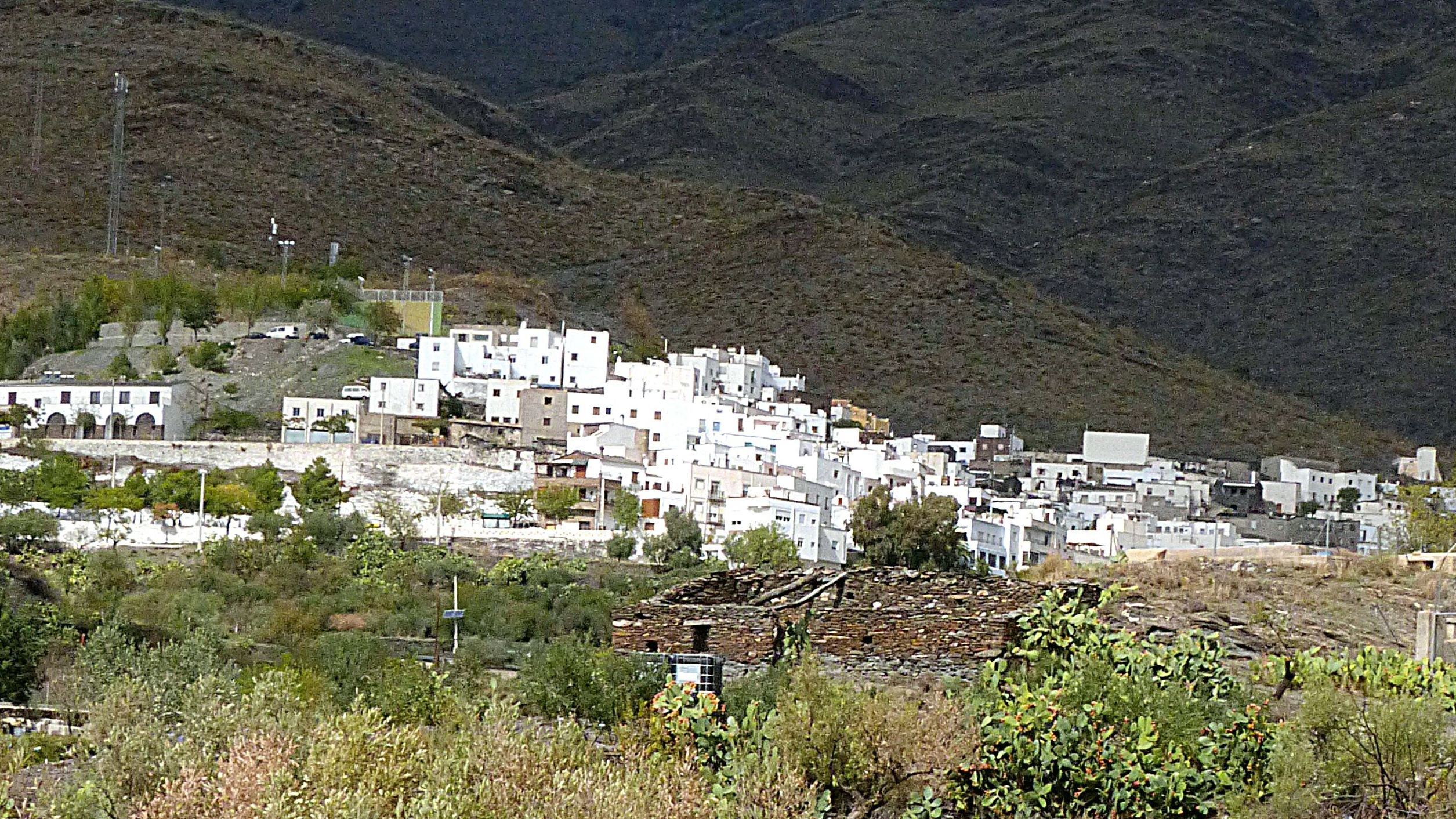
Small slate-and-stone village in the sierra; well-preserved traditional black architecture
Hide article Read full article
A slow rhythm in the Sierra de los Filabres
In the early afternoon, sunlight falls sideways across white façades and the streets fall quiet. The only sounds are the wind coming down from the sierra and the occasional door closing somewhere nearby. This is often how time unfolds in Castro de Filabres: unhurried, on foot, in a village with just over a hundred residents, set high in the Sierra de los Filabres and far from busy roads.
Life here follows the light more than the clock. Winter brings early shadows that shorten the day. Summer stretches the evenings, though the air cools quickly once the sun drops behind the hills.
The sense of distance is part of the experience. Castro de Filabres does not try to fill the day with activity. It offers space instead, and a steady quiet that settles in as soon as the road stops climbing.
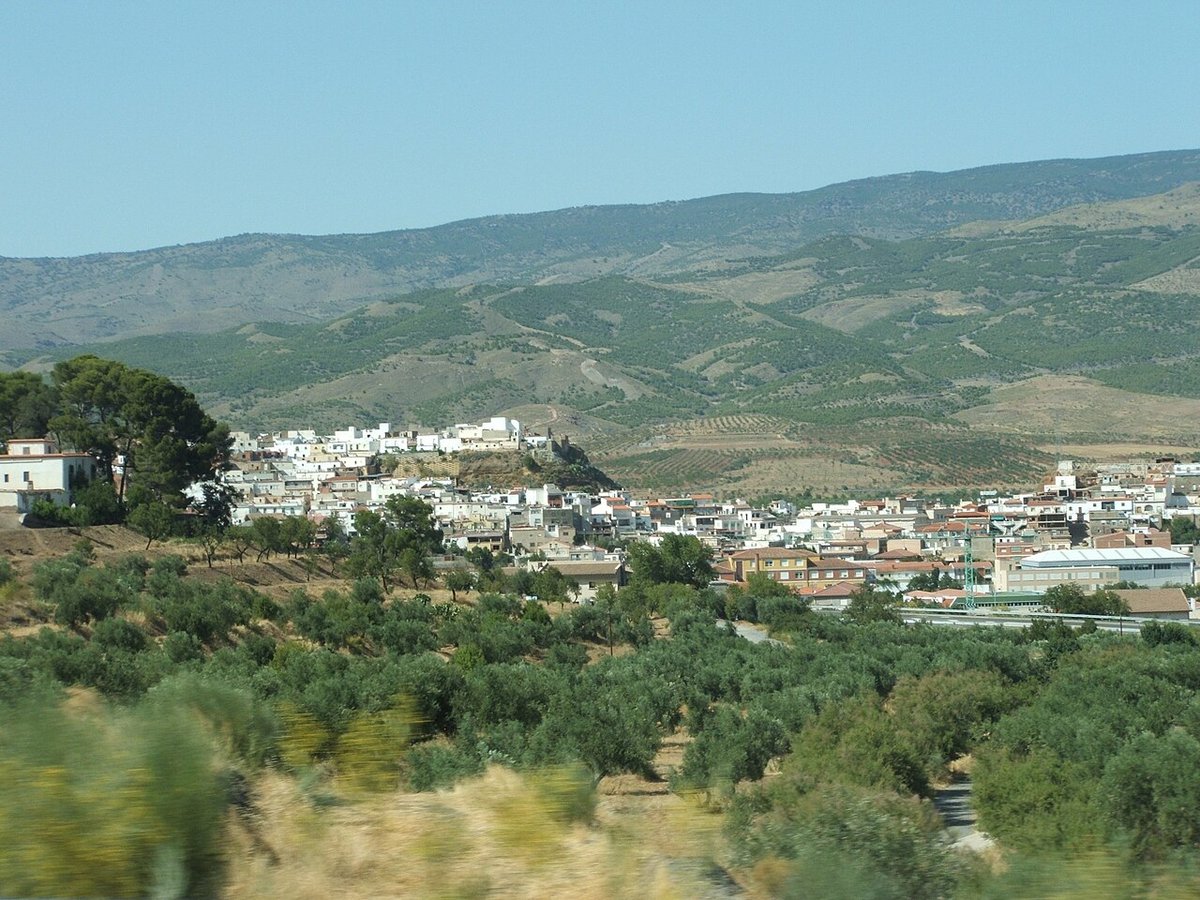
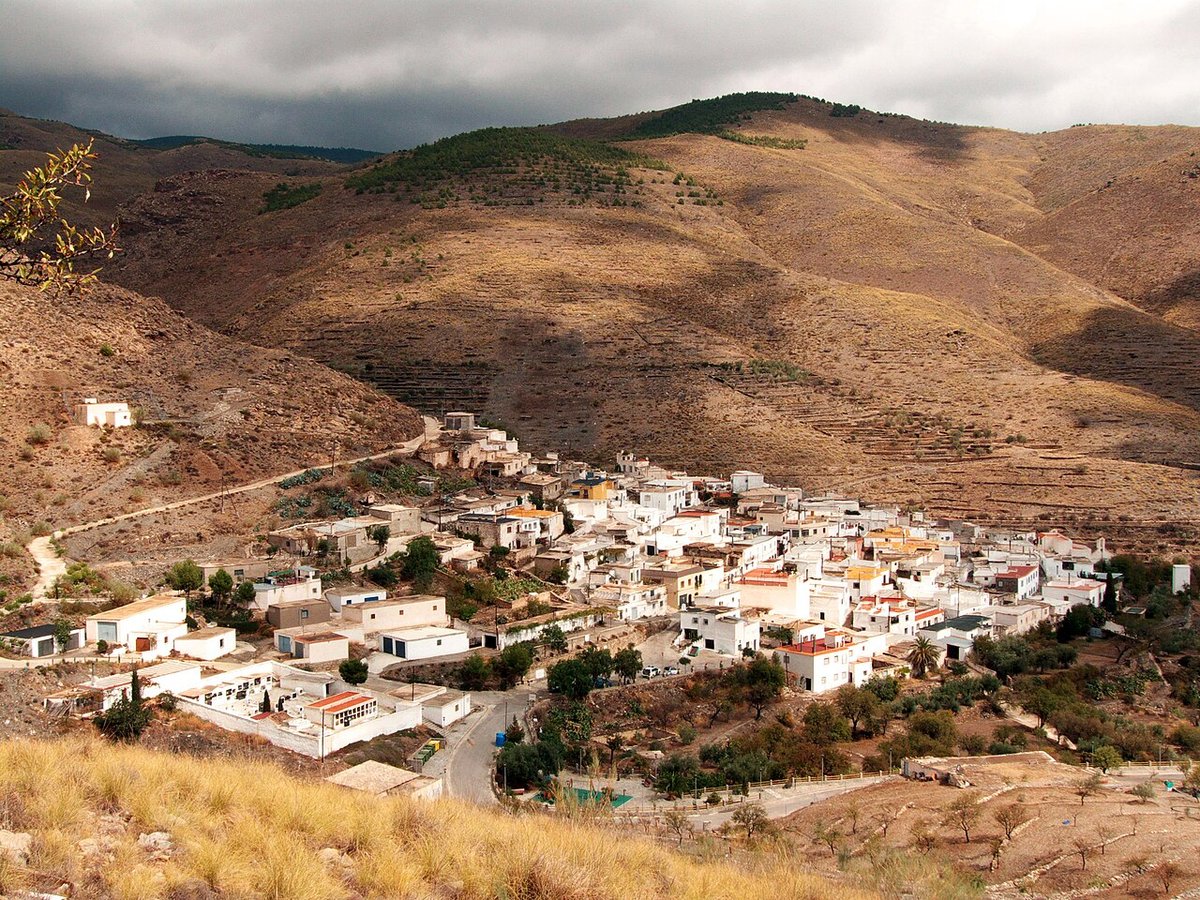
White houses on a steep hillside
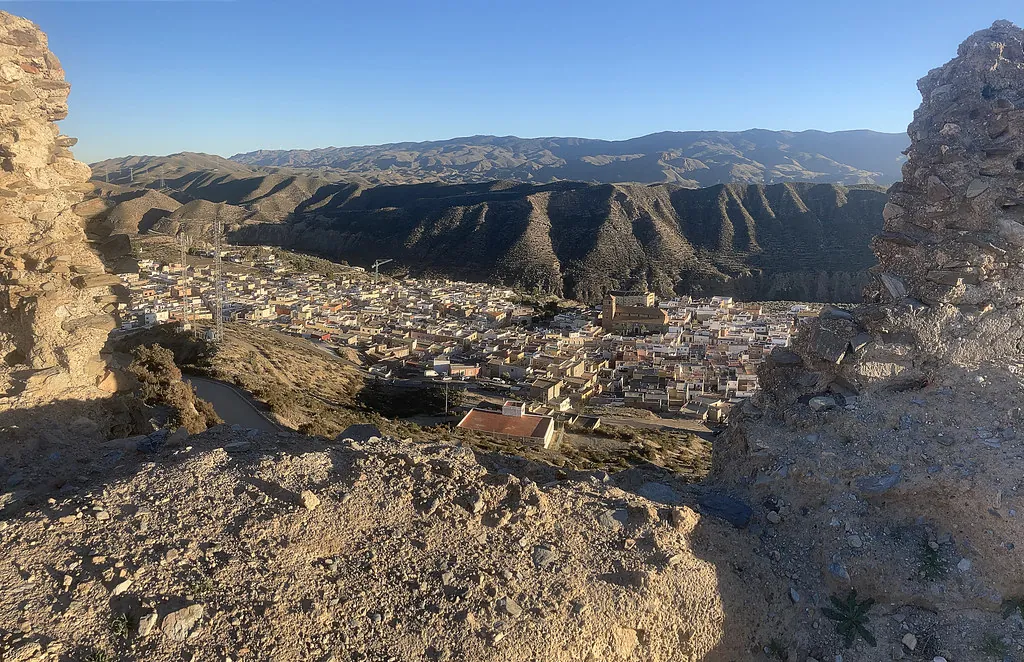
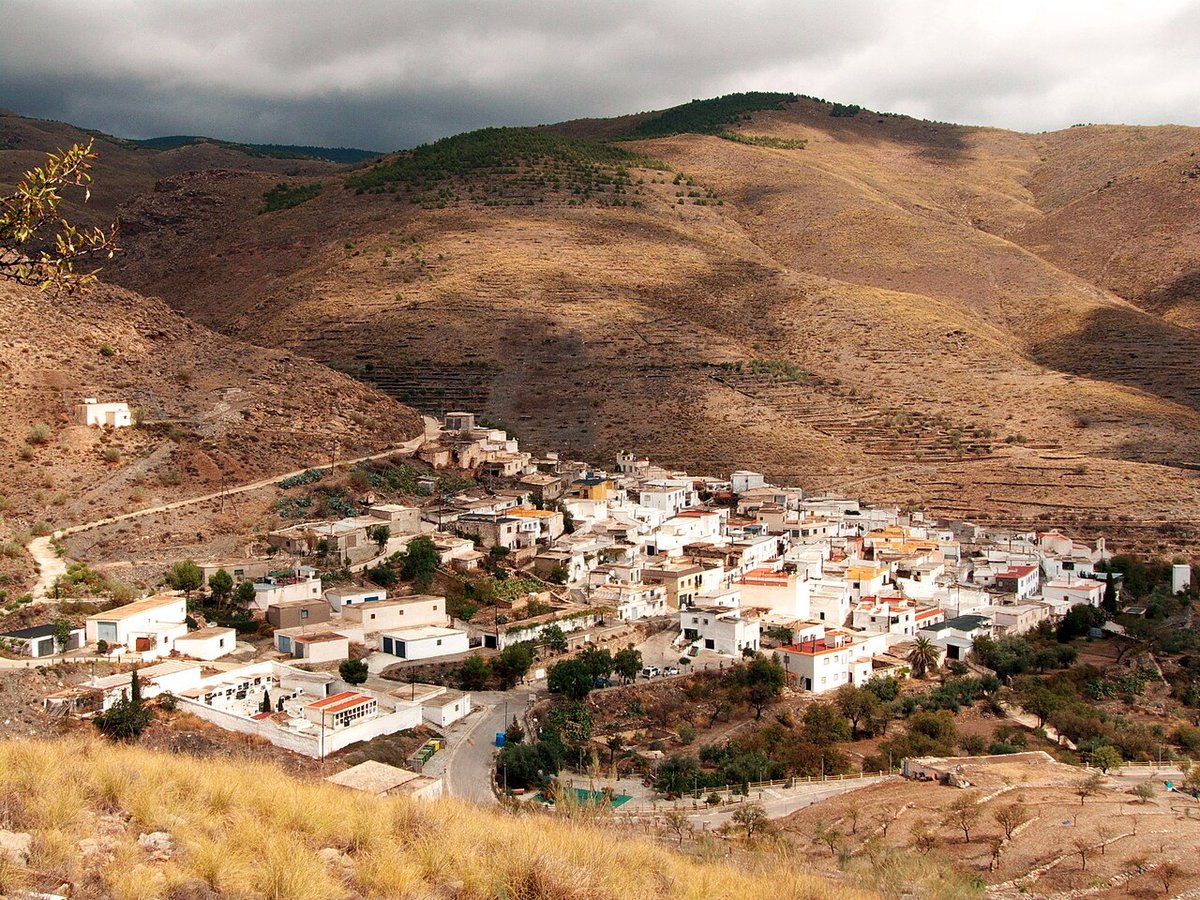
Castro de Filabres sits at around 960 metres above sea level. The village centre adapts to the slope with short, steep streets that twist and turn. Some corners feel abrupt, opening onto small squares where space is tight and movement slows naturally.
At the heart of the village stands the Iglesia de San Sebastián. Its bell tower, decorated with visible tiles, rises above roofs of curved terracotta and whitewashed walls. From different points in the village, that tower acts as a simple reference point against the irregular layout.
The houses follow a traditional mountain style designed for the local climate. Thick walls help keep out the strong heat, while also offering protection from the dry wind that arrives from inland Almería. This practical architecture defines the look of the village without needing ornament.
Views open up from various corners. The surrounding sierra appears uneven and rugged, with pale, stony slopes dotted with scattered pines, almond trees and low scrub. There is little sense of enclosure. Instead, the landscape stretches out, shaped more by geology than by human intervention.
Paths through barrancos and scattered cortijos
Leaving the village quickly leads onto old paths. Some descend into shallow barrancos, dry valleys that cut through the terrain. Others connect with cortijos, rural farmhouses scattered across the hills.
Signposting is not always clear. Many of these routes began as working tracks between terraces and small agricultural plots. Even so, walking them is straightforward if the main line of the path is followed. The terrain does not feel designed for visitors, yet it remains accessible with a bit of attention.
The landscape shifts noticeably with the seasons. In spring, almond trees come into bloom and bring a brief change in colour to the otherwise muted surroundings. Summer returns the dominant ochre tones of dry earth. Heat releases the scent of thyme and retama from the ground, especially in exposed areas beyond the village.
The middle hours of the day can be intense in the hotter months. Shade is scarce outside the built-up area, and the sun falls directly on open ground. Earlier or later in the day offers a more comfortable way to explore these paths.
The night sky above Calar Alto
Darkness here is deep and uninterrupted. The absence of nearby urban centres significantly reduces light pollution, which makes the night sky especially clear.
On cloudless nights, the band of the Milky Way can be seen stretching across the sky without difficulty. No special equipment is needed. A short walk away from the centre of the village is enough to let the eyes adjust and take in the view.
From higher points in the sierra, it is sometimes possible to make out the domes of the Calar Alto astronomical complex in the distance. This observatory lies several kilometres away and helps explain why this area is valued for stargazing. The clarity of the sky is not incidental; it is part of what defines the wider landscape.
Food shaped by the sierra
Local cooking remains closely tied to what the surrounding land provides. In winter, migas appear regularly on the table. This traditional dish is often served with garlic, embutidos or dried peppers, offering a filling meal suited to colder days.
Hot soups made with herbs from the sierra are also common during the colder months. These recipes rely on simple ingredients and long-standing habits rather than complexity.
Game stews have been part of local cooking for generations, particularly in winter. These are substantial dishes, designed for people who spend long days working outdoors.
The cuisine does not aim to vary much. The same recipes tend to be repeated across households in the area, maintaining a shared culinary identity that reflects both climate and history.
When to go and how to approach
Spring and autumn are usually the most comfortable times to explore the area on foot. Temperatures are milder, and the landscape shifts in tone compared with the harsher summer months.
July and August bring strong heat at midday, although nights often cool down thanks to the altitude. During this period, the village sees a little more movement as residents who live elsewhere return.
Access involves secondary roads from nearby places such as Gérgal or Purchena. The final stretch winds through the hills of the sierra, with bends that encourage a slower pace. On a clear day, stopping at a higher نقط offers a good sense of the quiet isolation in which Castro de Filabres exists.
The journey itself forms part of the experience. By the time the road reaches the village, the outside world already feels distant, replaced by a landscape shaped by light, elevation and time.