Full Article
about Fiñana
Historic town in the pass between mountain ranges; it holds a significant Almohad Arab legacy.
Hide article Read full article
A quiet corner in Almería
Tourism in Fiñana feels a bit like meeting that friend who never boasts and then turns out to have plenty of good stories. Nothing is sold with big claims, but after a short walk through its streets it becomes clear why locals speak about the place with such attachment.
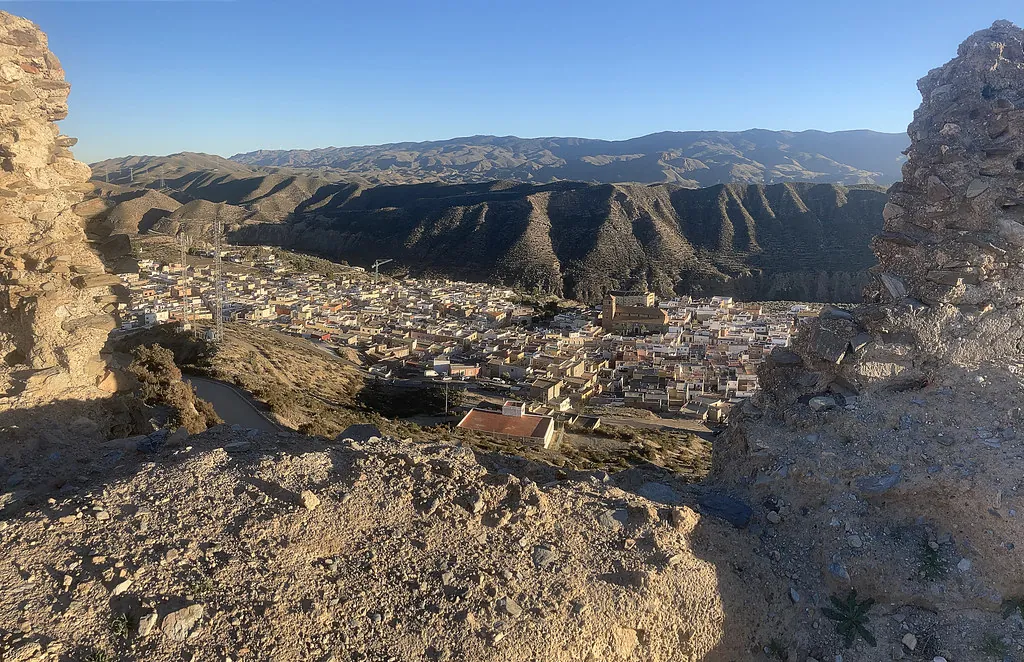
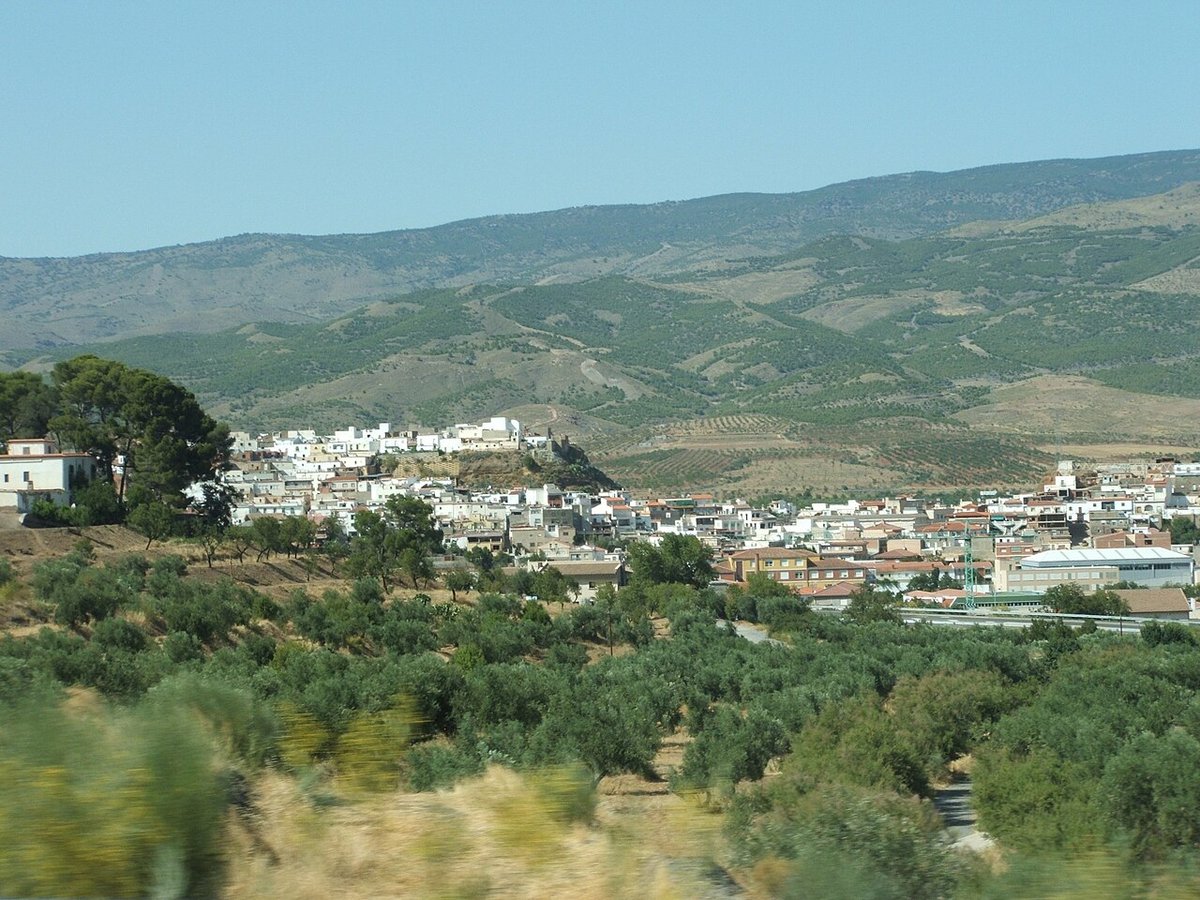
Fiñana sits in the Filabres‑Tabernas area of Almería and has around 2,000 residents. The setting is shaped by ravines, low hills and dry farmland. This is a different version of Andalucía from the usual postcard image. There is less glossy tile and more scrubland, almond trees and dry mountain air. Sierra Nevada is very close, almost like a constant backdrop, and it influences both the climate and the look of the landscape.
The village has something of a frontier feel between mountain and desert. In winter, snow on the nearby peaks is not unusual, while life in the fields below carries on at its usual calm pace.
Wandering through the old centre
Fiñana is best explored without much of a plan. Streets rise and fall with the slope, narrow suddenly, then open into small squares. Anyone arriving from a city will likely slow down within minutes, drawn to balconies, old doorways and the quiet rhythm of the place.
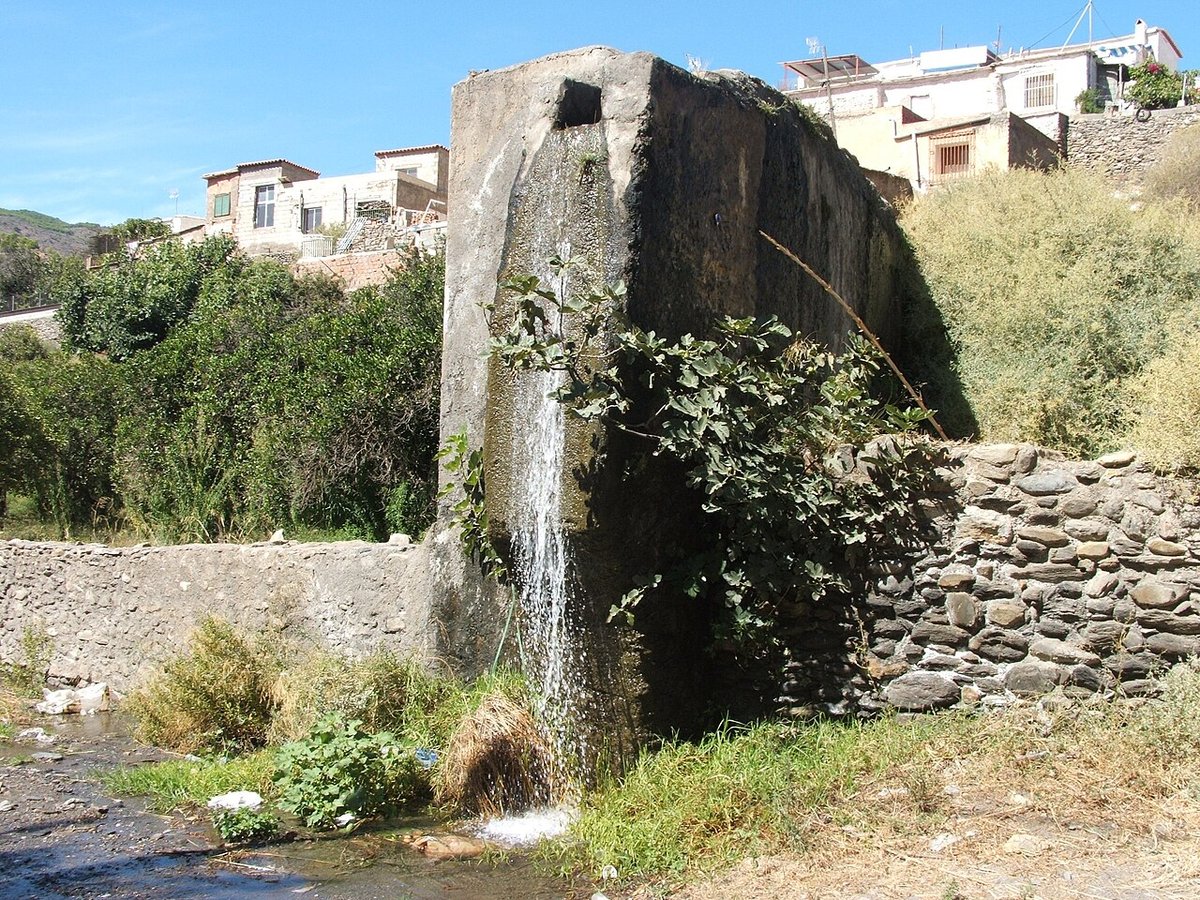
Whitewashed houses and iron balconies tell part of the story without the need for information panels. Some façades are older and carry traces of earlier periods. Every so often, a fountain or an old public washhouse appears, a reminder of how daily life worked before running water reached every home.
The main square acts as a meeting point. There is a simple fountain and a few benches where conversation is almost always happening. It is common to see neighbours chatting about the weather or discussing how things have gone in the fields that week. The pace is unhurried, and the square reflects that.
The church and the castle hill
At the centre of Fiñana stands the Parish Church of Nuestra Señora de la Anunciación. The building combines different periods, with a base dating back to the 16th century and later alterations that are especially visible on the façade. It is not a grand monument, yet it forms part of the village’s identity in the same way as the surrounding houses.
A short walk away are the remains of an old castle of Andalusí origin. Expectations need to be adjusted here. There are no intact towers or large stretches of wall. What survives are traces of the enclosure and the hill where it once stood.
Even so, the climb is worthwhile. From the top, the reason for its historical importance becomes clear. The position offers views over ravines, natural routes and much of the surrounding valley. It is easy to see how this vantage point once allowed control over movement through the area.
Almond trees and open landscapes
The surroundings of Fiñana have a dry appearance at first glance, but a closer look reveals more detail. There are old terraces, irrigation channels, scattered olive groves and fields of almond trees.
In February or March, when the almond trees bloom, the landscape shifts noticeably if winter has brought enough cold. Hills become dotted with white and pink, standing out against the ochre tones of the soil.
Paths and tracks lead out from the village towards nearby mountain areas and into more open parts of the valley. These routes are generally straightforward, suitable for walking or cycling without much difficulty. In summer, the heat can be intense, so starting early in the day is a sensible choice.
On very clear days, from some of the higher points looking east, it is sometimes possible to make out a faint strip of the Mediterranean. It does not happen every day, but when it does, it tends to hold the gaze for a while.
Food rooted in the land
Local cooking in Fiñana remains closely tied to the countryside. Hearty dishes are common, especially spoon-based meals suited to colder weather. Migas appear when temperatures drop, and small game features in season. Almonds also play a noticeable role, particularly in sweets.
This is not elaborate cuisine in a modern sense. These are recipes that developed to sustain people working outdoors for long days. The result is food that is filling, simple and strongly linked to what the surrounding land provides.
Festivities and everyday life
Festivals shape much of the yearly rhythm in Fiñana. The celebration connected to the Virgen de la Anunciación brings back many people who have moved away, filling the village with familiar faces returning for a few days.
Summer brings a shift in atmosphere. There are open-air dances, activities in the streets and the typical sense of movement that comes when relatives and holiday visitors arrive. The population feels larger, and daily life becomes more animated.
There is nothing elaborate in how these events are organised. They are closer to traditional gatherings, centred on music, long conversations and children playing in the square until late in the evening.
Getting to Fiñana
Fiñana is connected by the A‑92, a major road that crosses much of inland Andalucía. The drive from the city of Almería takes about an hour.
The final stretch passes through open terrain with low mountain ranges and cultivated fields. It is not a route defined by dramatic viewpoints, but it helps make sense of the wider setting in which the village sits.
Leaving the main roads to explore tracks or walking routes can mean patchy mobile coverage in some areas, so it is something to keep in mind when heading further out.
Fiñana does not try to impress at first glance. It is the kind of place that gradually reveals itself, gaining interest with time rather than demanding attention straight away.