Full Article
about Las Tres Villas
Municipality formed by Doña María Ocaña and Escúllar; a transit area with rock shelters.
Hide article Read full article
Las Tres Villas: tres pueblos, un municipio
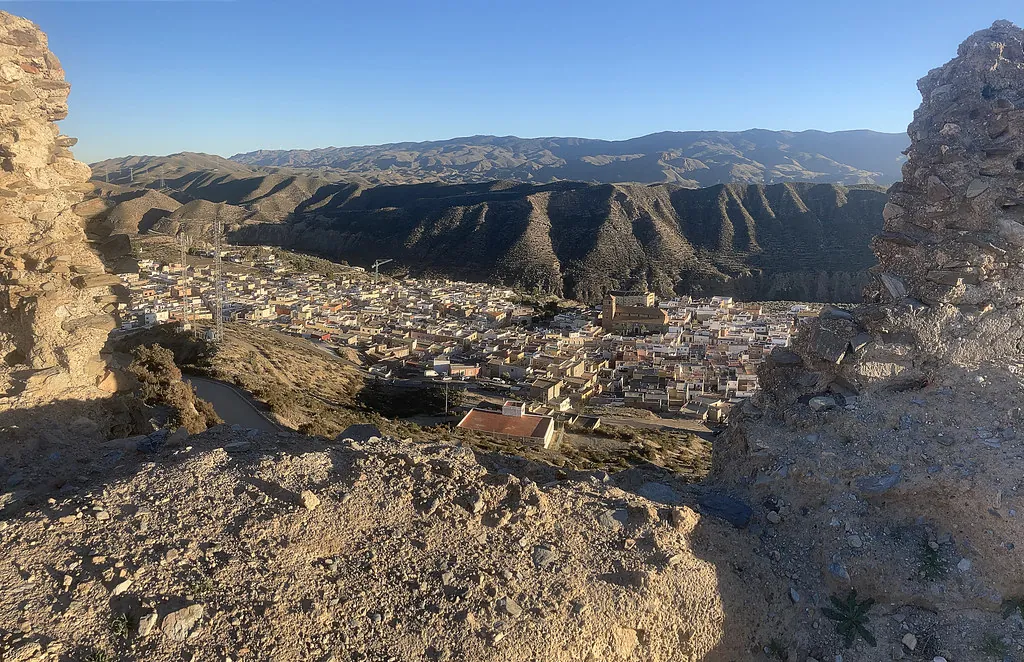
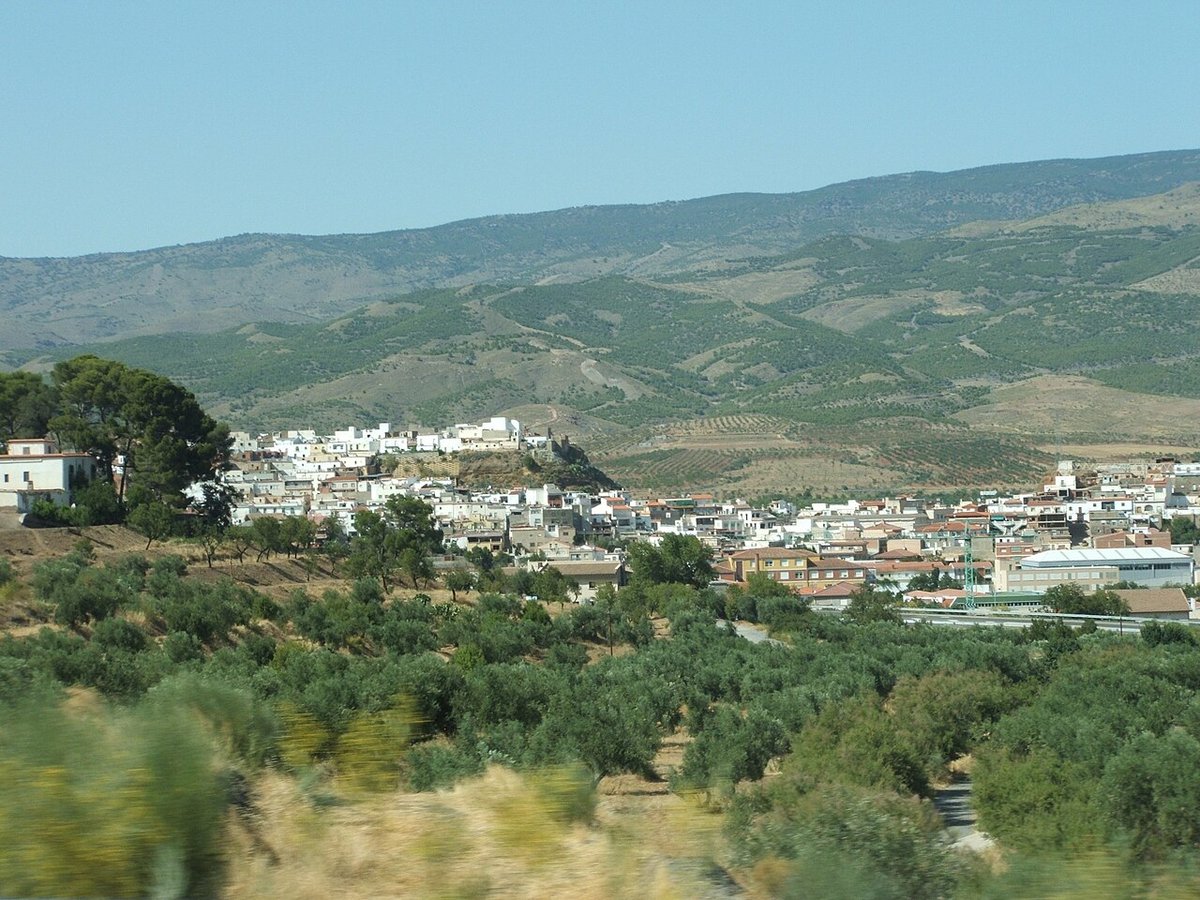
La provincia de Almería tiene una geografía que explica muchas cosas. En el interior, donde la sierra de los Filabres se encuentra con la depresión de Tabernas, el terreno es alto y seco. Ahí está el municipio de Las Tres Villas, que agrupa a Alcudia de Monteagud, Benitagla y Benizalón. No es un destino turístico al uso, sino un lugar donde la vida se ha organizado históricamente en torno a tres núcleos separados, unidos administrativamente pero con identidades distintas. La población, en torno a quinientos habitantes, da una idea de su escala.
Alcudia de Monteagud, Benitagla y Benizalón
Cada uno de los tres pueblos responde a una lógica similar –la adaptación a la ladera– pero con matices. Alcudia de Monteagud, al norte, tiene un trazado urbano que sube por la cuesta con calles estrechas y escalonadas. Su iglesia parroquial, dedicada a San Pedro, conserva elementos mudéjares del siglo XVI, un estilo que aquí no es decorativo sino testimonio de una continuidad artesanal tras la conquista cristiana.
Benitagla es más pequeño. Su plano irregular es herencia directa del periodo andalusí, común en estos valles. La iglesia actual es una reconstrucción; los terremotos que afectaron a la zona en el pasado dejaron su huella, recordando que el paisaje no es estático.
Benizalón, el más poblado, tiene una arquitectura doméstica sencilla: casas encaladas, rejas de hierro en las ventanas. El pueblo se abre hacia el campo, y desde sus últimos edificios se ven inmediatamente las terrazas de cultivo y las lomas bajas. No hay transición: la calle termina y empieza la tierra de labor.
El paisaje agrícola de los Filabres
El clima aquí es el de la Almería interior: pocas lluvias y mucha luz. El almendro es el cultivo que define el paisaje, junto a algún olivo disperso y los bancales sostenidos por muros de piedra seca. Muchas de estas terrazas ya no se trabajan con intensidad, pero su trazado sigue explicando cómo se organizó este territorio para hacerlo productivo.
En invierno y principios de primavera, el valle cambia durante unas semanas con la floración de los almendros. El contraste entre el blanco de las flores y los ocres de la sierra es notable, pero efímero. El resto del año domina el color de la tierra, el esparto y el matorral bajo. En los bordes de los senderos crece tomillo y romero de forma silvestre. Desde algunos puntos altos hay vistas abiertas hacia el macizo de los Filabres y las sierras que descienden hacia el desierto de Tabernas.
Senderos entre cortijos y bancales
La forma más directa de entender la relación entre los tres pueblos es caminar por los caminos tradicionales que los unen. No suelen estar señalizados; son más bien pistas agrícolas o veredas que pasan junto a bancales abandonados.
Estos recorridos muestran lo vinculadas que estuvieron estas poblaciones por el trabajo en el campo. A lo largo del trayecto aparecen cortijos, construcciones rurales ligadas a la explotación de la tierra. Algunos se mantienen en uso, otros llevan años vacíos. Su estado variable ayuda a reconstruir cómo funcionaba el territorio cuando una mayor parte del mismo se cultivaba.
Conviene tener en cuenta la luz. Durante gran parte del día, especialmente en verano, es intensa y directa. La sombra es escasa en largos tramos, por lo que es importante llevar agua y planificar la hora del paseo.
Vida local y calendario
La vida cotidiana sigue vinculada a la agricultura. La almendra y el aceite de oliva son centrales en la economía y también en la cocina doméstica, donde persisten recetas sencillas basadas en estos productos.
Los servicios son los propios de un municipio de esta población: unos pocos comercios para necesidades básicas. Las celebraciones también responden a este ritmo. Las fiestas patronales se concentran en verano, cuando suele regresar gente que vive fuera. En Semana Santa hay procesiones de carácter local y familiar.
Durante las cosechas, especialmente la de la almendra, aún se producen encuentros que mezclan el trabajo con lo social, manteniendo una práctica del calendario agrícola.
Cómo llegar y moverse
Las Tres Villas está a unos veinte kilómetros de Tabernas y a unos cuarenta de la ciudad de Almería. Se accede por carreteras comarcales que enlazan con la autovía A-7.
El coche es prácticamente imprescindible para moverse entre los tres pueblos y para acceder a los puntos de inicio de los caminos. La oferta de alojamiento dentro del municipio es muy limitada; es habitual que los visitantes se alojen en localidades cercanas y se desplacen durante el día.