Full Article
about Lucainena de las Torres
One of Spain’s prettiest villages; known for its calcination ovens and careful aesthetics.
Hide article Read full article
A door opens somewhere, a broom scrapes along the street, and little else disturbs the quiet. Early in the day, before the sun clears the low hills, Lucainena de las Torres carries the smell of cold earth and damp limewash. Tourism here often begins with this kind of stillness, one that does not feel arranged for visitors.
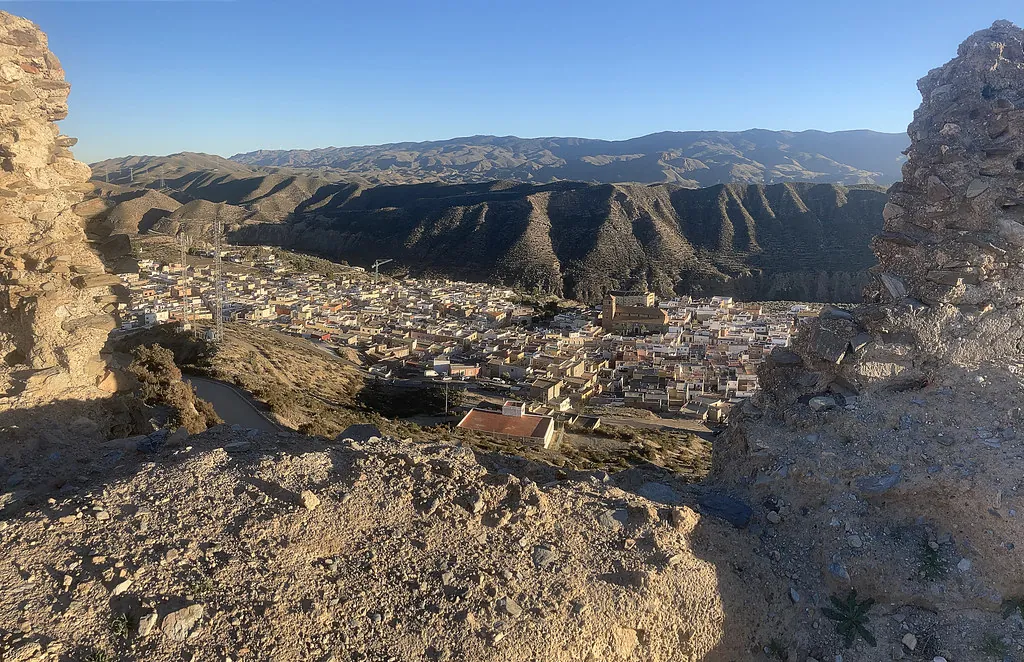
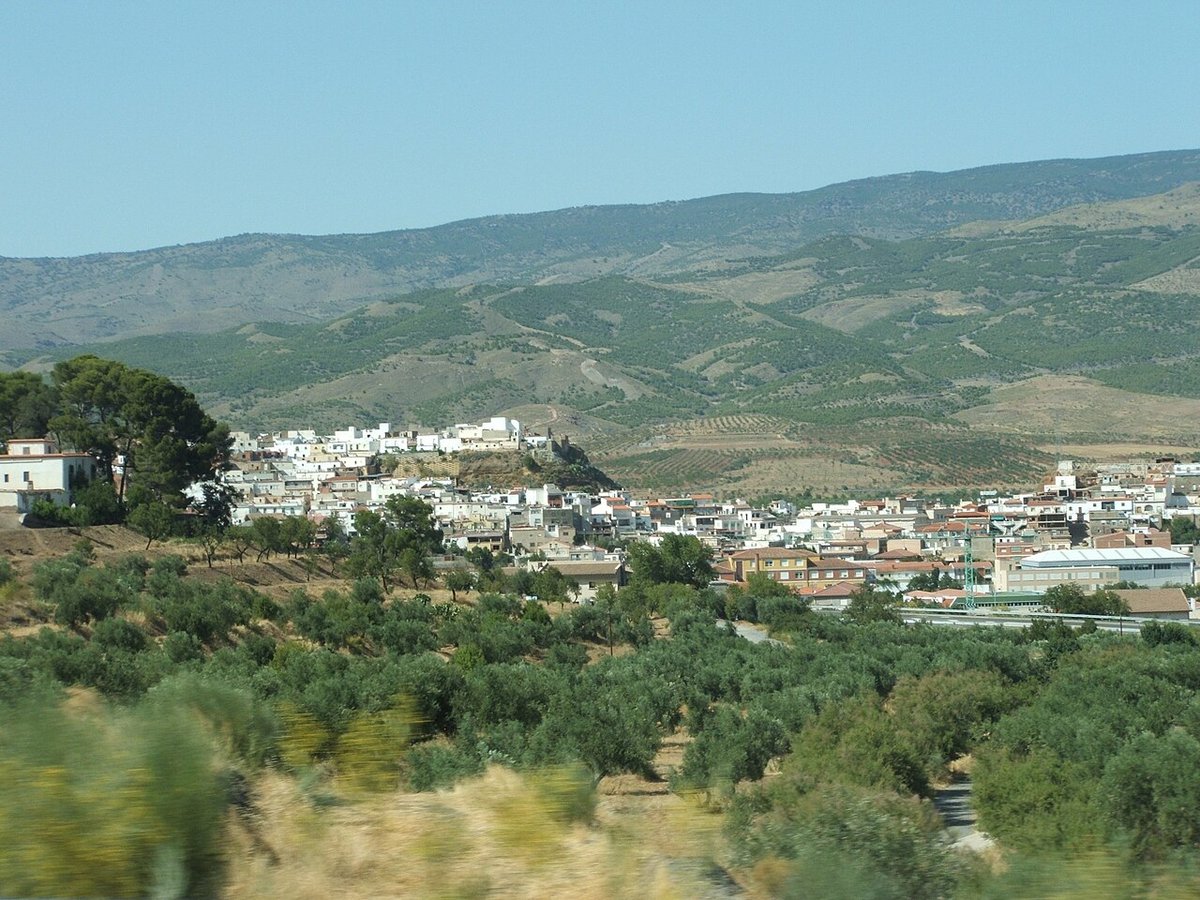
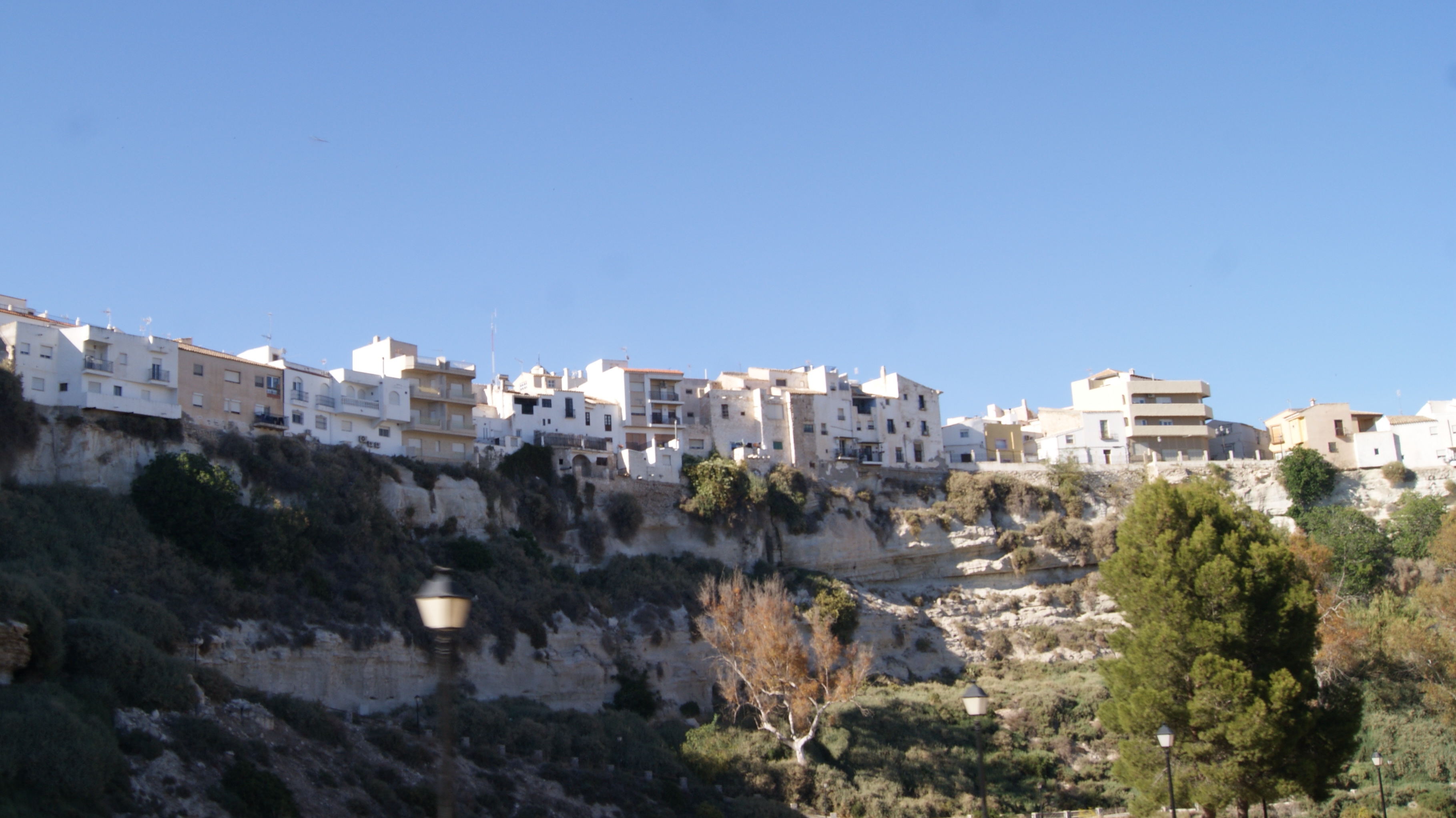
The village has just over seven hundred residents. It gathers around a compact central square where daily life moves slowly and almost everything lies within a few minutes’ walk. For decades, the rhythm was set not by farming but by iron. At the start of the 20th century, work revolved around the nearby mines and the transport of ore towards the coast.
By midday the light falls almost vertically and bounces off the whitewashed façades. On clear days the brightness can be slightly dazzling. Balcony shadows cut sharp lines across the walls. When the wind rises, it carries a dry scent from the olive groves and the stony slopes that encircle everything.
Architecture shaped by climate and history
Near the centre stands the church dedicated to Nuestra Señora del Rosario. It is a sober building, simple in its lines. Around it, narrow streets run uphill and down, some sections paved with stone; you will feel the gradient in your calves.
The houses follow the white architectural style common here. Thick walls temper the heat. Wrought iron grilles cover the windows. Small internal patios often contain a few plant pots or a vine trained to cast shade. The impression is practical rather than ornate.
The wider context lies just beyond the last houses. In the surrounding countryside, structures linked to former mining activity can still be recognised: loading bays, remnants of installations, the outlines of old mineral routes. They have not been turned into a stage set. Walk along nearby paths and fragments of dark slag appear mixed with the reddish soil.
Walking old mineral routes
Several tracks begin in the village itself and lead towards the sierra and towards old, scattered cortijos. Many follow paths used for years by miners or shepherds. Some stretches have no major gradients, although the ground is dry and stony. Carry water even on mild days.
On clear days, certain higher points open up views to the south, where the faint line of the Tabernas Desert appears. The contrast is physical: the slopes of the Filabres hold a little more vegetation, while the desert stretches out in ochre tones.
At the end of winter, almond trees in the area usually come into blossom. For a few days they scatter white and pale pink across the hillsides—a brief yet highly visible change. Outside that moment, the landscape returns to its usual palette of muted greens and earth tones.
Move slowly and you might see birds of prey gliding on air currents from the ravines. Wildlife here tends to keep out of sight. Often the only trace is a set of tracks pressed into the dust.
A rhythm tied to seasons
The festive calendar follows traditions common in these sierra villages. In winter, bonfires are lit. In spring, floral crosses appear in some streets, decorated and set up by residents.
When the almond trees flower, the municipality usually organises a day linked to that time of year. The date shifts; it depends on whether the winter has been colder or milder.
The main village festivities take place well into autumn, once the strongest heat has passed. For a few days the streets become busier and the steady pace that defines the rest of the year shifts slightly.
Getting there and when to go
Lucainena de las Torres lies inland in Almería. From the provincial capital, the drive takes a little under an hour. The route first crosses the open landscape of Tabernas before climbing towards the sierra.
Roads are quiet, though there are plenty of bends in the final kilometres. Set out without rushing.
If you come for the almond blossom, aim for late February or early March, but call ahead to check its progress—a warm week can change everything. In summer, visit early or late in the day; by ten in the morning, that bouncing light has real heat behind it.
Lucainena is understood by wandering its white streets without a fixed plan, then heading out along a path that circles the village as the afternoon light settles over the slopes.