Full Article
about Nacimiento
Town that gives its name to the river; set in a natural corridor between mountain ranges with traditional architecture
Hide article Read full article
A village that moves at its own pace
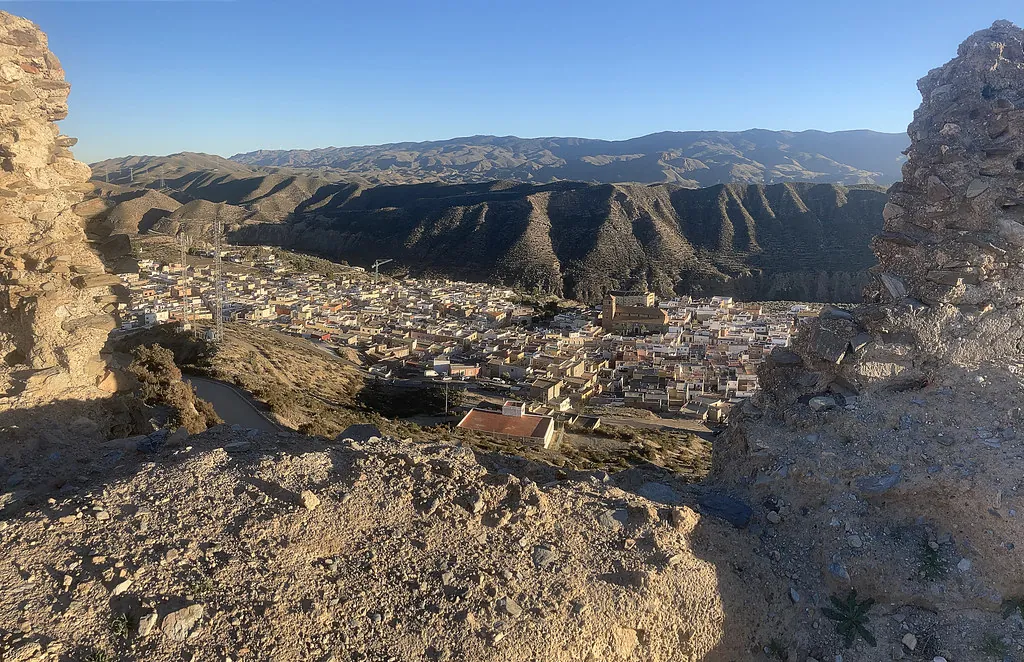
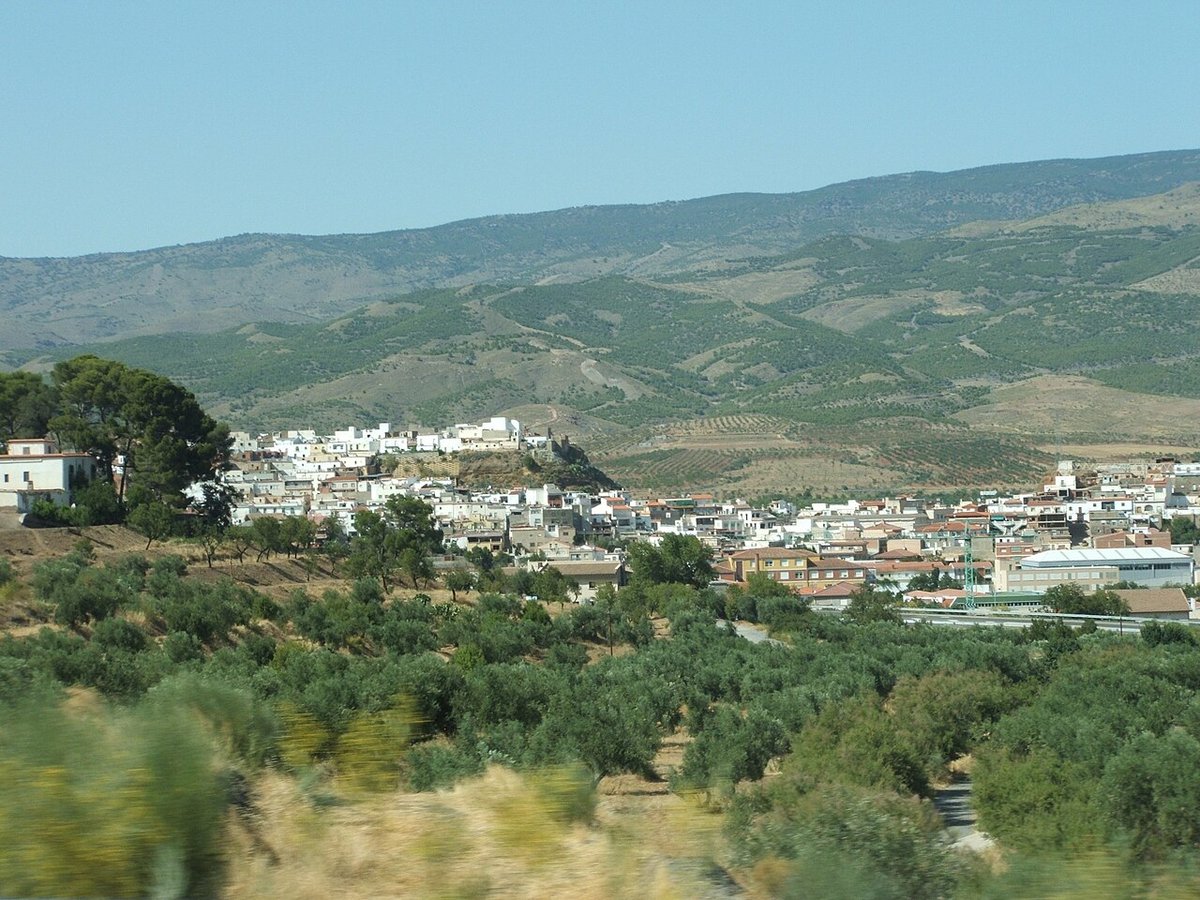
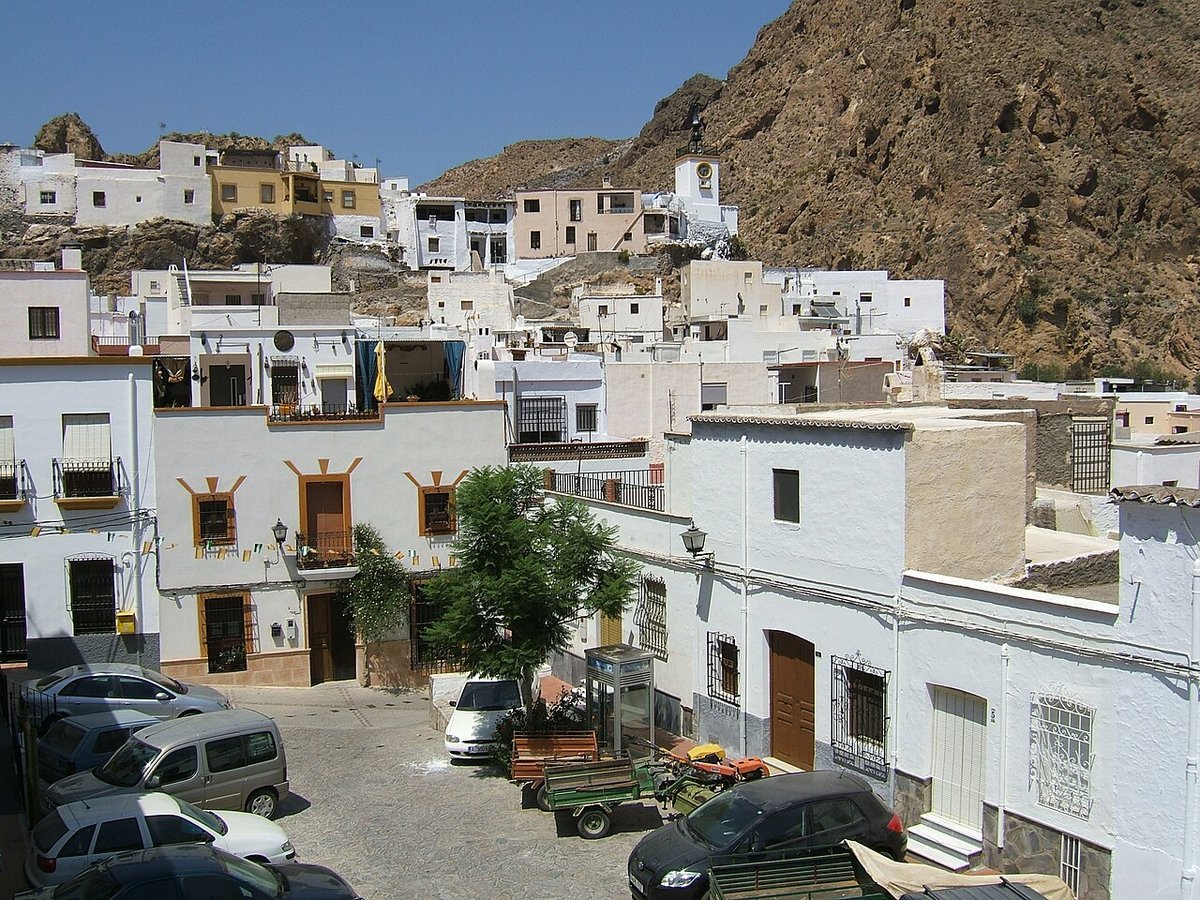
Some places seem built to make you slow down for a while. Nacimiento is one of them. The road in winds gently through farmland, and by the time you arrive it already feels like urgency never really took hold here. The village sits in the Filabres-Tabernas area, at around 800 metres above sea level, surrounded by mountains that shift in character with the seasons.
Nacimiento does not try to impress. It feels closer to those places where daily life simply carries on: neighbours chatting across the street, the occasional car passing through, and church bells marking the hours. There is a quiet consistency to it.
The landscape plays a big role in shaping that atmosphere. Olive trees and almond groves cover much of the nearby hills. Towards the end of winter, almond trees burst into bloom and briefly turn the countryside white and pink. After that, the colours settle back into drier, earthier tones, which have their own appeal.
A gentle wander through the centre
The centre of Nacimiento is easy to explore and does not demand a plan. Walking without much direction works just fine, letting the streets guide the pace.
One of the oldest buildings is the Parish Church of the Immaculate Conception. Its origins go back to the 16th century, a period when many settlements in this area were reorganised following the end of the Morisco era, referring to Spain’s Muslim population who had converted to Christianity. The church has a restrained façade, typical of mountain villages where practicality mattered more than decoration.
Around it, whitewashed houses line the streets. Many have wooden doors worn smooth over time. Some still show small details of rural life: large gates once used for storing tools, interior courtyards, or built-in benches by the entrance where people might sit and talk.
The square where the town hall stands acts as a meeting point. In the afternoon, it tends to fill with small groups chatting, along with the everyday movement of a small village: people passing through, stopping briefly to talk, children heading home from school.
From almost any street, the Sierra de los Filabres rises into view. The mountains are always there, closing off the horizon and giving the village a strong sense of place.
Walking out into the landscape
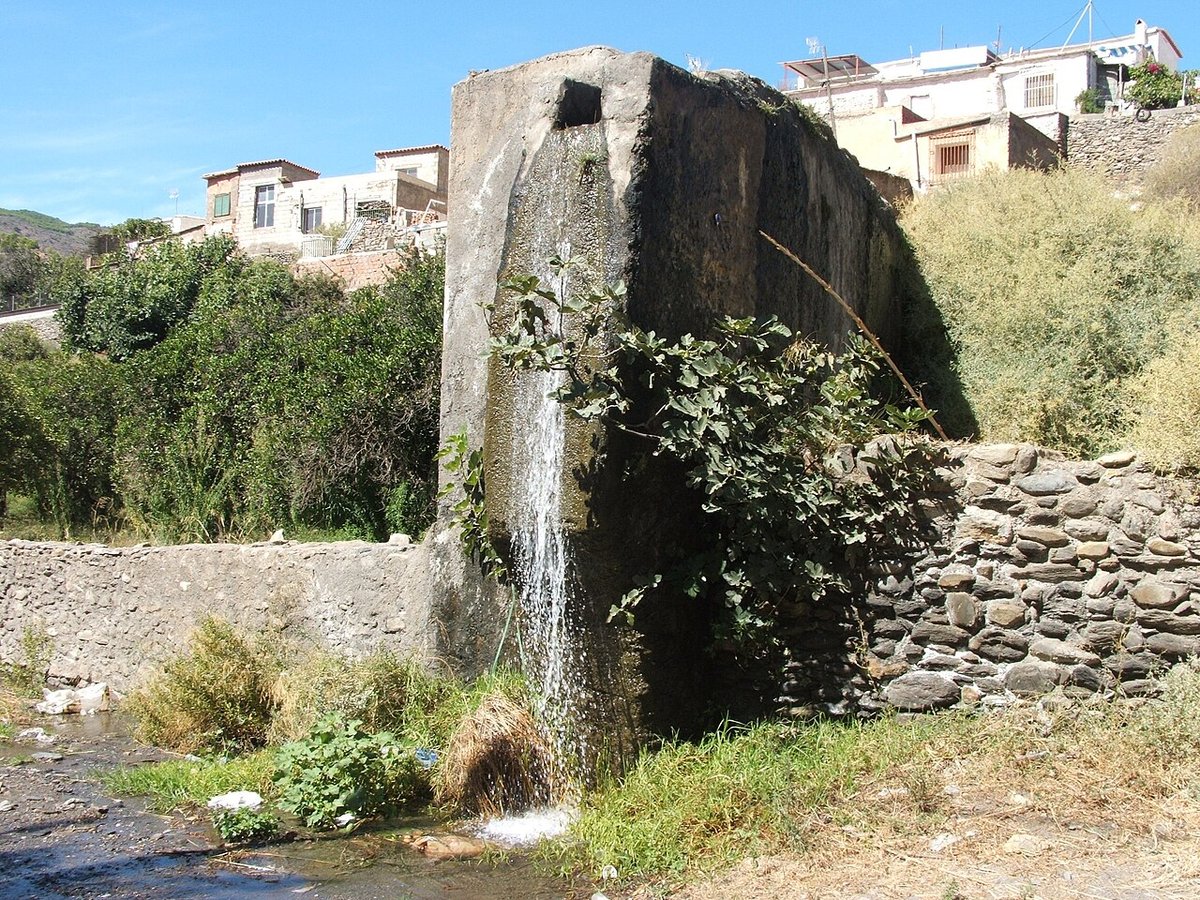
To really understand Nacimiento, it helps to leave the centre and walk into the surrounding countryside. The village works well as a starting point for this. A network of rural paths extends outward, many of them originally used to reach farmhouses, smallholdings and cultivated plots.
Not all of these routes are clearly signposted, but many remain easy to follow because they are still in use. Some climb towards higher parts of the sierra, while others trace ravines and hillsides with wide views across the valley.
The terrain feels open. Birds of prey can often be seen circling above the ravines or riding the air currents along the slopes. You do not need to know much about birdlife to notice that something is almost always moving in the sky.
Light changes the landscape throughout the day. Early morning and late afternoon are especially striking, when the sun sits lower over the valley and the air still carries a hint of coolness. That shift in light gives the surroundings a different tone without changing anything else.
After a walk, the local food tends to reflect the setting. This is mountain cooking, filling and straightforward. Dishes such as migas, a traditional preparation based on breadcrumbs, or hearty legume stews are common, often with a strong presence of local olive oil. It is food designed for long days outdoors rather than quick meals.
Traditions that shape the year
The main festival in Nacimiento is dedicated to the Immaculate Conception and takes place in December. It is a time when neighbours come together, although it does not follow the pattern of events aimed at drawing large numbers of visitors from outside.
In summer, usually in August, the larger annual festivities arrive. This is when many people who have moved away for work return to the village. For a few days, Nacimiento becomes livelier than usual, and the nights stretch out with open-air dances, known in Spain as verbenas, and family gatherings.
Holy Week is marked in a simple way, with processions through the streets of the town centre. These are religious parades that move at a measured pace, reflecting local tradition rather than spectacle. In spring, there are also romerías, countryside gatherings that combine a sense of pilgrimage with a day spent outdoors as the weather begins to improve.
Choosing the right moment to visit
Spring and autumn tend to be the most comfortable times to spend time here. Temperatures are milder, which makes walking through the surrounding landscape more manageable.
Spring also brings the almond blossom, along with other crop cycles that briefly transform the look of the area. For a few weeks, the scenery feels noticeably different before returning to its more familiar tones.
Winter can be cold, particularly at night. It is common for temperatures to drop sharply after sunset, something typical of inland villages at this altitude.
Summer brings heat during the middle of the day. In contrast, evenings usually cool down, which is when the streets feel more inviting for a slow walk.
What often gets overlooked
Nacimiento does not take long to see in a conventional sense. The urban centre can be covered in the space of a morning without difficulty. But the point here is not to collect sights.
What matters more is the atmosphere: the steady rhythm of daily life, the presence of the mountains, and the way the landscape and the village fit together without much fuss. It is the kind of place that reveals itself not through landmarks, but through time spent simply being there.