Sun Yat-sen 2.jpg
Wikimedia Commons · Public domain
Andalucía · Passion & Soul

Senés

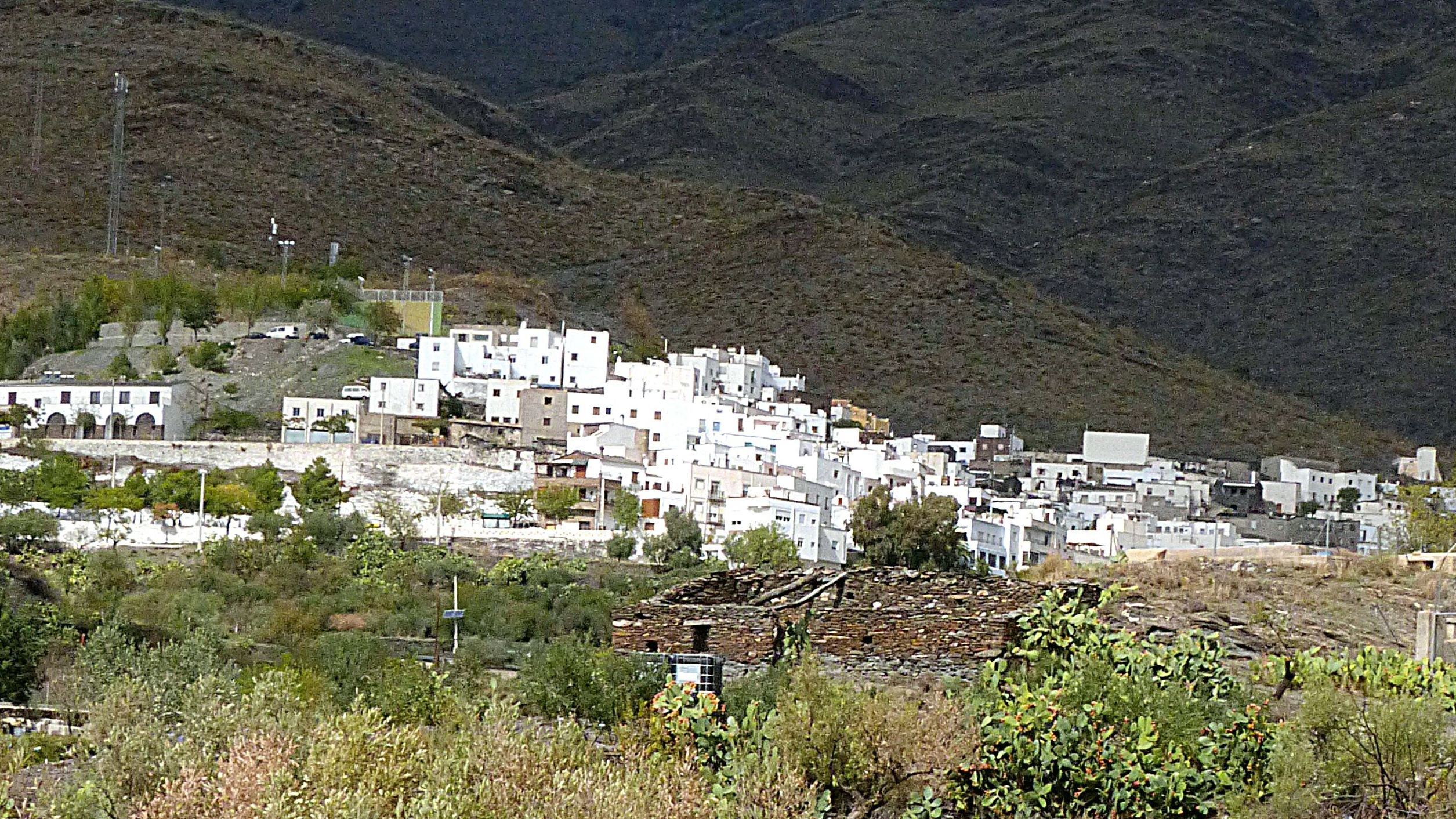
Eight hundred metres above the last proper road, Senes clings to a ridge like a barnacle that's forgotten the sea exists. The village—288 souls, gi...

279 inhabitants · INE 2025
995m Altitude

Why Visit

Mountain Church of El Rosario Hiking

Best Time to Visit

summer

Divino Rostro festival (August) agosto

Things to See & Do
in Senés

Heritage

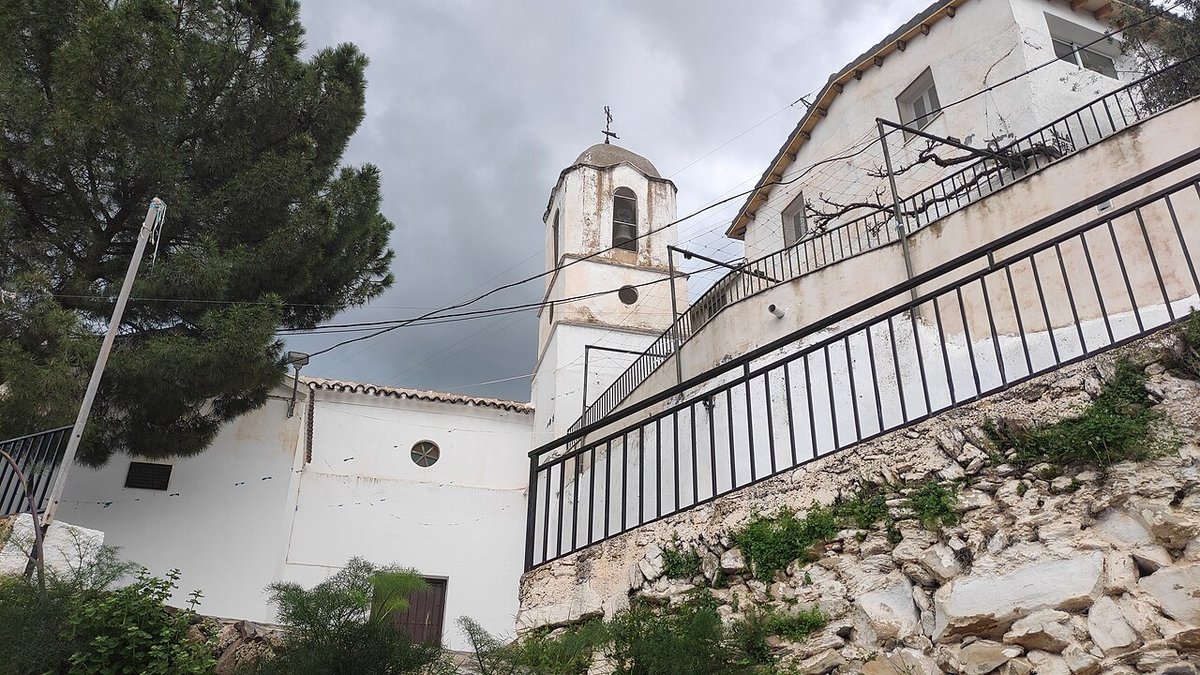
  • Church of El Rosario
  • Slate architecture
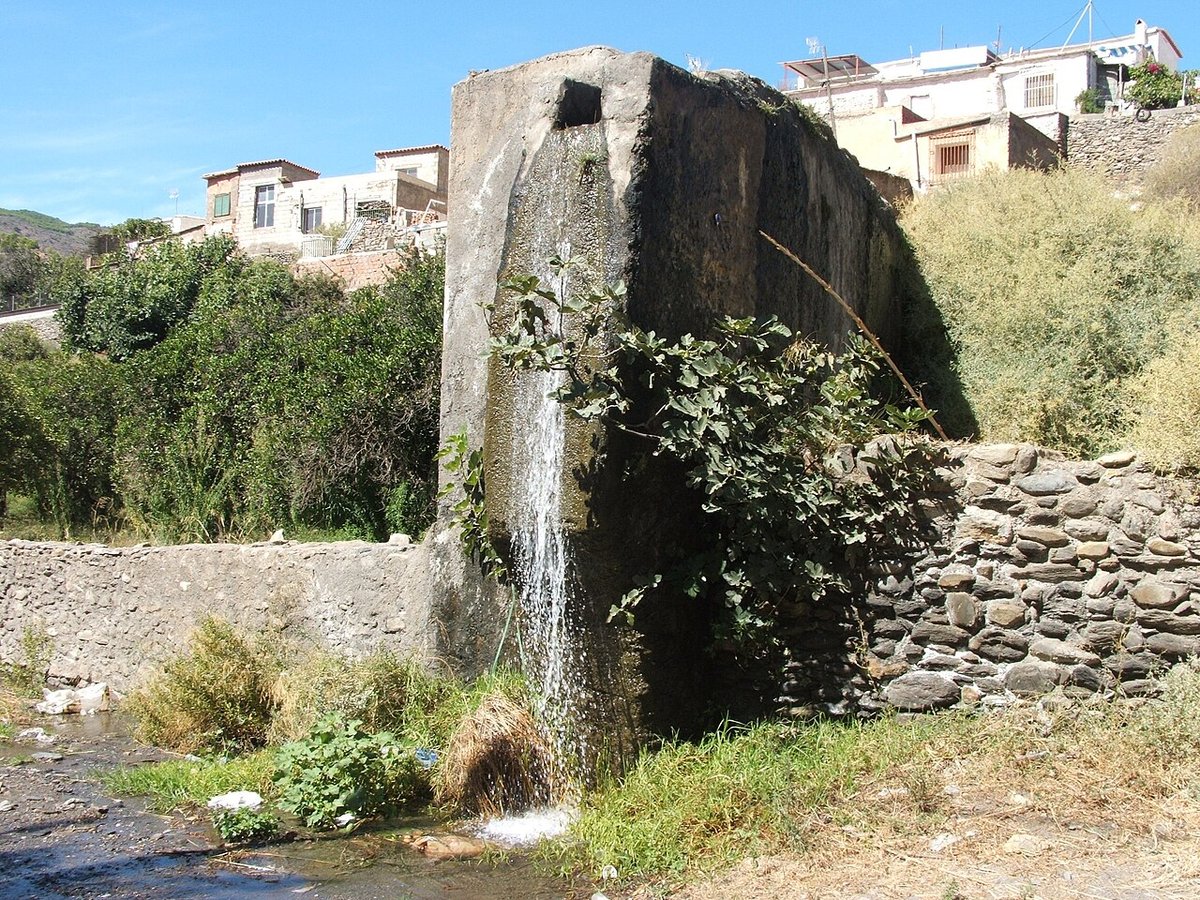
  • Washhouse

Activities

  • Hiking
  • Watching historical reenactments
  • Rural tourism

Festivals
& & Traditions

Fecha agosto

Fiestas del Divino Rostro (agosto), Moros y Cristianos (agosto)

Las fiestas locales son el momento perfecto para vivir la autenticidad de Senés.

Full Article
about Senés

A slate-roofed village clinging to the sierra, known for its Moros y Cristianos fiestas.

Ocultar artículo Leer artículo completo

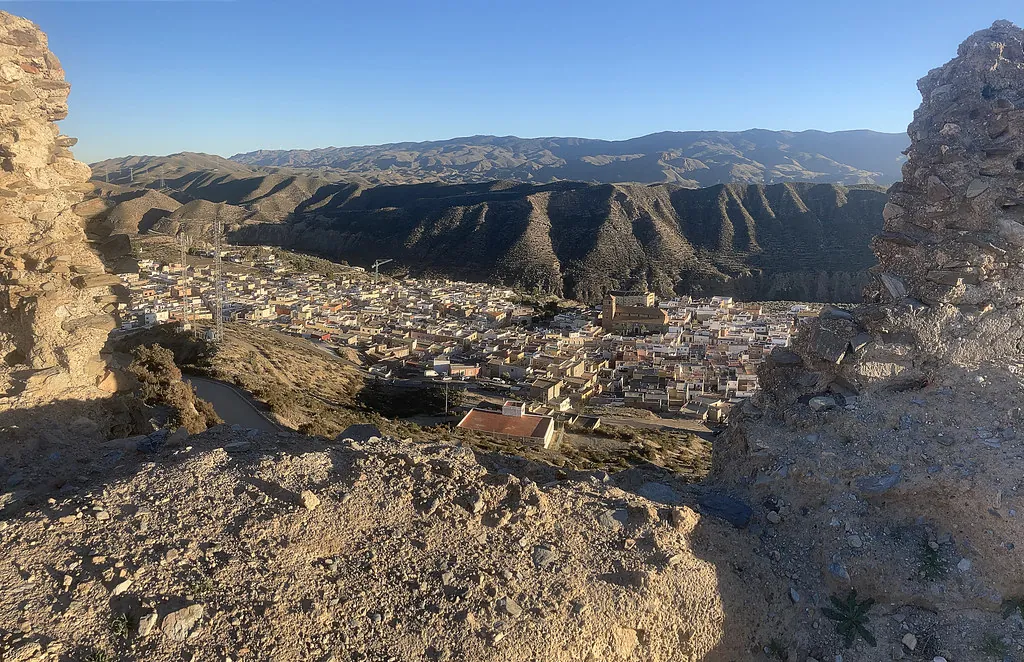
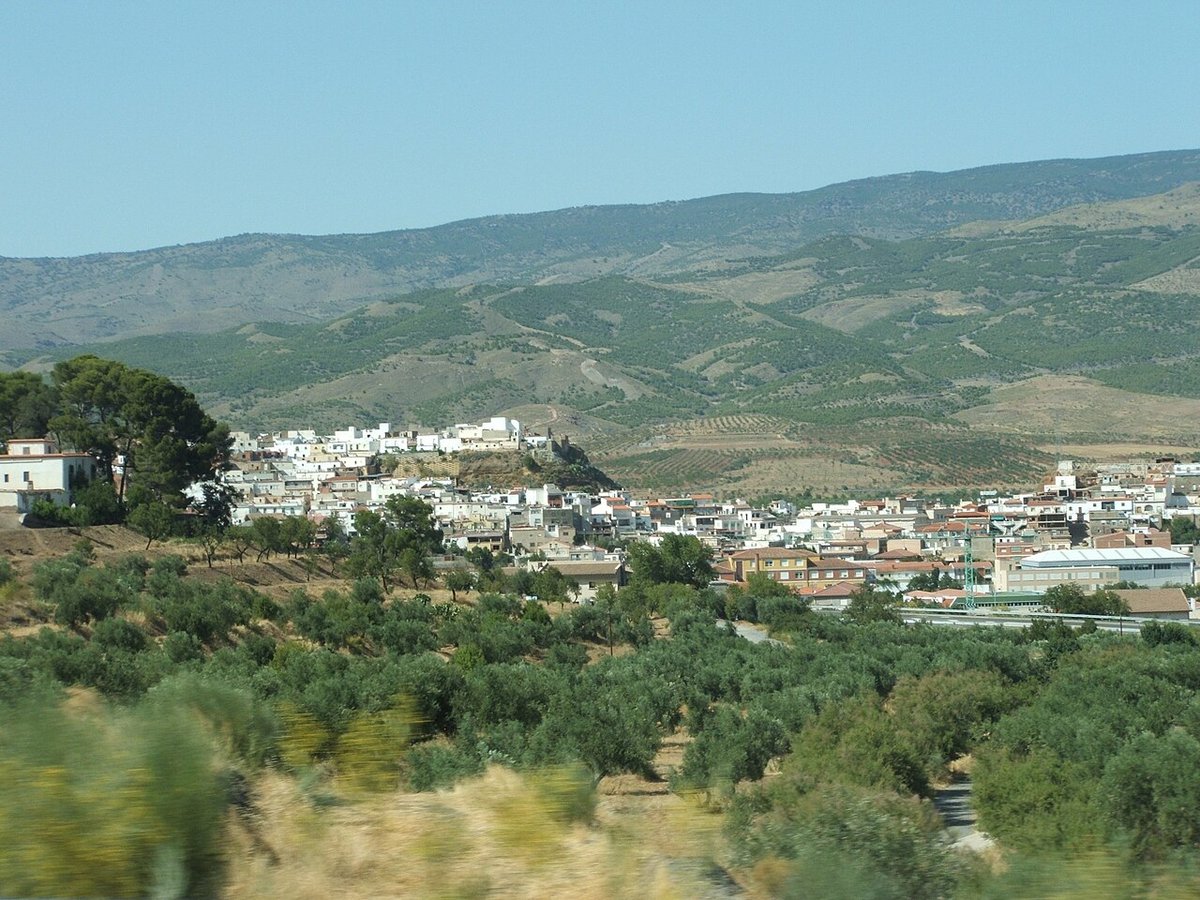
Eight hundred metres above the last proper road, Senes clings to a ridge like a barnacle that's forgotten the sea exists. The village—288 souls, give or take a visiting grandchild—appears suddenly after a final hairpin: white cubes stacked against grey schist, red Arabic tiles glinting like new pennies. Satellite dishes sprout from walls at improbable angles, proof that even here the twenty-first century has made landfall, though it keeps its voice down.

Morning in the Clouds

Dawn starts early. By six the bakery on Calle Real has drawn its first customers—old men in flat caps who carry the day's gossip along with their warm roscos. Those anise-scented doughnuts cost eighty cents each and taste best dunked in thick coffee taken standing at the bar. The baker, fourth-generation, still closes at one sharp; miss the slot and breakfast becomes whatever you carried up from Tabernas.

From the bench outside the church of Nuestra Señora del Carmen the view drops away south-west over the badlands that doubled for the Wild West in Sergio Leone's films. On clear winter mornings you can pick out the white blur of Almería's greenhouses thirty kilometres distant; in summer the haze turns brassy and the desert below looks like a tray of burnt breadcrumbs. The altitude—990 m—knocks eight degrees off the coast's temperature, so July walkers set out at seven and are back before the sun climbs the southern crags.

Paths that Remember Mules

Senes is a staging post on the GR-244, the long-distance loop that stitches together Filabres hamlets once linked by muleteers. The seven-kilometre section to Tahal starts politely enough, past almond terraces where hoopoes pick among last year's husks. Then the track tilts, skirting a ravine whose walls glow ochre and rust like a child's watercolour set squeezed dry. After rain the limestone becomes treacherous—brittle plates that skate under boot—so the town hall keeps a stack of walking-poles to borrow; leave your driving licence as deposit and remember to bring them back before the office shuts at two.

Shorter circuits suit afternoons when the mistral blows. A forty-minute loop climbs past the ruined cortijo of Los Castillejos, its roof beams long since hacked up for firewood, and returns along the stone channel that once fed the village fountain. Even in drought years a trickle runs here; frogs the size of thumbnails bark from the ivy, and if you sit quietly the resident kingfisher flashes turquoise above the dark water.

What Passes for Nightlife

Evenings revolve around the plaza, a triangle of cracked concrete shaded by a single eucalyptus. The two bars face each other like elderly cousins who have run out of conversation; choose Bar Nuevo if you want tapas with your beer, Bar Carmen if you prefer the television muted and the owner to remember your order tomorrow. Neither takes cards, so bring cash. House wine arrives in a glass rinsed under the tap—rustic, yes, but at €1.20 a throw complaining feels churlish.

Thursday is migas night. The chef toasts coarse breadcrumbs in olive oil until they sing, folds in strips of home-cured panca bacon and a whisper of garlic, then crowns the mound with a fried egg whose yolk seeps like liquid sunset. Order half a portion; mountain appetites are smaller than you think. Afterwards walk the lanes counter-clockwise—village superstition says it keeps the knees sound—and count the stars. Light pollution is measured in candlepower here; the Milky It stretches overhead like spilled sugar, so bright it throws shadows.

When the Almonds Explode

Late February turns the hills into a negative photograph: black trunks, white blossom, soil the colour of burnt toffee. Photographers arrive with long lenses and thermos flasks, grumbling that the bloom lasts ten days at best. They stay at Casa Vicki, the only letting house with Wi-Fi strong enough to upload envy-inducing shots before breakfast. Prices—€70 a night for two—haven't shifted in five years, mainly because Vicki's rates are pinned to the pension index rather than Airbnb algorithms.

Spring also brings the agricultural fair, a Saturday when tractors polish up and the plaza fills with stalls selling honey so thick the spoon stands upright. Farmers debate rainfall figures in rapid Andalusian; outsiders grasp one word in five but the body language translates—shoulders shrug, palms turn skyward, the land always wins. Try the gazpacho dulce, a sweet almond soup served chilled in plastic tumblers. It tastes like horchata's rustic cousin and costs €1, proceeds to the volunteer fire brigade whose engine is a 1987 Land Rover with mismatched doors.

Winter's Quiet Bargain

December to March empties the village completely. The bakery shifts to alternate days, bars keep coal braziers glowing, and Brits who winter on the coast arrive in search of "real cold." They find it: night temperatures dip below zero, pipes freeze, and the council delivers water by tanker when the spring stalls. Rental cottages drop to €40, fires are lit, and the butcher takes orders for whole lamb—choto al ajillo on demand if you give him a day's notice. Walking still works; the low sun picks out every fold of the range and you can follow wild-boar tracks across the upper terraces without meeting another soul.

Access needs planning. The ALP-717 from Tabernas is paved but narrow; the final eight kilometres coil like a discarded cassette tape and meeting a lorry requires nerves plus reverse gear. Snow falls two or three times each winter—rarely enough to block the road for long, but enough to turn the rooftops into iced wedding cakes. Carry chains December through February; the Guardia Civil close the pass when ice glazes the switchbacks and the nearest detour adds ninety minutes via Lucar.

Leaving Without Goodbye

Senes offers no souvenir shops, no flamenco tablaos, no cocktail list. What it does give is rhythm: the clang of the church bell marking the agricultural hour, the slow arc of vultures above the escarpment, the taste of bread made while you slept. Check-out time is whenever you start the engine; the village shrinks in the rear-view mirror until only the cemetery crosses remain visible, glinting like sharpened pencils against the mountain. Drive down carefully—gravity is on your side now—but expect one last surprise: the first proper bend reveals the desert again, flat and enormous, and for a moment the world you re-enter feels louder, faster, slightly less honest than the one you leave behind.

Key Facts

Region
Andalucía
District
Filabres-Tabernas
INE Code
04082
Coast
No
Mountain
Yes
Season
summer

Livability & Services

Key data for living or remote work

2024
Connectivity5G available
EducationElementary school
Housing~5€/m² rent · Affordable
Sources: INE, CNMC, Ministry of Health, AEMET

Planning Your Visit?

Discover more villages in the Filabres-Tabernas.

View full region →

More villages in Filabres-Tabernas

Traveler Reviews