Full Article
about Tabernas
World-famous for its desert and western film shoots; Europe’s only arid landscape of its kind.
Ocultar artículo Leer artículo completo
Badlands at Breakfast
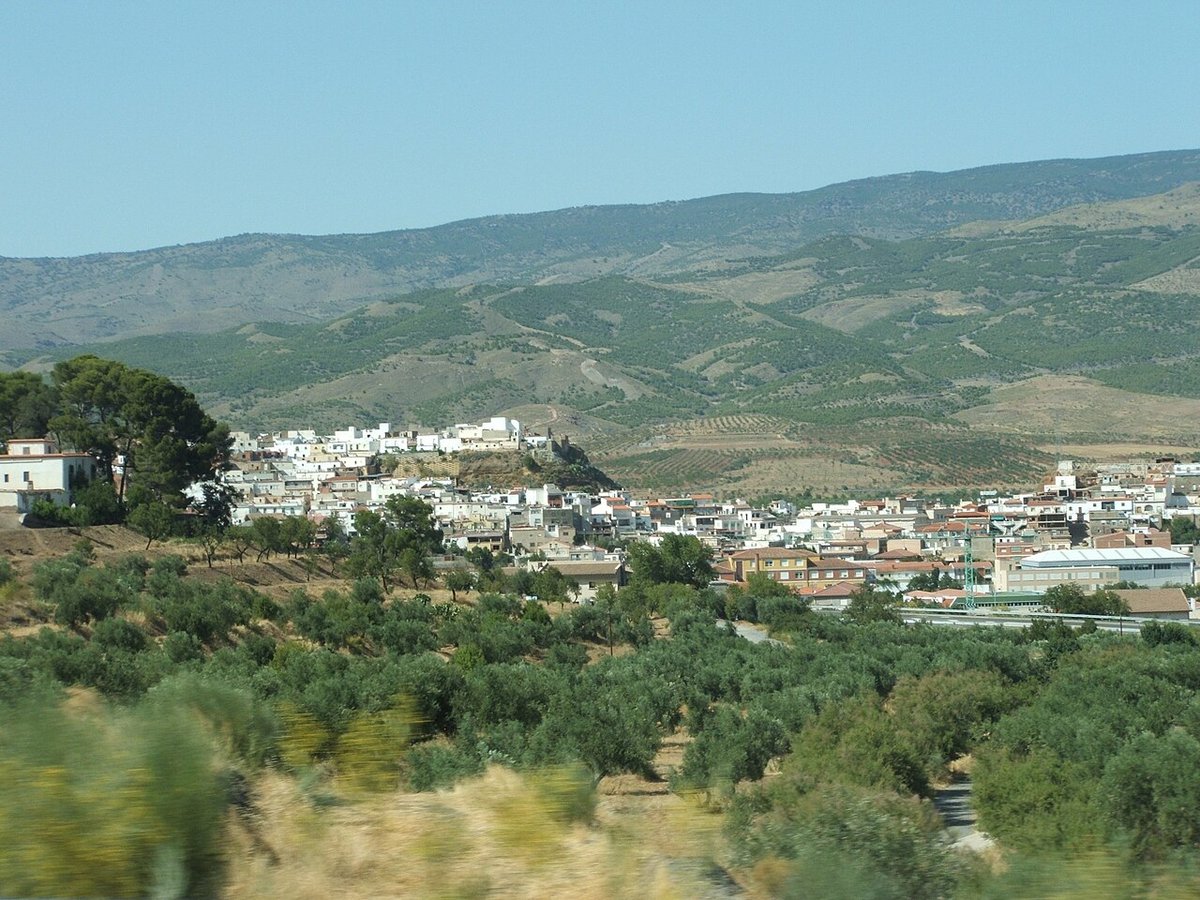
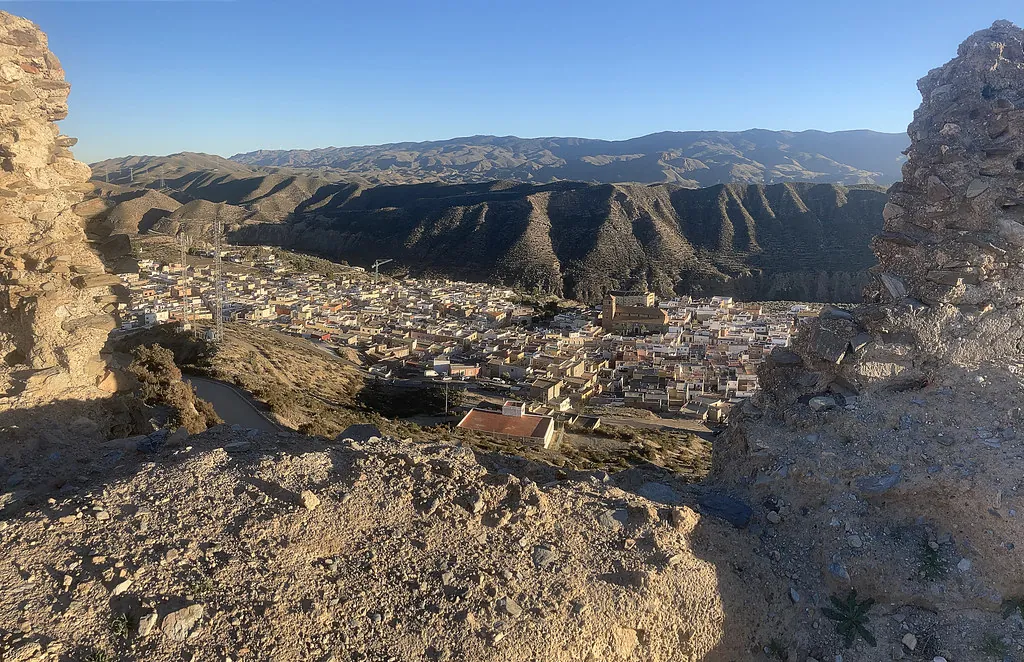
The thermometer outside the petrol station reads 8 °C at seven-thirty in the morning, yet by midday it will nudge forty. That 30-degree swing is the first clue that Tabernas is not a normal Andalusian hill town. The second is the view from the café terrace: chalk-white houses stop abruptly at the edge of a canyon that looks suspiciously like the setting for Once Upon a Time in the West. Which, as it happens, it was.
Tabernas sits 400 m above sea level on the north-eastern rim of Europe’s only true desert. The Sierra de los Filabres blocks moist winds from the Mediterranean, leaving a rain-shadow the size of the Isle of Wight where annual precipitation struggles to reach 250 mm. What falls arrives mostly as violent spring cloudbursts that carve gullies, or ramblas, into soft marl and clay. The result is 280 km² of badlands—bleached, wrinkled and utterly alien to anyone arriving from the green tunnels of oleander along the nearby A-92.
A Town that Dresses for Two Climates
Inside the village the architecture remembers a time when people expected to grow old here. Houses are thick-walled, window-slits angled to catch winter sun yet shade out August inferno. Bougainvillea survives only where a leaking pipe provides clandestine irrigation. The centre is still lived-in: schoolchildren chase footballs across the plaza, and the baker sells mollete rolls until noon. Walk three streets north, however, and new builds peter out into half-finished breeze-block shells—victims of a property boom that burst when the 2008 crisis hit Almería harder than anywhere else in Spain.
The 16th-century Iglesia de la Encarnación squats at the top of the hill, its brick tower patched so often it resembles a quilt. Inside, the air smells of candle wax and desert dust. Opening hours are erratic; if the door is locked, the sacristan can usually be found in the bar opposite, willing to fetch the key in exchange for a café con leche.
When the Desert Went to the Cinema
In the 1960s somebody noticed that the local landscape already came with built-in set design. Sergio Leone rolled into town in 1965, built a clapboard saloon, and paid extras one thousand pesetas a day to look menacing on horseback. Over the next decade more than 300 westerns were shot in the surrounding cárcavas. Clint Eastwood slept in the Hotel Hernández (still open, still charging €45 a night), and the crew of Lawrence of Arabia imported real camels which promptly escaped and terrorised the tomato plots.
Three of the original sets survive as theme parks. Oasys Mini Hollywood is the slickest—high-noon stunt shows, overpriced lager, €29 entry. Fort Bravo is scruffier, cheaper (€19) and allows visitors to clamber onto the roof of the jail for wide-angle shots without a selfie-stick mob. The third, Western Leone, drifts in and out of solvency; ring ahead or you may find the saloon locked. All three open at ten, close at sunset, and stage mock hangings on the hour. Purists prefer to skip the shows, park opposite the Oasys gate, and simply walk into the rambla where the real scenery lies free of charge.
Walking on the Moon before Coffee
The best short hike starts 500 m west of the village, on a gravel pull-off signed "Casa de los Cuartelillo". A dry riverbed heads north between walls of banded sediment the colour of burnt toast and nicotine. After forty minutes the canyon widens into a natural amphitheatre; look up and you’ll see half-finished concrete watchtowers built for an abandoned German sci-fi production. The loop back to the road takes two hours, carries no shade whatsoever, and demands two litres of water per person even in April. Close shoes are essential—thorny chumbera cactus lies in wait for open-toed sandals, and the local snakes are harmless but irritable.
Longer routes penetrate the Barranco de Búho and the Rambla de Gérgal, where the only sound is wind scouring clay. GPS tracks are downloadable from Wikiloc; mobile signal vanishes within minutes of leaving the car. Afternoon storms build without warning in May and September—if you hear thunder, abandon low ground immediately. Flash floods have swept unwary photographers away.
What to Eat when the Thermometer Hits 38
Tabernas’ cuisine is built around shepherds who needed calories and water in equal measure. Migas—fried breadcrumbs laced with garlic, chorizo and grapes—arrive in portions that could floor a cowboy. Conejo al ajillo (rabbit simmered in bay and white wine) tastes milder than it sounds; most restaurants will de-bone on request if children are at the table. The local Oro del Desierto olive oil wins international awards for its peppery finish; the cooperative on the Polígono Industrial offers free tastings every morning except Thursday. Finish with sandía gazpachuda, a chilled watermelon soup sprinkled with mint—the closest thing the desert has to air-conditioning.
Vegetarians survive on berenjenas con miel (aubergine chips drizzled with cane honey) and the ubiquitous tomato salad. Gluten-free bread is still viewed with suspicion; bring your own if coeliac.
Practicalities without the Brochure Speak
Getting here: Almería airport is 25 minutes down the motorway. Car hire is almost obligatory—public buses reach Tabernas twice daily from the city but leave you stranded if siesta overruns. A normal salile handles the access tracks; 4×4 is only needed for the high filá tracks east of the village.
When to come: October–April for walking; night skies are clearest November–February when Orion hangs above the canyon rim. July and August are for mad dogs and cinematographers only—temperatures regularly top 45 °C and the police close walking trails at midday.
Where to sleep: The Hotel Albanta has eight minimalist rooms built round a courtyard pool; doubles from €85 including better-than-average breakfast. Budget travellers head for Hostal Desierto, €35 for clean rooms above a bar that stays open until the last spaghetti-western fan has finished arguing about dubbing. Wild camping is tolerated on the high plateau north-west of the village; leave no trace and beware military manoeuvres—the Spanish army uses the area for tank practice two weeks each spring.
Money: The village ATM runs dry at weekends; fill your wallet in Almería before you head inland.
Last Orders at the Saloon
Stay after dark and the desert reverts to type. Floodlights switch off, tour coaches lumber away, and coyotes—yes, they imported those too—start yipping among the sagebrush. The Milky Way appears so bright it casts shadows. Stand still for a minute and you’ll hear the soft pop of cooling rock, the same sound that fooled Leone’s sound engineers into thinking the landscape was alive. It is, just very slowly. Come morning the sun will lift over the Filabres and the whole theatre will begin again—only now you’ll recognise the extras buying bread in the square, and know that the real story belongs less to the gunslingers than to the people who learned to live with 40-degree swings and called it home.