Full Article
about Tahal
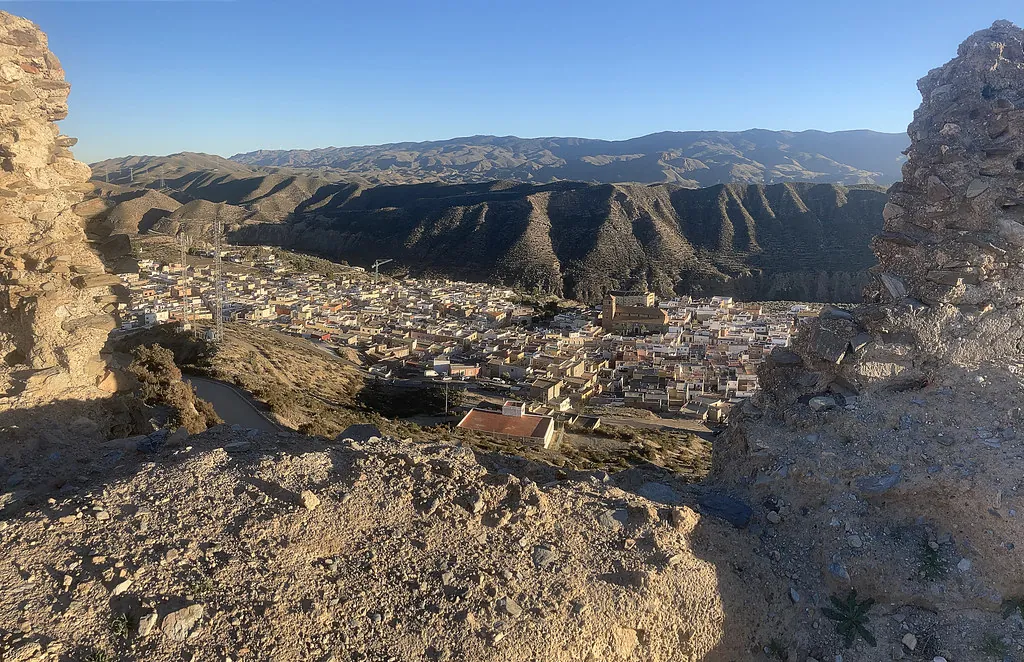
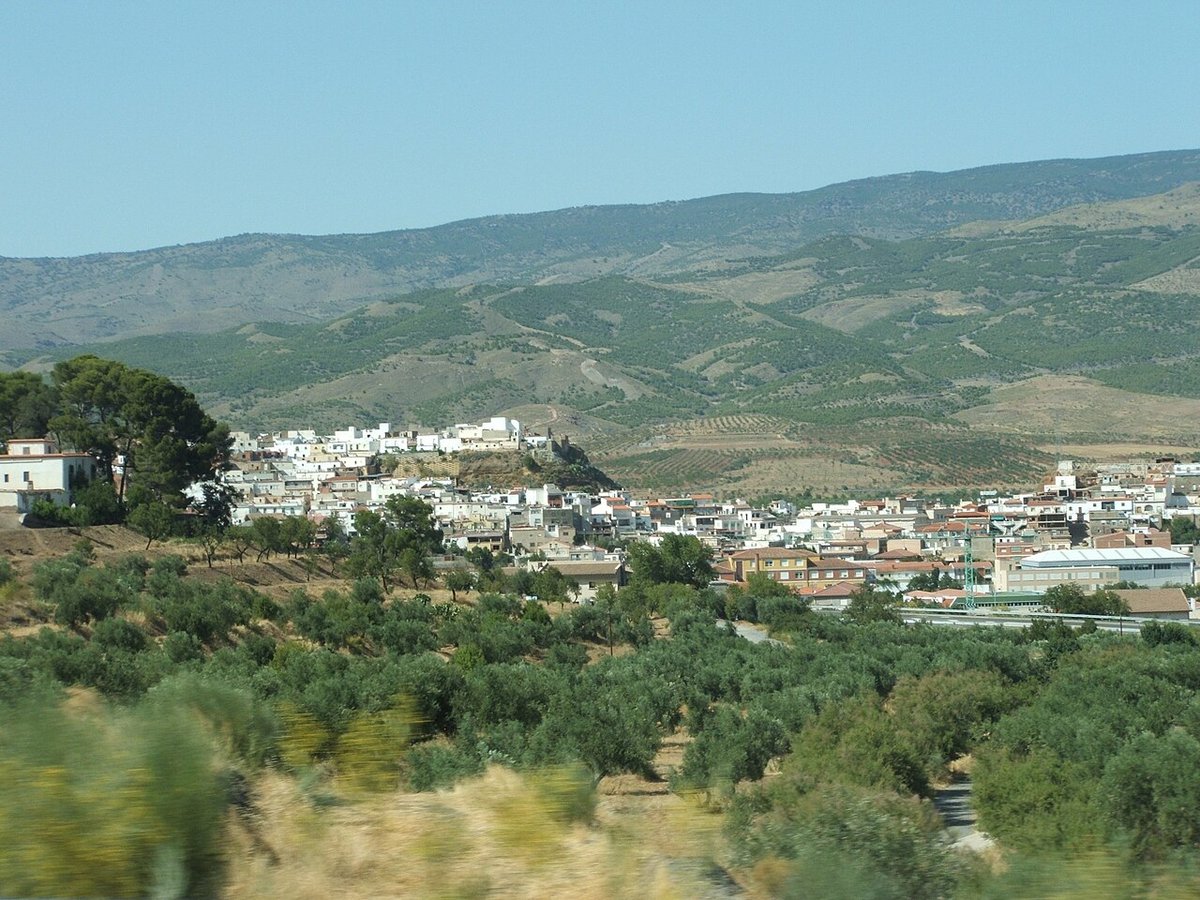
Mountain village with a restored castle, surrounded by holm-oak and pine woods in the Filabres.
Hide article Read full article
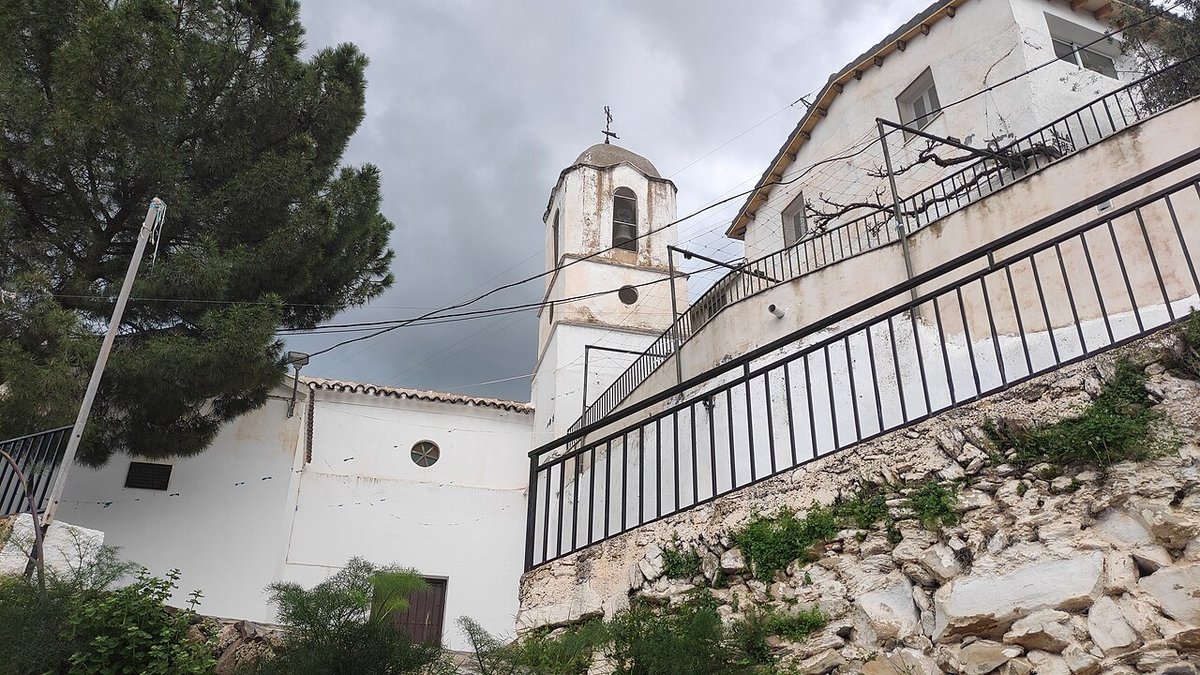
At midday in the square of Tahal, the silence feels heavier than in most villages. The sun falls directly onto the whitewashed walls of the church, and the lime reflects a brightness that makes you narrow your eyes. A window opens, someone shakes out a tablecloth, and for a few seconds the echo of the fabric snapping against the railing hangs in the air. Tourism in Tahal often begins like this, with the sense of having arrived somewhere that moves at a slower pace.
Tahal sits just over 1,000 metres above sea level, in the Sierra de los Filabres, within the Filabres‑Tabernas area. That height noticeably changes the atmosphere compared with other parts of Almería. In winter, the cold is real, and some mornings bring frost along the edges of rooftops. Summer is still hot, of course, but by evening a dry breeze comes down from the mountains and makes walking through the streets more bearable.
Streets shaped by climate
The centre can be explored quickly. Streets are narrow and fairly straight, lined with white two‑storey houses topped with traditional clay tiles. Many still have iron balconies and heavy wooden doors that have been in place for decades. Decoration is minimal. Homes here were built with a practical aim: to keep out winter cold and shield against the intense summer sun.
By mid-afternoon, the wind can often be heard brushing against corners, with the occasional bird moving between cables or the almond trees on the outskirts. For those looking for a quieter moment, it is best to avoid the middle of summer weekends, when more cars arrive from nearby villages.
The church and the square
The Iglesia de la Encarnación stands at the centre of the village. The current building appears to rest on an older base, probably from the early modern period, though it has been altered over time. From the outside, it has a restrained presence, with its tower rising above the square.
Inside, when open, the atmosphere shifts. There is the smell of aged wood and wax. Light filters through the side windows and falls onto the altarpieces, where carved details can still be made out if you look closely.
Looking out: mountains and distant dryness
One of the most striking aspects of arriving in Tahal is the landscape around it. Nearby slopes are covered with Aleppo pine, holm oak, and cultivated almond groves. Green appears more easily here than in other parts of the province.
Following the road that winds through the sierra reveals several points where the horizon opens up. To the south, on clear days, the land gradually becomes more arid in the direction of Tabernas. To the north, when the air is clean after rain or wind, the peaks of Sierra Nevada can sometimes be seen.
In the surrounding hills, signs of wildlife are not unusual. Wild boar tracks can be found along dirt paths, and mountain goats move across rocky outcrops in the early hours of the day.
Almond trees and paths beyond the village
Around Tahal there are several agricultural tracks and footpaths that begin right at the edge of the built area. Many follow older routes once used to reach the almond terraces.
Between late winter and early spring, when the almond trees bloom, the landscape changes completely. Hillsides fill with white and pink patches, and the air carries a faint, sweet scent. It is one of the most pleasant times to walk in the area.
In summer, setting out early is advisable. Some stretches offer little shade, and the sun in this part of Almería can be strong even at altitude.
Agricultural rhythms and local celebrations
Although small, Tahal remains tied to agricultural life. Almond and olive cultivation shape much of the yearly rhythm. During harvest periods, it is common to see trailers loaded with crops or to hear machinery shaking trees in nearby plots.
Local celebrations tend to centre on the patron saint and the summer months, when many residents who live elsewhere return. At that time, the square fills with voices and music, creating a contrast with the calm that defines most of the year.
Reaching Tahal by road
From the city of Almería, the usual route heads up towards Gérgal before taking the road that enters the Sierra de los Filabres. The final stretch includes plenty of bends and changes in gradient.
It is not a long journey, but it is worth taking slowly. Along the way, the landscape shifts little by little: first the ochre tones of the province’s interior, then, as Tahal approaches, higher slopes covered with pines and almond trees. It is a dry landscape, yet full of variation if you take the time to notice it.