Full Article
about Turrillas
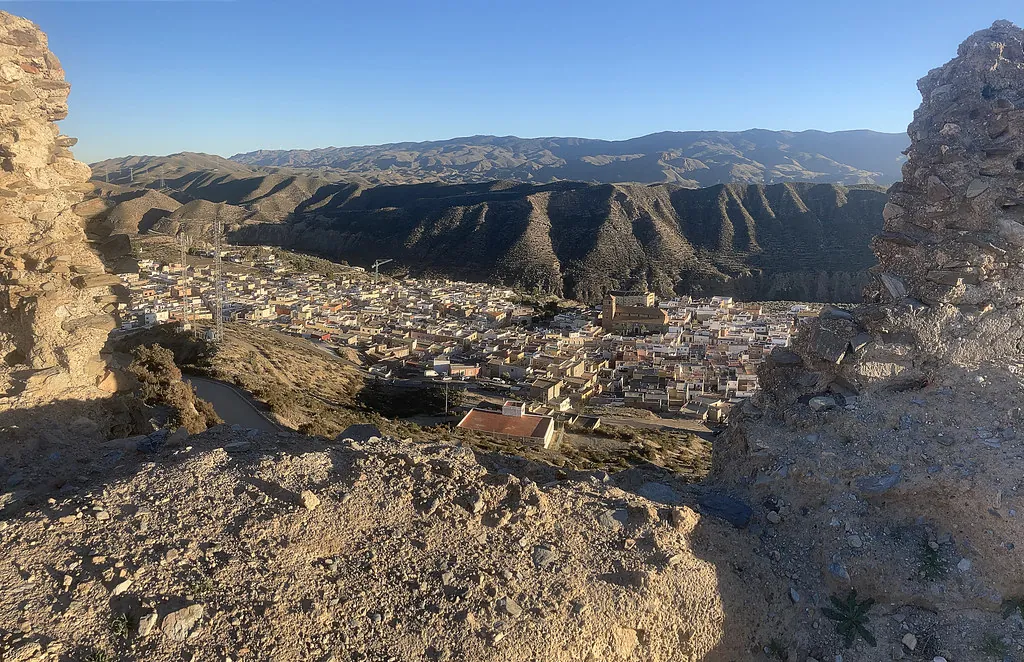
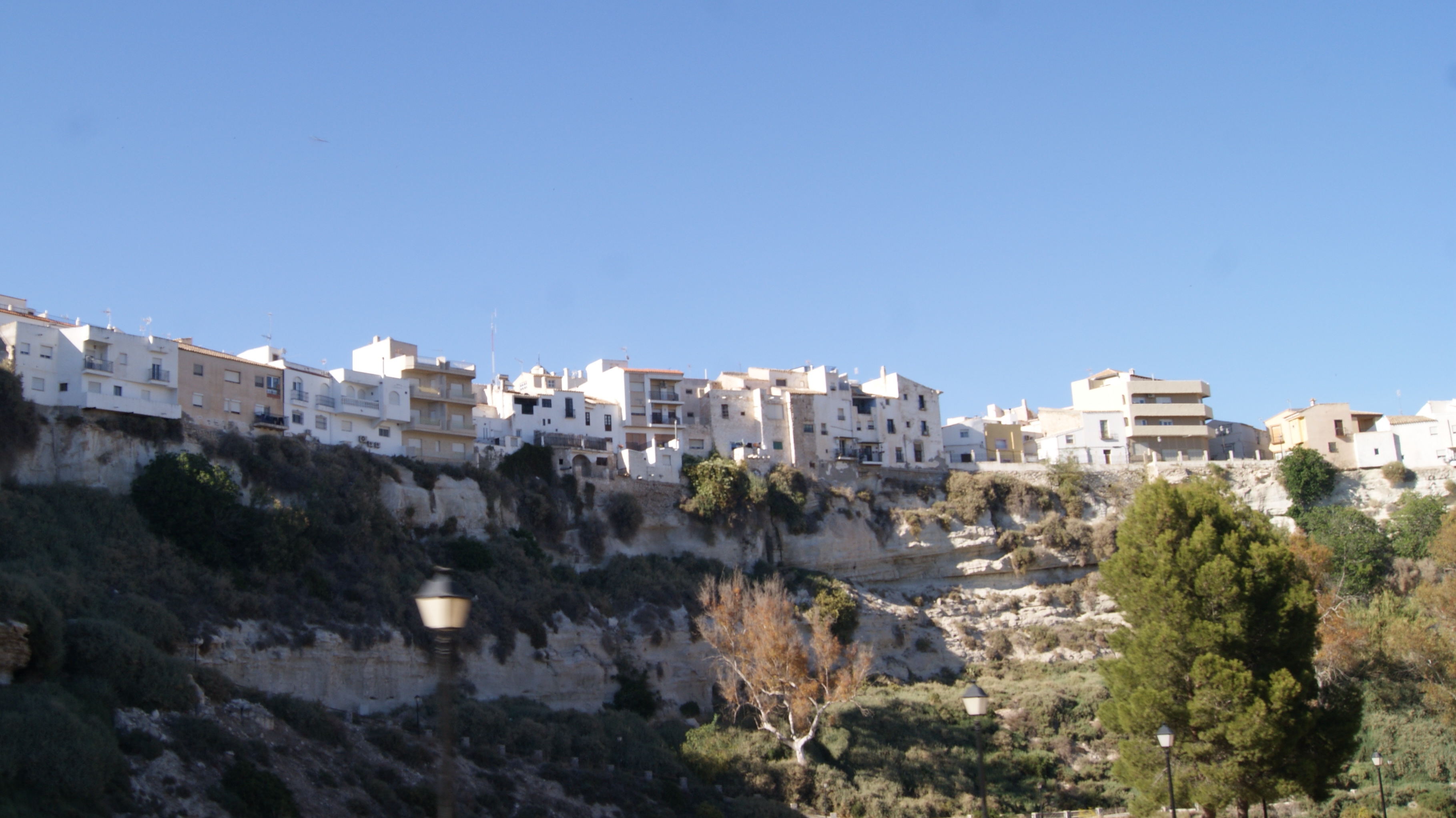
Balcony of Sierra Alhamilla; offers stunning views of the Tabernas desert and the sea.
Hide article Read full article
A small village that carries on as it always has
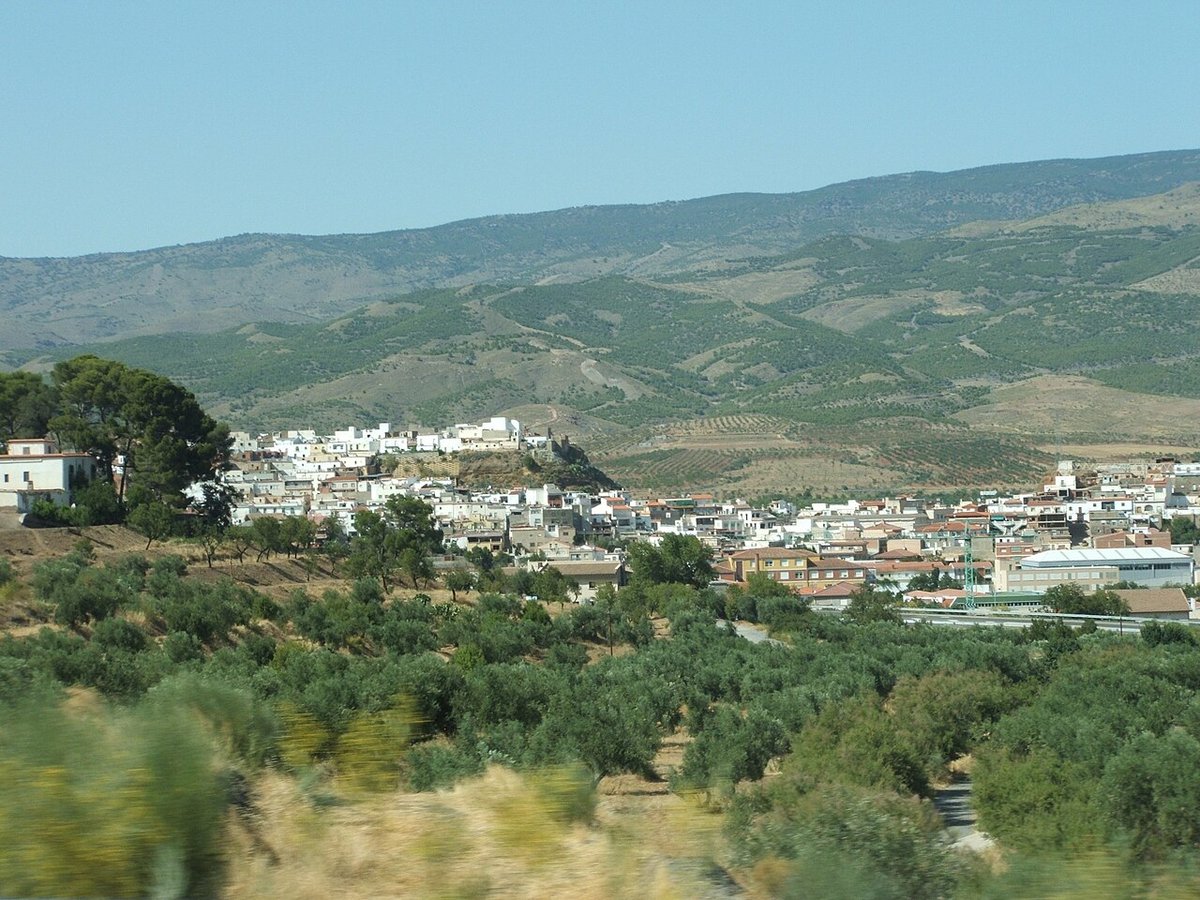
Tourism in Turrillas feels a bit like leaving the motorway to stretch your legs and ending up somewhere that was not expecting visitors at all. There is no polished shop window, no streets arranged for the quick photograph. This is a small village in the Sierra de los Filabres, with just over 250 residents, where the whitewashed houses are here because they have always been here, not because anyone decided they would look good on social media.
The streets are narrow and steep enough to remind you that rainwater once mattered more than cars. Walking through the village, it is easy to hear a tractor starting up or someone speaking from a doorway. It is everyday noise, the kind that confirms the place is not arranged for show. It is simply lived in.
At around 800 metres above sea level, Turrillas looks both towards the mountains and towards the drier terrain that gradually approaches the Tabernas Desert. Light changes the landscape dramatically here. Early in the morning or as evening falls, the hills take on stronger definition and everything appears rougher, more exposed. This is not a glossy postcard landscape. It is one that makes more sense the longer you stand and look at it.
A handful of landmarks and a landscape that dominates
There is not an abundance of historic monuments, but what exists says something about the place.
The Iglesia Parroquial de San Andrés, usually dated to the 16th century, is the most recognisable building. It is far from monumental. Like many mountain churches, it has a sober appearance, built in local stone with simple proportions and a bell tower that still shows Mudejar influences, a style shaped by the coexistence of Christian and Islamic traditions in southern Spain. Inside, there is a Baroque altarpiece which, when viewed carefully, reveals more craftsmanship than one might expect in a village of this size.
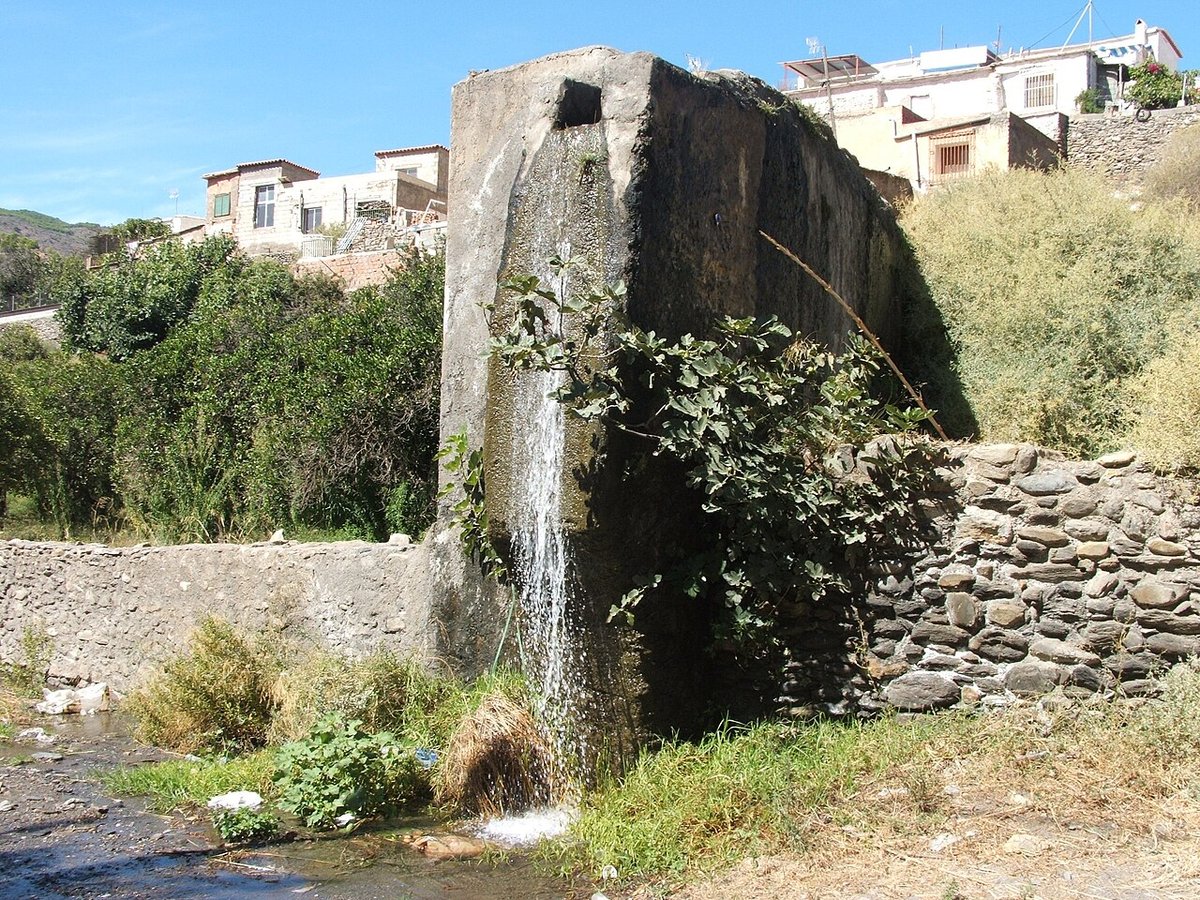
The Plaza del Ayuntamiento acts as a natural meeting point. Some traditional fountains remain here, once essential for distributing water throughout the village. Today, people sit nearby, talk for a while or pause to catch their breath after climbing one of the slopes that cut across the centre.
Yet in Turrillas, the surroundings carry more weight than any single building. The village is encircled by tracks that lead into the Sierra de los Filabres, passing through reforested pine woods, scattered holm oaks and wide stretches of Mediterranean scrub. The terrain is dry and stony, though it has its contrasts. After rainfall, certain gullies that appear completely lifeless can carry water again for a few days, briefly altering the scene.
Making the most of a stop in Turrillas
Turrillas is not a place to fill a packed itinerary. It works best as a calm stop on a wider route through the area.
One of the usual walks climbs up to the Cerro de la Cruz, a nearby hill from which the view opens out across the surrounding district. It is not a demanding hike. The ascent has its incline, particularly under direct sun, but within 20 or 30 minutes it is possible to reach the top.
Timing makes a difference. At midday the strong light flattens the landscape. When the sun sits lower, slate walls, gullies and white houses cast longer shadows, giving the village greater depth and texture.
The traditional food of the area follows the same line of simplicity. Dishes such as migas, a hearty preparation based on breadcrumbs, along with substantial stews, almonds, olive oil and dried herbs gathered from the nearby hills, reflect a way of cooking designed for those who spend long days working outdoors. These are not elaborate recipes created to impress on a menu, but practical meals rooted in the local environment.
Traditions that follow the calendar
Festivities in Turrillas keep to the familiar rhythm of a small Spanish village.
In November, the fiestas de San Andrés are held in honour of the municipality’s patron saint. They usually revolve around religious events and gatherings in which almost everyone takes part. It is a moment when the social life of the village becomes especially visible.
August brings a slight shift in atmosphere. Many people with family ties to Turrillas return for a few days, and the calendar fills with open-air dances and activities that briefly interrupt the usual quiet.
Semana Santa, or Holy Week in the lead-up to Easter, is also observed, though on a very local scale. Short processions are organised by neighbours, each person contributing what they can to keep the tradition going. The tone is intimate rather than grand, shaped by community effort rather than spectacle.
When to come
Spring and autumn are the most comfortable seasons for visiting Turrillas. Temperatures during these months make it possible to walk the mountain tracks without the heat becoming overwhelming.
In winter, afternoons can turn cold, particularly if wind sweeps across the sierra, so it is wise to come prepared. Summer brings long hours of intense heat. If visiting at that time of year, it makes sense to plan any walk for early in the day or as the sun begins to drop, since natural shade is in short supply.
What you may not be told
Turrillas is straightforward, more so than many expect when they hear talk of “authentic villages”.
There are no large museums and no streets designed for touring groups. There are whitewashed houses, some marked with cracks that speak of years of wind and sun, dusty tracks and residents continuing their daily routines.
That simplicity is part of its appeal. Turrillas does not try to perform for visitors. It remains a small community in the Sierra de los Filabres, balanced between mountain and near-desert, shaped by light, weather and habit. For those willing to pause rather than rush, that is reason enough to stop.