Full Article
about Velefique
High-mountain village famous for its switchback road; a mecca for cycling and longboarding.
Hide article Read full article
At eight in the morning, in the main square, the air still holds the cool of the night. A door opens slowly, a shutter snaps up. Light slides down the hillside and bounces off whitewashed façades. This is how many days begin in Velefique: quietly, with footsteps echoing on steep streets and a sense that the day has not yet settled on a pace.
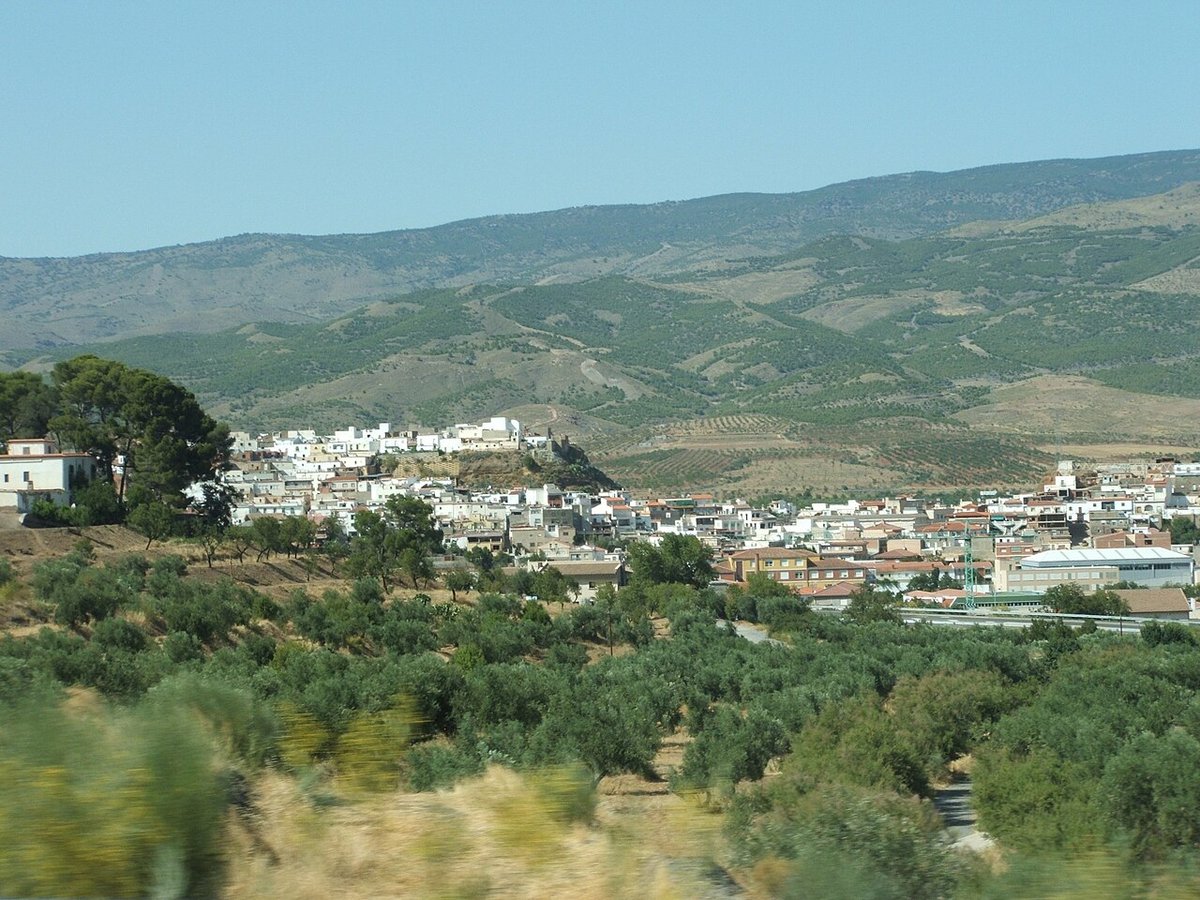
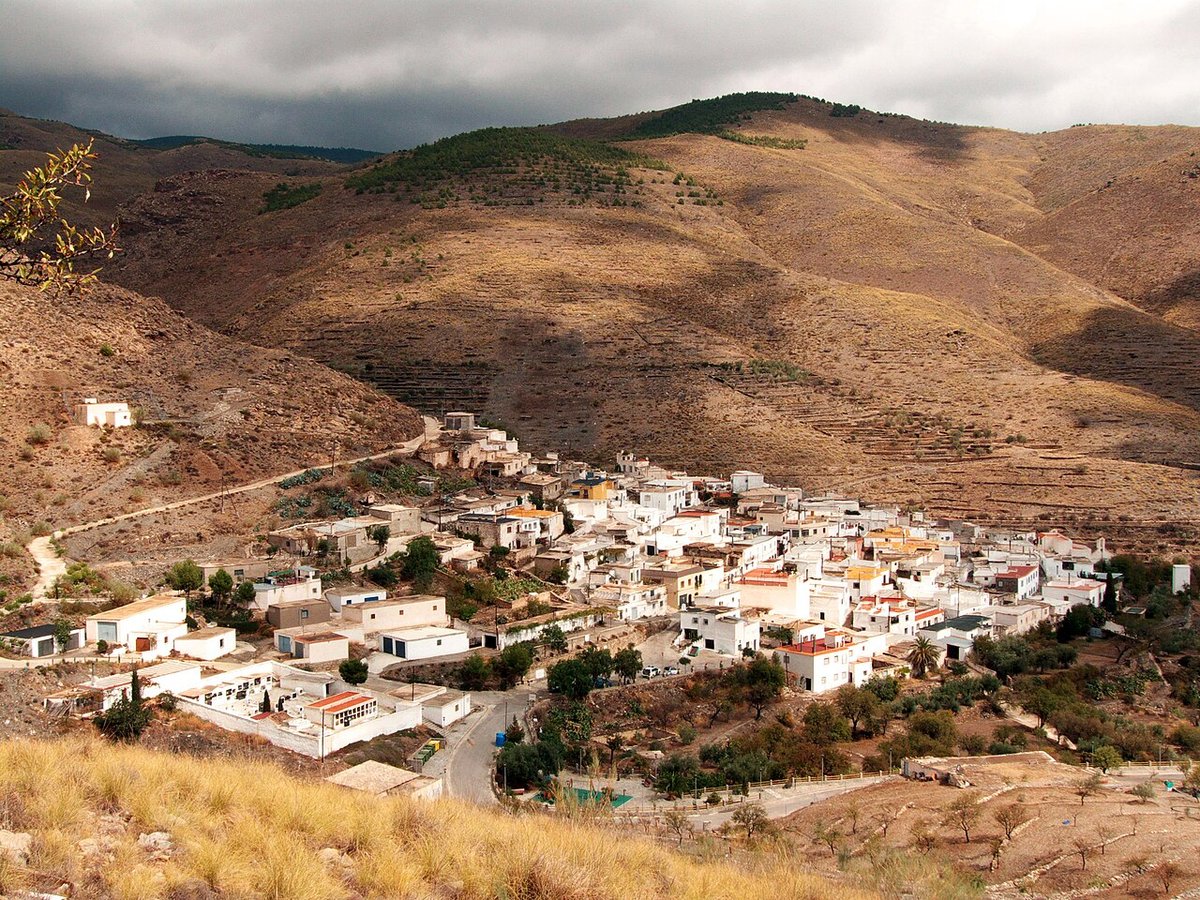
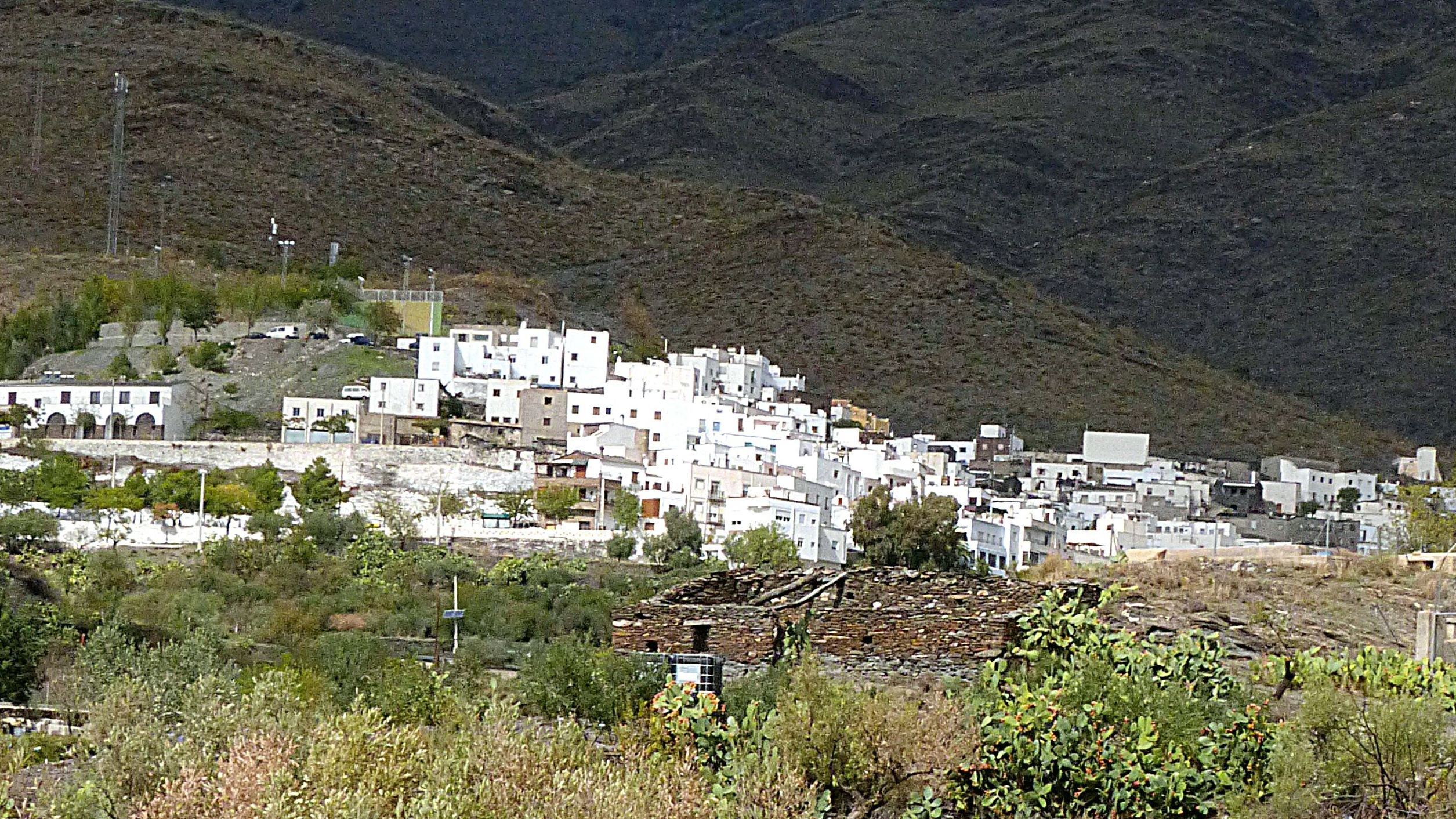
Velefique sits high in the Sierra de los Filabres, well above the valley. The village clings to the slope, its narrow streets rising and falling with little regard for cars. Early on, everything moves slowly. Someone sweeps a doorway, a car passes now and then, and the wind comes down from the sierra carrying the scent of pine and dry earth.
Reading the village through its slopes
The houses gather around the church of San José, a solid building with thick walls and a tiled roof. From there, the streets drop away in short stretches, sometimes cobbled, sometimes worn concrete. Stone doorways, narrow windows and the occasional balcony with pots where geraniums withstand the summer sun shape the scene.
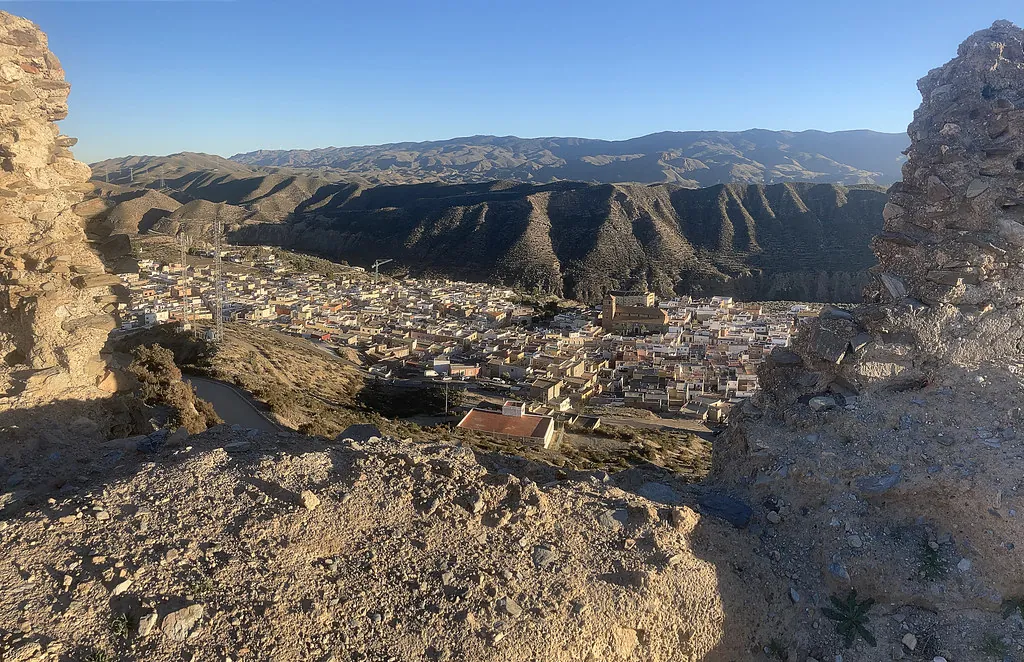
Climb a little along any street facing the sierra and the layout opens up into small clusters of white houses. From above, the form of the village becomes clearer: a handful of sloping streets surrounded by steep hillsides, marked by dry-stone terraces that still trace lines across the land.
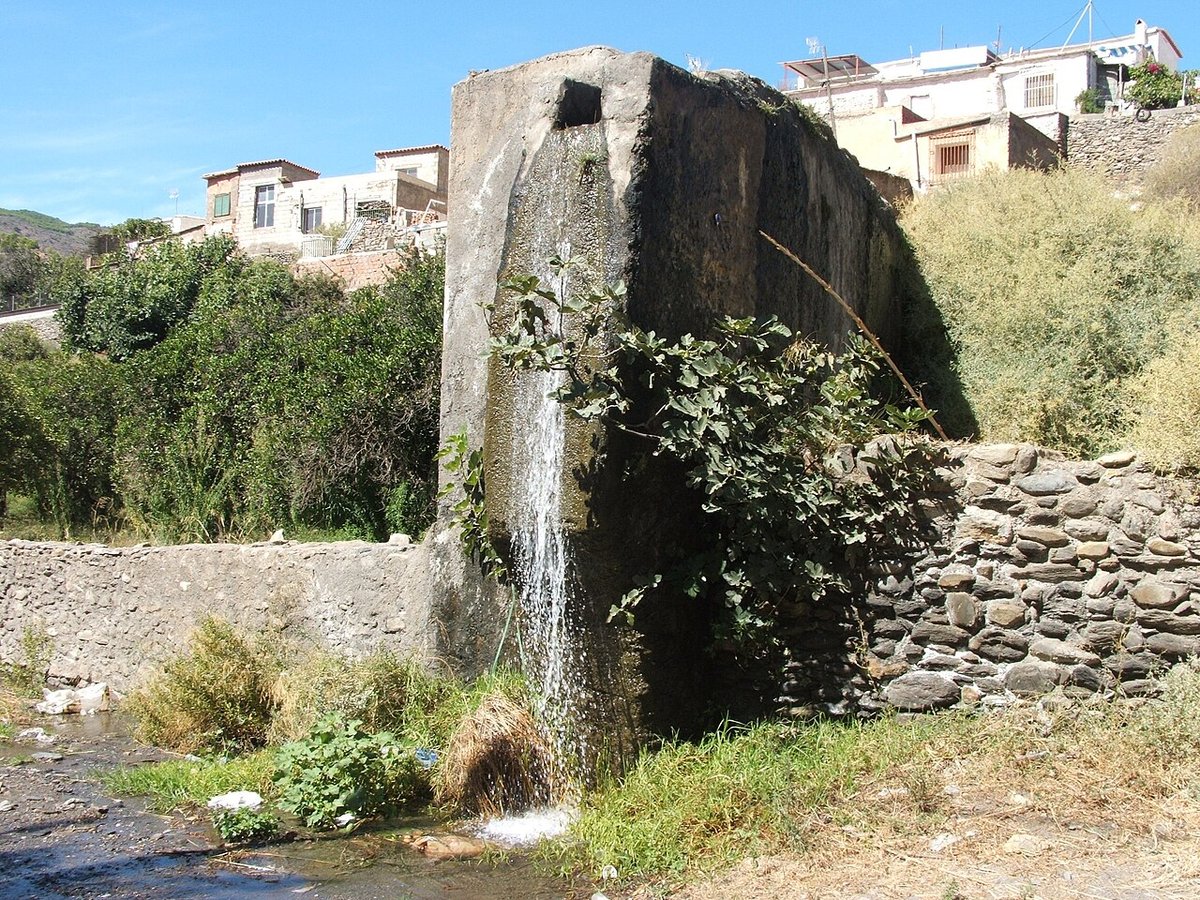
It is an easy place to wander without a plan for a while. The centre is small and within half an hour most streets have been covered, yet small details keep appearing: an old irrigation channel, a dark wooden door, a cat asleep on a wall warmed by the sun.
The landscape of the Filabres
Beyond the village, the terrain changes quickly. The hillsides fill with scree, scattered pines and agricultural terraces that in many cases are no longer cultivated. The dry-stone walls remain, holding the soil as if waiting for the next harvest.
Along the road that climbs towards the mountain pass, there are several points where it is worth pausing briefly, with care as the road is narrow. The view opens out over the valley and, on very clear days, the horizon stretches far into the distance. Closer at hand are dry ravines, isolated farmhouses known as cortijos, and paths winding across the hills.
It is a rugged landscape with muted colours: ochres, greys and the dark green of pines. Towards evening the light softens it, and long shadows begin to define each terrace.
Walking the old paths
One of the simplest ways to understand Velefique is to walk along the paths that leave the village. Some once linked cortijos or neighbouring hamlets in the sierra, and they can still be recognised by uneven cobbles or the stone walls that accompany them for part of the way.
Not all of these routes are signposted. Anyone planning to head further from the centre would be wise to carry a map or a downloaded track. The terrain includes some steep sections, and the sun becomes strong as the morning progresses.
In return, there is real quiet. The only sounds are wind moving through the pines and, occasionally, the distant clink of a bell.
When darkness falls
As night arrives, the village slips into near darkness. There are few lights, and the sky quickly fills with stars. A short walk towards the outskirts is enough to feel how completely the dark settles: the outline of the sierra, the murmur of the wind, and a sense of space that is rarely found in cities.
In summer, the air cools quickly once the sun has gone. Even on warm nights, a light layer is useful if staying outside for a while.
Food in the sierra
Cooking here remains straightforward and filling. Migas, a traditional dish based on fried breadcrumbs, appear in the colder months, alongside slow-cooked stews and meals shaped by what the season provides. In summer, lighter preparations are more common, and in many homes simple sweets are still made to accompany coffee.
Presentation is not the focus. The emphasis is on spoon dishes, bread and olive oil.
When to come and what to expect
Spring and autumn tend to be the most comfortable times for walking in the area, with milder temperatures and clear light across the sierra. In summer, the sun is strong during the day, although the altitude brings cooler nights. Winter can bring a sharp wind, especially along more exposed streets.
Comfortable footwear is useful for getting around the village. Slopes are constant, and some streets have uneven sections. Parking also requires patience, as the centre is small and many streets are too narrow to leave a car.
Velefique moves at its own speed. The best approach is to follow it: walk slowly, spend time in the square, and allow the quiet of the Sierra de los Filabres to do the rest.