Full Article
about Almargen
Agricultural municipality on the plain with major archaeological finds that reveal its historic role as a crossroads.
Hide article Read full article
Almargen, en el campo de Málaga
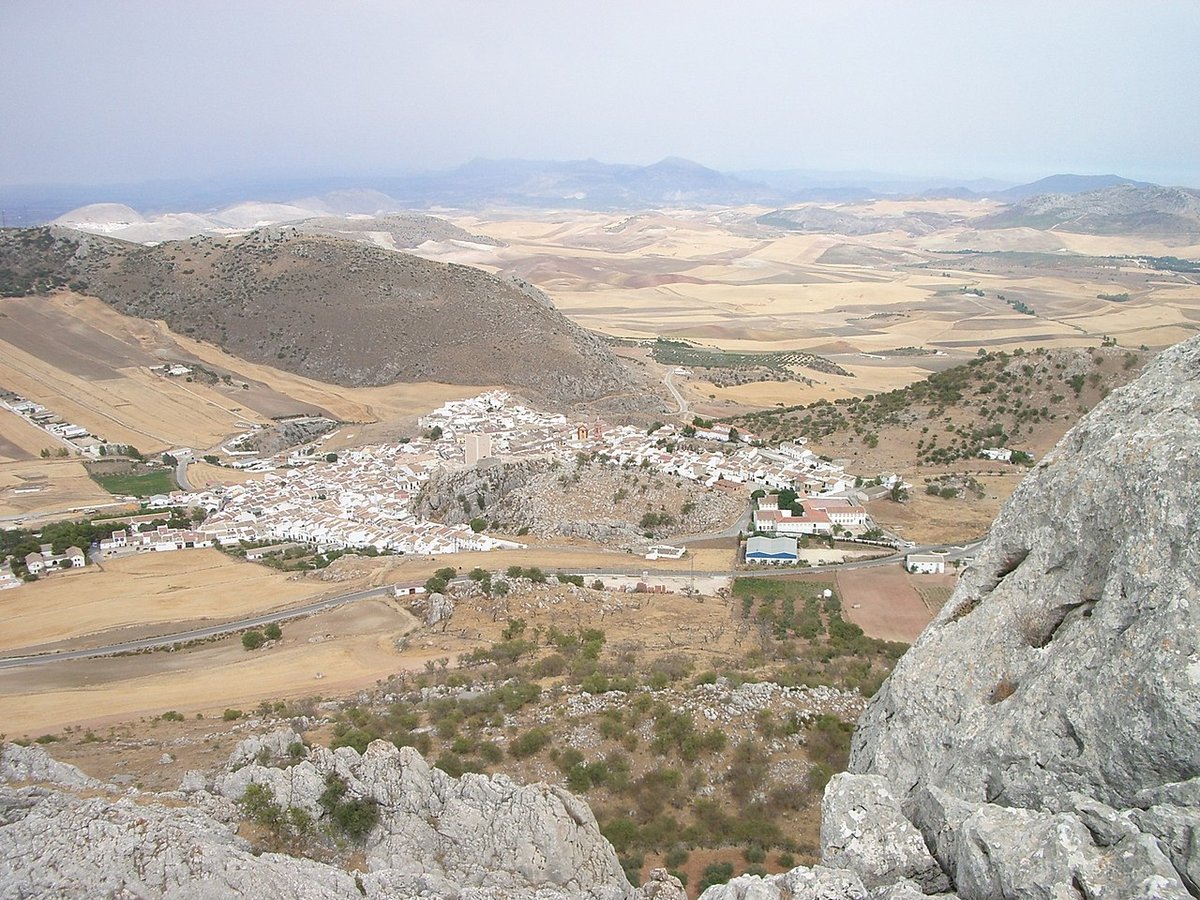
Almargen se encuentra en la comarca de Guadalteba, al noroeste de la provincia de Málaga. Su paisaje es el de la campiña: un terreno abierto y ondulado donde se alternan el olivar y los campos de cereal. Con menos de dos mil habitantes, el ritmo aquí lo marcan los ciclos agrícolas. No es un destino turístico al uso, sino un pueblo que funciona como tal, con sus calles tranquilas y su huerta casi rozando las últimas casas.
Un trazado sin pretensiones
El núcleo del pueblo se ordena en torno a la iglesia parroquial de la Inmaculada Concepción. El edificio actual es de los siglos XVI-XVII, con reformas posteriores, como es habitual en los templos que han estado en uso continuado. Su interior es sobrio.
A su alrededor se extiende una trama de calles con casas encaladas, de una o dos plantas. Muchas conservan rejas de hierro forjado y, en su interior, patios que sirven más para ventilar en verano que para decorar. El crecimiento ha sido orgánico, sin planificación previa, lo que se nota en la irregularidad de las manzanas y en las cuestas suaves. La vida diaria se concentra en la plaza principal y sus alrededores.
El campo empieza donde acaba el asfalto
Los límites entre el pueblo y el campo son difusos. Basta caminar cinco minutos por cualquiera de los caminos que salen del casco urbano para encontrarse entre olivos. No hay miradores señalizados; las vistas amplias de la campiña y las sierras lejanas son el paisaje habitual.
En las afueras, siguiendo uno de estos caminos rurales, se llega a una pequeña ermita vinculada a las romerías locales. El paseo hasta ella se hace a pie por una pista de tierra, la misma que usan los agricultores para llegar a sus parcelas.
Paseos por la campiña
La red de caminos y veredas que rodea Almargen es apta para caminar o ir en bicicleta. No hay grandes desniveles. Estos recorridos no están señalizados como rutas de senderismo; son vías de servicio para las fincas, por lo que conviene ser respetuoso y no entorpecer el trabajo del campo.
A primera hora de la mañana o al atardecer es cuando se ve más actividad faunística, con aves propias de este ecosistema agrícola y de matorral mediterráneo. Para la fotografía, el interés está en los detalles: la geometría de una plantación de olivos, la textura de la tierra labrada, el contorno blanco del pueblo recortado sobre el campo.
Calendario local
El ciclo festivo sigue el patrón común de los pueblos de la zona. La feria suele celebrarse en agosto, coincidiendo con el regreso de muchos vecinos que viven fuera. Los actos en honor a la Inmaculada Concepción, patrona del pueblo, tienen lugar a principios de diciembre e incluyen tanto oficios religiosos como encuentros vecinales. La Semana Santa mantiene aquí su carácter comunitario, con procesiones que recorren las calles principales.
Cómo llegar y época para visitar
Almargen está a aproximadamente una hora en coche desde la ciudad de Málaga. La ruta más directa suele ser por la A-357 en dirección a Campillos, tomando después las carreteras comarcales que se adentran en la Guadalteba.
Las estaciones intermedias —primavera y otoño— son las más cómodas para pasear por el entorno. El verano puede ser muy caluroso durante las horas centrales del día, aunque por la noche refresca. La oferta de alojamiento en el pueblo se reduce a unas pocas casas rurales y hospedajes familiares, acordes con el carácter tranquilo del lugar.