Full Article
about Sierra de Yeguas
Bordering Seville, known for its Roman baths and farming on the plain.
Hide article Read full article
A village set between light and land
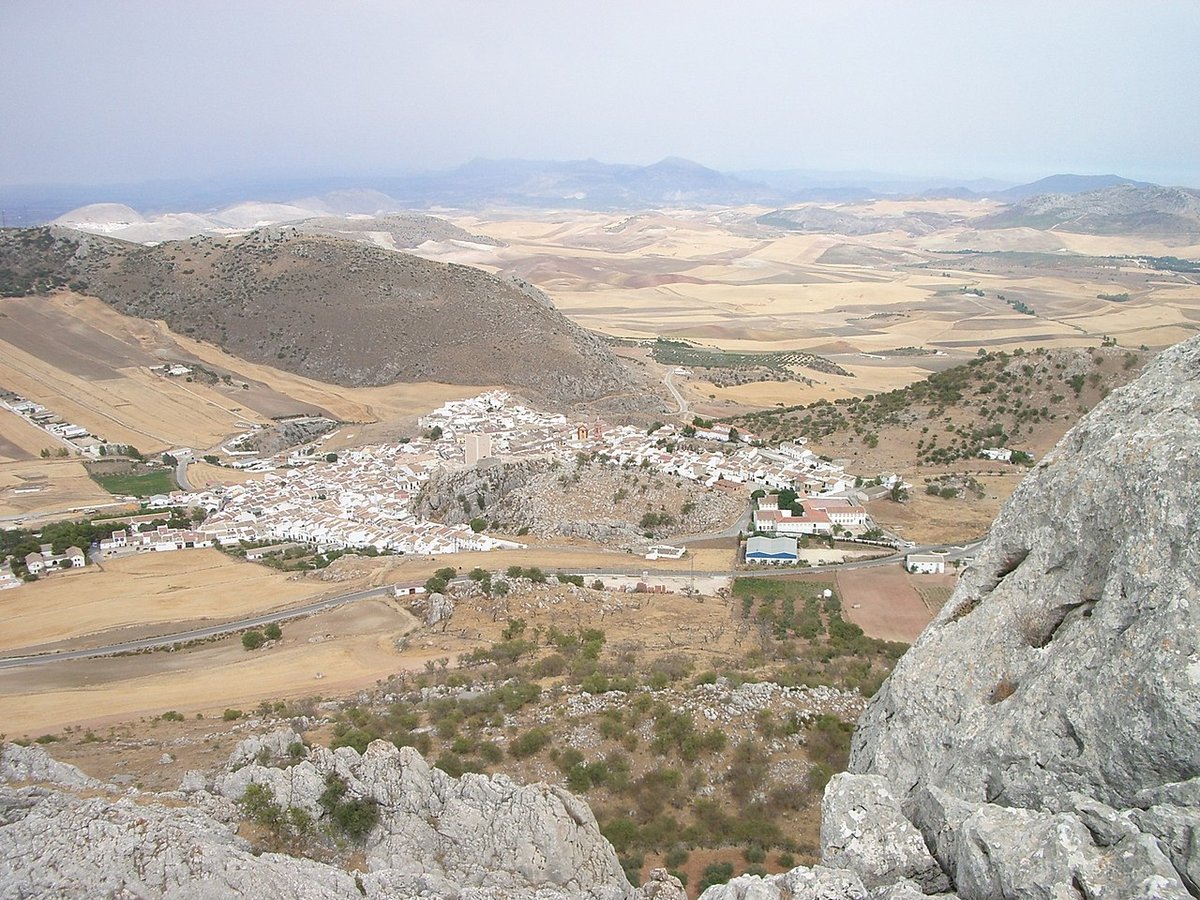
By late afternoon, the light turns the wheat fields gold and the low sierra seems to hover above the plain. Approaching from Antequera, Sierra de Yeguas appears like a small cluster of white houses anchored in open country. The air often carries the scent of thyme and warm earth, and the pace of life feels unhurried.
There is a stillness to the place that shows itself in small, everyday scenes. People move without haste, conversations drift, and the rhythm of the day seems guided more by habit than by the clock. It is a setting shaped as much by its landscape as by the quiet routines of those who live there.
A name rooted in pasture
The name Sierra de Yeguas is not decorative. It comes from work and land use. When the area was organised under the lordship of Estepa in the 16th century, these fields were primarily used for grazing. Mares once roamed where olive groves and cereal plots now stretch across the countryside.
Traces of much older settlements have surfaced in the surrounding area. Roman remains have been reported, particularly near Haza de Estepa, where fragments sometimes emerge when the soil is turned deeply. Pieces of roof tile, sections of mosaic and stones that stand out from the rest hint at earlier lives lived here, though nothing is presented as a finished site.
Animals still form part of daily life in a calm, unremarkable way. Dogs wander across the streets without urgency, and drivers tend to wait rather than react. Older residents often watch from shaded doorways, observing with a patience that seems woven into the character of the place.
When the countryside reaches the table
Spring brings one of the most recognisable seasonal changes: the appearance of wild green asparagus, known locally as espárrago triguero. It grows along the edges of paths and among young olive trees. Around April, the village holds a fair dedicated to this product, and kitchens fill with freshly gathered bundles.
Preparation is simple and direct. The asparagus might be scrambled with eggs, folded into thin omelettes or lightly fried with oil and garlic. Another familiar dish is porra andaluza, served here with a notably thick consistency, closer to a dense cream than a chilled soup.
Migas also appear, made from day-old bread that is carefully crumbled and cooked, then served with whatever is available at home. It is a flexible dish, shaped by what the pantry offers rather than a fixed recipe.
If gazpacho is set on the table in a local home, the tomatoes have often ripened under strong sunlight, either on a rooftop or in a small family garden. That ripeness shows in a gentle sweetness that lingers after each spoonful.
Firelight and old customs
At the beginning of February, around the time of the Candelaria, parts of the village mark the season with bonfires. Old furniture, dry branches and anything no longer needed before spring are gathered and burned in small piles at street corners.
Smoke fills the air, carrying the scent of burning rosemary. As the flames settle into embers, children try their luck jumping over them, while adults stand back, watching and talking about the past year.
A local belief circulates, half in jest and half taken seriously: anyone who manages to jump over the embers three times without touching them will avoid warts for the rest of the year. It is the kind of story that moves easily from one person to another, becoming part of the shared memory of the night.
The quiet climb of the Sierra de los Caballos
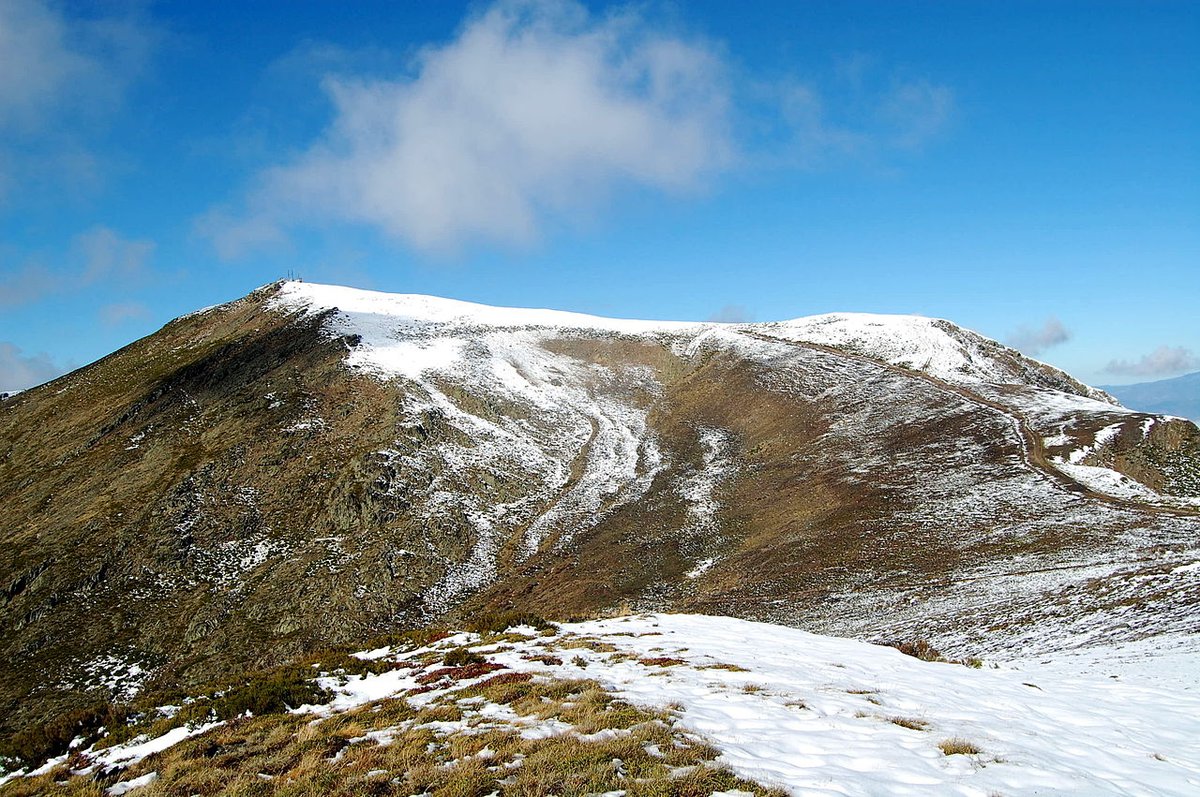
The Sierra de los Caballos rises to around seven hundred metres. It is not especially high, but it stands out because the surrounding land is largely flat, making its outline easy to recognise from a distance.
One of the paths leading up begins near the cemetery and winds through old olive trees with twisted trunks and grey bark. Partway up, there is a simple iron fountain. It is said that animals once drank there when the land was mainly used for grazing. The water is usually cool even in summer and carries a faint metallic taste.
At the top, the view opens suddenly. The countryside spreads out in an irregular patchwork of greens and browns, shaped by cereal fields, olive groves and fallow land. The village itself is visible below, with the church tower rising above the white rooftops.
When the wind picks up, it carries the scent of dry esparto grass and fig trees, reinforcing the sense of being surrounded by working land rather than a curated landscape.
Timing your visit
Spring tends to be the most comfortable season for walking in the area. The fields remain green and the mornings are mild, making it easier to explore the paths and open countryside.
August brings a different atmosphere. The village becomes busier as people return for a few days from the coast or nearby cities, and the streets feel more animated than usual. During this time, it is often more practical to leave the car at the edge of the village and continue on foot.
In July, the central hours of the day are best avoided if you plan to walk. Shade is limited and the sun falls directly across the plain, making conditions more demanding.
If you hear about a local romería, a traditional rural pilgrimage or celebration, it is worth preparing for uneven ground. The dirt tracks can change quickly after rain, shifting from dusty to muddy with little warning. Movement tends to follow individual rhythm rather than any fixed pace, and people simply make their way as they choose.