AcequiaJerez.jpg
Roquex · CC0
Andalucía · Passion & Soul

Albuñán

The church bell strikes noon and nobody hurries. A farmer leans against his battered Seat 600, chatting to the woman sweeping her front step three ...

422 inhabitants · INE 2025
1120m Altitude

Why Visit

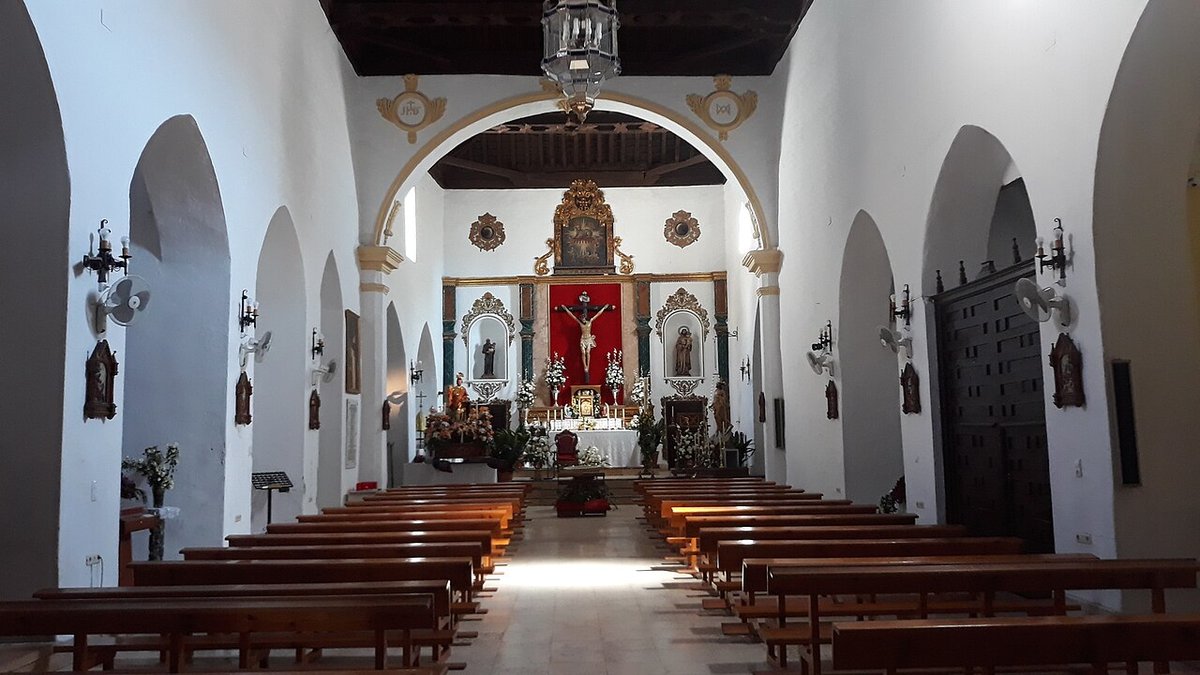
Mountain Church of the Annunciation Mountain hiking

Best Time to Visit

summer

San Francisco de Asís festivities (October) Febrero y Octubre

Things to See & Do
in Albuñán

Heritage

  • Church of the Annunciation
  • Town Fountain

Activities

  • Mountain hiking
  • Mushroom picking

Full Article
about Albuñán

Small mountain village on the north face of Sierra Nevada; it enjoys a privileged natural setting inside the Parque Natural.

Ocultar artículo Leer artículo completo

The church bell strikes noon and nobody hurries. A farmer leans against his battered Seat 600, chatting to the woman sweeping her front step three doors down. They're discussing whether today's the day to start the almond harvest. At 1,120 metres above sea level, Albuñán's almonds ripen later than those in the valley, and the whole village keeps an eye on the same trees.

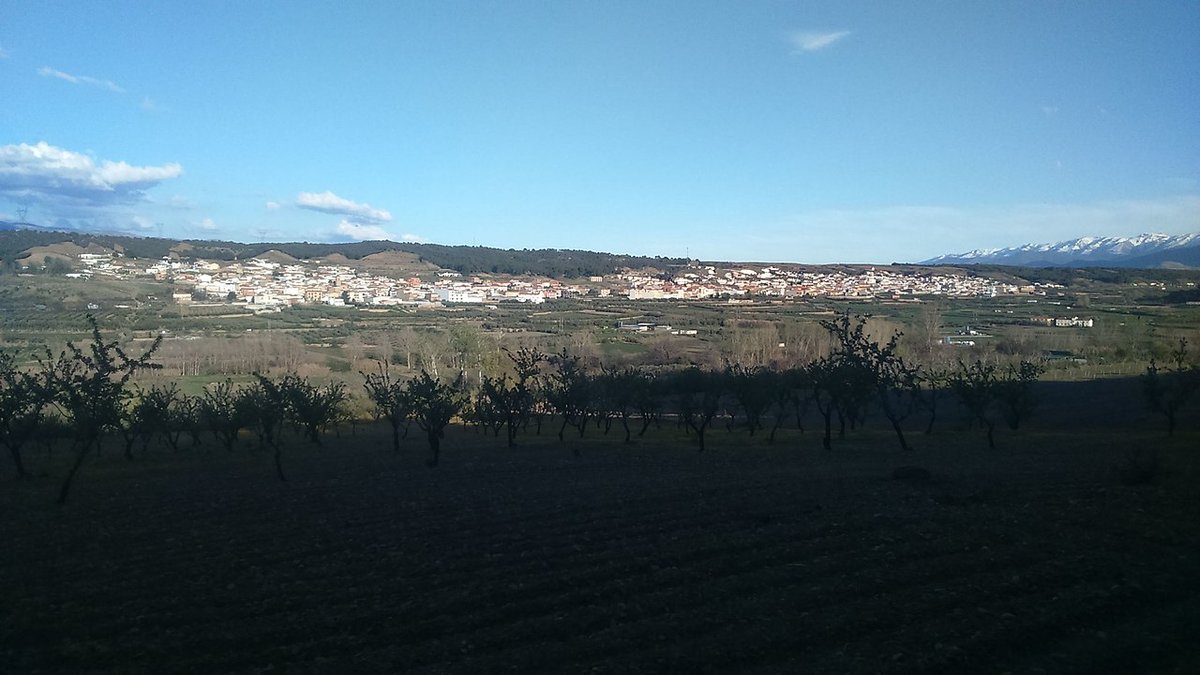
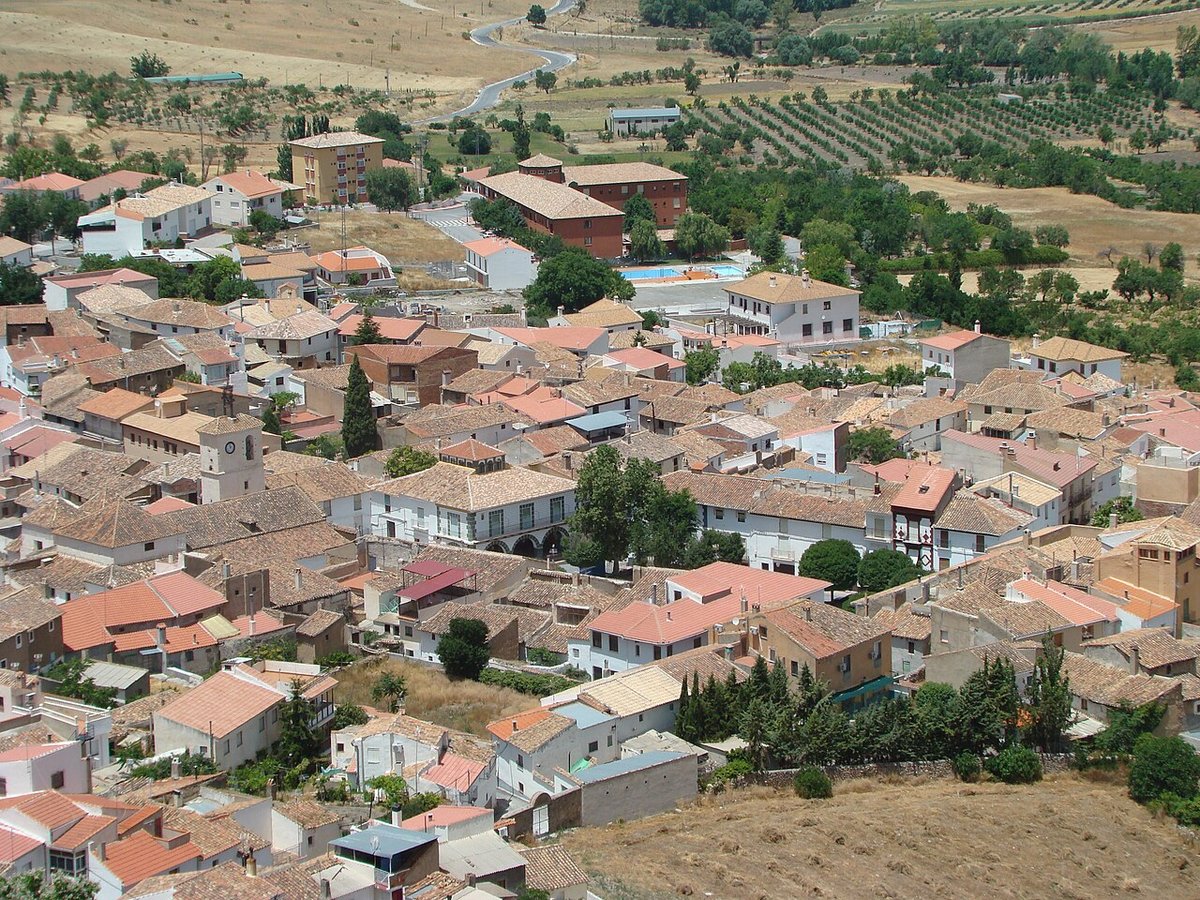
This mountain hamlet of 419 souls sits on a shelf of land that drops away towards Guadix's badlands. The white houses seem to have sprouted from the bedrock, their Arabic-tiled roofs following the slope like a staircase. It's the sort of place where directions involve "turn left at María's house" and everyone knows which María you mean.

The View from the Top

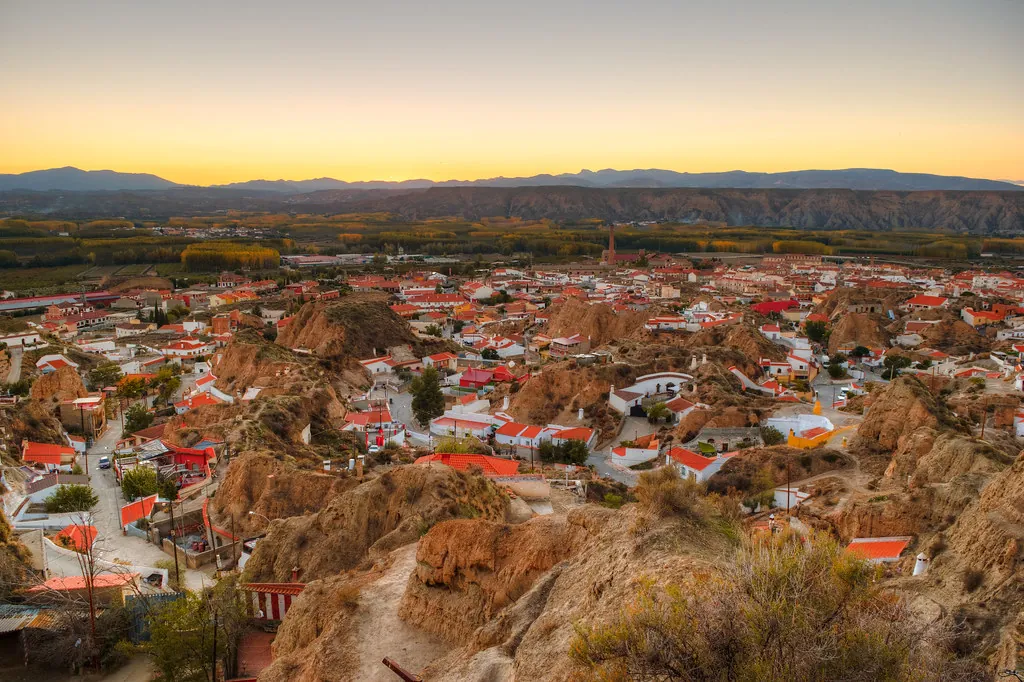
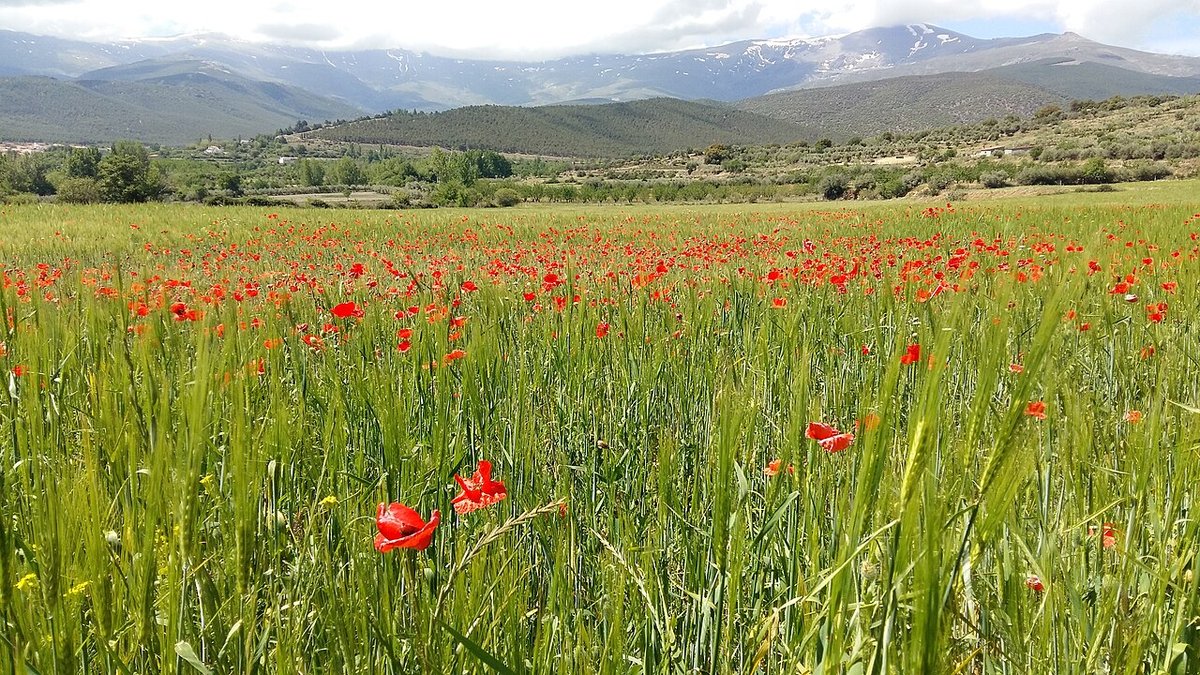
From almost any street, you'll see two worlds colliding. Southwards, the ochre gullies and ravines of Spain's most erosion-scarred landscape stretch towards the horizon. Turn north and you're staring at snow-capped peaks that stay white well into May. This contrast – desert and sierra within the same eyeful – defines life here.

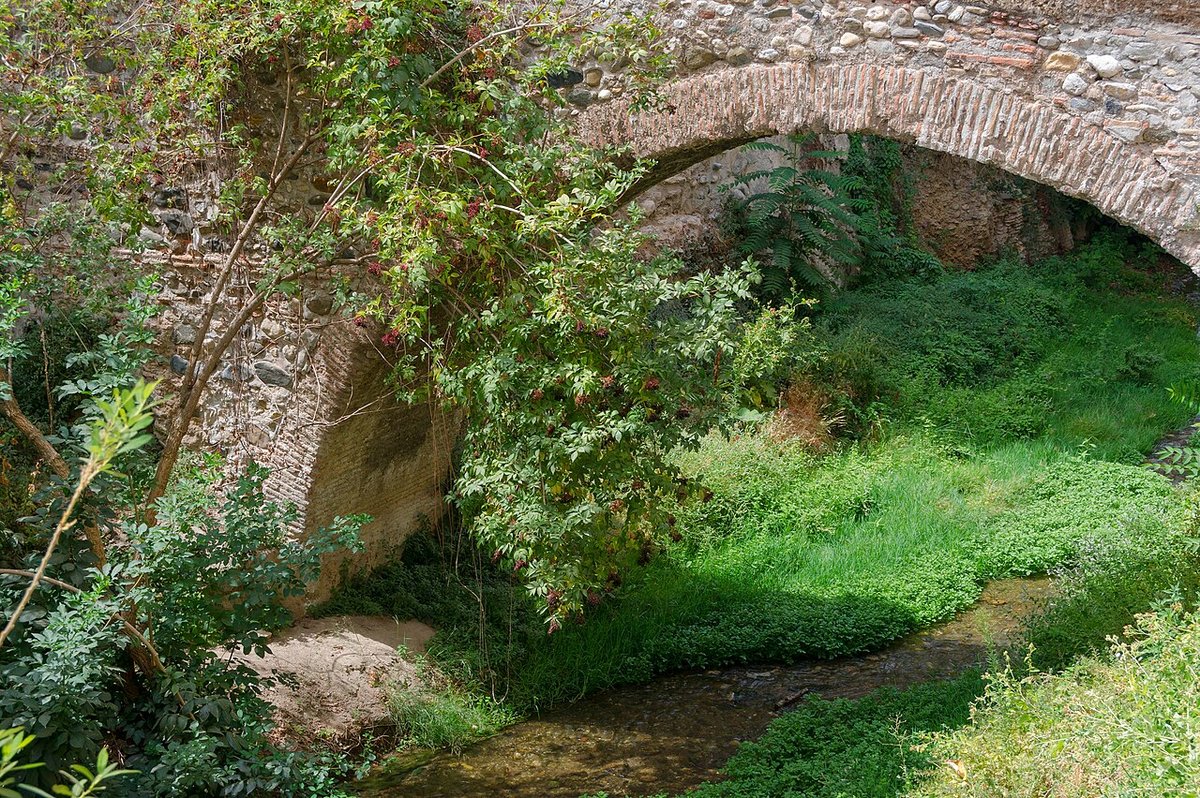
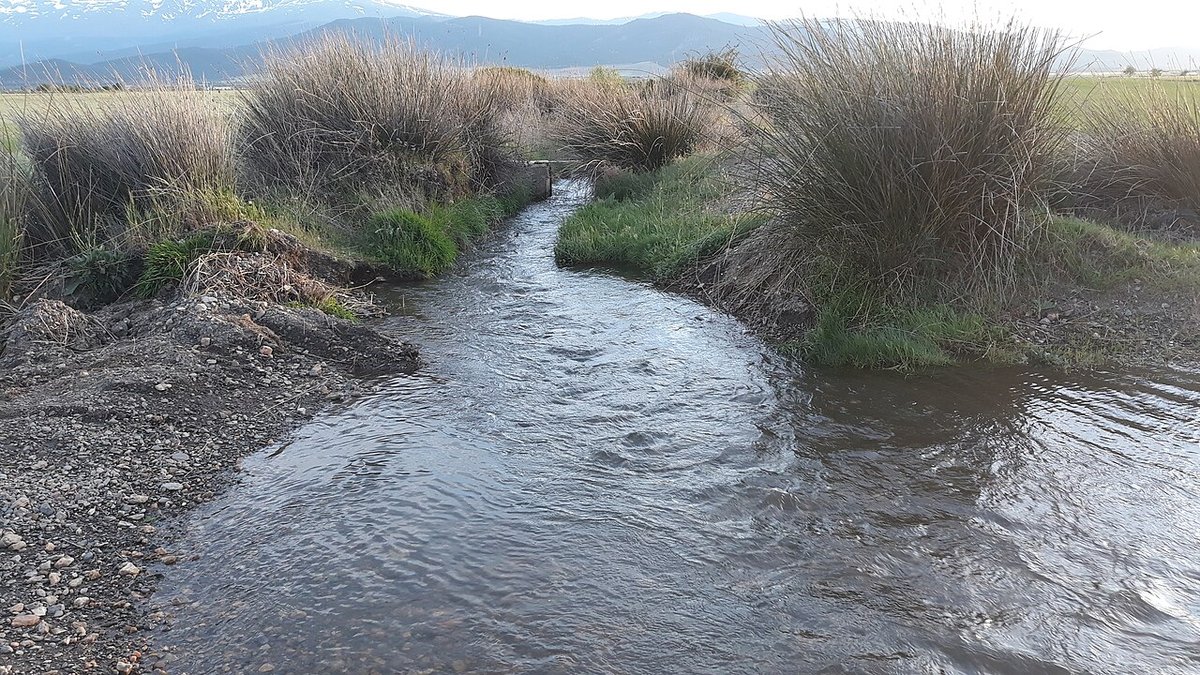
The village grew up where the Sierra Nevada foothills flatten enough for almond terraces. Dry-stone walls hold back thin soil that somehow feeds trees older than any resident. These aren't picture-perfect orchards but working farmland. You'll see irrigation channels carved during Moorish times, still directing precious water to exactly where it's needed.

Walking the lanes means navigating gradients that would give a mountain goat pause. The main street climbs at perhaps 1 in 4, paved now but following the same route as the mule track that served Albuñán for centuries. Houses butt against each other for warmth in winter, their walls thick enough to keep interiors cool during July's 35-degree days.

What Passes for Sights

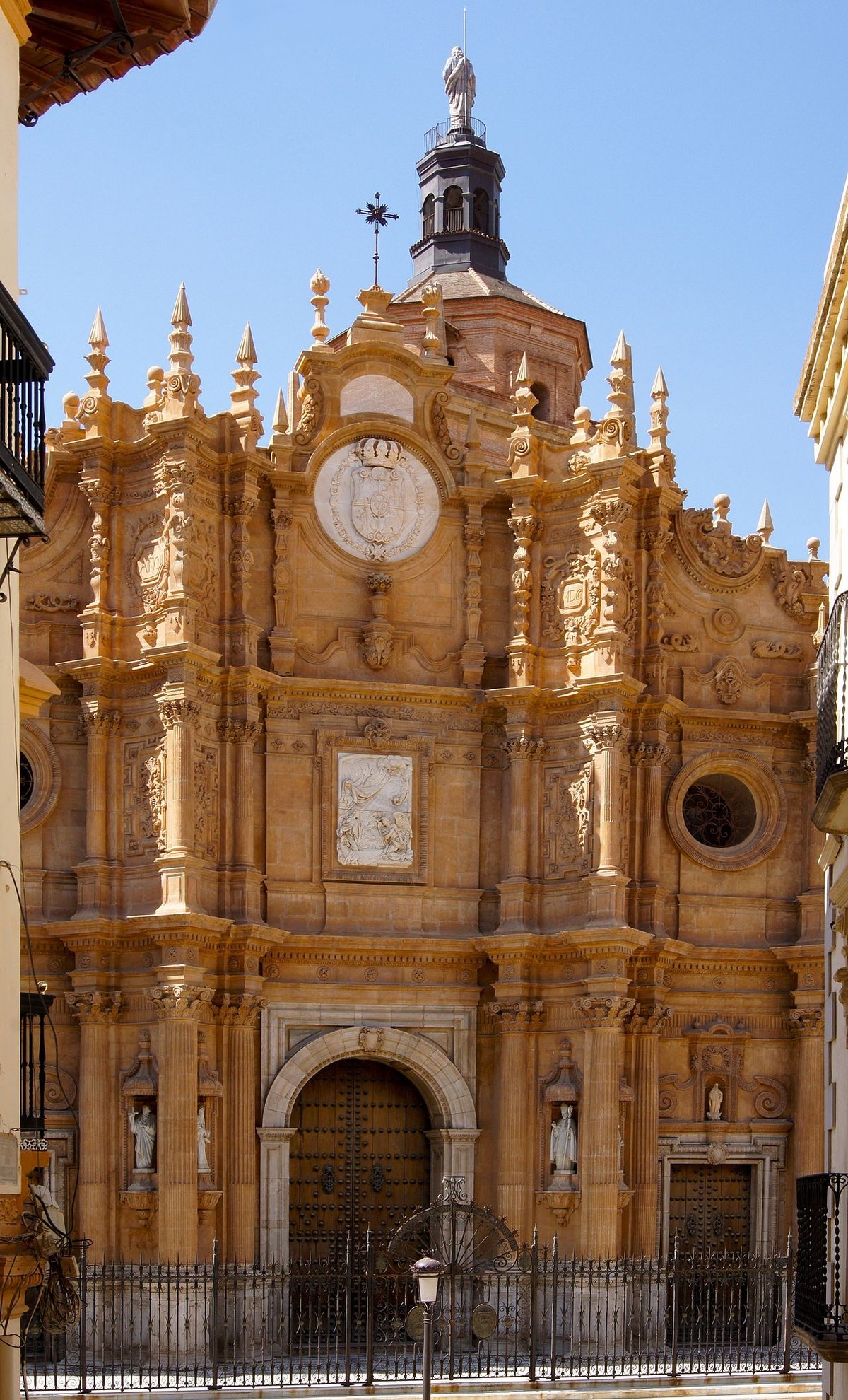
San José church dominates the tiny plaza, its modest bell tower the tallest thing for miles. Built in the 18th century using local stone, it's neither grand nor particularly ornate. Inside, the single nave holds painted panels of saints whose colours have faded to tasteful watercolours. The real treasure sits outside: the church door frames a view across the valley that's better than any stained-glass window.

Downhill from the plaza, an ancient washing trough still channels spring water through three stone basins. Until the 1980s, women did the family laundry here, social news travelling faster than soap suds. Now it's where hikers refill water bottles and locals rinse dusty vegetables. The water tastes of minerals and mountain snow.

The cemetery occupies a ridge just outside the village proper. Graves face south-east, towards the morning sun and away from the worst weather. On All Saints' Day, families climb the rough track to place fresh flowers and picnic beside their dead. It's not morbid but practical – the departed get the best views in Albuñán.

Walking the Old Ways

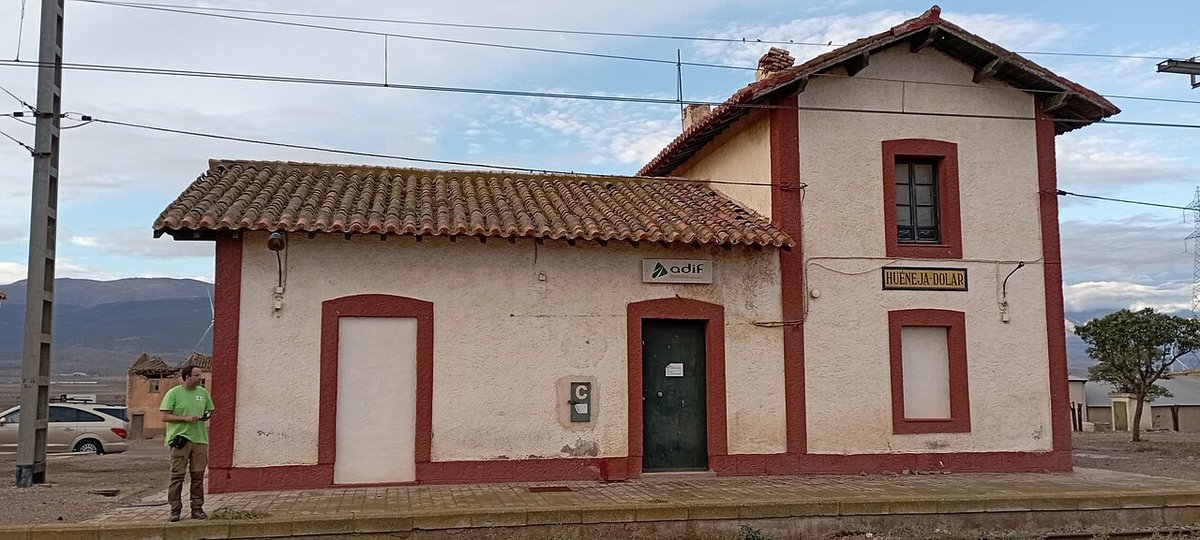
Three signed footpaths start from the village, though "signed" might be optimistic. Yellow arrows painted on rocks mark the PR-A 351, a 12-kilometre loop dropping to the Guadix railway line before climbing back through pine scrub. Allow four hours and carry more water than you think necessary – there's none en route.

The track towards Marchal, a deserted hamlet two kilometres north, makes a gentler stroll. You'll pass threshing circles carved into flat rock outcrops where whole families once separated grain from chaff. The wind still blows reliably here; it's said Marchal failed because the location was simply too exposed for 20th-century comfort.

Serious walkers can tackle the full-day haul to the Puerto de la Mora, a 1,820-metre pass into the Sierra Nevada proper. The route follows an old smugglers' path used during Spain's tobacco shortages. These days you're more likely to meet Griffon vultures than contrabandistas, though both share the same talent for riding thermals.

Eating Like You Mean It

Albuñán's culinary offerings won't trouble the Michelin inspectors, but they satisfy mountain appetites. Bar Venta El Puente, on the main road where it enters the village, serves coffee from 7 am to truckers and farmers. Their migas – fried breadcrumbs with garlic and chorizo – arrives as a mountain big enough for two. €8 covers breakfast and lunch.

The weekend asador fires up wood ovens for roasting kid goat. Order a quarter-kilo portion; it comes with chips and a simple salad for €14. Locals eat at 3 pm sharp, so arrive earlier or much later if you prefer quiet contemplation to animated discussion about almond prices.

For self-caterers, the tiny shop opens 9-11 am and 5-7 pm. Stock is random but reliable: local almonds by the kilo, vacuum-packed chorizo, and tomatoes that actually taste of something. Bread arrives daily from Guadix at 11:30 am sharp; by noon it's usually sold out.

When to Show Up

Spring brings almond blossom transforming terraces into clouds of white petals. Temperatures hover around 18 degrees in March, perfect for walking, though nights drop to single figures. This is when photographers appear, though most depart after sunset, leaving the village to residents and the occasional stargazer.

Summer means fierce sun and 30-degree heat by 11 am. The village empties as sensible folk siesta through the hottest hours. Evenings become social affairs; plastic chairs appear outside houses as temperatures drop to bearable levels. August fiestas see temporary bars set up in the plaza, with flamenco dancing that continues until the Guardia Civil arrive to enforce noise regulations.

Autumn harvest starts in late September, when mechanical shakers clamp around almond trunks and whole families collect fallen nuts into sacks. The air smells of almond oil and dust. It's the busiest time agriculturally, but visitors are welcome to watch – and occasionally help – provided they stay clear of machinery.

Winter brings snow perhaps twice, though the white stuff rarely settles below 900 metres. When it does, the village becomes temporarily isolated as the access road becomes a toboggan run. Locals stock up on firewood and cocido, a hearty chickpea stew that simmers for hours on wood stoves.

Getting There and Away

Granada's airport sits 65 kilometres west; Malaga's alternative adds another hour's drive. Hire cars are essential – public transport involves a bus to Guadix followed by a taxi that costs €35 each way. The final 12 kilometres twist through olive groves and suddenly you're climbing, the road narrowing as it switchbacks towards Albuñán's ridge.

Accommodation options remain limited. Casa Rural La Tejera offers three rooms in a restored village house at €60 per night, minimum two nights. Breakfast brings local honey and almonds served on the roof terrace with those dual-view vistas. Book directly; they're not on the usual websites and prefer phone calls to emails.

The village won't change your life. It might, however, remind you what Spanish villages were like before boutique hotels and craft gin. Bring walking boots, a decent map, and an appetite for almonds. Leave your expectations at the valley bottom – they're surplus to requirements up here.

Key Facts

Region
Andalucía
District
Guadix
INE Code
18005
Coast
No
Mountain
Yes
Season
summer

Livability & Services

Key data for living or remote work

2024
Connectivity5G available
TransportTrain nearby
HealthcareHospital 9 km away
EducationElementary school
Housing~5€/m² rent · Affordable
Sources: INE, CNMC, Ministry of Health, AEMET

Planning Your Visit?

Discover more villages in the Guadix.

View full region →

More villages in Guadix

Traveler Reviews