Full Article
about Aldeire
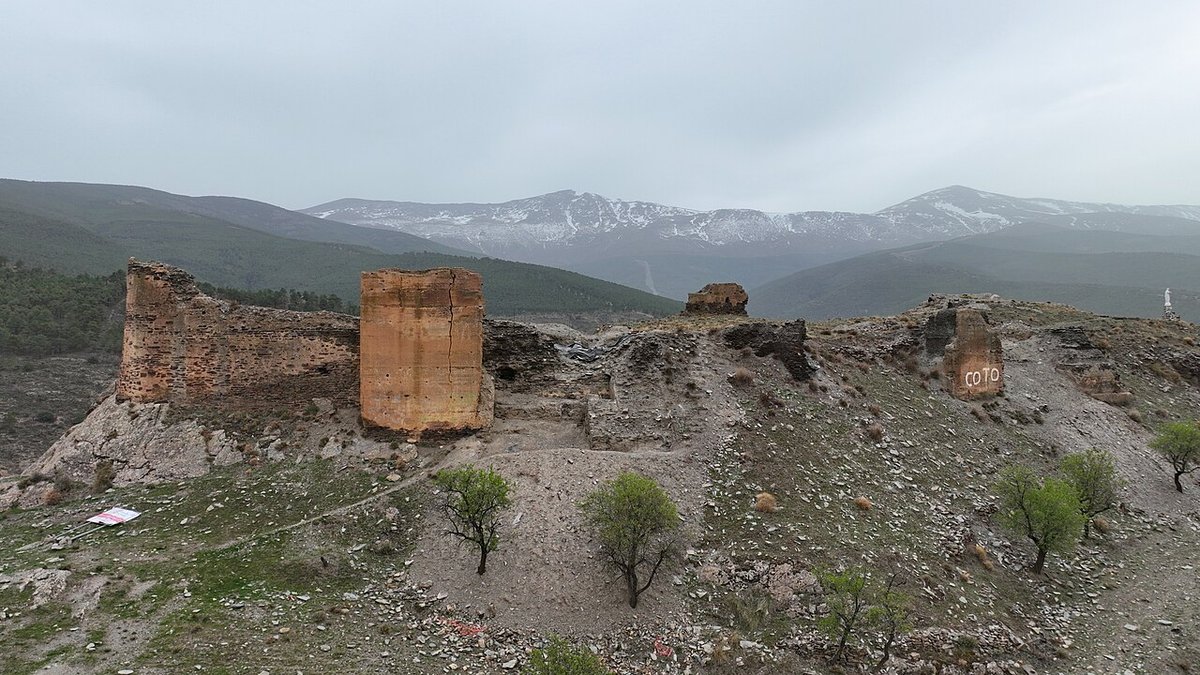
Mountain municipality rich in history; it holds the remains of Castillo de la Caba and gives direct access to Sierra Nevada peaks.
Hide article Read full article
Arriving and getting around
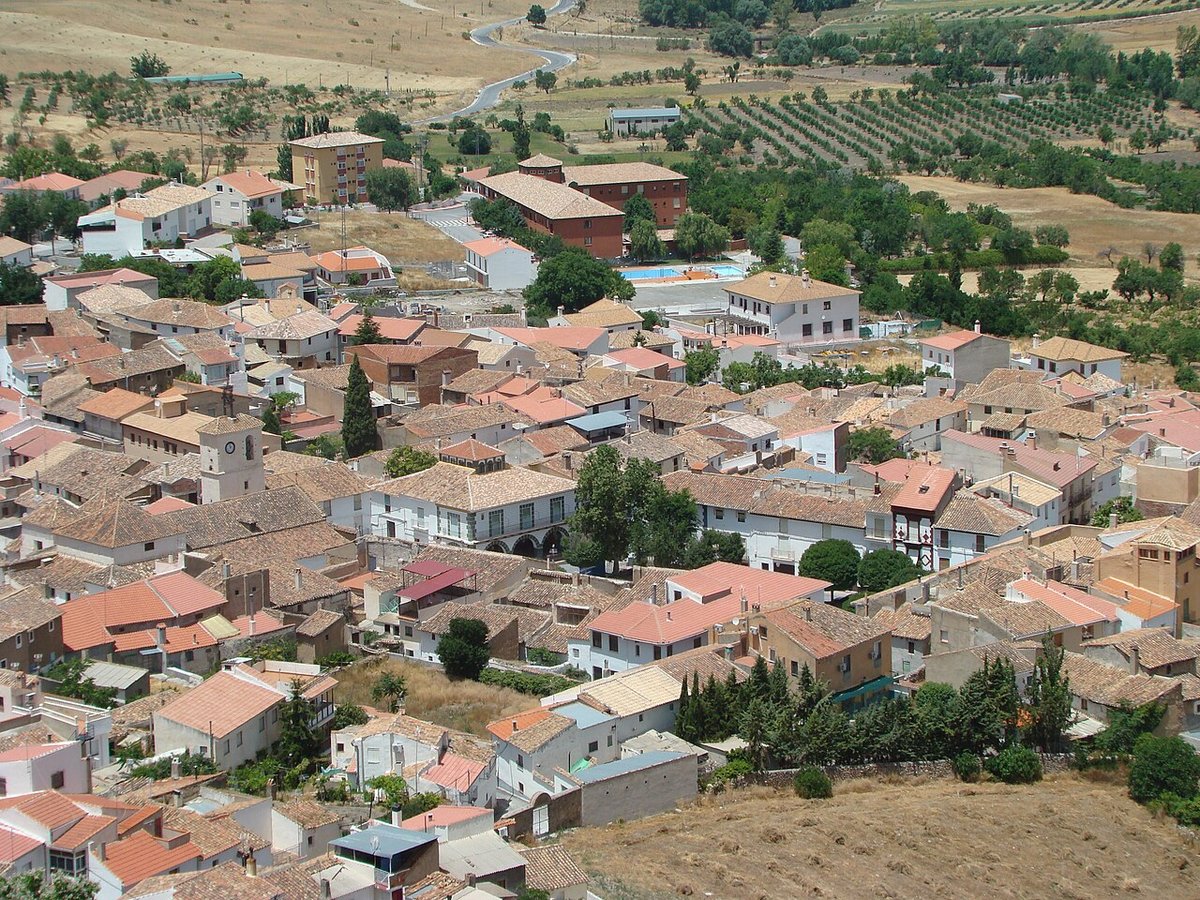
In Aldeire, the first thing to sort out is the car. Most people leave it along Calle General Queipo or on one of the streets leading into the centre. From there, everything is within easy walking distance. The village is small enough to explore without rushing, though the layout makes it feel more compact than it is.
The streets are narrow and steep, following the pattern seen across many villages in this part of Andalucía. Whitewashed houses sit close together, and now and then there is a glimpse of an interior courtyard that barely reveals itself from the outside. There are no wide avenues or large open squares. Movement is slow, and that is part of the rhythm here.
Summer changes the pace. Early arrival makes a noticeable difference, as by mid-morning the heat and the slopes make walking less comfortable. Comfortable shoes help, especially because some stretches of pavement are uneven and certain climbs are more demanding than they first appear.
A small centre with a clear focal point
The centre of Aldeire revolves around the Plaza Mayor, which acts as the village’s meeting point. At times there is a market or a local activity, though this is not guaranteed. It remains a simple, functional space rather than a grand square designed to impress.
Several streets branch out from here and climb towards the upper part of the village. The scale stays modest throughout. In less than an hour, it is possible to see the main areas without hurrying. This is not a place of major landmarks or busy attractions, and it does not try to be.
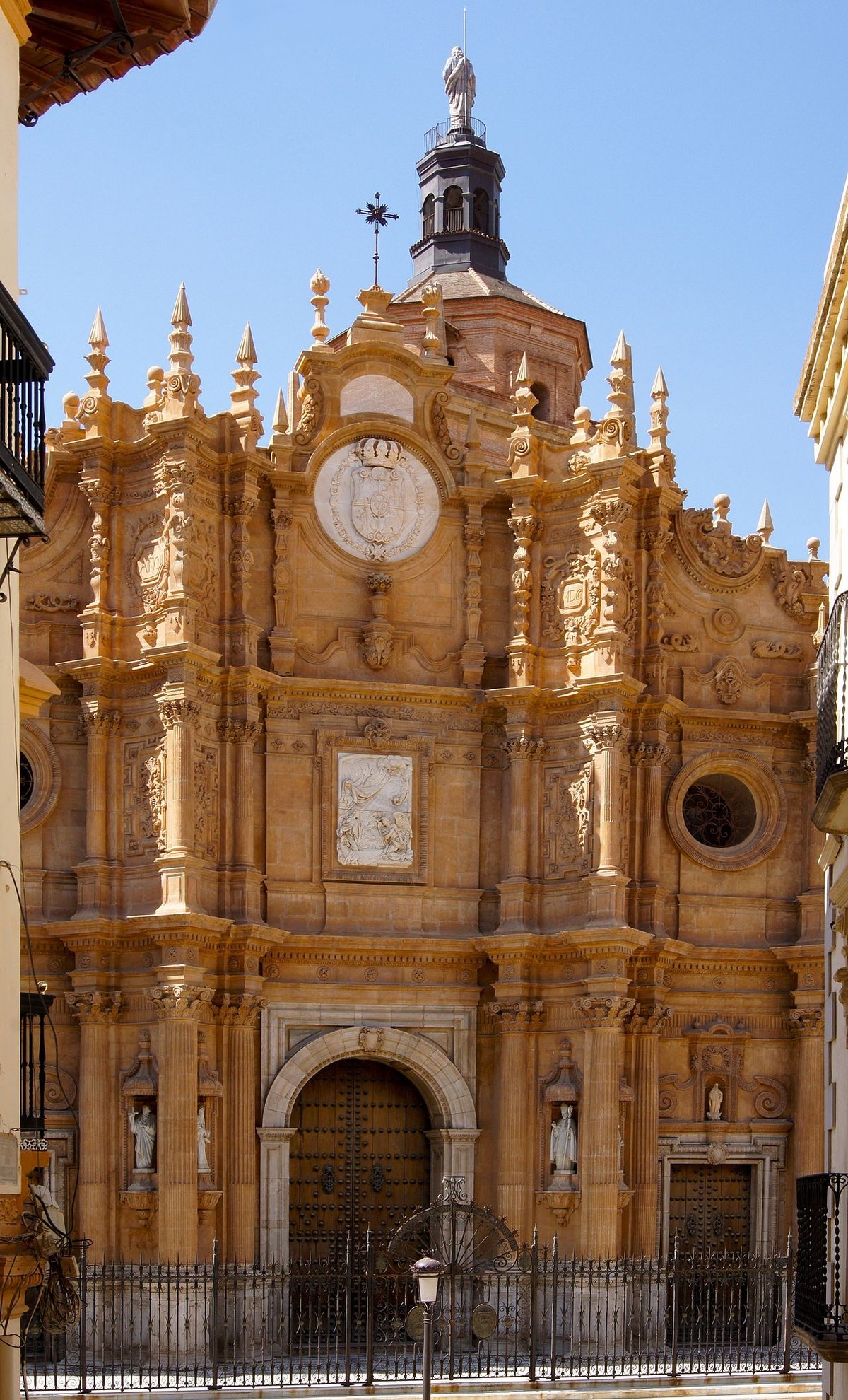
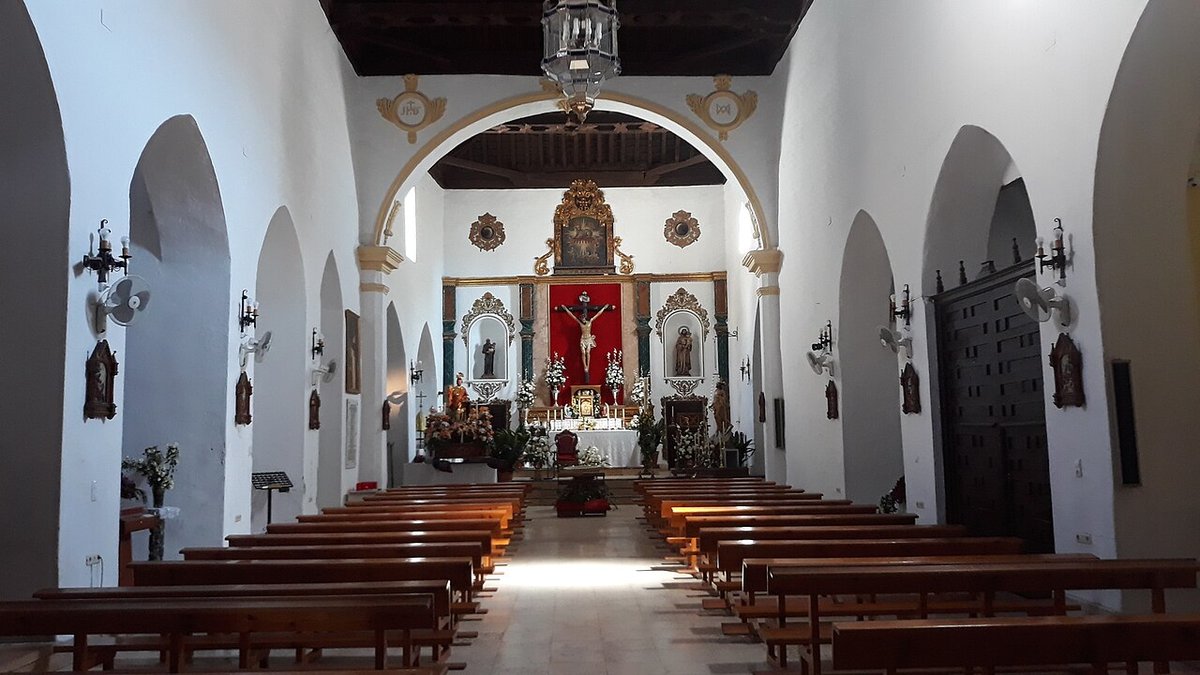
The most recognisable building is the Iglesia de Nuestra Señora de los Remedios. Its tower stands out and can be seen from different points around the village. The structure combines a Mudéjar base with later alterations, reflecting the layered architectural history typical of the region. Inside, a wooden coffered ceiling draws more attention than the rest of the interior.
Beyond the church, the streets continue in the same understated way. Low houses, white façades and very little traffic define the atmosphere. Aldeire works less as a place packed with sights and more as a setting to slow down and look outward.
Views towards Guadix and Sierra Nevada
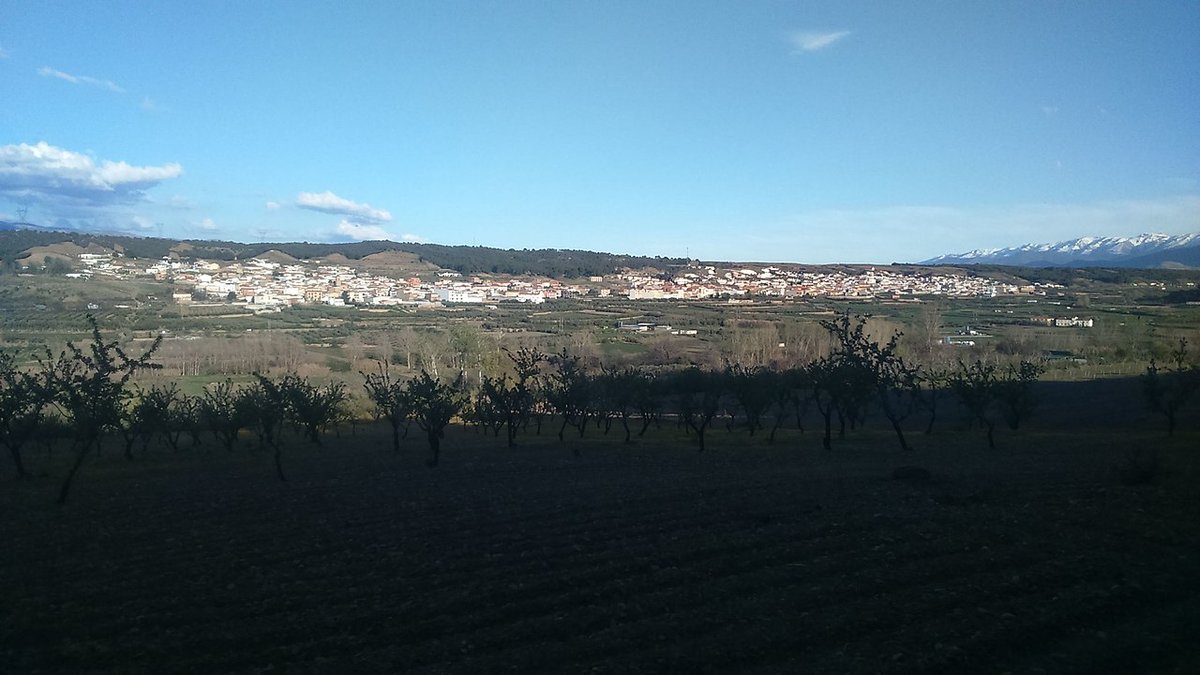
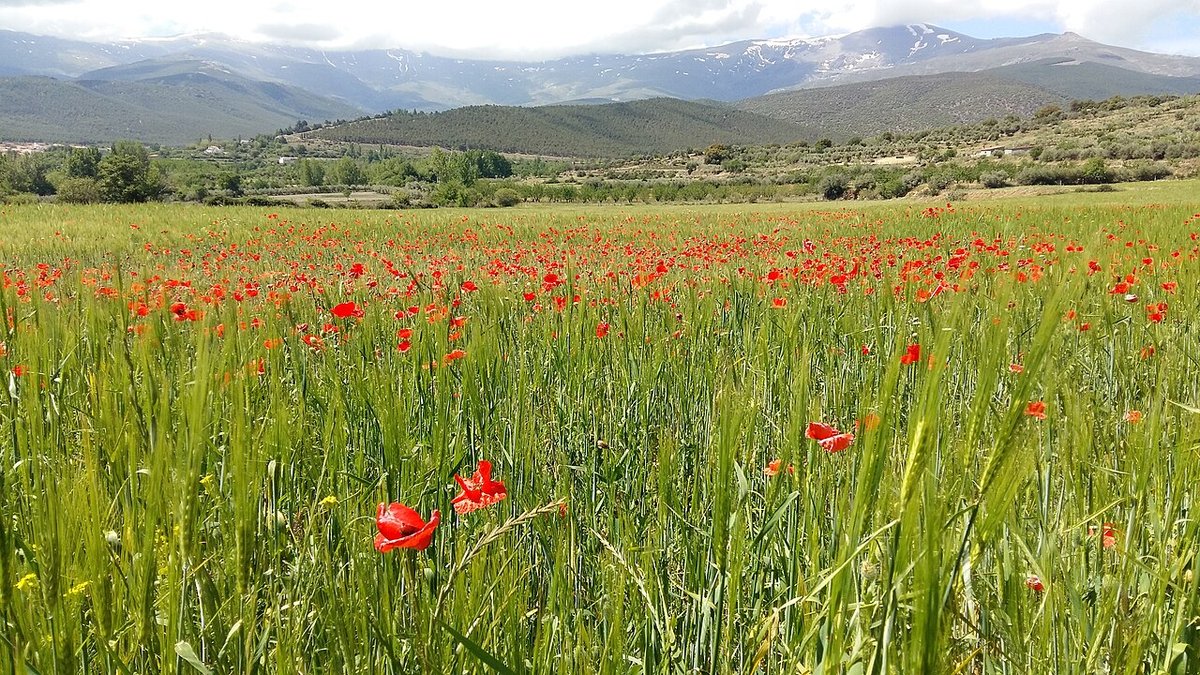
The upper part of the village offers several points where the landscape opens up. From here, the view stretches across the Guadix depression, a wide basin that contrasts with the tighter streets below. Behind it rises Sierra Nevada, forming a clear backdrop on bright days.
When visibility is good, the line of peaks stands out sharply. The transition between village, valley and mountains becomes easy to read from these higher spots. It gives context to Aldeire’s position in the landscape, somewhere between cultivated land and more rugged terrain.
These viewpoints do not require long walks. They are simply part of moving through the village, appearing at the end of a street or just beyond a cluster of houses. The effect is quiet rather than dramatic, but it stays with you.
Walking out into the sierra
The most interesting part of Aldeire lies beyond the built-up area. The surroundings invite walking, with paths that lead into hillsides and ravines not far from the village.
The landscape mixes Mediterranean scrub with scattered holm oaks and cultivated plots where almond trees grow. Near the río Gallego, several paths begin and head into the sierra. These routes are usually quiet, with little foot traffic.
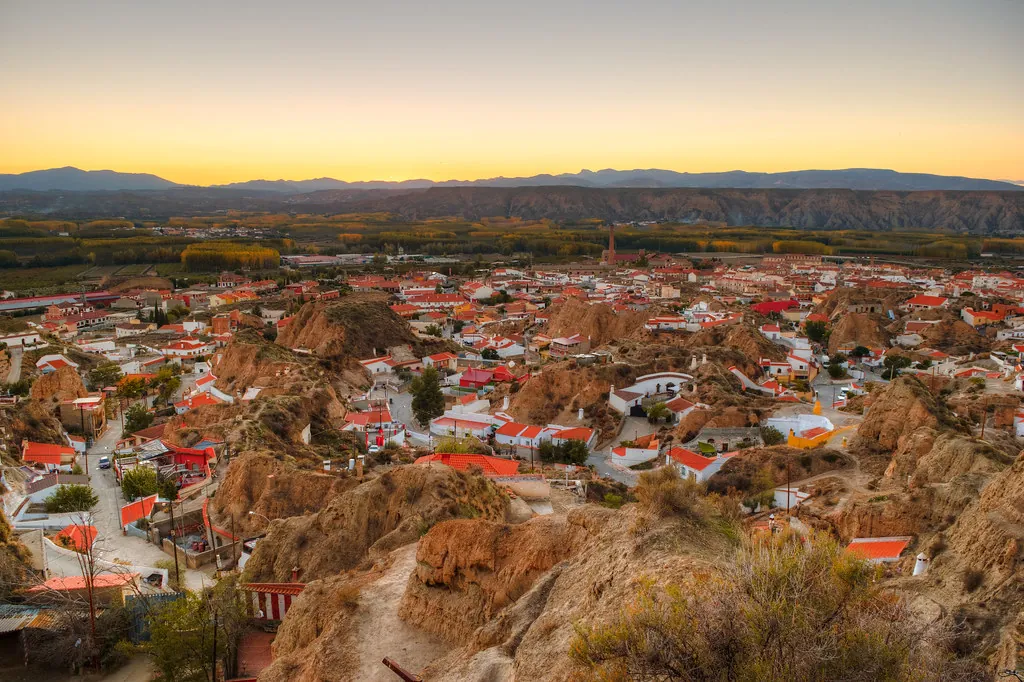
The terrain changes quickly. There are deeply eroded ravines where earth and limestone have formed irregular walls and sharp cuts. Some sections feel exposed, particularly in summer when the sun is strong and shade is limited. Preparation matters here. Water, a hat and solid footwear are basic requirements, as this is not a place to improvise routes without thought.
Walking slowly increases the chances of spotting wildlife. In higher areas, it is possible to see cabras montesas moving across the slopes. Occasionally, a large bird of prey circles above the valley, adding to the sense of space and distance.
The appeal of these walks lies in their simplicity. There are no crowds and little infrastructure, just a network of paths that connect the village to its surrounding terrain.
Festivities and seasons
The rhythm of Aldeire shifts at certain times of year. The main festivities take place in August, when the village becomes busier than usual. Processions move through the streets, music fills the centre, and people gather at night in shared spaces.
Towards the end of winter, the almond trees begin to blossom. In some years, a small celebration takes place around this moment. It is not a large event, but it noticeably changes the appearance of the surrounding countryside, adding colour to what is otherwise a muted landscape.
Winter itself can be cold. Snow sometimes reaches the area from Sierra Nevada, though not every year. On particularly cold days, ice can form on local roads, which affects movement in and out of the village.
Each season brings a slightly different version of Aldeire, though none of them turn it into a busy destination. The changes are subtle rather than transformative.
How long to spend
Aldeire does not demand a full day if the focus is only on the village itself. A short visit is enough to walk through the centre and see its main points.
It makes more sense as a quiet stop within the wider comarca of Guadix, or as a base for walking in the nearby sierra. The value of the place depends on what you are looking for. Those who enjoy walking and prefer calm surroundings will find it fits well. If not, a brief look around will likely be enough before moving on.