Full Article
about Alquife
A mining town through and through, set against a striking landscape of red earth; it’s home to Europe’s largest open-cast iron mines.
Hide article Read full article
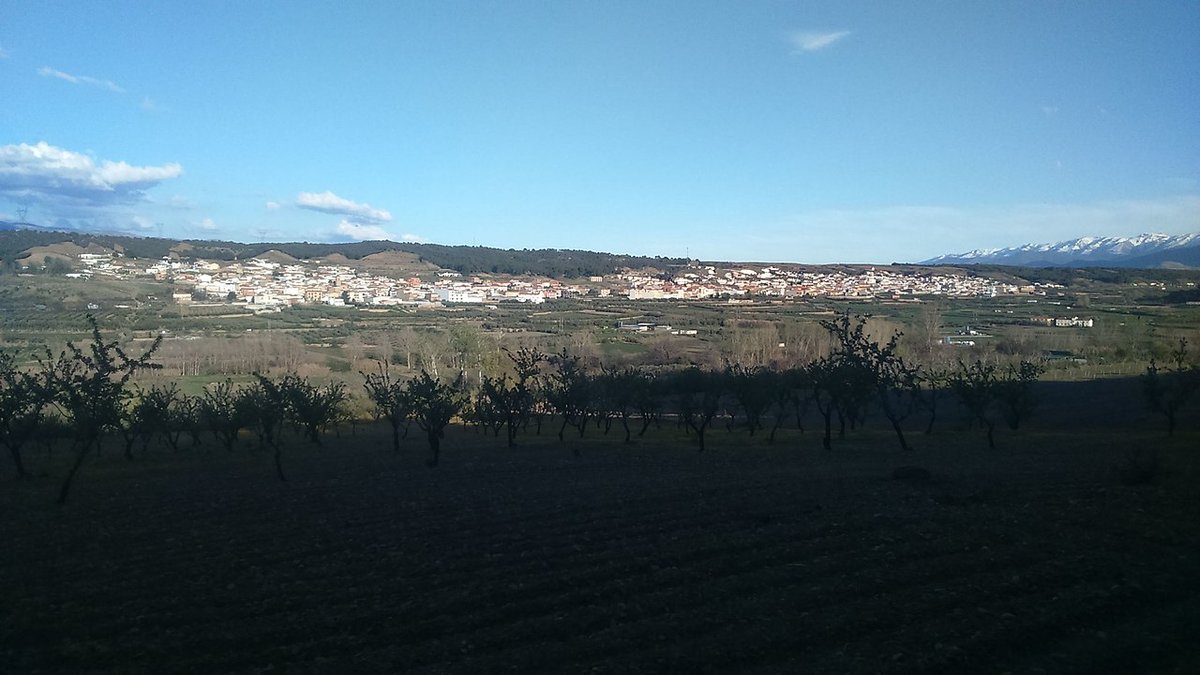
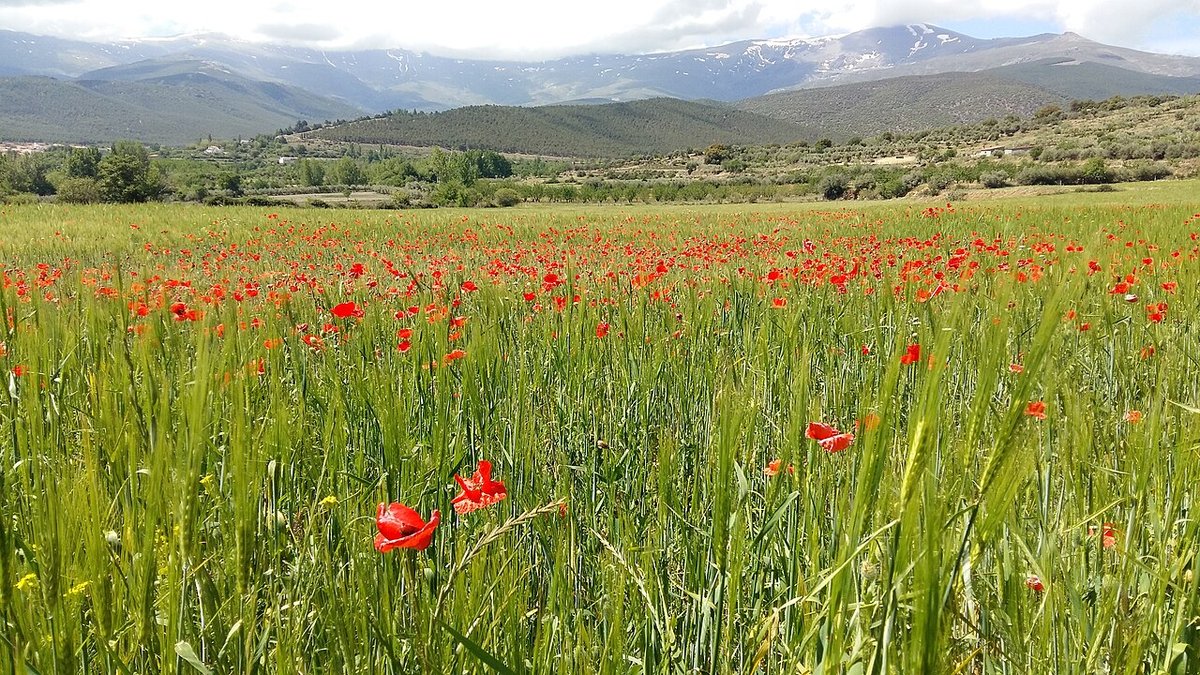
The red dust gets between your teeth. It is the first thing you notice when stepping out of the car in Alquife, even before looking around. Travel here begins with that colour, a deep red that clings to shoes, gathers along roadside edges and coats the slopes around the village. At around 1,200 metres above sea level, the air feels dry and thin, and on clear days the white line of Sierra Nevada appears to the south.
This is a place where the landscape speaks first. The tones of the earth are not background decoration but the main presence, marking everything from the outskirts to the centre. The contrast with the distant mountains adds to the sense of height and openness, especially when the light sharpens the horizon.
The lake that was never a lake
A few kilometres from the village centre, the former mining site suddenly opens into a vast hollow in the ground. From above, it looks like a dark lake set between reddish walls. When the sun stands high, the water turns an intense green, almost artificial, as if the mountain had left something of itself behind.
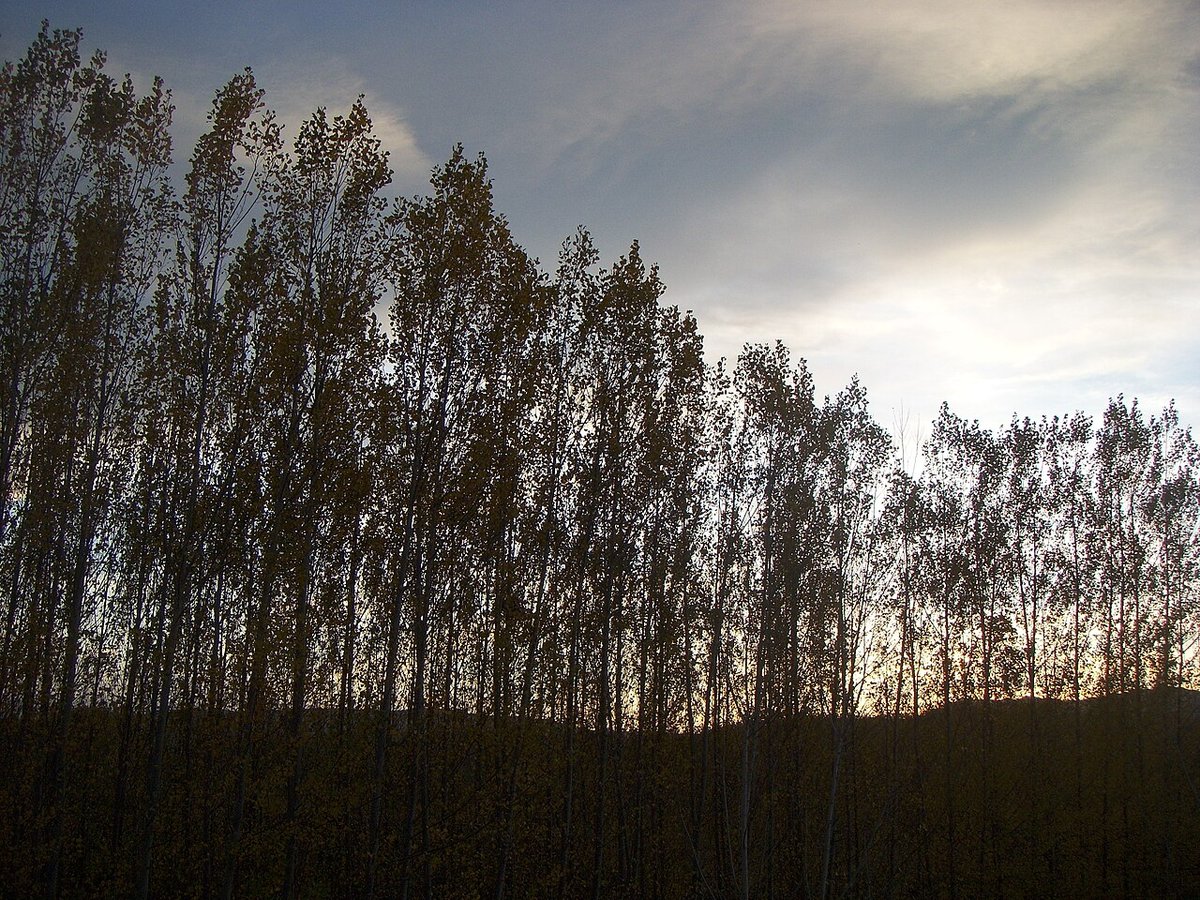
Poplars grow in the slightly wetter patches, their leaves moving with a soft rustle. The air carries a metallic scent, the kind iron gives off when heated by the sun. It is worth approaching with caution. Some stretches have no protection, and the ground is not always stable. This area belongs to the old mining zone, and access points are not always clearly marked.
In summer, early morning or late afternoon is the better option. At midday, heat reflects off the red earth and the air barely moves. The stillness can feel heavy, with the colour and light amplifying the sense of exposure.
Streets that lost their colour
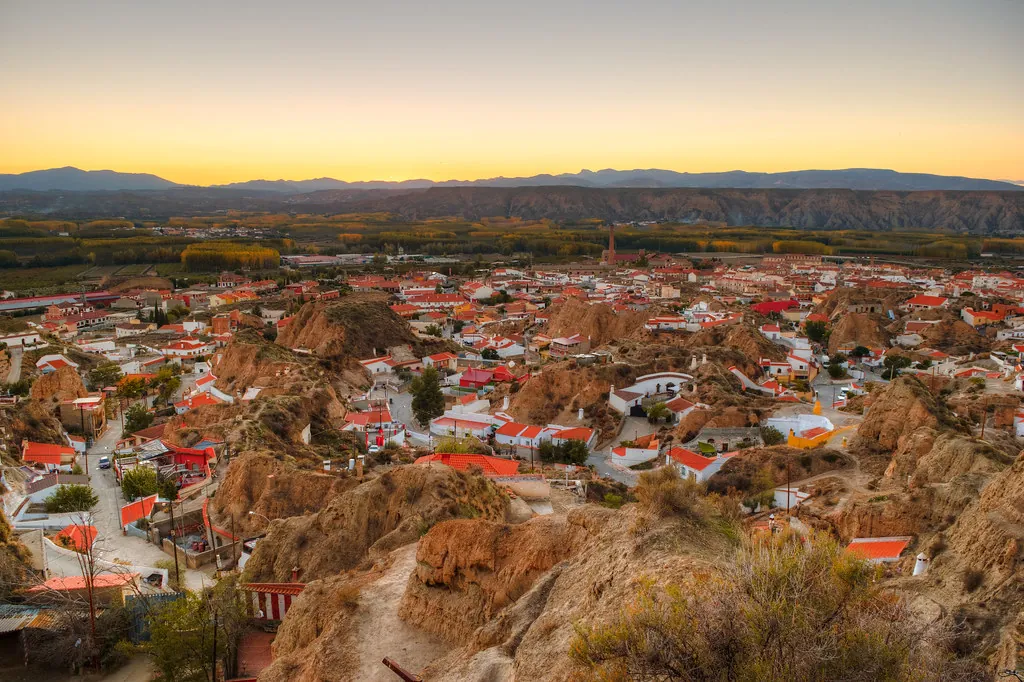
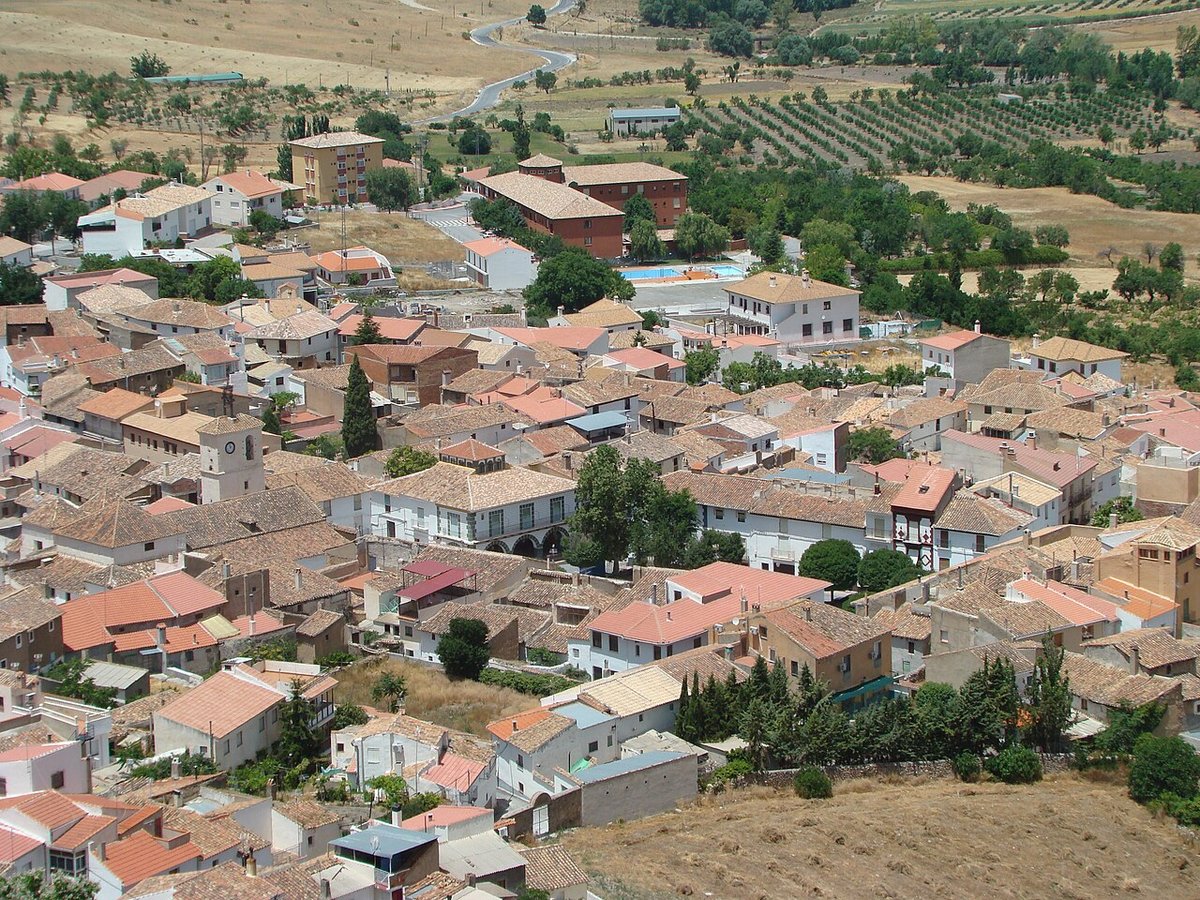
The centre of Alquife is organised around a simple square, where older men sometimes sit on benches in the late afternoon sun. The houses are low, many built with exposed brick or pale render worn down by sun and wind.
Some streets still have large gateways that recall the period when the mine set the pace of daily life. Behind them, there are often small yards with potted plants, chickens wandering freely or tools resting against a wall. At certain times of day, there is almost no sound. A shutter opening, a car engine starting in the distance.
There is a small grocery shop for basic supplies. Its opening hours can vary depending on the day; if you need water or something to eat, go before two in the afternoon.
The overall rhythm is slow and practical. Nothing feels arranged for display, and the marks of past activity remain visible in doors, walls and open spaces.
Migas and colder days
In Alquife, migas still appear on many tables at weekends or when the temperature drops. This traditional dish is made from stale bread fried with olive oil, garlic and pieces of panceta, which sizzles in the pan. Depending on the season, it may be served with grapes or fried peppers.
These are dishes that come from working days in the countryside or in the mine. They are filling and designed to sustain long hours outdoors and the cold of the high plateau. In winter, the smell of firewood and hot fat drifts out of chimneys by mid-morning, lingering in the streets and mixing with the dry air.
Food here is closely tied to climate and labour, shaped by what was available and what was needed rather than presentation or variation.
The castle above
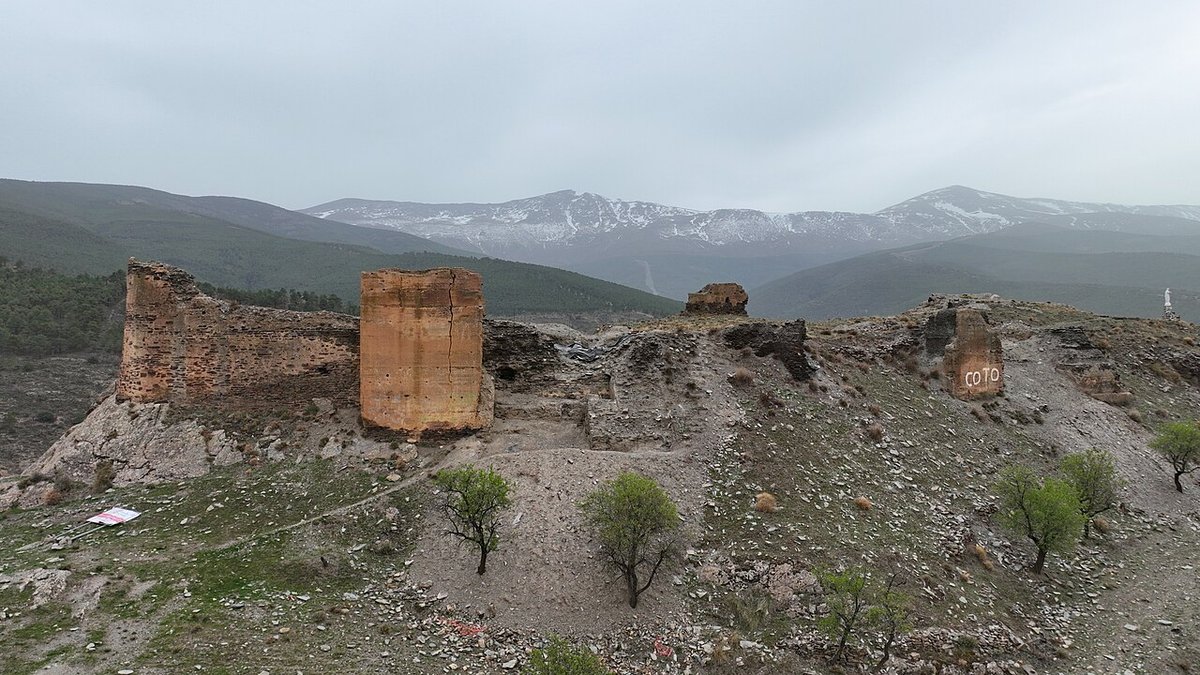
On a nearby hill stand the remains of Alquife Castle. Sections of wall and several towers still rise above the dry landscape.
The climb follows paths of earth and loose stone; wear boots if you have them. At the top, the wind tends to blow strongly, clearing the horizon. In one direction lie scattered villages across a wide plain. In another direction are reddish spoil heaps from an old mine.
Vultures are often seen here. At certain times of day they hang in air currents with barely any movement of their wings.
The setting reinforces that relationship between height and distance which defines much of Alquife. From above both natural landscape elements appear side by side with industrial ones – all part now
When to go
Early spring works well for visiting Alquife: light softer than later months; snow still visible on Sierra Nevada; almond trees beginning blossom across surrounding areas called Marquesado del Zenete region
In summer sun strong shade scarce outside built-up area If walking near mines or across nearby hills carry water wear hat Wind easily lifts red dust by end day visible clothes hands car
This one those places where landscape tells story before any sign explanation does Ground still speaks mine even though mine itself no longer operates