Full Article
about Beas de Guadix
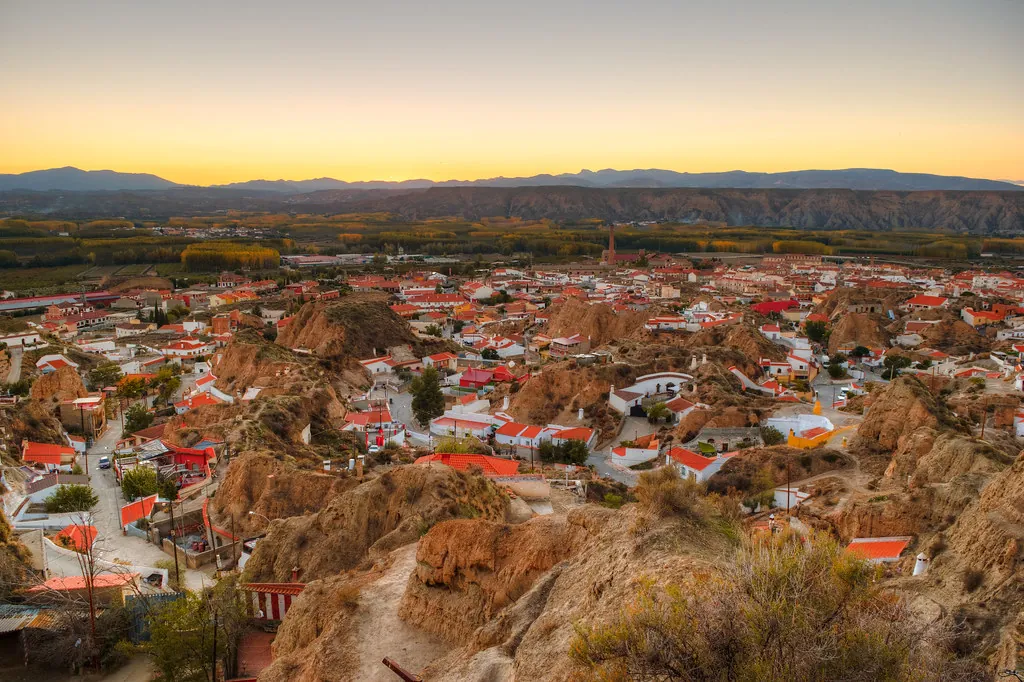
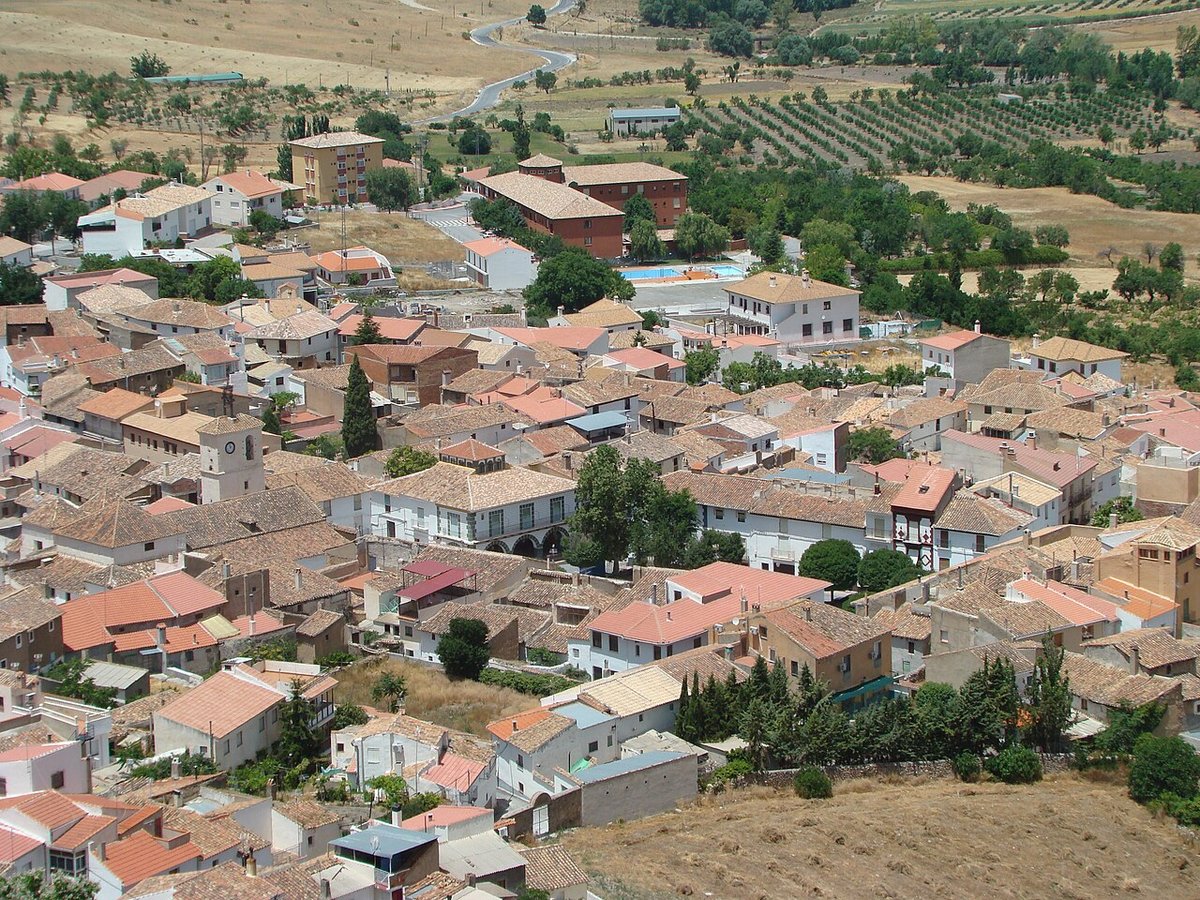
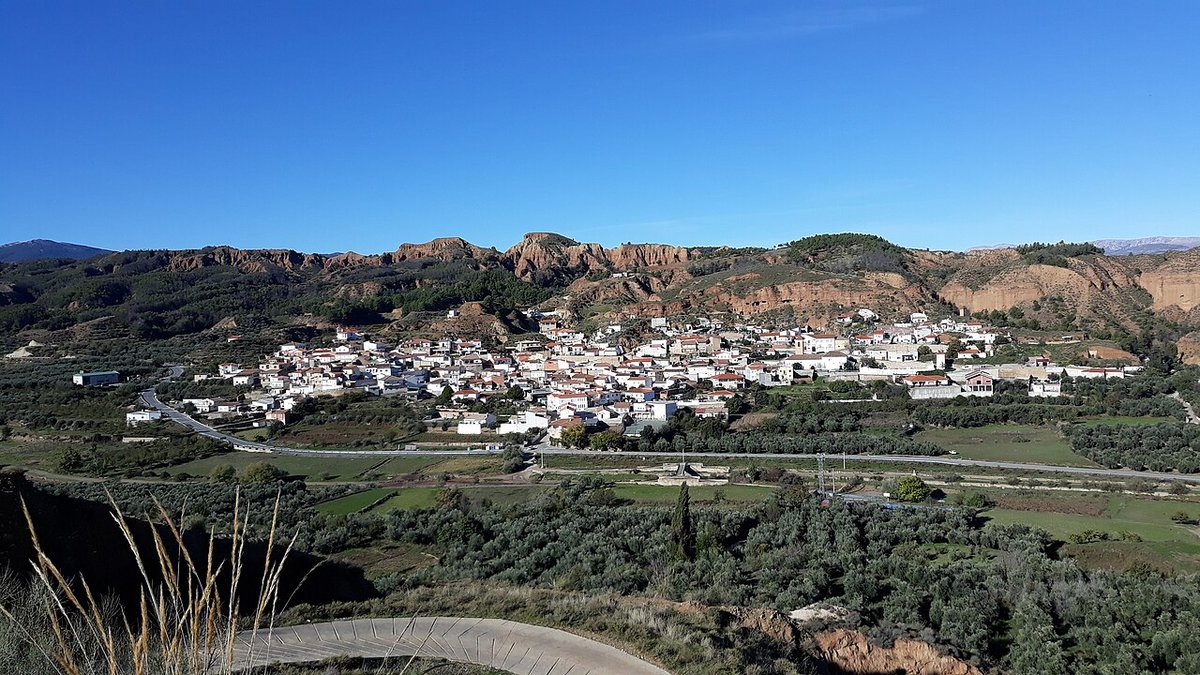
Small troglodyte village with many cave houses, set in the gullied clay badlands typical of the Hoya de Guadix.
Ocultar artículo Leer artículo completo
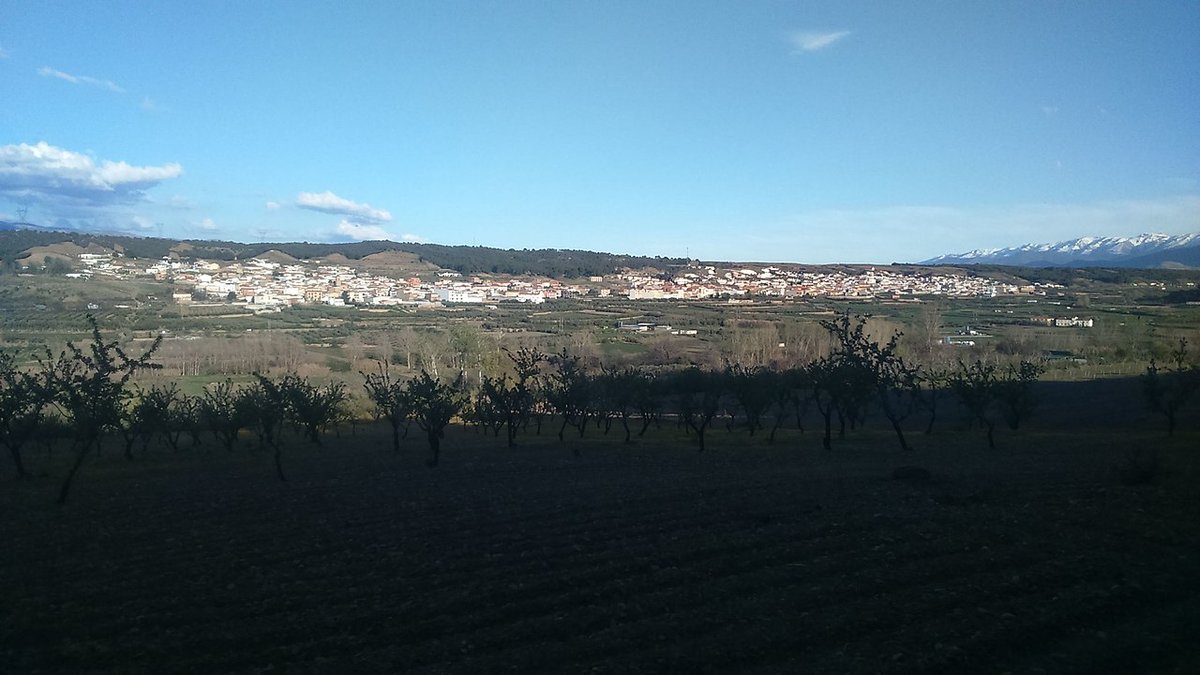
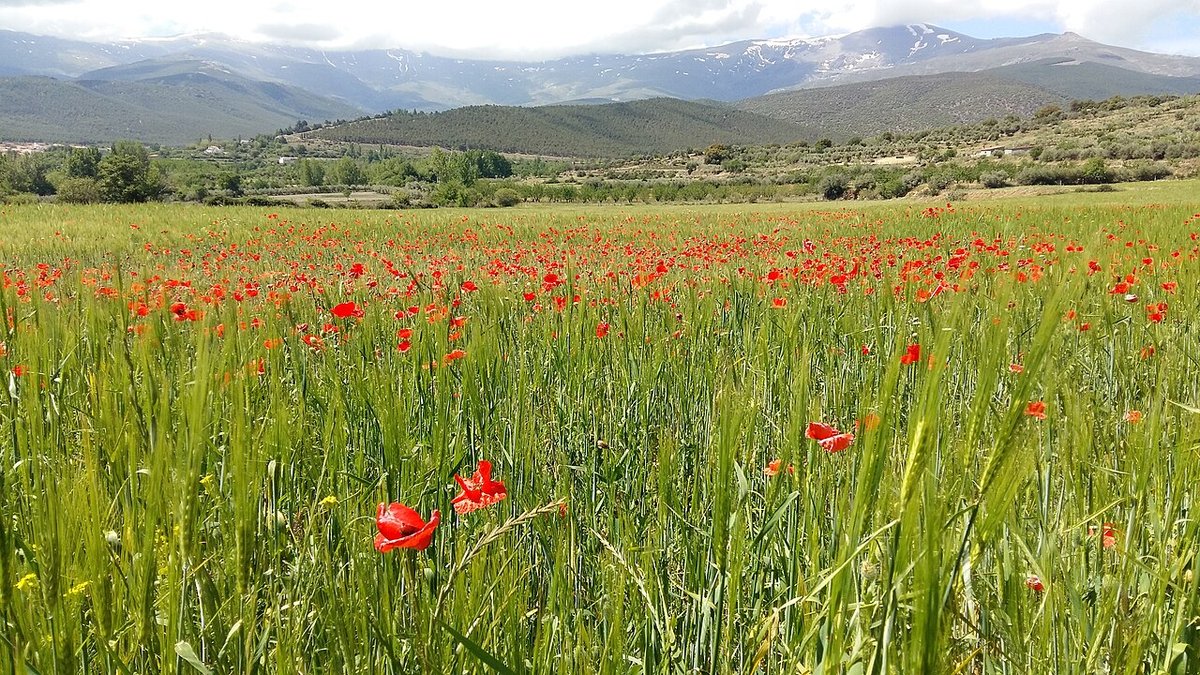
At 950 m above sea level the air thins and the morning light arrives earlier than you expect. From the ridge above Beas de Guadix the land falls away in cracked folds, the colour of burnt toast, until the Sierra Nevada lifts its snow-rimmed wall in the distance. No ticket office, no interpretation board, no queue for the perfect photograph—just wind and the occasional clank of a distant goat bell.
A village that forgot to grow
Three hundred and fifteen souls live in the single-storey houses that dribble down the hillside. Their walls are chalk-white not for postcards but because lime wash still costs less than paint and keeps interiors cool when the plateau tops 35 °C in July. The streets are barely two Smart cars wide; rubbish trucks reverse uphill and everyone knows which balcony belongs to María because the geraniums are always red. There is no supermarket, no cash machine, no Saturday market. If you arrive after dark without groceries you will be driving the fifteen-minute switchback to Guadix for emergency biscuits.
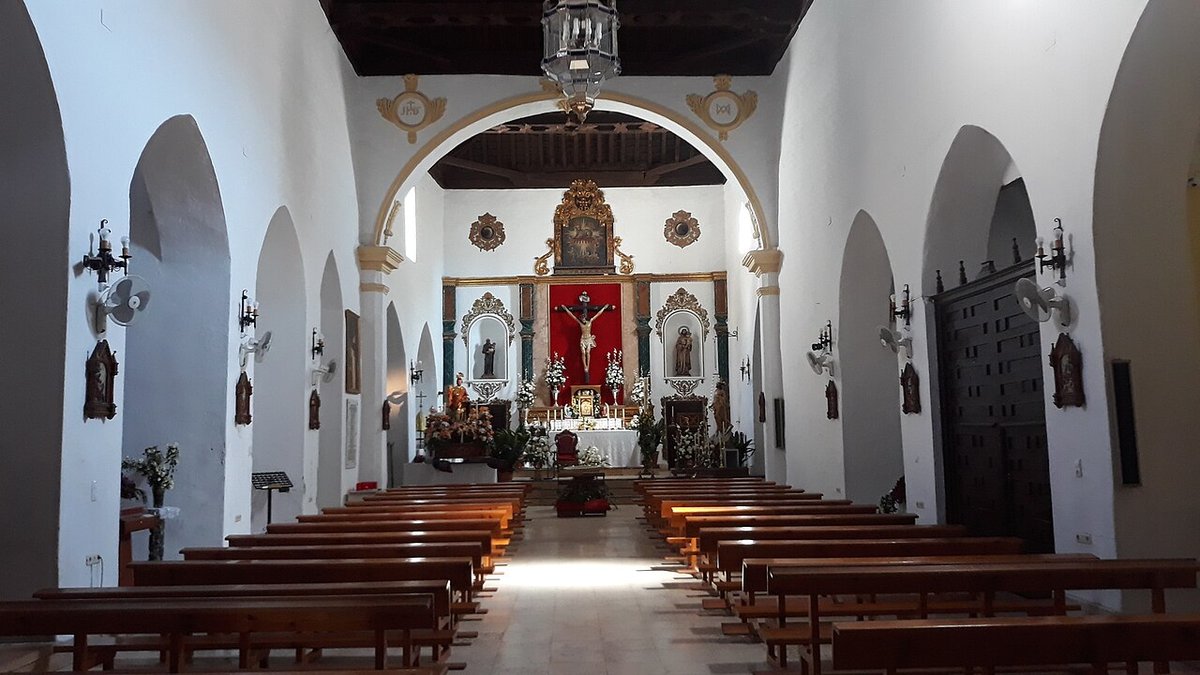
What Beas does have is a seventeenth-century parish church that doubles as the village clock—bells every quarter hour, louder than any London alarm. Inside, the nave is cool and smells of candle wax and old stone. The priest still chalks baptism totals on a blackboard by the door; last year there were three. Locals linger afterwards on the plaza’s only bench, trading news about almond prices and whose grandson has emigrated to Granada. Visitors who hover politely are usually offered a plastic cup of anise-heavy coffee and asked whether it really rains every afternoon in Manchester.
Roads you should not drive
The most spectacular viewpoint in the district is nicknamed the Mirador del Fin del Mundo—World’s End Lookout—four kilometres west of the village. Google Maps cheerfully routes you up a concrete lane so narrow that wing mirrors kiss dry-stone walls while the valley drops away to your right with nothing but air and optimism. British motorhome forums call this approach “spicy”, which is polite code for “turn back now unless you fancy a cliff-top reversing test with a German camper van bearing down”. Sensible drivers approach from Purullena on the flat dirt track; even a hired Fiat 500 will manage if you take it slow.
Once on the ridge the land tips open like a pop-up book: ochre badlands rippling towards the marble-white peaks of the Sierra Nevada, the town of Guadix a scatter of dice on the plain. Sunrise is the money shot—first a violet wash, then peach, then gold so bright you squint even behind sunglasses. Stay for sunset and you’ll share the panorama with perhaps two photographers and a retired couple from Norwich who come every February for the silence. Bring a jacket; the thermometer can lurch twenty degrees the moment the sun disappears.
Living under a hill
The plateau around Beas is peppered with cave houses—whitewashed chimneys poking from grassy mounds, front doors set directly into rock. Many are still family homes; others have been patched up as holiday lets with underfloor heating and Wi-Fi that flickers whenever it rains. The interior temperature hovers around 18 °C winter and summer, which makes them addictive to Britons accustomed to paying £150 a month to heat a Victorian terrace. A two-bedroom cueva for four people rents from about £70 a night; the only soundtrack is the occasional hoot of an owl and the soft pop of olive wood burning in the cast-iron stove. Remember to pack slippers—cave floors are chilly at 7 a.m.
Stock up beforehand: the nearest supermarket is a Spar on Guadix’s ring road five miles away. Buy Serrano ham, ripe tomatoes, a crusty barra and a bottle of local olive oil labelled “Priego de Córdoba”; breakfast for four costs under £8 and tastes better than anything on the Costa del Sol front. If you crave company, the cave-bar in neighbouring Purullena serves tinto de verano (red wine lengthened with lemonade) for €1.50 a glass and doesn’t mind when you mispronounce “jamón”.
Walking where the rain doesn’t reach
Rainfall here struggles to pass 250 mm a year—about a quarter of London’s—so the vegetation has given up on lush. Instead you get scented thyme, dagger-like agaves and the occasional stubborn almond tree that produces nuts so small they’re hardly worth cracking. A way-marked loop heads south-east from Beas towards the hamlet of Marchal, then drops into the Rambla de las Agujas before climbing back to Purullena. The full circuit is 17 km with 500 m of ascent; allow five hours and carry two litres of water because the only fountain marked on the map dried up in 2019. The path follows an old grain mule track paved with fist-sized stones; Roman legions probably swore at the same ankle-twisting cobbles.
Spring is the kindest season—wild marjoram releases a sweet hit each time your boot brushes it, and the Sierra Nevada keeps its icing-sugar summit well into May. Summer hikes demand a 6 a.m. start; by midday the mercury can nudge 38 °C and there is zero shade. Autumn brings clear skies and the almond harvest; local farmers will pay 20 cents a kilo for any nuts you care to pick up, but filling a rucksack takes longer than you think when each shell weighs less than a ten-pence piece.
Parties that finish early
Beas saves its energy for the first weekend of December when the fiesta patronal honours the Immaculate Conception. A brass band arrives from Guadix, elderly women dance sevillanas in fur coats, and everyone queues for paper plates of migas—fried breadcrumbs speckled with chorizo and grapes—washed down with rough red wine drawn from plastic drums. Fireworks are let off at 3 p.m. because the village has no street lighting worth illuminating. By 11 p.m. the plaza is quiet enough to hear the church clock strike twelve; if you want all-night salsa you’ll need to drive to the coast.
August’s summer fiesta is even smaller: one night of outdoor bingo, one night of flamenco sung by a cousin from Baza, and a foam party for children held in the concrete frontón court. Visitors expecting Pamplona-style hedonia usually leave after the bingo; those who stay are rewarded with a sky so dark the Milky Way looks like someone spilled sugar across velvet. Lie on the warm bonnet of your car and count shooting stars—one every three minutes is average, and no one will charge you a penny.
The honest verdict
Beas de Guadix will not change your life. It offers no boutique hotels, no Michelin-listed tapas, no poolside cocktails. What it does offer is a front-row seat to a landscape that feels older than tourism and a lesson in how little you actually need for twenty-four hours of contentment: bread, oil, a working torch and the ability to sit still. Come if you like your roads empty, your nights black and your conversations short. Leave before you need a haircut—there isn’t a barber for twenty miles.