Full Article
about Benalúa
Known as Benalúa de Guadix; noted for its historic sugar industry and its badland landscape with inhabited cave houses.
Hide article Read full article
A landscape you can live inside
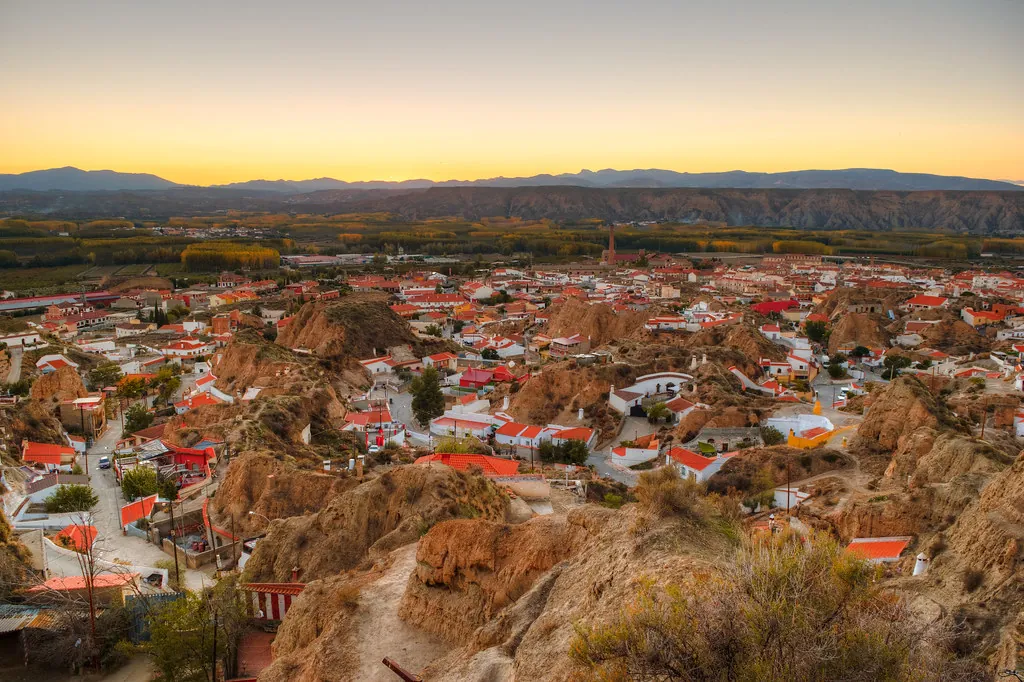
Benalúa, in the comarca of Guadix, is shaped by the ground beneath it. The plain breaks abruptly into soft hills of clay and gypsum, easy to excavate. From that geology comes one of the town’s most visible features: cave dwellings. They are not a novelty or a recent attraction. They are a normal way of living here, still in everyday use.
As the heat of the plain eases towards evening, doors begin to open along the slopes. Behind them are living rooms, kitchens and bedrooms carved directly into the earth. Some entrances are whitewashed, others keep the bare look of the hillside. From the outside, the true size of these homes is hard to guess.
Routes that shaped settlement
For centuries, the Guadix depression has acted as a natural corridor between inland Andalucía and the Levante coast. Old routes passed through here, including one associated with the Roman Vía Augusta, linking interior basins with the shoreline.
In the Middle Ages, the area was dotted with small defensive settlements and scattered farmland. The terrain offered protection and oversight. Excavable hills, ravines and open views across the valley made it easier to find refuge. A compact town like the one seen today did not always exist.
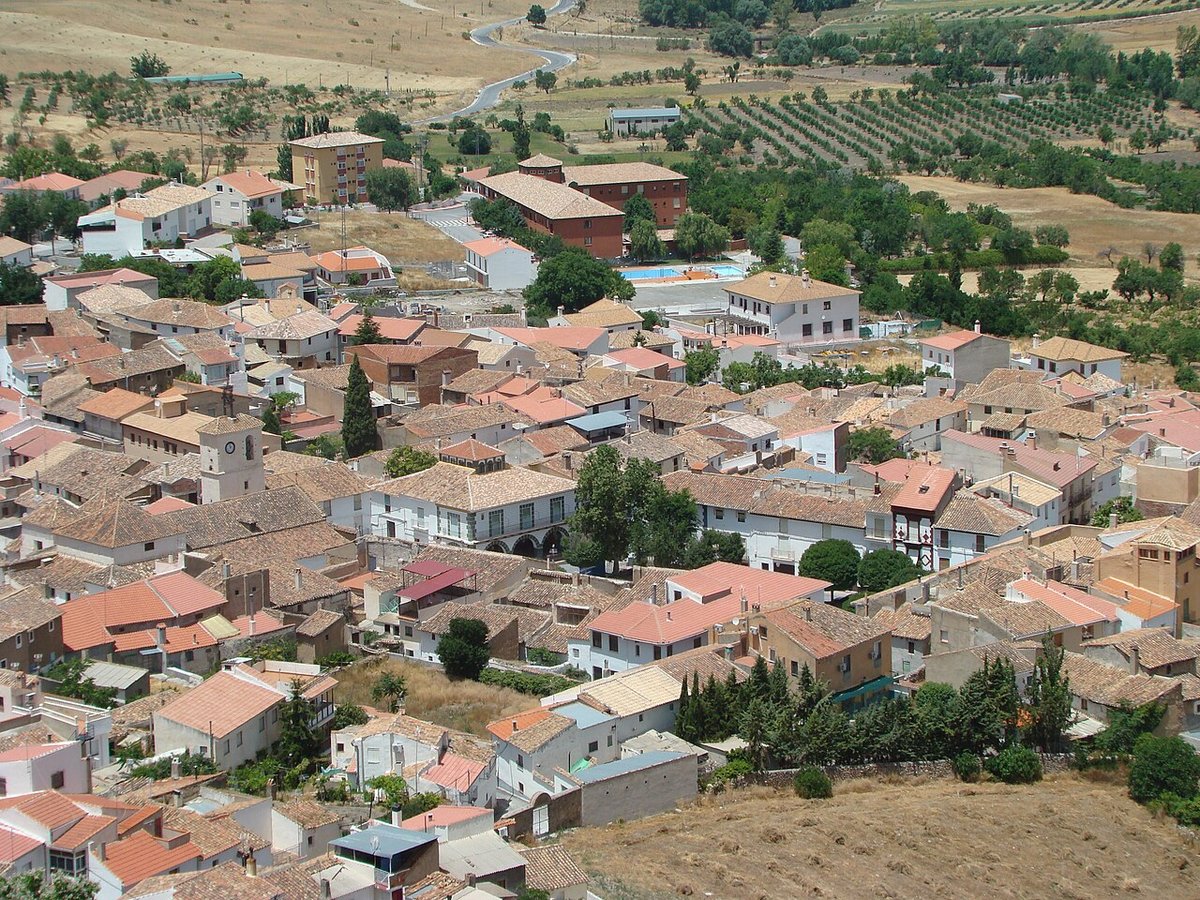
After the Castilian conquest, the territory was reorganised within the seigneurial system that dominated much of the former Kingdom of Granada. Over time, especially from the 19th century onwards, Benalúa began to take on a more defined administrative identity. Conventional housing grew around the church and the main square, yet the caves were already part of the inhabited landscape and continued to be used.
Industry on the plain
In the late 19th and early 20th centuries, several towns in the comarca turned to sugar beet cultivation. Benalúa had a factory linked to this crop, part of a wider industrial push also seen in Guadix and nearby areas.
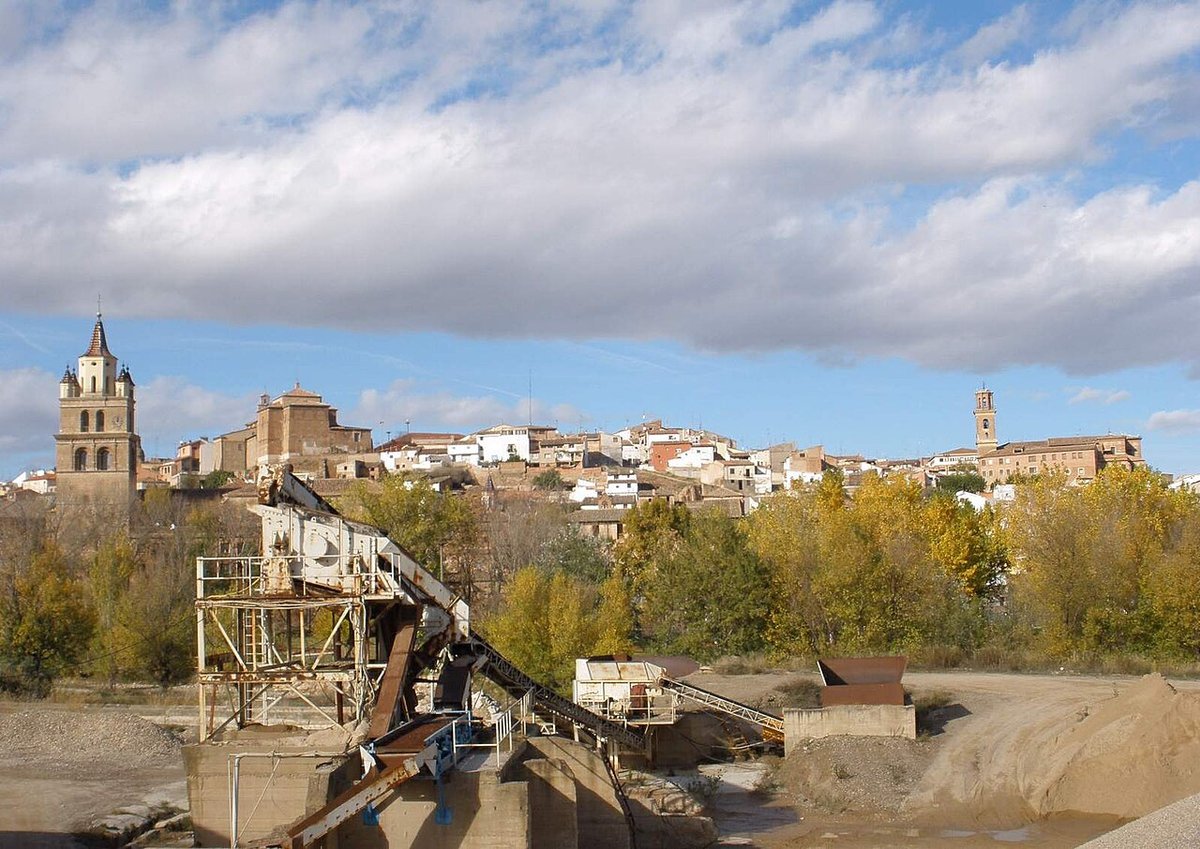
For a period, the initiative brought work and stimulated the local agricultural economy. Changes in the market and competition from other regions eventually led to the closure of these factories. In Benalúa, remains of those installations still stand on the outskirts: walls and structures that recall this lesser-known chapter of the town’s history.
The Cave District
The Barrio de las Cuevas does not follow the layout of a modern neighbourhood. Paths adapt to the shape of the hill, with small clearings and tracks winding between mounds of earth. Each home has its own entrance carved into the slope.
Many caves have been updated over time. Brick façades, modern windows and added porches appear in some. Others remain closer to their original form, with a doorway cut directly into the hillside.
This is not a leftover or marginal area. The caves are part of the urban fabric and have basic services. Across the comarca of Guadix, this type of housing is still common because it maintains a very stable temperature throughout the year.
Food shaped by the cupboard
In towns like Benalúa, cooking is still closely tied to the agricultural calendar and whatever is at hand. Migas appear often, especially on cold days or after work in the fields. The dish is based on stale bread, olive oil and garlic, usually served with simple accompaniments such as cured meats or fried peppers.
Goat’s cheese produced in the comarca is also common. The humidity and steady temperature inside the caves have traditionally been used to cure it slowly.
This is not food designed for visitors. It is domestic cooking, prepared at home and shared when family gathers or neighbours sit down together.
Finding your way around
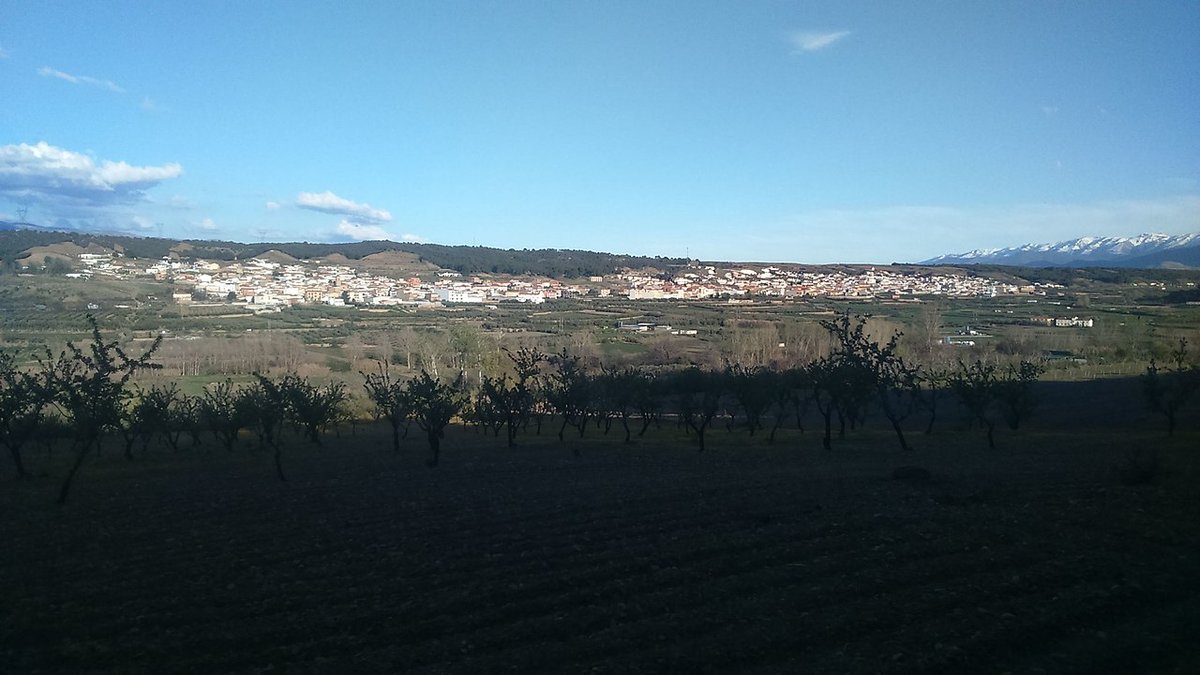
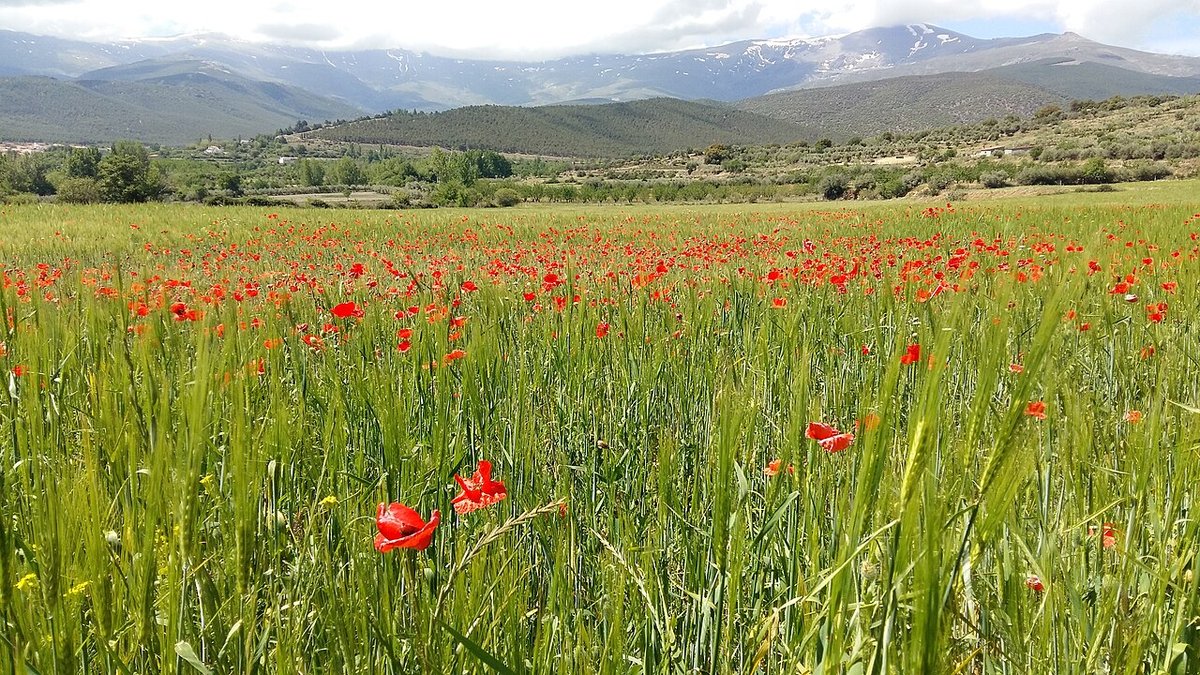
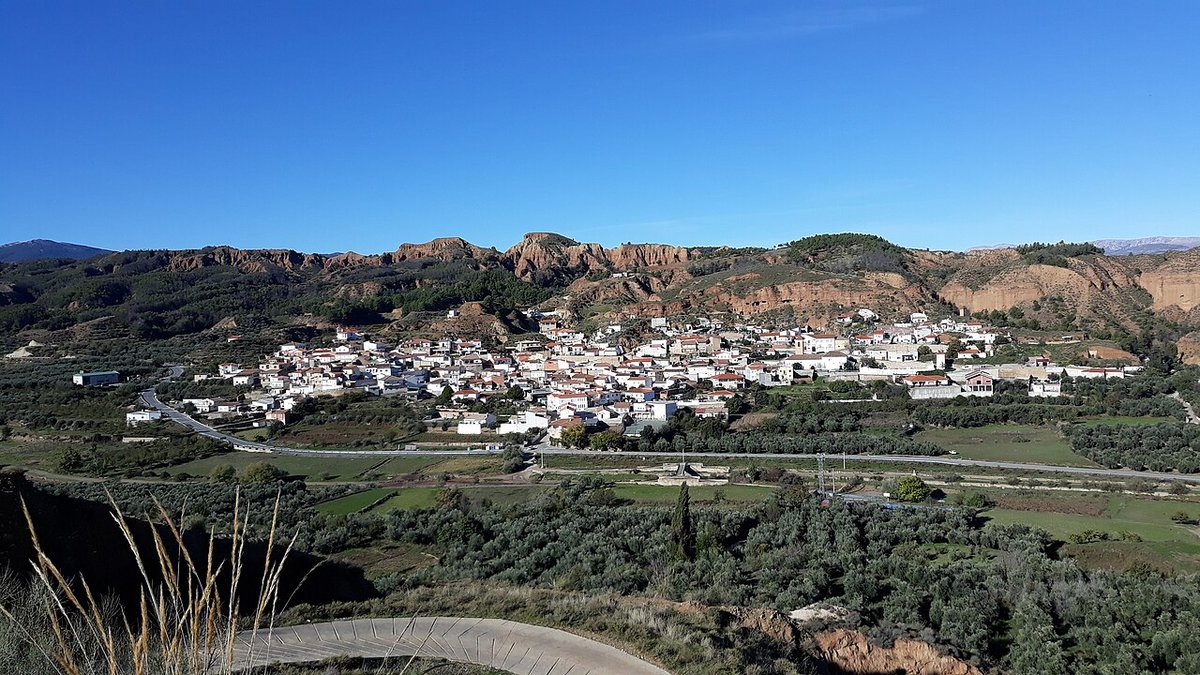
Benalúa lies very close to Guadix and can be reached within a short drive. The surrounding landscape already signals what defines the area: reddish badlands, eroded gullies and small खेती patches in flatter ground.
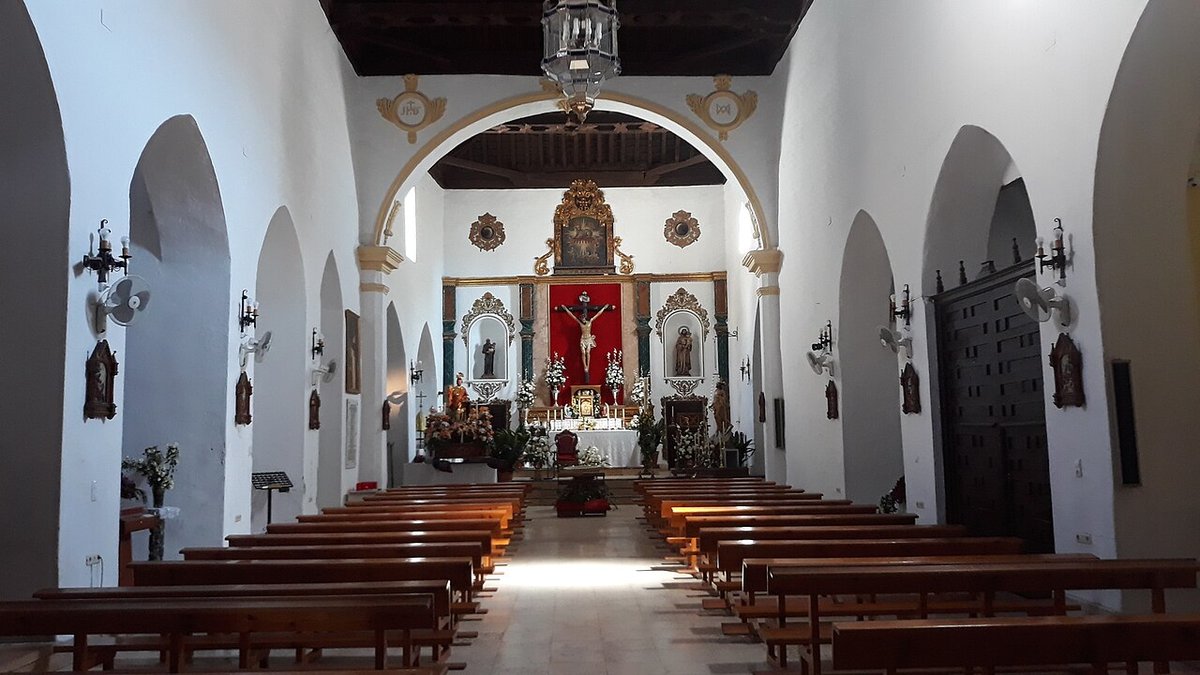
The centre of the town is easy to walk through. The parish church of San Juan occupies a key spot in the urban layout. Its interior is simple, with elements from the modern period. Around it are traditional houses adapted to uneven terrain, with thick walls and roofs designed to make use of scarce rainfall.
To understand the place more clearly, it helps to head up towards the higher areas where many caves are concentrated. From there, the open valley comes into view, along with the sequence of excavated hills. The connection between soft ground and daily life becomes clear here. In Benalúa, architecture does not stand apart from the landscape. It is carved into it.