Full Article
about Cogollos de Guadix
Bordering the Sierra Nevada Natural Park, it offers access to high-mountain terrain and preserves notable Moorish remains.
Hide article Read full article
A turn-off you could easily miss
Cogollos de Guadix is the kind of place you might drive straight past unless someone tells you to look out for it. The road between Guadix and the surrounding villages cuts through the high plateau, and then suddenly there is a small turning. No big signs, no fuss. That low profile suits the place.
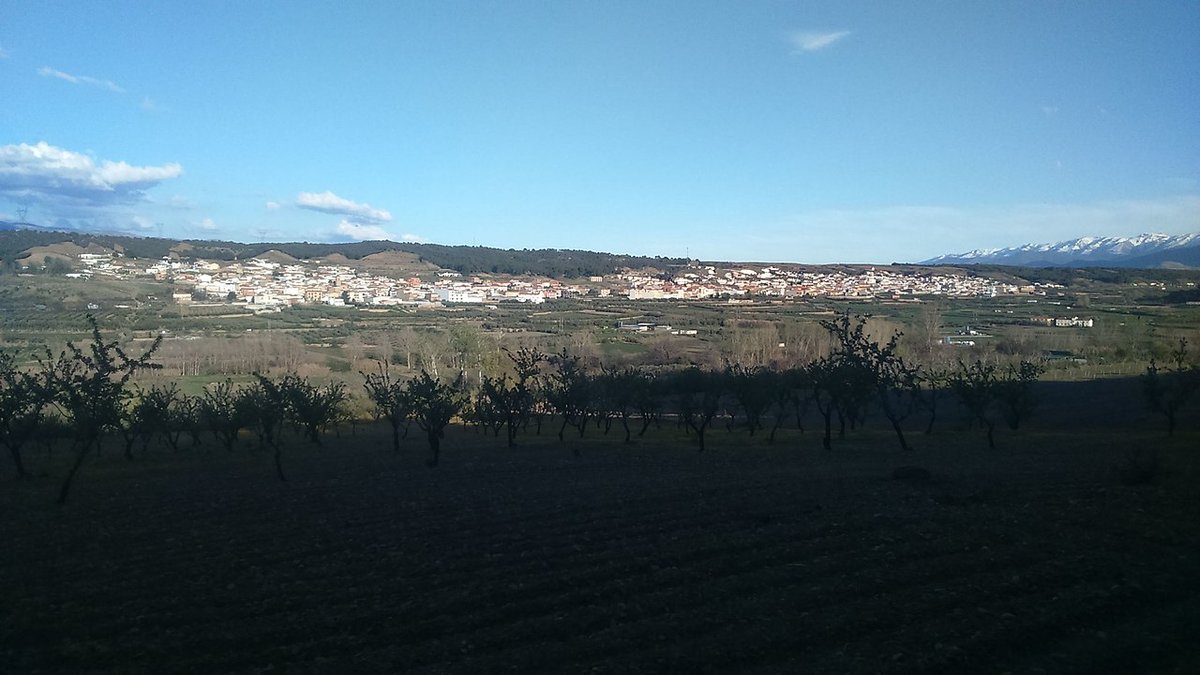
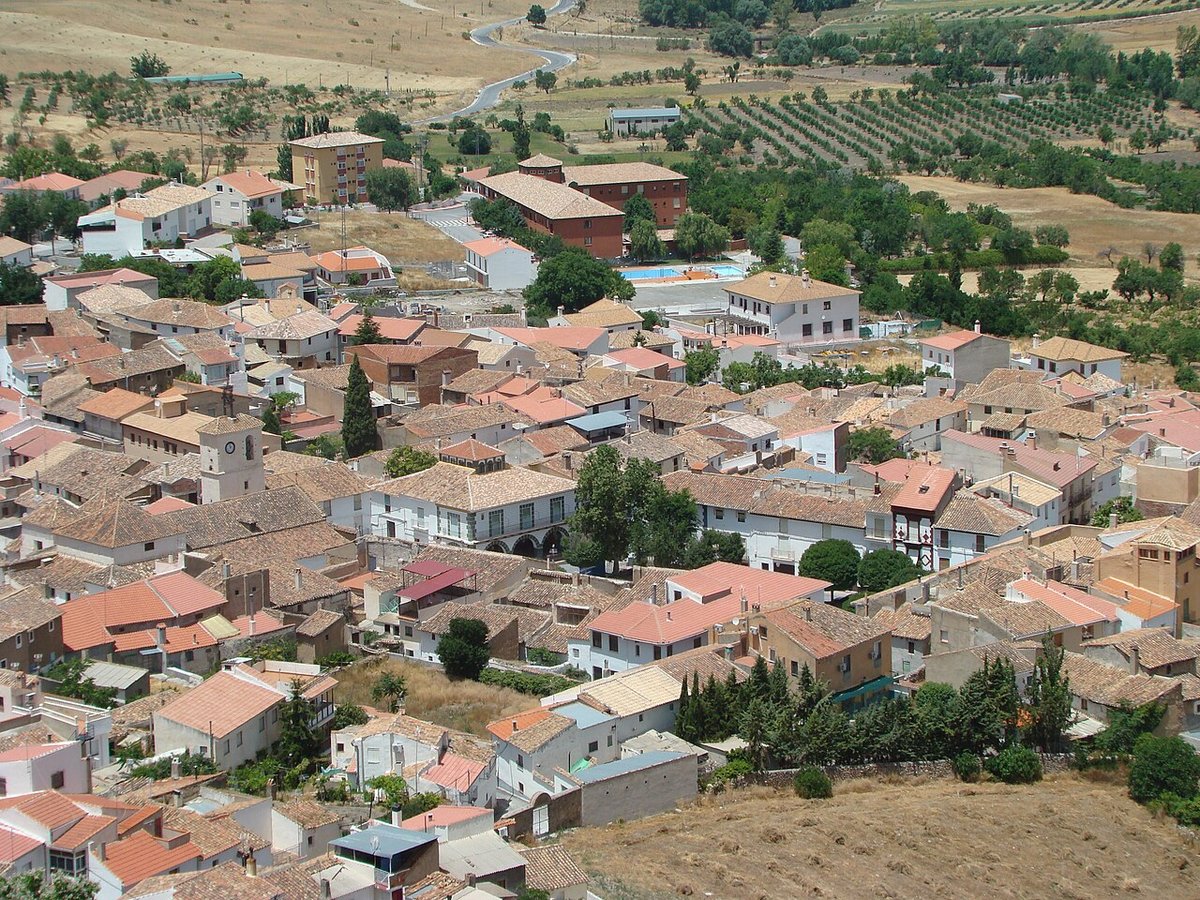
This village sits in the Guadix area, in the north of Granada province, with around 600 residents and an altitude of roughly 1,160 metres. The setting makes itself felt straight away. The air is dry, the wind can be sharp, and the older houses reflect that reality: thick walls, small windows, built more to cope with the climate than to impress from the outside. From certain spots in the village, on clear days, Sierra Nevada appears in the distance as a white line that looks closer than it really is.
Everyday life and the shape of the streets
There is no grand historic centre here filled with monuments. Instead, the appeal lies elsewhere. The streets are short, sometimes sloping, with familiar names such as Calle Real or Calle Baja. The quiet is constant, broken now and then by a passing car or a dog making its usual round.
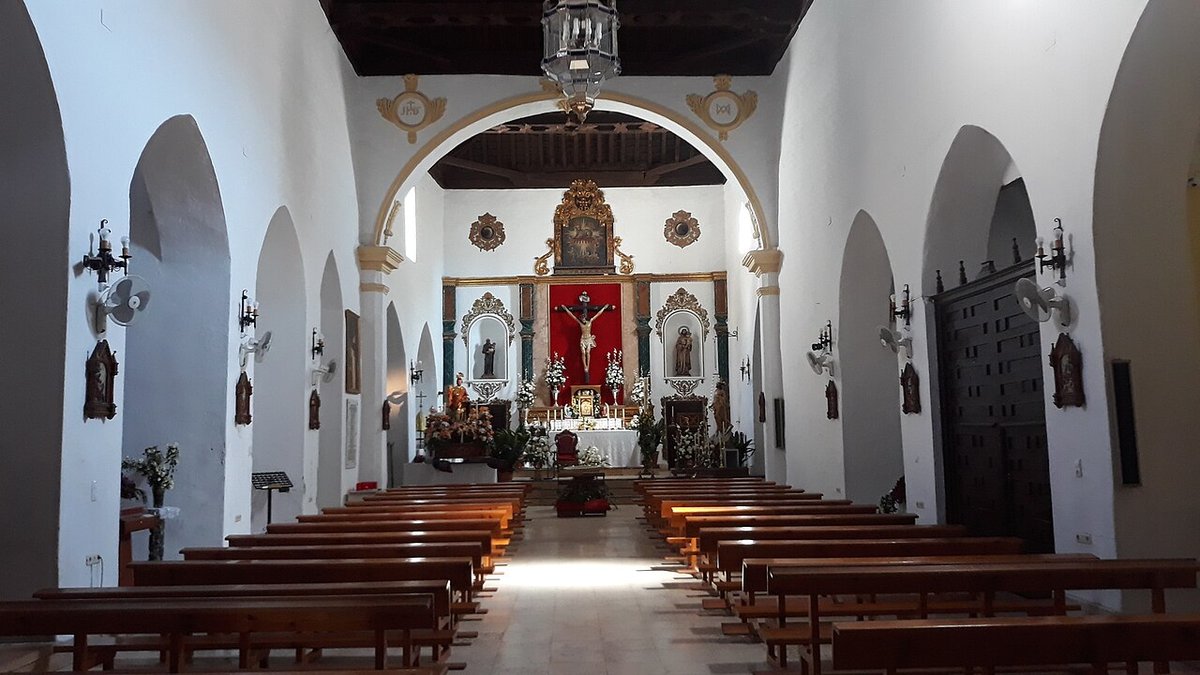
The parish church of Santa María acts as the village’s visual anchor. It is not a striking or elaborate building, but it shapes the space around it. Its origins are Mudejar, a style that blends Islamic and Christian influences and is common across this part of Granada, and it has been altered over time. A simple tower rises above it, visible from most corners of the village.
A slow walk through the older streets reveals small interior courtyards. Many have plant pots, vines or bougainvillea when the weather warms up. In spring, almond trees appear near the houses and along the edges of the village. As evening approaches, a familiar scene unfolds in the smaller squares or on benches set against façades: neighbours chatting while the day fades.
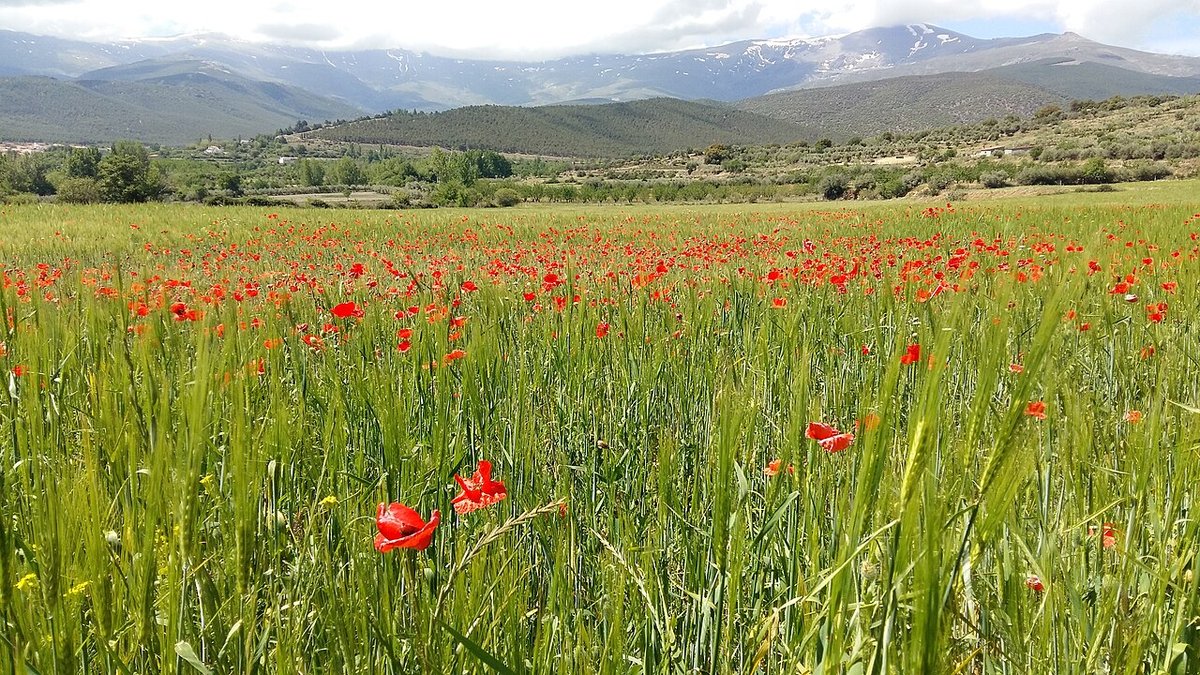
The transition from village to countryside is immediate. Just beyond the last houses, open land begins. Fields of cereals stretch out, along with some almond trees and wide plots that shift in colour with the seasons. Spring brings a strong green, summer turns the land golden, and colder months leave the soil more exposed.
One of the most noticeable seasonal changes comes with the almond blossom. This usually happens between late January and February, provided winter does not linger too long. For a few weeks, the plateau takes on a very different look.
Walking out and looking up
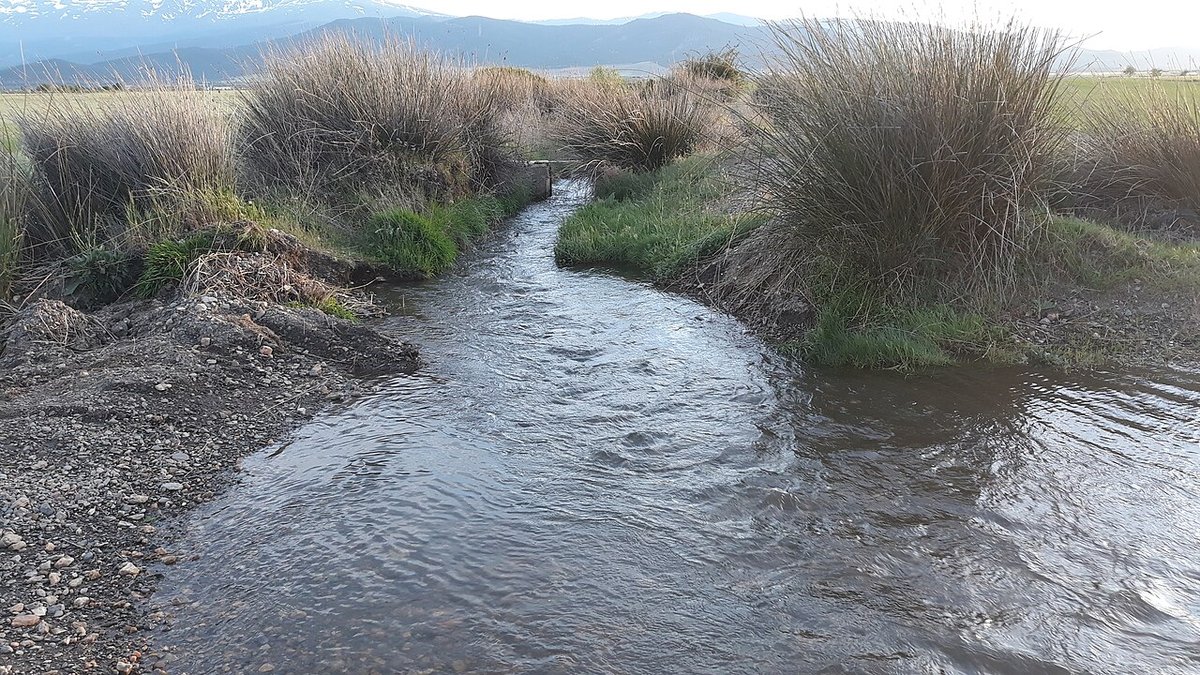
Tracks lead out from Cogollos de Guadix towards nearby settlements such as Toconar or Purullena. These are not carefully signposted mountain trails. Many are agricultural paths or dirt tracks that local people have always used to reach their land.
They work well for an unhurried walk. The terrain is open, so views stretch a long way. On clear days, Sierra Nevada sits on the horizon. In winter, when the peaks carry a good layer of snow, the contrast with the dry plateau stands out sharply.
Night brings a different kind of experience. True darkness still exists here, something that has almost disappeared in cities. A short distance away from the village lights, the sky fills with stars in clear detail. No equipment is needed. Simply lying back and looking up is enough to appreciate it.
Festivities and a steady rhythm of life
The main local celebrations usually take place in August. At that time, many people who live elsewhere during the year return to the village. There are processions, music in the square, and the familiar feel of a summer gathering in a small place: children moving around freely, conversations that stretch late into the night, and more life in the streets than usual.
Easter week, or Semana Santa, is marked in a simpler way than in larger Andalusian cities. The routes are short and the atmosphere is close-knit. Religious images pass through the main streets, accompanied by local residents rather than large crowds.
Across the year, daily life remains closely tied to the land. Almond harvesting, work in cereal fields, and small family vegetable plots continue as part of the routine. None of this is organised for visitors. It is simply how the village functions.
Getting there and what to expect
The journey from Granada takes about an hour by car. The usual route follows the A-92 towards Guadix, then continues along local roads that cross several villages on the plateau.
The landscape along the way gives a clear sense of what lies ahead: wide terrain, dry farming, and villages that appear suddenly among gentle rises in the land.
Anyone planning to walk in the surrounding area should bring comfortable footwear and a layer of warm clothing, even outside winter. At this altitude, the weather can shift quickly, and the wind can be noticeable. Staying into the evening has its reward. Moving a little away from the village lights and looking up at the sky offers a view that is increasingly rare so close to Granada.