Full Article
about Cortes y Graena
Known for its thermal spa; a municipality made up of several villages with a strong cave-house tradition.
Ocultar artículo Leer artículo completo
A Thousand Metres Up, the Clock Slips
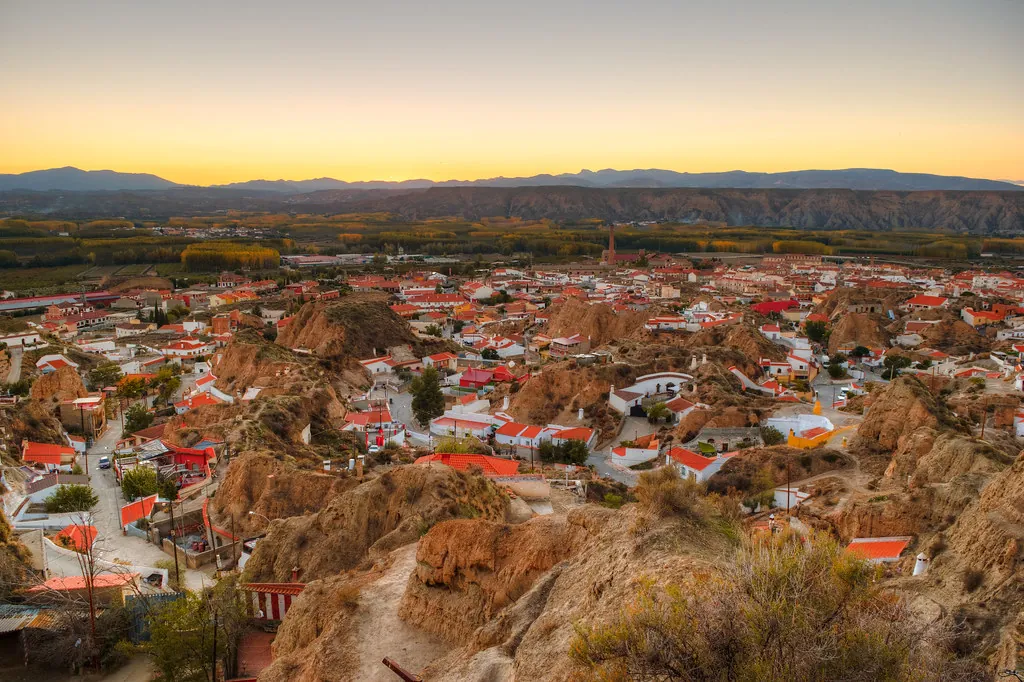
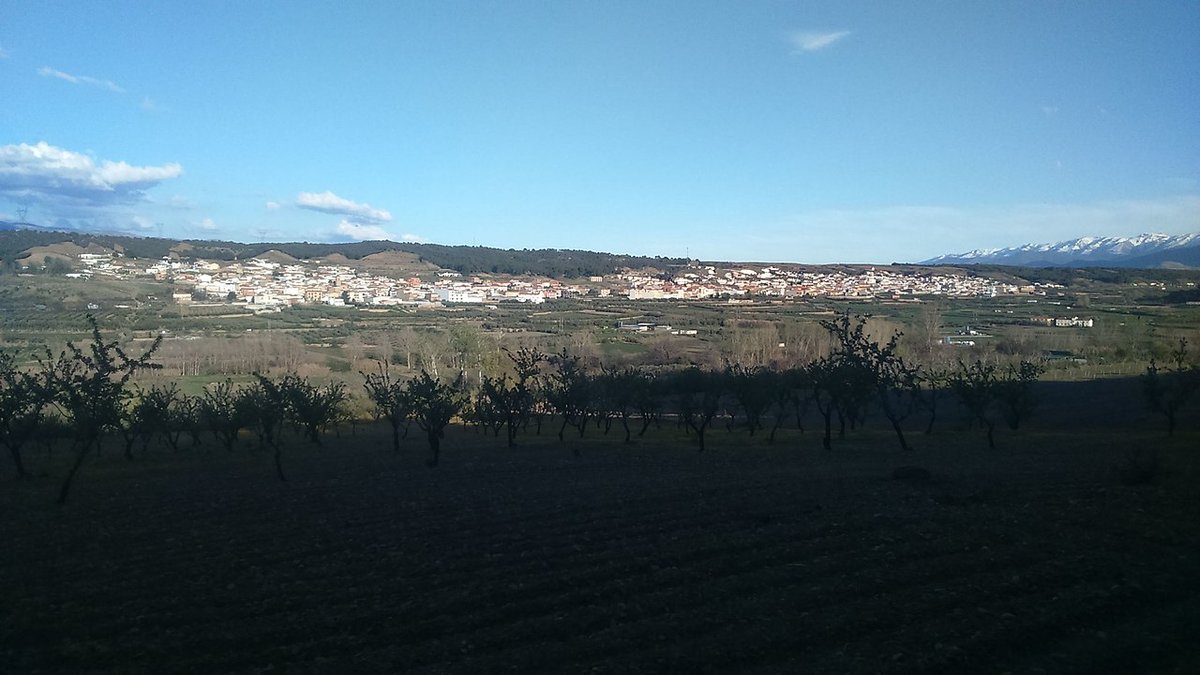
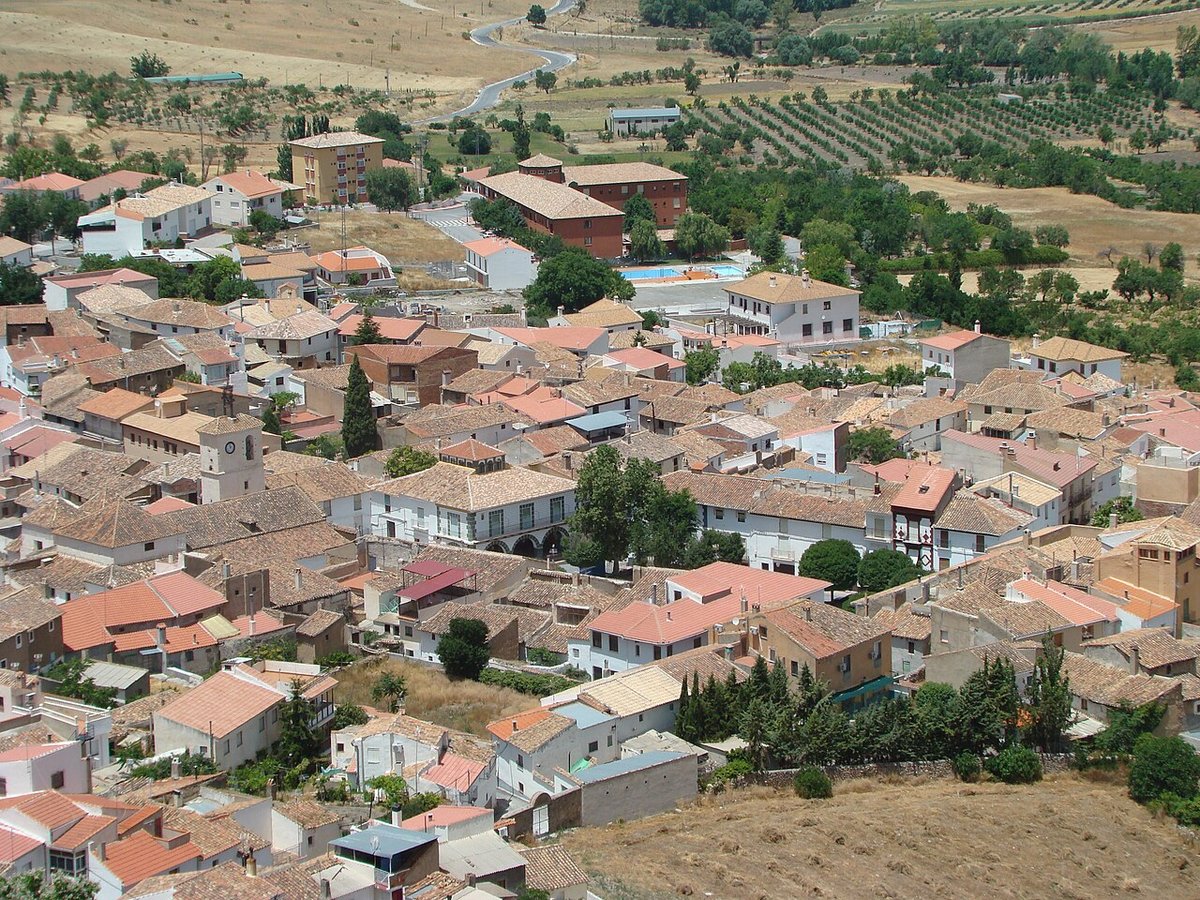
Stand on the edge of Graena at seven-thirty on an April morning and you will hear nothing louder than a pigeon shifting tiles on a roof that is, in fact, the hillside itself. Half the houses are troglodyte: whitewashed chimneys poking from the soil, front doors set into rock. At 971 m above sea level the air is thin enough to make British lungs notice, and the thermometer can read 3 °C while the almond blossom insists it is spring. This is Cortes y Graena, two contiguous hill villages glued to the northern lip of Granada province, where the Guadix basin flattens towards the badlands and the Sierra Nevada still shoulders the skyline sixty kilometres away.
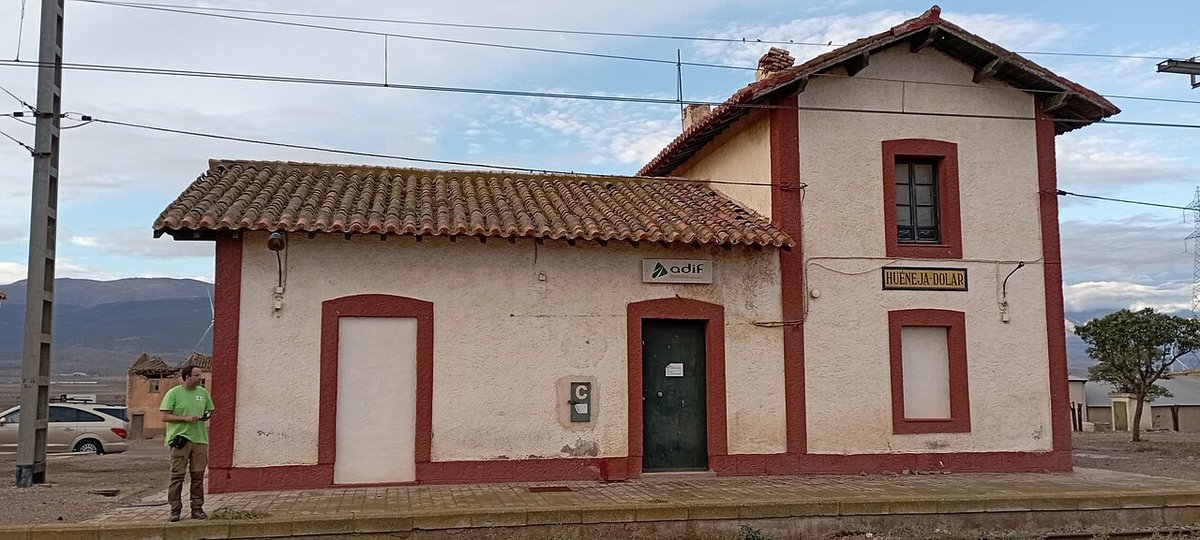
Most UK number-plates flash past on the A-92, bound for the coast or Granada’s Alhambra. Those who turn off at the signed exit find a scatter of barrios—Cortes above the cereal silos, Graena lower down with its cave-barrio of La Estación, and the microscopic hamlets of Tíjola and Los Baños—adding up to fewer than a thousand permanent souls. The place does not shout; it exhales.
Mudéjar Towers and Cave Corridors
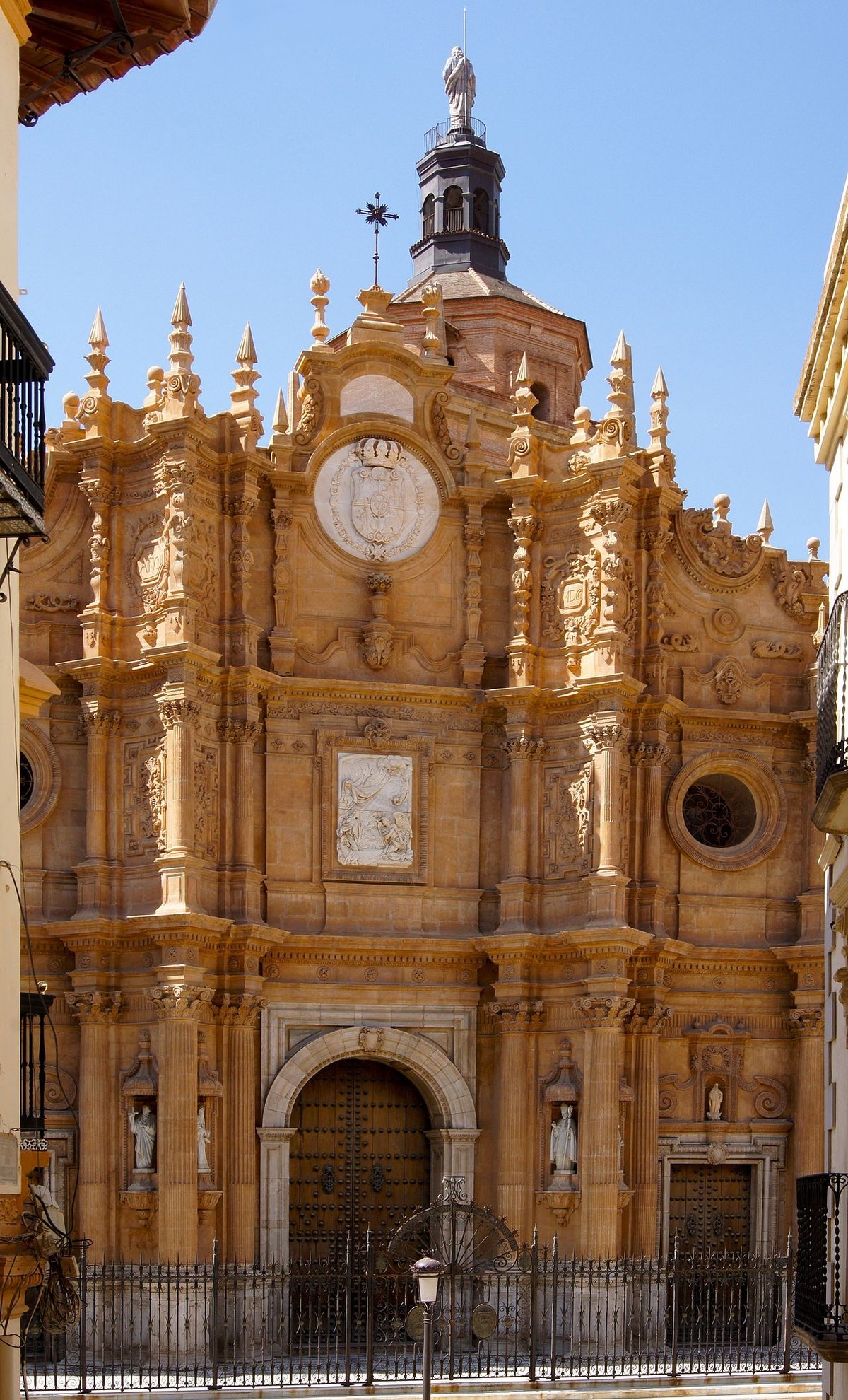
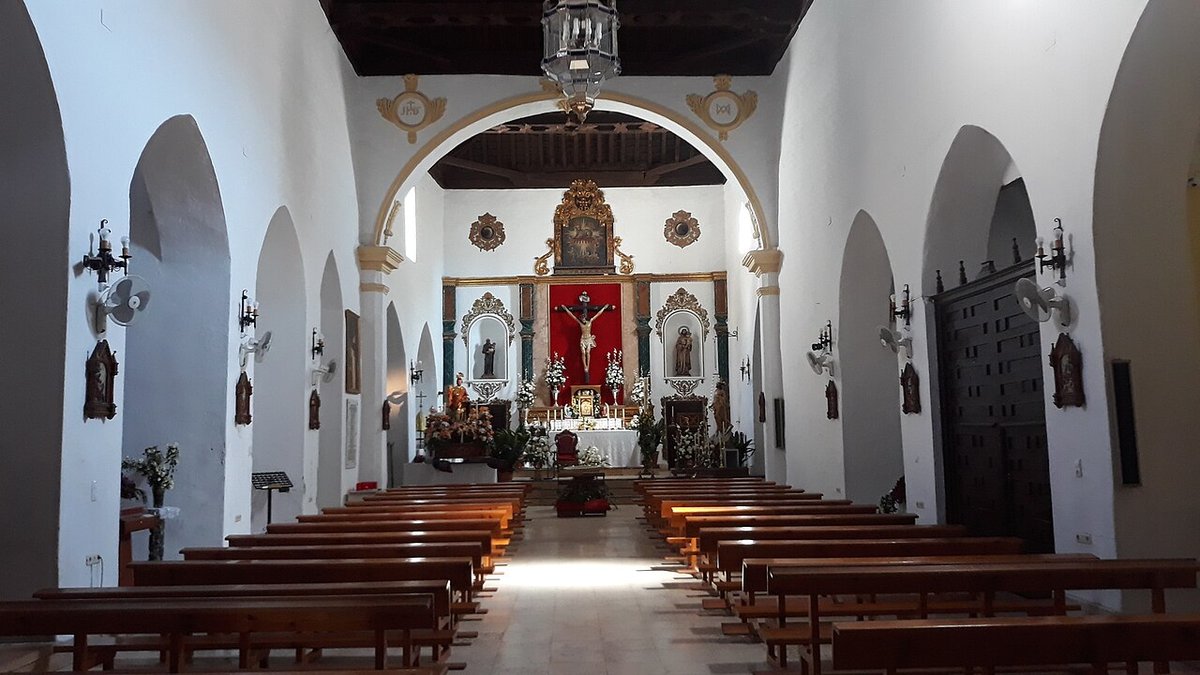
The parish church of La Encarnación in Cortes squats on a ridge like a lookout post. Built in the fourteenth century by Mudéjar craftsmen, its brick apse and timber roof survived later stone facelifts, so the exterior says Renaissance while the interior still whispers medieval. The bell rings the quarter-hour across wheat stubble, audible for miles because there is nothing tall enough to muffle it.
Below, the lanes are barely two donkeys wide. Houses grow from bedrock: mampostería walls a metre thick, Arabic-tiled roofs weighted with stones against the wind. Some interiors have been hollowed into holiday rentals—cool enough to store wine without refrigeration, warm enough in winter that the oil heater rarely clicks on. Expect wi-fi to drop when you walk into the back cave; copper wire never anticipated limestone.
Graena’s thermal spring has been luring aching bodies since Roman surveyors noticed steam rising from the ground. The modern Balneario de Graena, rebuilt in 1928, charges €18 for a ninety-minute soak in 36 °C mineral water that tastes metallic if you’re foolish enough to sip. British visitors compare it favourably to Bath’s Thermae—one-tenth the price and you will share the pool with five villagers rather than fifty cruise-ship passengers. Morning slots are almost private; afternoons fill with hen parties from Granada speaking rapid Andalusian.
Walking Without a Theme-Park Ticket
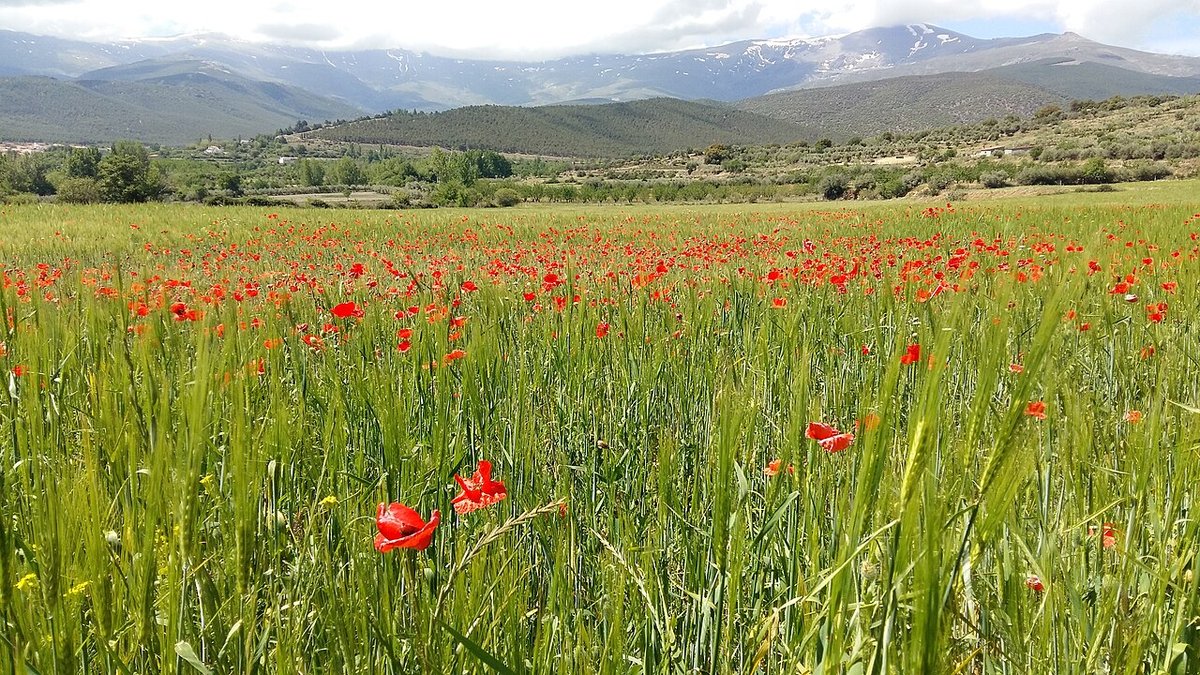
There are no signed “routes” in the Lake-District sense, but farmer tracks link the settlements. A circular from Graena to the abandoned cortijo of Tíjola and back takes two hours, climbing 250 m through almond and terebinth. In May the verges flare with red poppies and the air smells of chamomile crushed under boots. The only ticket office is the honesty box at a farmhouse selling loose oranges for €1 a kilo.
Serious hikers can continue east onto the plateau where the altitude tops 1,200 m and the views open to the snow-streaked Sierra Nevada. Take more water than you think—shade is a scattered olive tree every kilometre—and remember the return is uphill. Summer walkers start at dawn; by noon the thermometer can touch 38 °C and the path reflects heat like tarmac.
What Arrives on the Plate
The villages share three bars and one bakery. The baker fires the wood oven at 05:00; by 11:00 the baguettes are gone and the siesta shutter drops until 17:00. Food is high-plains stodge adapted to cold nights: migas fried in pork fat, bowls of chickpeas with spinach, and kid goat stew mild enough for a Canterbury palate. A glass of local rosé from the Contraviesa hills costs less than a London bus fare and arrives chilled even in January because the bodega is underground.
Vegetarians survive on tortilla and fried aubergine with honey; vegans struggle. Gluten-free bread is unknown—bring your own if coeliac. The Saturday market in Guadix, fifteen minutes down the motorway, stocks quinoa and soya milk for the self-catering cave.
When the Village Decides to Wake
January’s feast of San Antón blesses tractors, hunting dogs and the occasional pet rabbit outside the church. August turns up the volume: paella cooked in a pan two metres wide, brass bands that rehearse for months, and fairground rides erected on the football pitch. Emigrants return from Barcelona and Basel; the population doubles, triples. A British second-home owner describes it as “like the Notting Hill Carnival squeezed into a village green, but everyone knows your grandfather.”
Winter, by contrast, can feel post-apocalyptic. Bars close at 21:00 if trade is slow, and the single ATM in Graena runs out of cash on Friday when the pension queue forms. One January evening the temperature fell to –8 °C; burst pipes flooded the main road and turned it into an ice rink. The council gritted with agricultural lime because road salt costs too much.
Getting Here, Staying Warm
Fly to Málaga if you want reliability—daily BA and easyJet flights year-round—then drive two hours up the A-92. Granada’s airport is closer but winter schedules shrink to weekends only. A hire car is non-negotiable; the bus from Granada leaves three times a day and misses the afternoon spa slot completely.
Accommodation splits between cave cottages (€70–€90 a night, two-night minimum) and the spa’s own modest hotel (€55 with breakfast). Cave rooms stay at 16 °C whatever the weather—pack slippers and a fleece for breakfast. Mobile signal is patchy underground; Whats-App works in the courtyard if you stand on the left foot.
Bring pounds in coin form. The village shops will not break a fifty-euro note at 09:00 on a Monday and the ATM charges €2.50 per withdrawal. Contactless is greeted with suspicion; the butcher still writes your tab in a ledger.
Leave Before the Silence Creeps In?
Cortes y Graena will never tick the “must-see” box. It has no cathedral, no Michelin stars, no Instagram pier. What it offers is a calibration of scale: horizons wide enough to reset city eyes, nights dark enough to see the Andromeda Galaxy from your cave terrace, prices low enough to make a British pub round feel extravagant. Stay three days and you will recognise the same three old men on the bench; stay a week and they nod first.
The danger is over-romance. In February the wind howls across the plateau like a freight train, and the smell of pig farms drifts up-valley when the breeze turns. The village is not abandoned, but it is ageing; the school has forty-two pupils and closing rumours surface each September. Come for the silence, the spring green, the thermal soak that costs less than a London coffee. Then drive away before the quiet stops feeling like a luxury and starts feeling like a warning.