Full Article
about Darro
Located in the area of the Montes Orientales and Guadix; known for the Cueva Horá archaeological site and its mountain surroundings.
Hide article Read full article
A village you almost miss
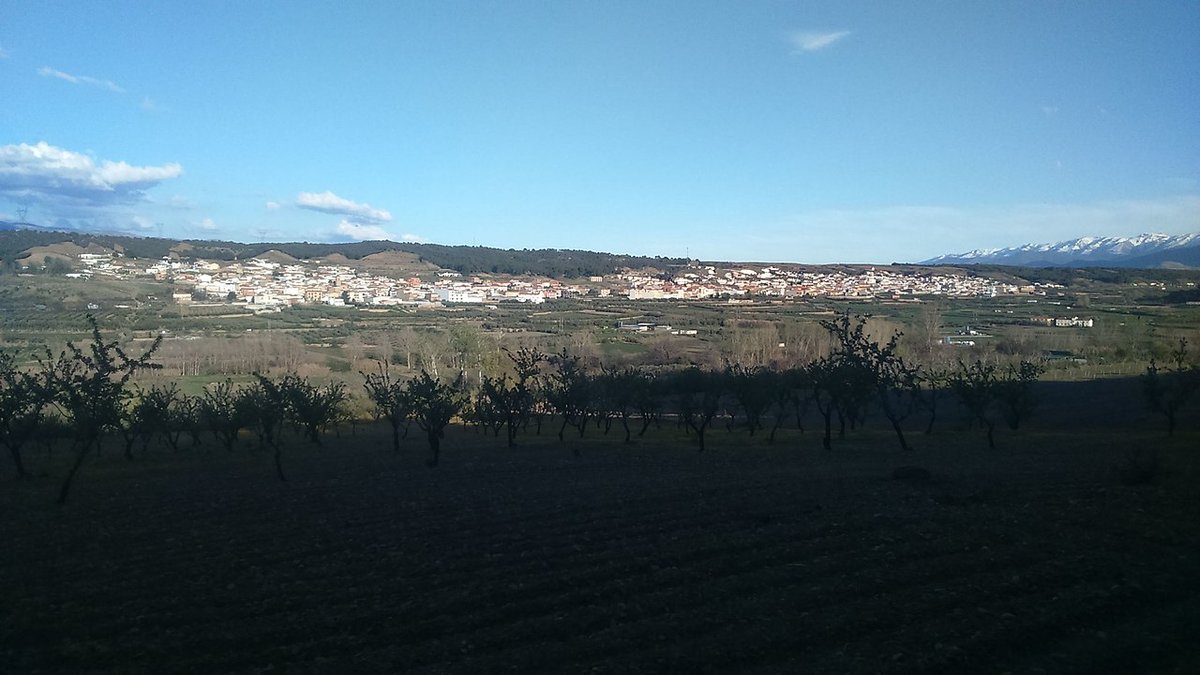
Some places appear on the map almost by accident. You are heading towards Guadix, glance to the side of the road and notice a cluster of white houses clinging to a slope. Take the turn, and you arrive in Darro. It feels like the sort of place you expect to see in half an hour, yet somehow you end up staying longer.
Tourism in Darro works like that. There are no headline monuments or a long checklist of sights. The appeal lies elsewhere: walking without hurry, hearing the river nearby, and watching how the landscape shifts when your gaze lifts towards Sierra Nevada.
It is less about ticking things off and more about letting the place set the pace.
Walking through the centre
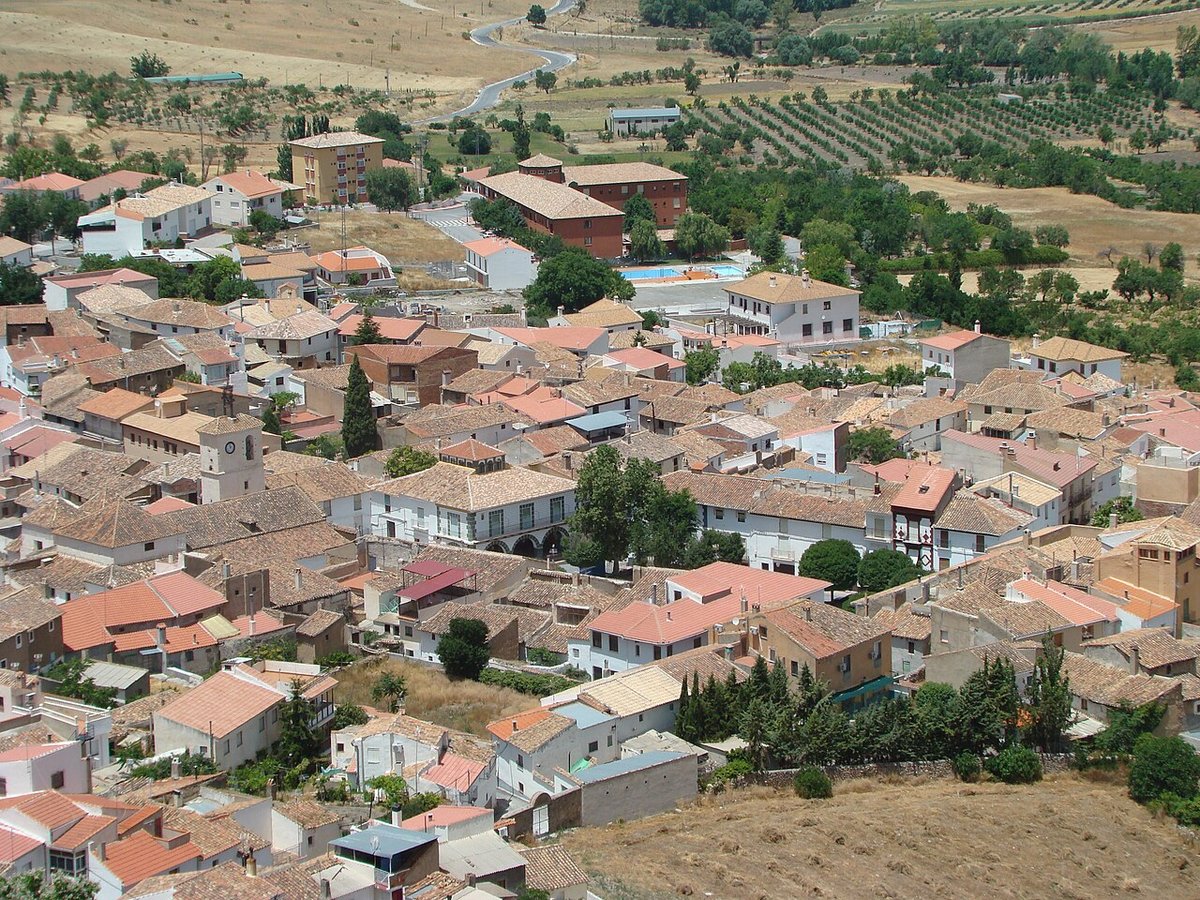
The centre of Darro is easy to cover on foot. Narrow streets, short inclines and whitewashed houses with flowerpots on the windows. This is typical of this part of Granada, though here everything feels compact.
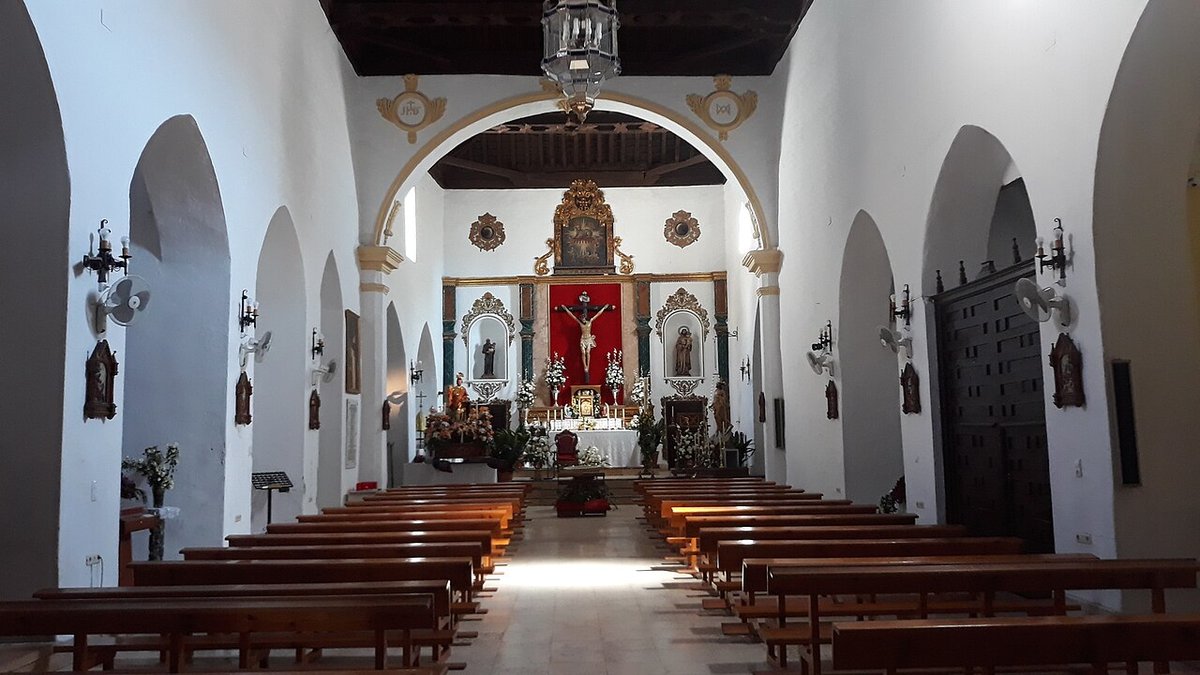
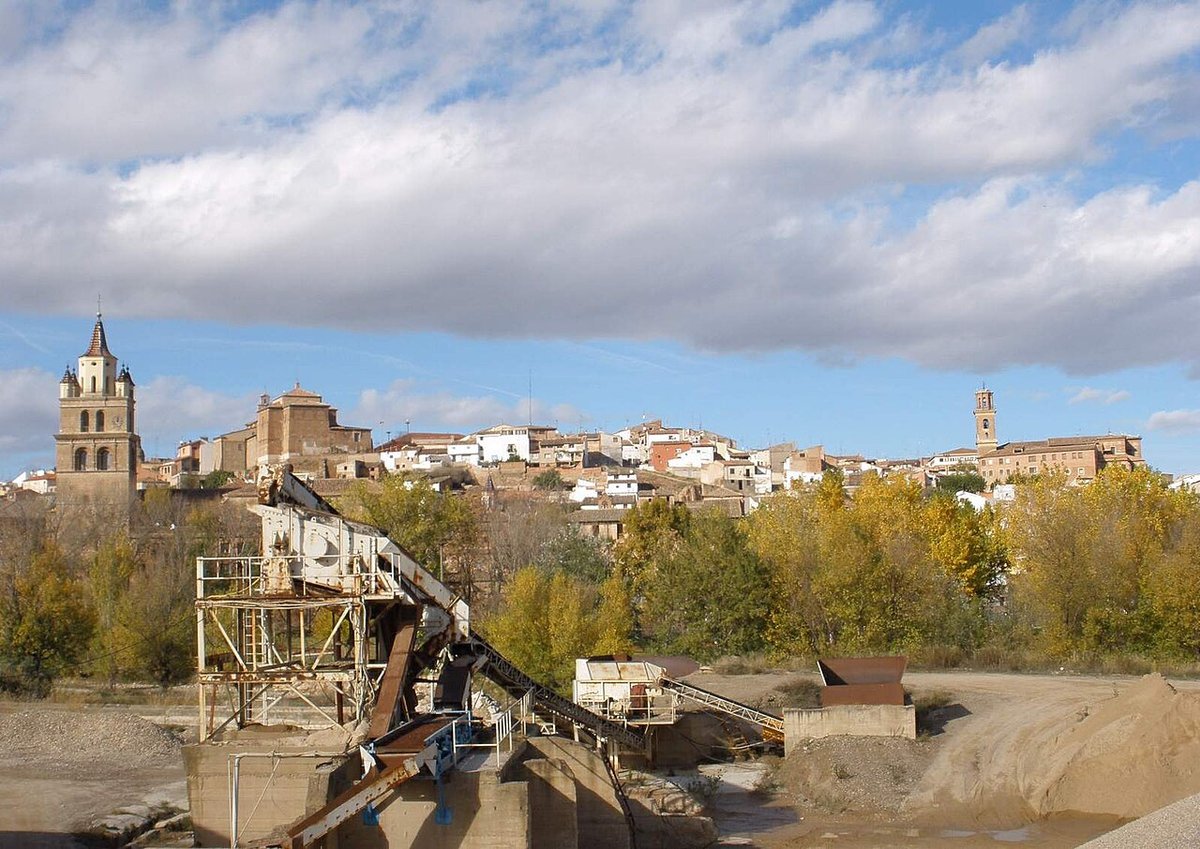
The clearest point of reference is the Iglesia de la Anunciación. Its Mudejar-style tower can be seen from several spots in the village, so it works as a kind of guide while you wander. Inside, the atmosphere is usually simple and quiet. It is the kind of space you step into for a moment to escape the sun and end up sitting in for longer than expected.
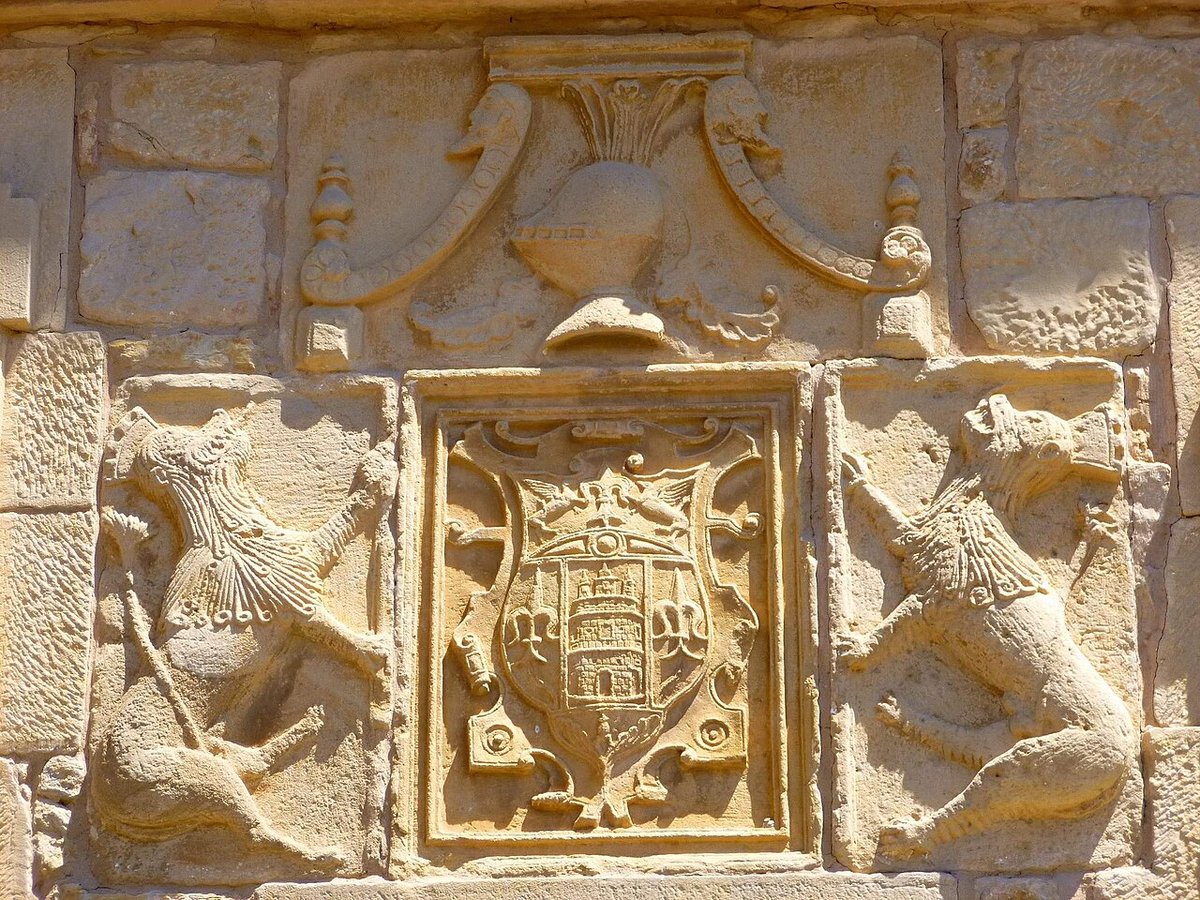
What stands out most in Darro are the details. Old iron grilles, carved stone above certain doorways, benches that seem to have been there for decades. It feels like a place where daily life still matters more than visitors, and that shapes the way everything looks and moves.
If you follow the streets that climb upwards, sooner or later an open view appears. There is not always a sign marking a viewpoint. You simply reach the end of a street and the landscape opens out. On one side lies the Hoya de Guadix, and on clear days the peaks of Sierra Nevada rise in the distance.
Around Darro: riverbanks and low hills
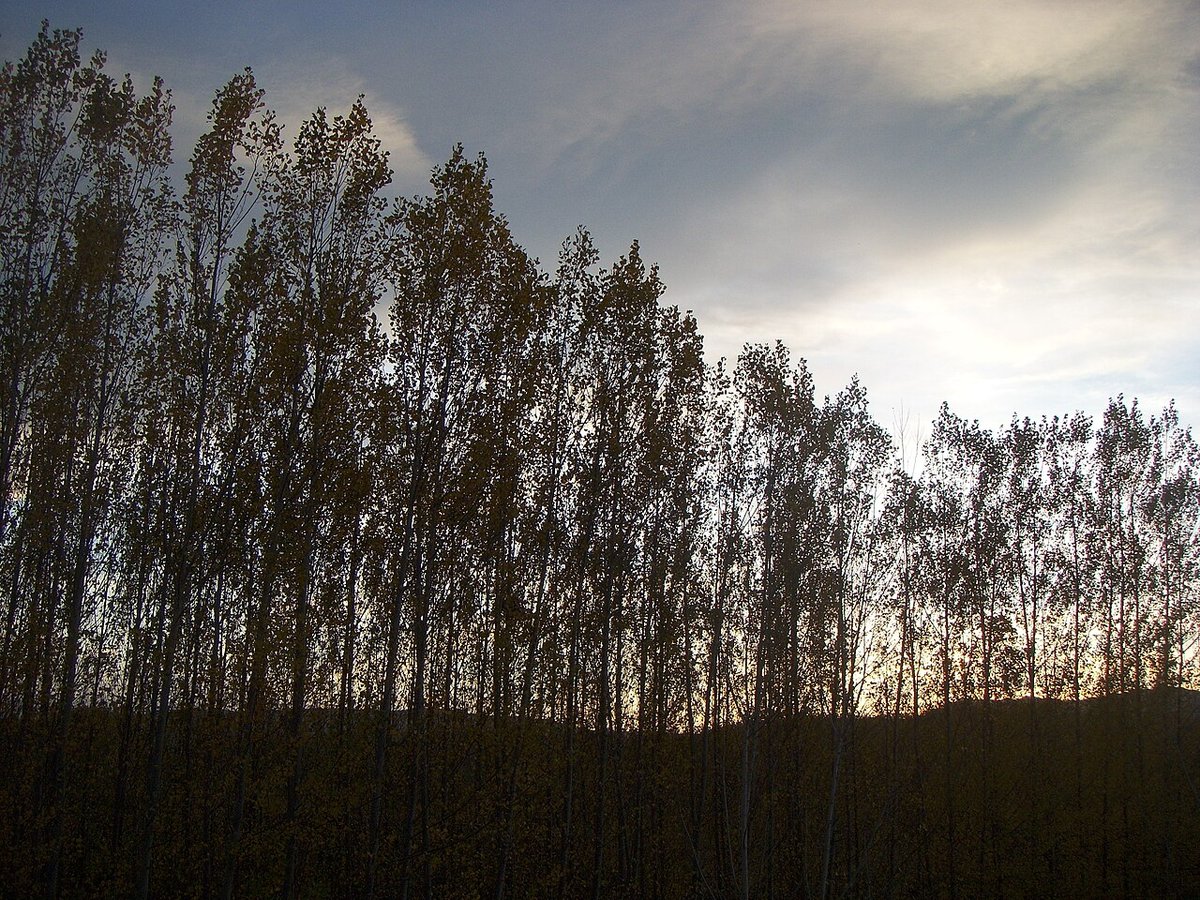
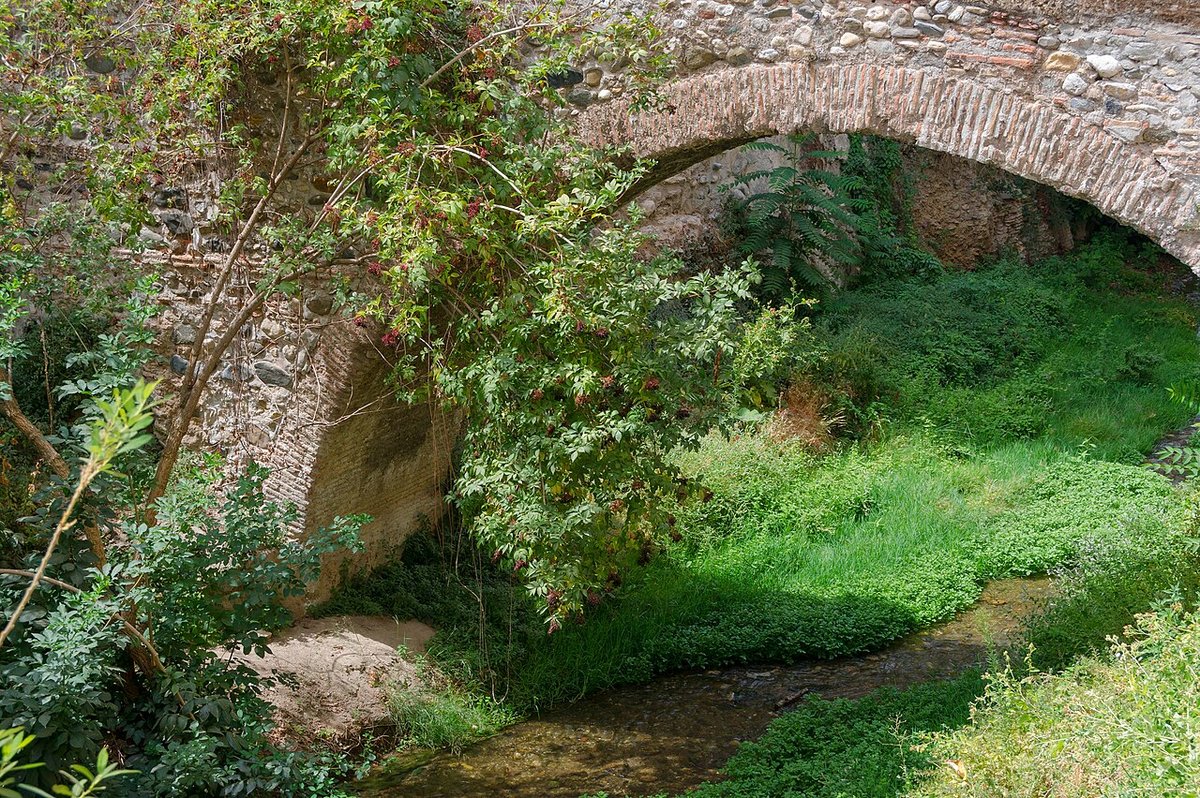
The río Darro runs alongside the village, creating a greener strip that is especially welcome in hot weather. Paths follow its banks, used by locals for walking. After wetter periods the ground can be muddy, so it makes sense to wear suitable footwear.
The nearby hills also hold scattered archaeological remains. This is not a set-up visitor site or a managed park. These are places better known to locals or to those who arrive having done some reading beforehand. Anyone interested in the area’s ancient past will find it worthwhile to learn a little in advance and take time exploring the rural paths.
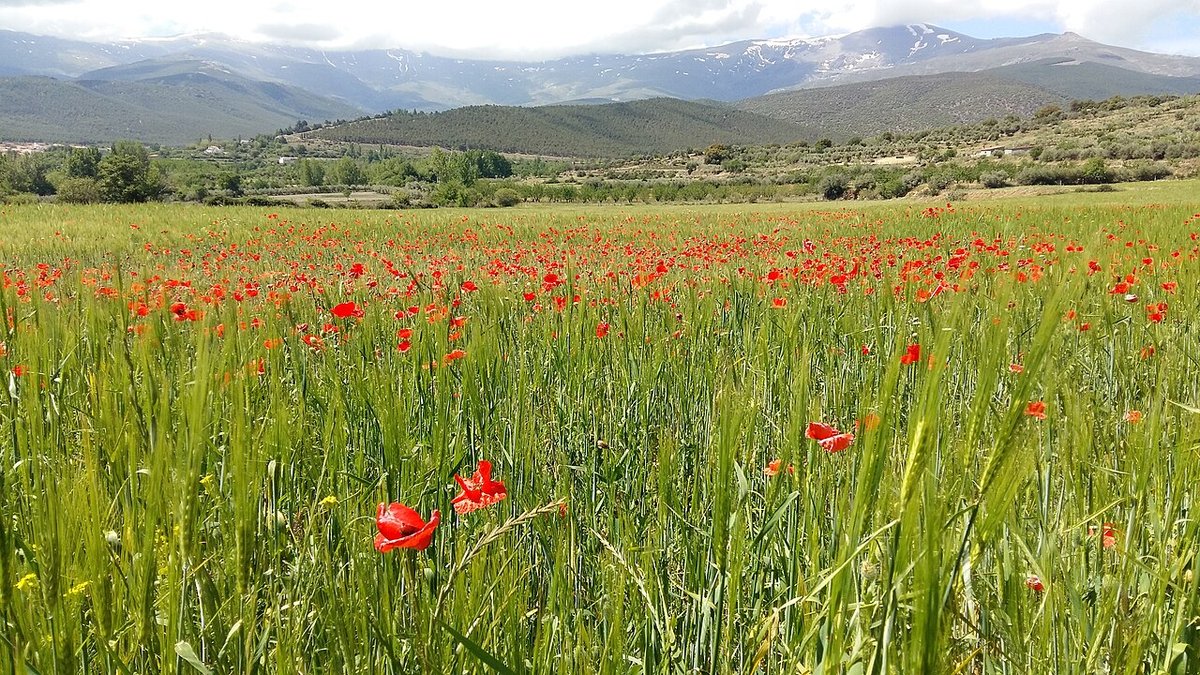
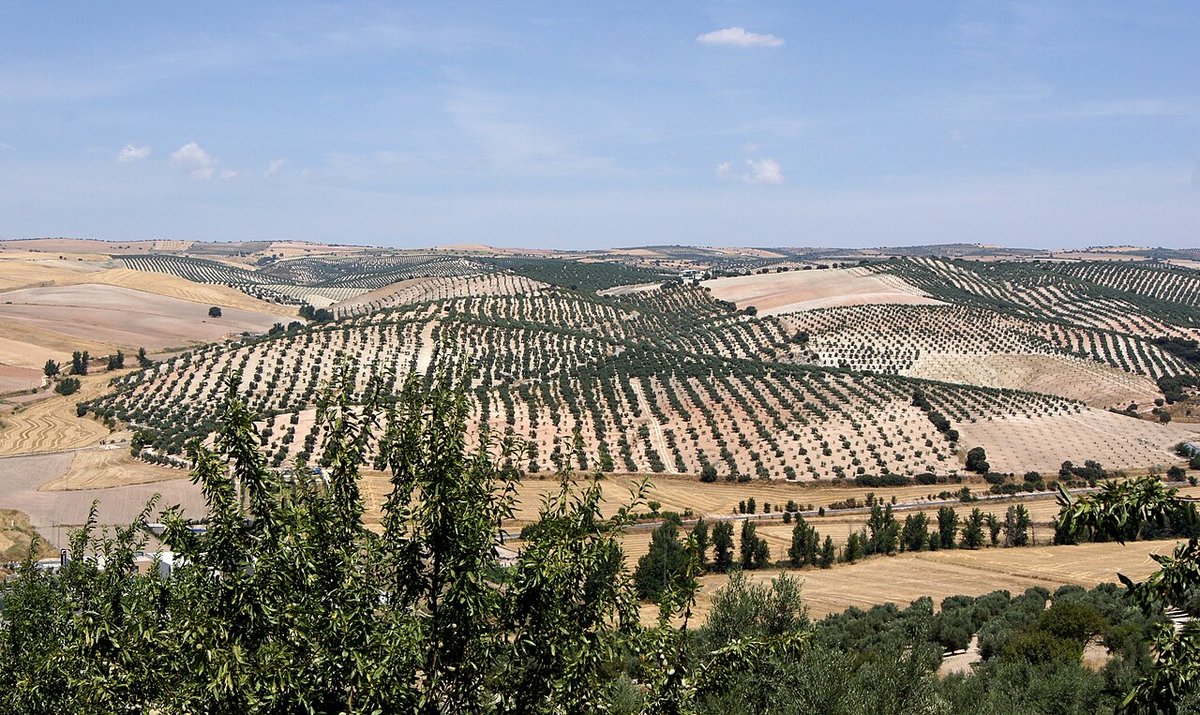
The surrounding landscape reflects the character of this part of the province. Gentle hills, open fields and the dry light typical of the Granada plateau define the scenery.
Food and the rhythm of the place
The cooking in Darro matches what you would expect from an inland agricultural village. Dishes are hearty and designed for people who have spent the morning working outdoors. Migas, lamb or kid stews, cured meats and goat’s cheese are all part of the local table.
There is nothing elaborate about it. The food is direct and filling, the kind that naturally leads into a short afternoon rest.
Local traditions still shape the calendar. Summer brings the patron saint festivities, while Semana Santa, the Holy Week before Easter, is marked with processions that reflect long-standing customs across Andalusia. In winter, many households continue the matanza, the traditional pig slaughter. It is not presented as a show for visitors, but remains a family practice that still makes sense in this setting.
These rhythms give a clearer sense of the place than any single landmark.
A calm and simple visit
Darro does not demand a full day. In fact, it works best as a short stop if you are already in Guadix or travelling between villages in the area. A walk through the centre, some time spent looking out over the landscape, and something to eat are enough to understand what it offers.
In summer, it is wise to avoid the middle of the day. The sun is strong and there are few long shadows in the streets. Early morning or late afternoon feels very different, with a softer atmosphere.
Spring and autumn are usually the most pleasant seasons. The surrounding fields show more colour, and the temperatures are better suited to walking.
Reaching Darro is straightforward from Granada via the A-92 towards Guadix, followed by the turn-off to the village. Once there, it is easiest to park in an open area and continue on foot. The streets are narrow and can be steep in places.
Darro does not try to impress, and that is part of its appeal. You step out of the car, wander without a plan, and when you leave there is a sense of having seen a very real piece of the Guadix area.