Full Article
about Dólar
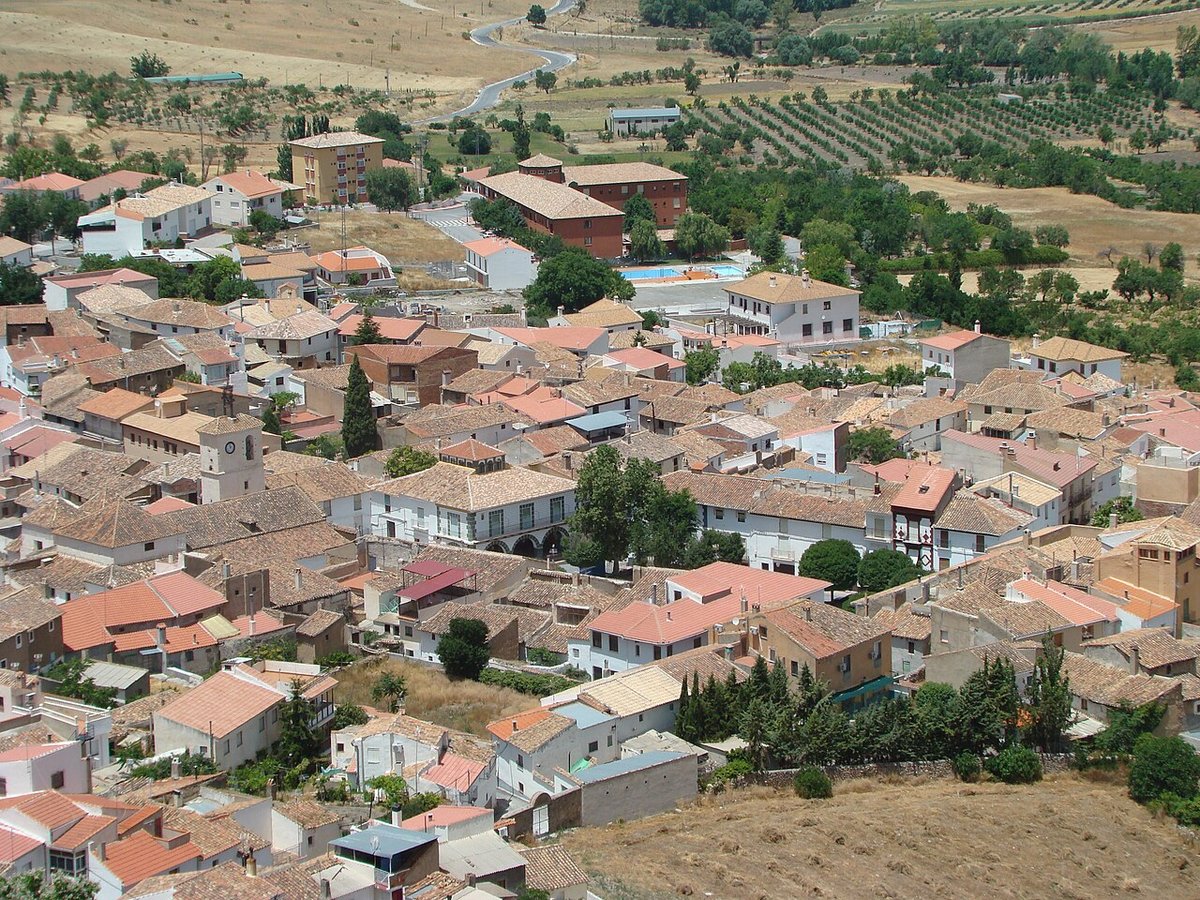
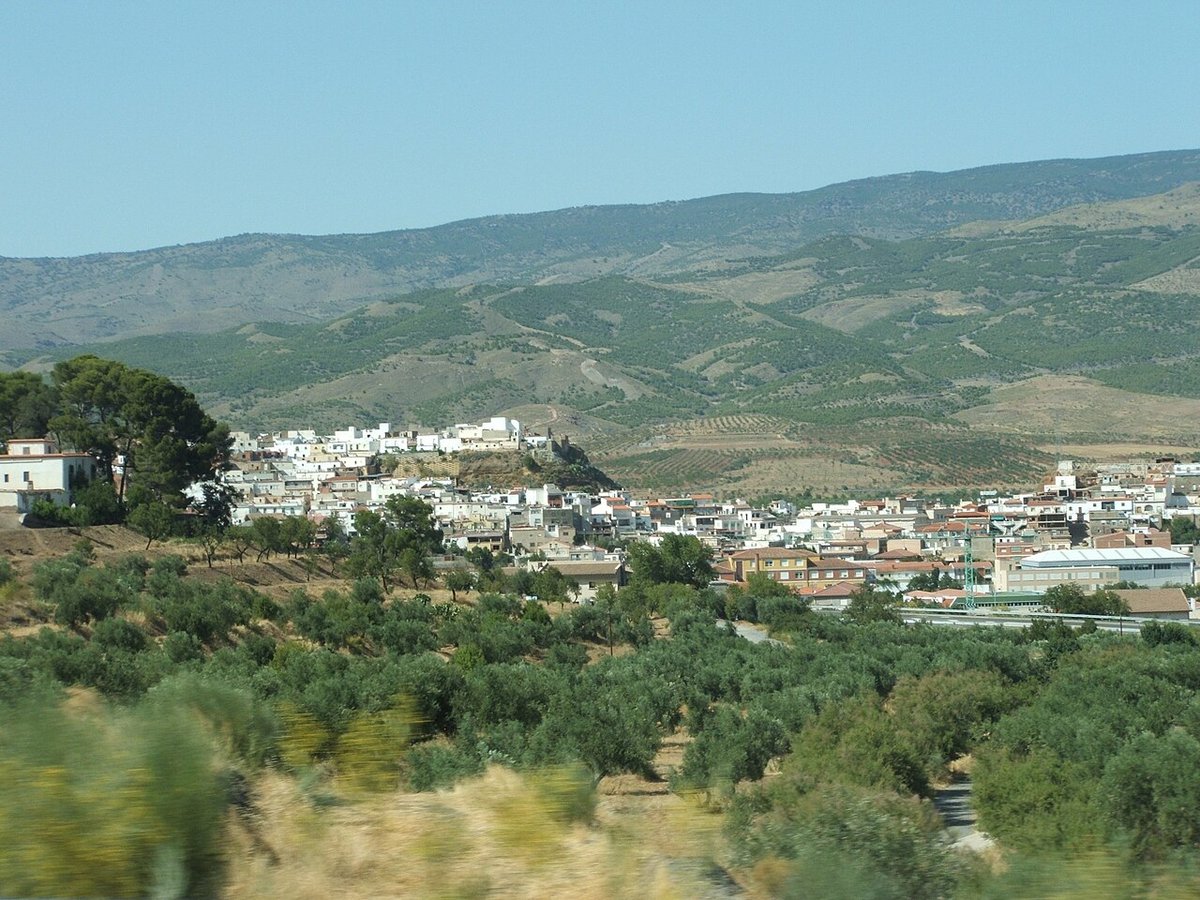
Mountain village with remains of an Arab castle; on the north slope of Sierra Nevada, cool climate and plenty of water
Ocultar artículo Leer artículo completo
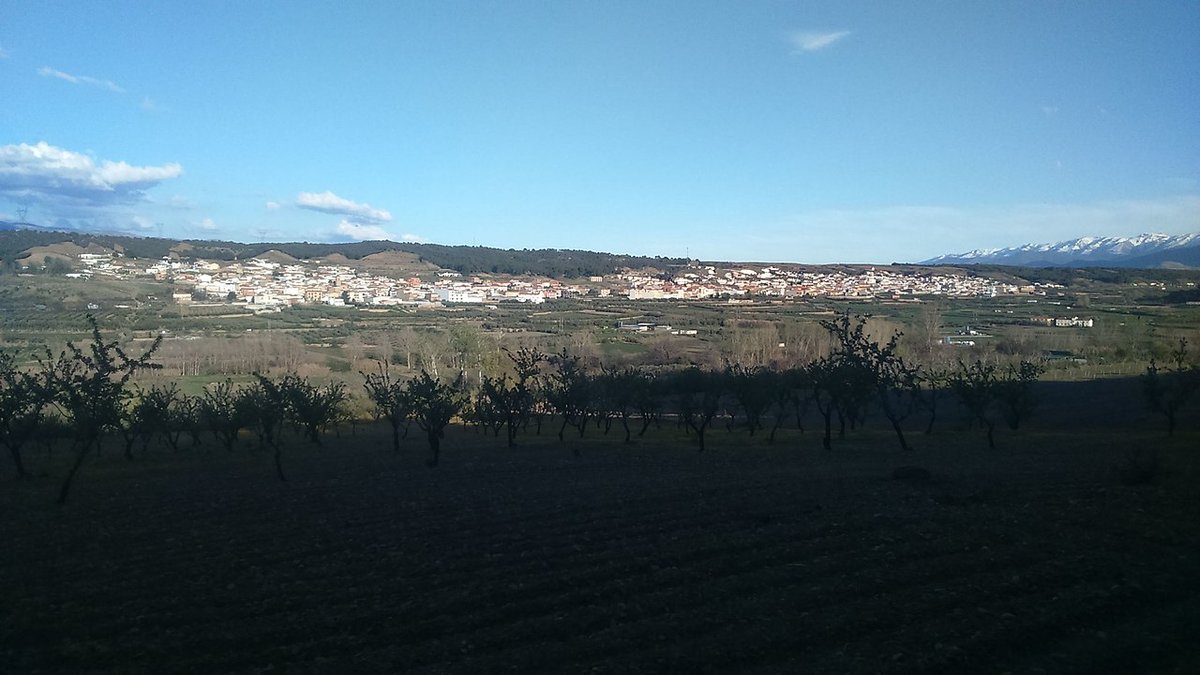
The morning frost lingers longer here than in Granada below. At 1,200 metres above sea level, Dólar wakes slowly, white-washed walls catching the first light as smoke rises from chimneys that work year-round. This isn't the Andalucia of postcards—no beaches, no flamenco bars, no package tourists. Instead, you'll find a mountain village where winter temperatures drop below freezing and summer brings relief from the coast's oppressive heat.
The Vertical Village
Dólar clings to the Sierra Nevada's lower slopes with determined practicality. Its 620 inhabitants have learned to build upwards, not outwards, creating a maze of narrow streets that climb steeply between houses. The gradient is unforgiving; what looks like a gentle stroll from the village square becomes a thigh-burning ascent within minutes. This vertical layout isn't picturesque—it's necessary. Every metre of flat ground is precious, reserved for vegetable plots and the occasional terrace where almond trees manage to take root.
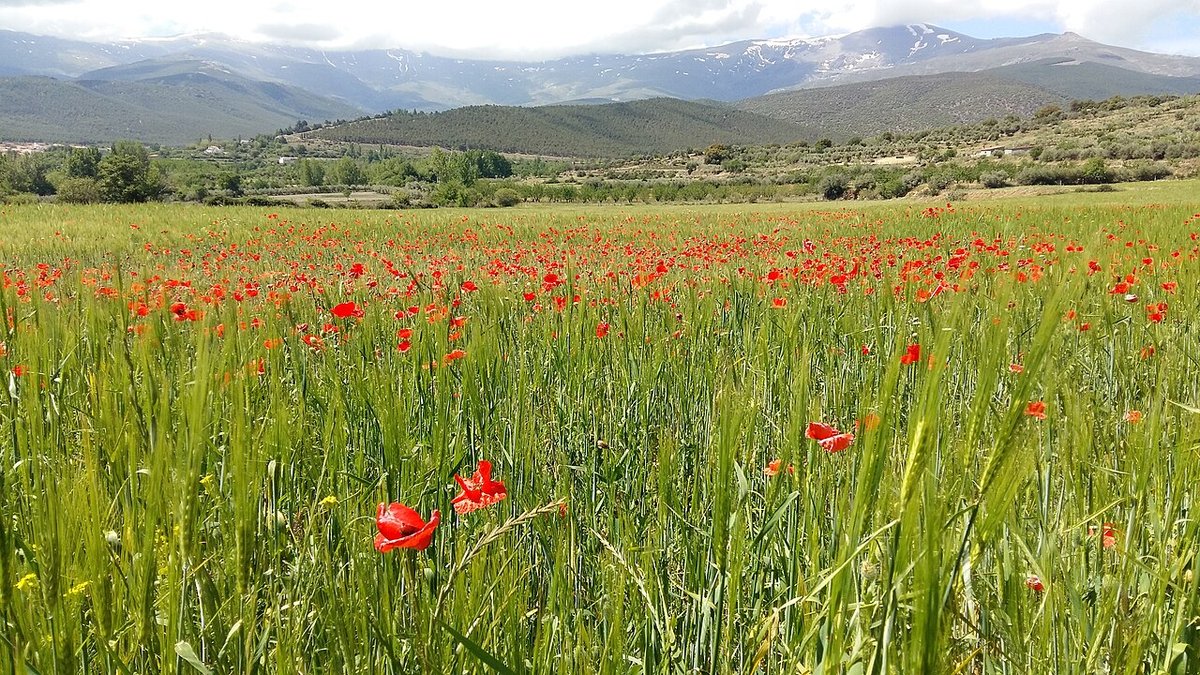
The altitude changes everything. Spring arrives three weeks later than Granada, autumn two weeks earlier. Olive trees, those stalwarts of southern Spain, give way to hardy almonds and pines. The air carries a pine resin sharpness missing from the coast, and on clear days—the majority, thankfully—the views extend across the Guadix basin to the snow-capped peaks that tower another 2,000 metres above the village.
Walking into the Sky
You don't need a car to escape Dólar. Paths radiate from the upper streets like spokes, each promising different degrees of exertion. The gentlest route follows an old irrigation channel westwards, where stone walls still channel precious meltwater to terraced vegetable plots. Here, elderly villagers tend tomatoes and peppers in soil they've enriched with goat manure for decades. They'll nod at passing walkers but rarely pause—mountain time runs differently, and vegetables won't tend themselves.
More demanding tracks climb directly into the Sierra Nevada Natural Park. Within thirty minutes, the village shrinks to toy-town proportions below. After an hour, you're among pines where the only sounds are your footsteps and the occasional cry of a golden eagle riding thermals overhead. These aren't groomed trails with way-markers every hundred metres—they're working paths connecting long-abandoned cortijos (farmsteads) where families once lived year-round, surviving on what they could coax from thin soil and thinner air.
Winter transforms these routes entirely. Snow arrives reliably from December through March, sometimes cutting the village off for days. Locals keep chains in their cars from October onwards; visitors who don't rarely make the same mistake twice. But when the white stuff falls, Dólar becomes something extraordinary. The silence deepens. Smoke from chimneys forms vertical columns in still air. And those who've bothered to bring proper boots discover walking routes that become entirely different propositions under snow.
Food for Altitude
Mountain cooking means one thing: calories. The village's two bars serve food that would horrify nutritionists but makes perfect sense at altitude. Migas—literally "crumbs"—transforms stale bread into a feast fried with garlic, peppers and enough olive oil to worry the EU's agricultural policy. Choto al ajillo (young goat with garlic) appears on weekends, the meat so tender it falls from bones that have grown slowly in mountain air. Gachas, a thick porridge once eaten by shepherds who spent weeks in high pastures, sticks to ribs with determined efficiency.
Vegetarians struggle. This isn't Malaga with its trendy vegan tapas—this is a village where growing seasons are short and protein matters. The best bet? Ask for huevos rotos con patatas—broken eggs over fried potatoes—simple, filling, and available everywhere. Wash it down with local wine that costs €1.50 a glass and tastes like it remembers the soil it grew in.
When the Village Celebrates
March brings the fiesta patronal, three days when Dólar's population quadruples. Returnees arrive from Barcelona, Madrid, even Manchester and Birmingham, their suitcases full of presents and their children speaking Spanish with strange accents. The village square hosts a temporary bar, lights strung between buildings create a ceiling of bulbs, and elderly women who rarely leave their houses suddenly appear in immaculate black dresses.
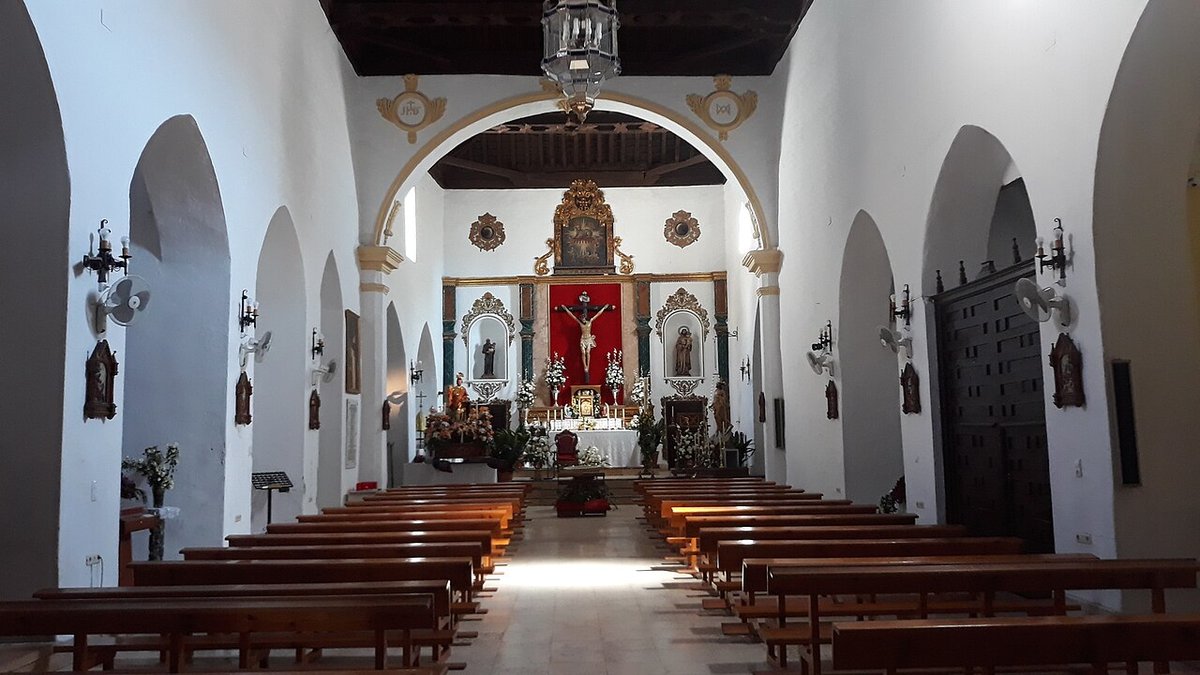
Processions for the Virgen de la Encarnación wind through streets too narrow for the turning circle of modern cars. Men in dark suits carry the statue on shoulders broadened by years of agricultural labour. Women follow behind, their voices rising in hymns that echo off stone walls unchanged since their great-grandmothers sang the same melodies.
August's summer fiesta is different—louder, younger, more secular. A sound system appears in the square, playing everything from traditional sevillanas to reggaeton at volumes that would trigger noise complaints in Sheffield. Temporary fairground rides occupy the football pitch. Teenagers who've spent the rest of year desperate to escape suddenly rediscover village loyalty, posting Instagram stories tagged #dolarpueblo.
The Practical Reality
Getting here requires commitment. From Granada's airport, it's 95 kilometres via the A-92 to Guadix, then increasingly minor roads that wind upwards through landscapes where phone signal becomes intermittent. Hire cars need to be returned with full tanks—the nearest petrol station is 20 kilometres away in Guadix, and mountain driving drinks fuel.
Public transport? Forget it. One bus daily connects to Granada at 6:30 am, returning at 7 pm. Miss it and you're stranded. Taxis from Guadix cost €40—if you can find a driver willing to make the journey.
Accommodation is limited to three village houses renovated for visitors. They book solid during Easter and August fiestas, empty during winter when heating costs make short breaks uneconomical. Prices range from €60-80 nightly, including wood for fires that you'll definitely need October through April.
The altitude hits visitors harder than expected. That second glass of wine goes straight to your head. Simple walks leave you breathless. Nights drop to 5°C even in May. Pack layers, proper boots, and abandon any notion of travelling light—mountain weather changes hourly.
Dólar won't suit everyone. There's no nightlife beyond the two bars that close at midnight. Restaurants don't exist—eating means bar food or self-catering. English isn't spoken; attempts at Spanish are appreciated but grammatical errors inevitable. Phone signal disappears inside stone houses. WiFi exists but streams at pre-broadband speeds.
Yet for those seeking Spain beyond the Costas, where village life continues regardless of tourism's whims, where walking routes start from your doorstep and views extend across three provinces, Dólar offers something increasingly rare: authenticity without artifice. Just remember to bring a jacket. Even in July, mountain nights have a habit of reminding visitors exactly how high they really are.