Full Article
about Ferreira
Mountain village in the Marquesado del Zenete; typical highland architecture and access to the Puerto de la Ragua.
Hide article Read full article
Morning light and mountain air
Early in the morning, when the sun begins to touch the slopes of Sierra Nevada, thin threads of smoke still rise from the chimneys of Ferreira. Cold air slips through its narrow streets and the smell of burning wood lingers. Somewhere in the distance a dog barks, and if you stop for a moment, you might catch the sharp sound of a wooden door closing against the wind.
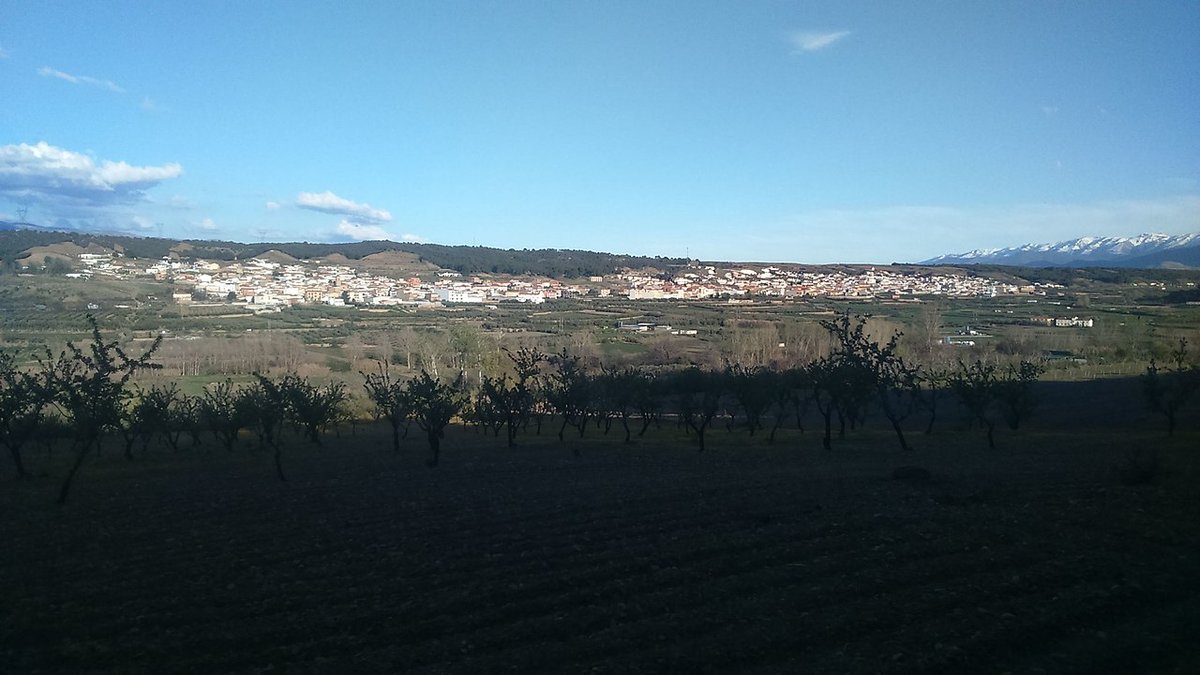
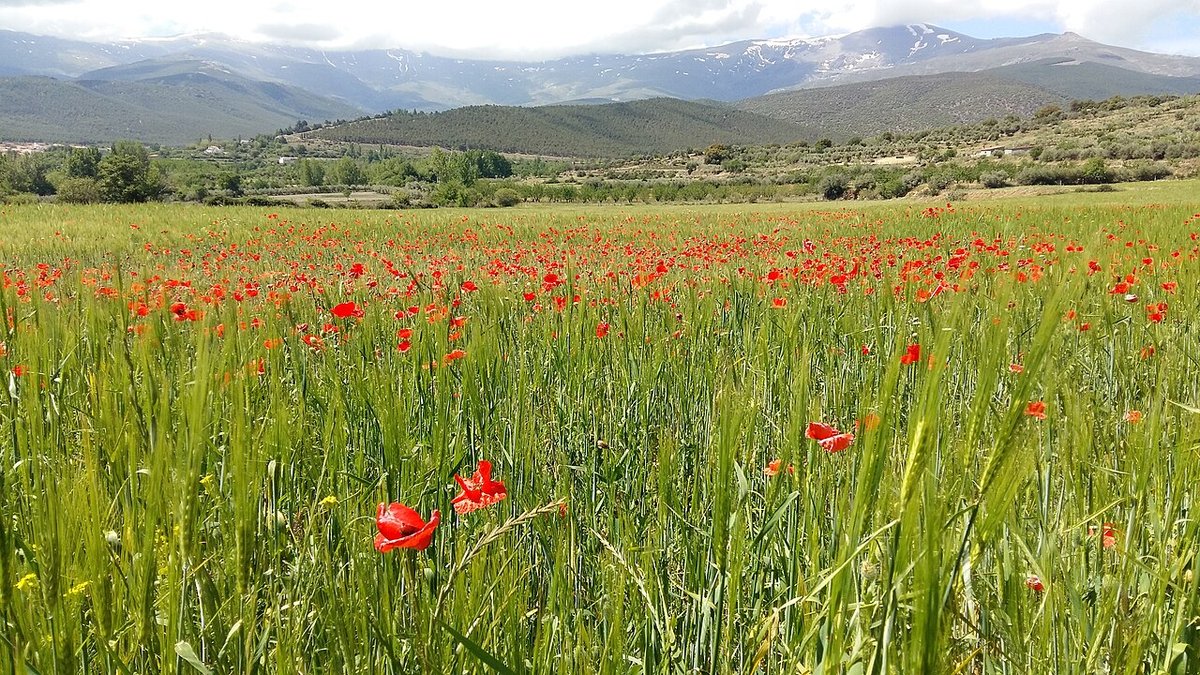
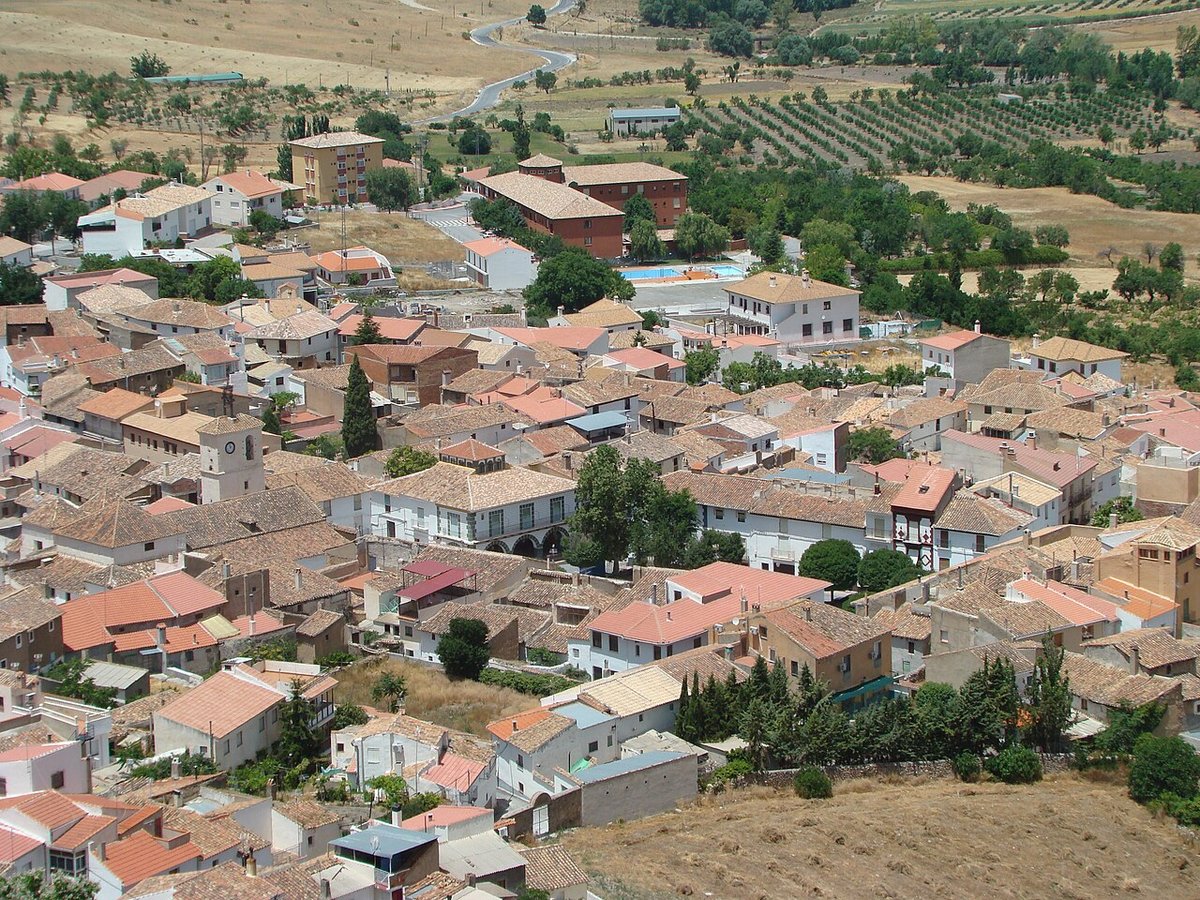
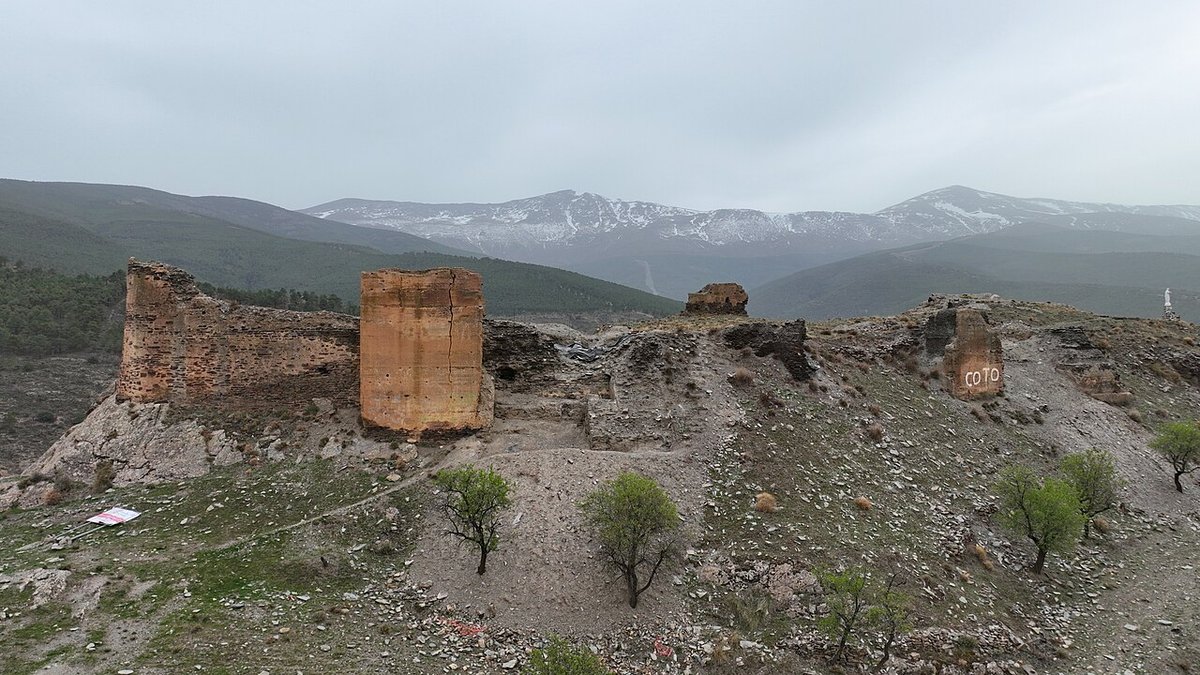
Ferreira sits in the Guadix area of Granada province and has just over 290 inhabitants. It clings to the northern slope of Sierra Nevada at more than 1,200 metres above sea level. The mountain is not just a backdrop here. It shapes the climate, the crops and the rhythm of daily life. The highest peaks are relatively close, and in winter snow appears easily around the village.
A hillside village shaped by history
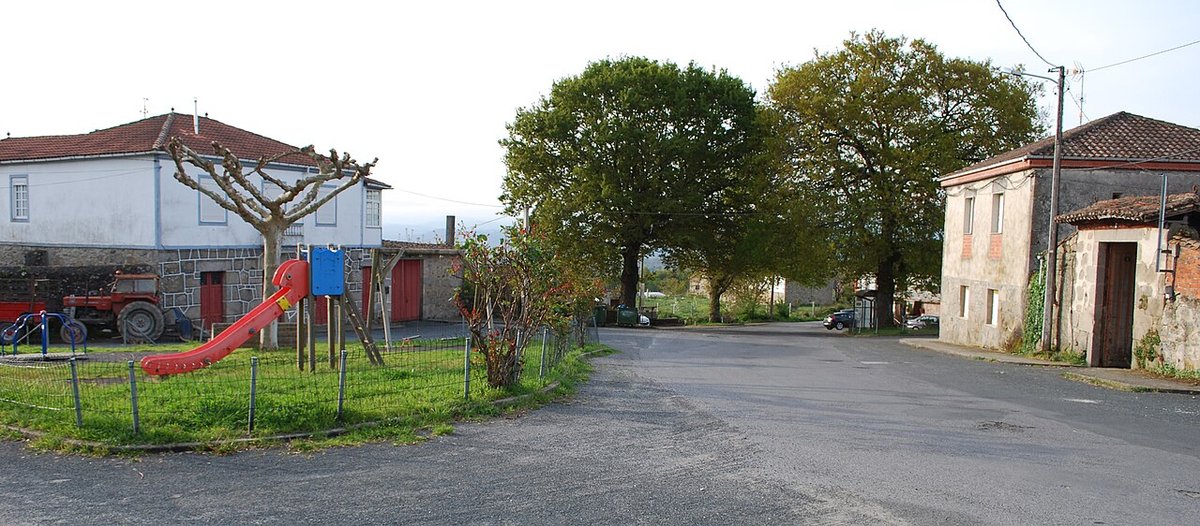
The streets rise and fall without much apparent order. There are stone walls, pale façades and some houses that still keep dark wooden beams marked by years of winter weather. At street corners, small patches of earth often collect, carried down by rain or by melting snow as winter comes to an end.
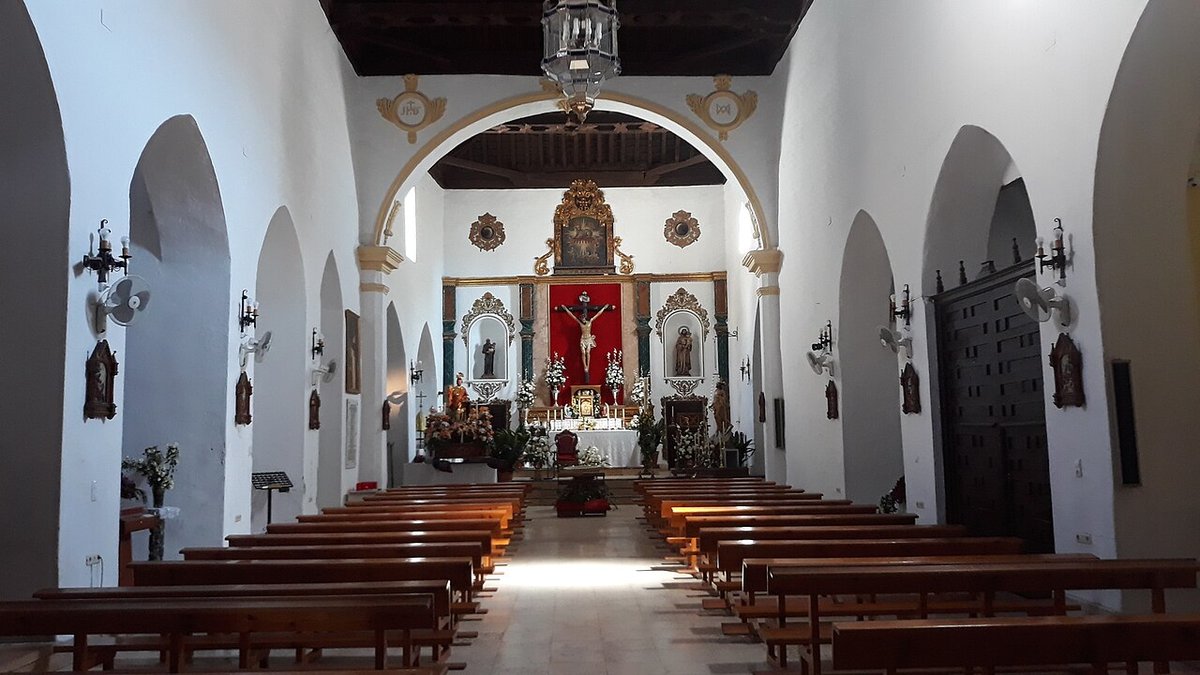
At the centre stands the parish church of the Anunciación. It is a simple building, constructed in the 16th century after the repopulation of this part of the Alpujarra granadina, a historic region on the southern and northern slopes of the Sierra Nevada. From certain viewpoints, its bell gable rises above the rooftops. Inside, the light enters softly and the silence is almost complete except during key moments in the local calendar.
One of those moments is the festival of Santa Ana, held at the end of July. People who live elsewhere for most of the year return, and the pace of the village shifts. There is more movement in the streets, music in the background and long conversations that stretch into the evening.
Paths into the Sierra Nevada
Several walking routes begin in Ferreira and lead out into the slopes of Sierra Nevada. Some follow old agricultural paths, while others climb towards more open ground where the landscape becomes wider and more stony.
As you gain height, the vegetation changes. Scattered holm oaks appear, along with Scots pine and low shrubs. On milder days, the scent of thyme is noticeable in the air. Among the limestone rocks grow small plants adapted to both the cold of winter and the dryness of summer.
Some routes are short enough for a relaxed morning walk, while others connect with longer trails that run through this part of the mountain range. It is sensible to carry water and something warm to wear even in spring, as the weather can change quickly when winds come down from the mountains.
Winter quiet and snow-covered streets
During the colder months, Ferreira becomes very still. Frost is common, and it is not unusual to see rooftops or the edges of paths covered in snow on certain winter days.
When this happens, the sound of the village shifts. Footsteps are softer, and the streets seem narrower. Residents tend to go out only when necessary, clearing the entrance to their homes, checking on animal pens or keeping an eye on nearby olive groves.
If visiting in winter, it is worth checking the condition of the roads beforehand. The final stretch leading up to Ferreira includes uphill sections, and ice or snow can make the drive slower and more demanding.
Food from the Guadix mountains
Cooking here follows the rhythm of the seasons and the needs of a mountain environment. On cold days, meals are filling and straightforward. Migas, made from stale bread, appear on the table, along with slow-cooked stews and cured meats prepared during winter, when the dry air helps preserve them.
Olive groves can be found in the surrounding area, and local olive oil is used widely. It is present in simple dishes as well as in hot soups that are especially welcome when temperatures drop.
Reaching Ferreira and taking it slowly
From the city of Granada, the drive takes a little over an hour. The route crosses the Guadix area before climbing towards the northern face of Sierra Nevada. The final road winds between gentle hills and shallow ravines before reaching the village.
Ferreira does not have a large number of services or a constant flow of visitors. For that reason, it suits a slower kind of visit, one focused on walking, observing the landscape and adjusting to the pace of the place.
If timing is flexible, the early morning or the end of the afternoon offers a particular kind of light. At those moments, the colour of the stone and the reddish earth of this part of Granada shifts subtly. The village seems even smaller against the mountain that surrounds it.