Full Article
about Fonelas
Known for its major paleontological site; a badland landscape with prehistoric dolmens along the Río Fardes.
Hide article Read full article
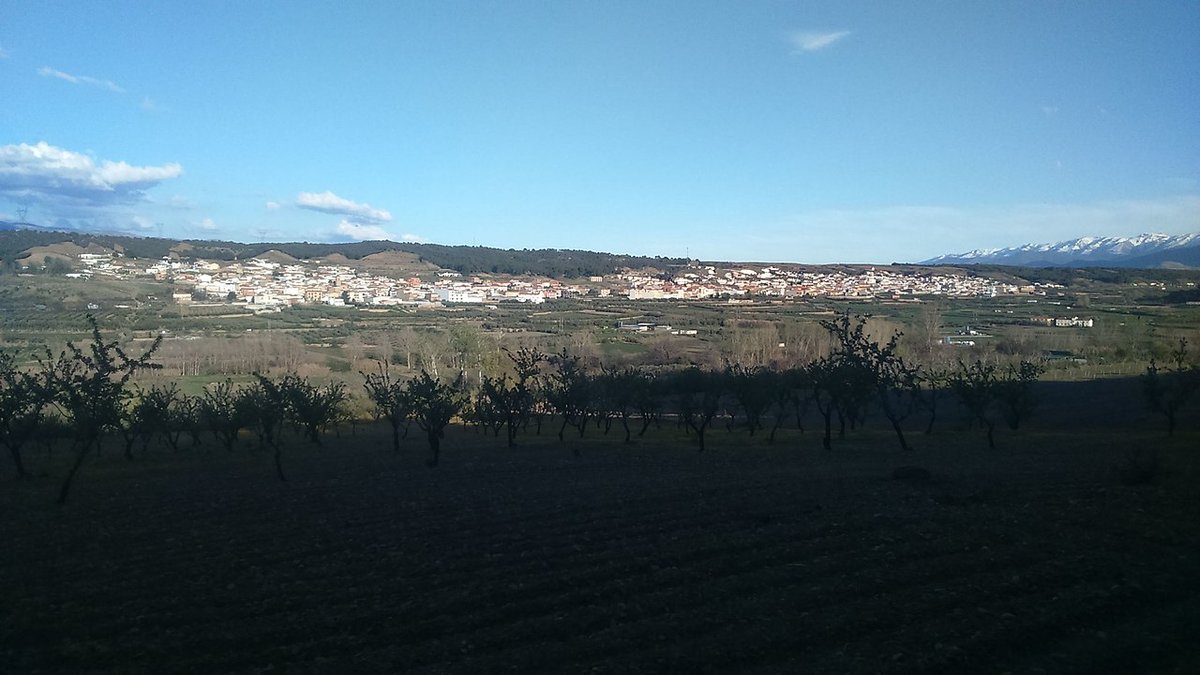
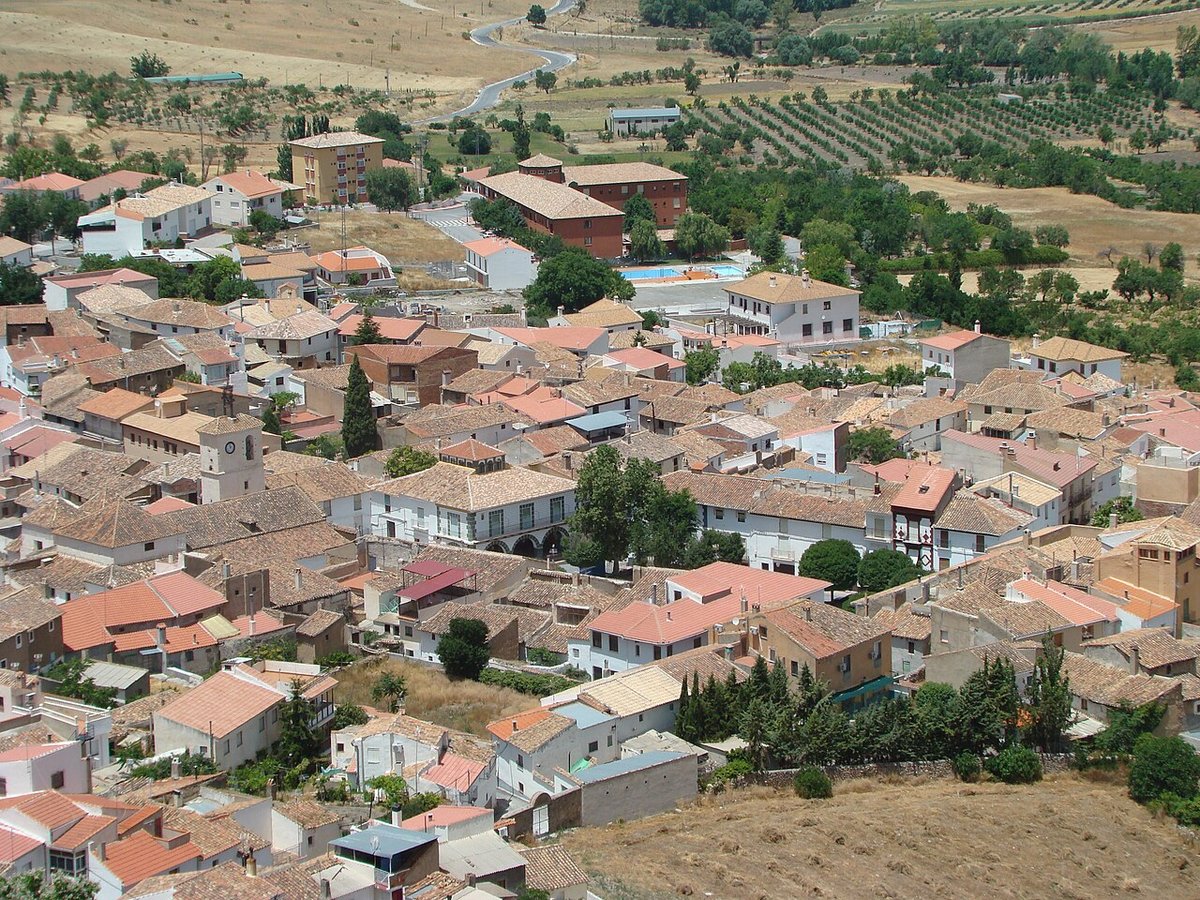
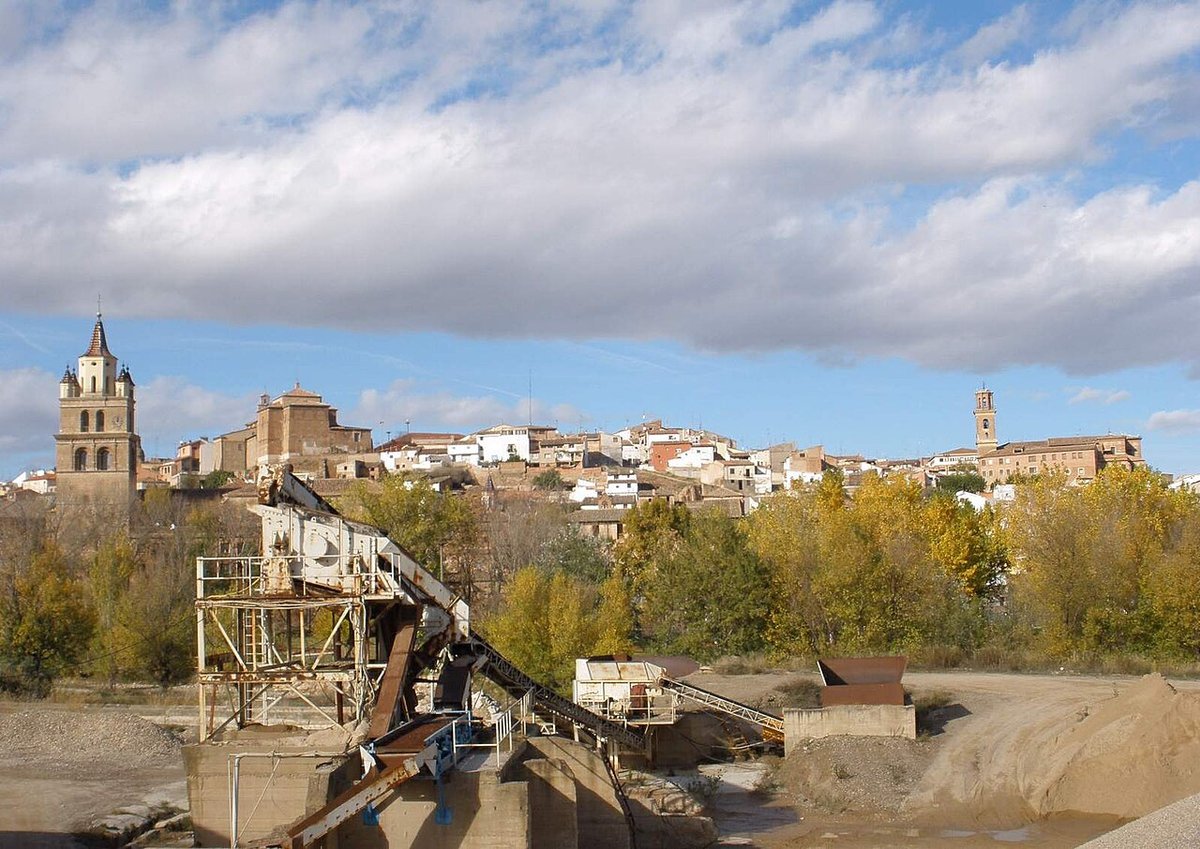
Early in the morning, when the sun is still low, the olive trees around Fonelas cast long shadows across the pale soil. Between their twisted trunks, the village comes into view little by little: white houses, the odd façade dulled by time, and the hush of a place that has yet to begin its day. At around 800 metres above sea level, in the comarca of Guadix, life revolves around the countryside. There are no grand buildings or monumental squares. The landscape of crops and the water that has sustained generations set the tone.
Fonelas shares with the rest of the comarca those gentle hills covered in olive groves that shift in colour as the light changes. In the morning the green looks almost silver. By late afternoon it deepens towards dark grey, as if a fine layer of dust had settled on the leaves. Among the olive trees stand scattered holm oaks, the occasional almond tree and small vegetable plots near the spots where water rises to the surface.
A small urban centre at walking pace
The village can be explored without effort. Streets are short, some with a slight incline, and wooden doors worn smooth by decades of use still open onto whitewashed walls that reflect the summer light intensely.
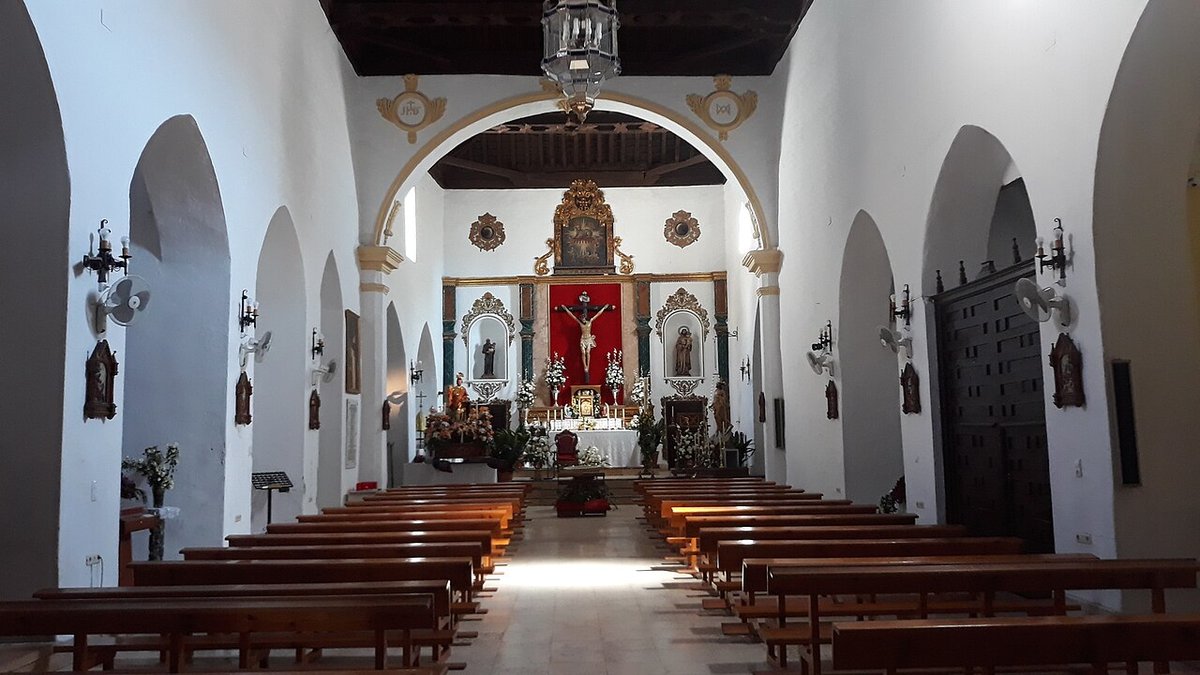
The parish church of the Inmaculada Concepción, dating back to the 16th century, occupies one of the most visible points in the village. Its exterior is sober, almost austere. Inside, elements from different periods sit side by side, which is common in churches that have evolved over the centuries as needs and tastes changed.
A little away from the centre stands the chapel of the Virgen del Rosario. Small and quiet, it is the kind of building often found closed except on significant days. Within, old religious paintings are preserved and cared for by local residents.
In several houses, inner courtyards can still be glimpsed through half-open doors or gateways. Pots of plants, climbing vines and aromatic herbs fill these private spaces. Around mid-morning, when someone waters the plants, the scent of damp earth mingles with rosemary or mint drifting into the street.
Dirt tracks, olive trees and water sources
Step beyond the last houses and dirt tracks begin almost immediately. There are no specially prepared walking routes or tourist signposts. These are agricultural paths that locals have long used to reach their fields.
One of the customary walks leads towards some of the fountains and springs in the surrounding area. The Fuente del Moral is often mentioned when asking for directions in the village. The path passes between old olive trees and small plots where seasonal vegetables are still grown.
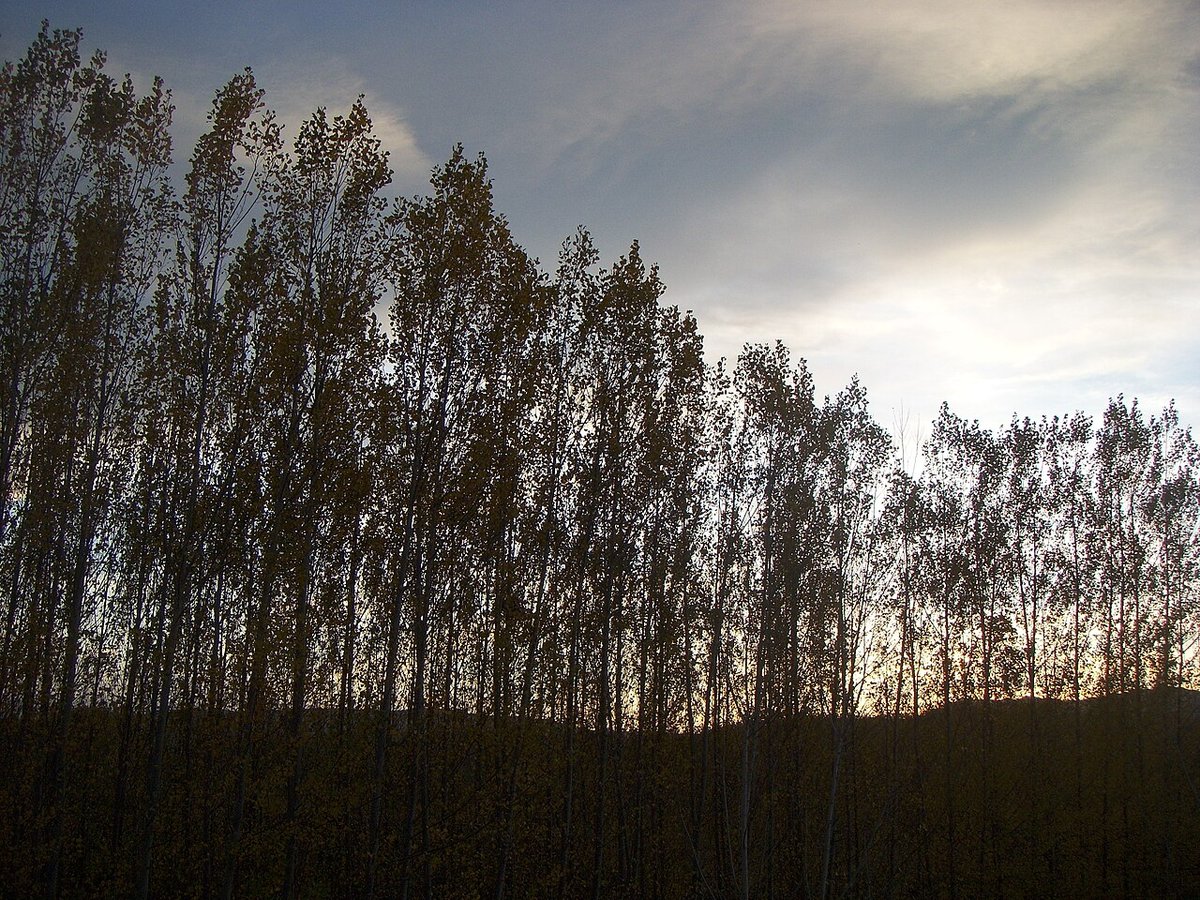
In summer, it is sensible to carry water and wear a hat. Shade is limited in many stretches, and the sun becomes intense from midday onwards. During autumn or towards the end of winter, walking here takes on a different character. The air is cold, the soil damp, and the steady sound of wind moving through the branches accompanies the route.
The appeal lies in these simple details: the texture of the earth underfoot, the muted colours of the groves and the steady presence of cultivated land that has changed little in its basic shape.
Cooking shaped by the seasons
The local cooking closely resembles that of other villages in the Guadix area. Dishes are straightforward and based on what the land provides at each time of year. Vegetables from the market garden, such as onions, broad beans and tomatoes when in season, appear in slow-cooked stews prepared without haste.
Olive oil forms the base of almost everything. In this part of Andalucía, olive growing has been the main crop for decades, and the oil produced in the comarca’s mills has a distinctive intensity that is noticeable even on a slice of freshly toasted bread.
In the village’s small shops, it is common to see bottles of oil from nearby producers alongside seasonal produce from local plots. The range changes with the calendar, reflecting what is being harvested at that moment rather than a fixed menu of goods.
Food here is tied to the agricultural cycle. The same groves and vegetable patches seen along the paths supply kitchens and tables, keeping the connection between landscape and daily life clear.
Celebrations rooted in the calendar
Festivities in Fonelas follow a pattern familiar across many Andalusian villages, combining religious tradition with gatherings among neighbours.
Around the feast of the Inmaculada Concepción in early December, the main celebration linked to the village’s patron saint takes place. Streets are livelier than usual, and relatives who live elsewhere often return for the occasion.
In spring, crosses decorated with flowers appear in some corners of the village. These Cruces de Mayo are simple in scale. There are no large stages or elaborate installations, just floral decorations prepared by residents themselves.
On the night of San Juan, around the summer solstice, it is common to see a bonfire. Old wood is gathered, people talk around the flames, and above them stretches a dark sky where the stars are clearly visible, a sight that has largely disappeared from city life.
These events do not transform Fonelas into a busy destination. They reinforce its sense of continuity, marking the year with familiar rituals that bring people together.
Getting there and choosing the right moment
Fonelas lies a few kilometres from Guadix. From Granada, the usual route is via the A‑92. Once in Guadix, the road towards Baza leads onwards to the village. The final stretch crosses open fields and is straightforward to drive.
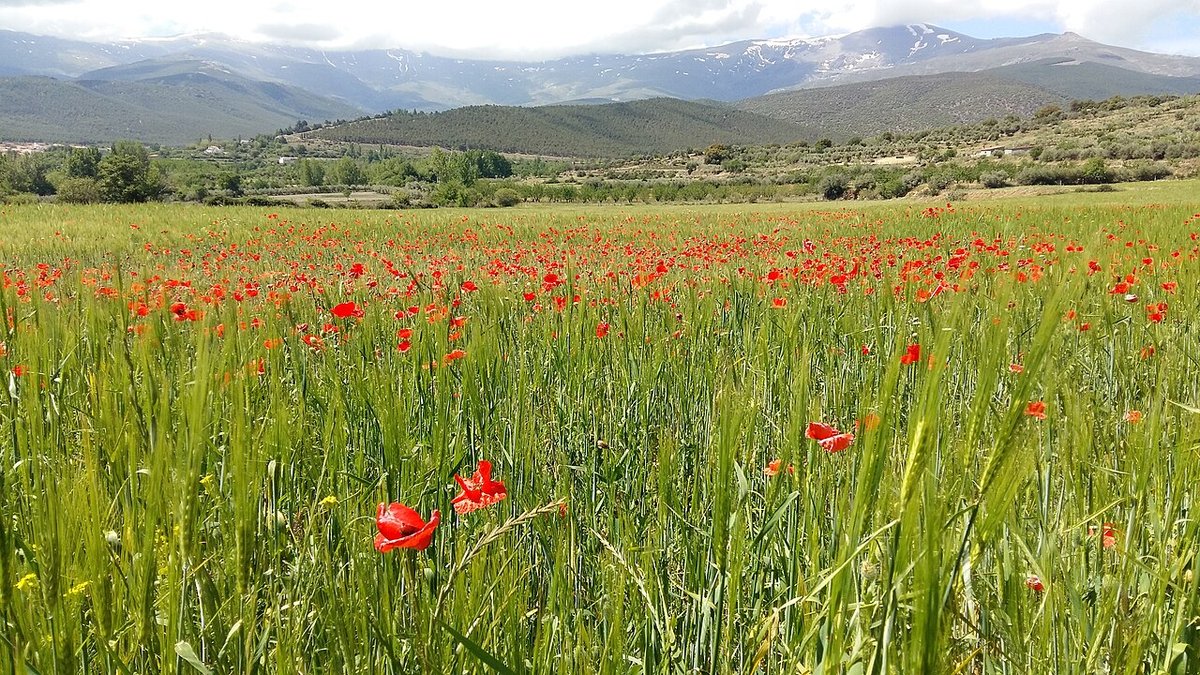
Those who want to explore the surrounding paths on foot should avoid the central hours of summer. The heat can be strong and shade is scarce. The milder months, late autumn, a gentle winter or early spring, allow for unhurried walks and a landscape that shifts in tone from dry golds to cooler greens and browns.
Fonelas does not rely on landmarks or headline attractions. Its character emerges through movement at a slower pace and attention to what is around you: olive trees bending in the wind, white façades under a clear sky, and the steady presence of water in a dry landscape.