Full Article
about Gor
A large mountain municipality with the Megalithic Park of Gor; gateway to the Sierra de Baza, rich in nature.
Hide article Read full article
A slower rhythm above Guadix
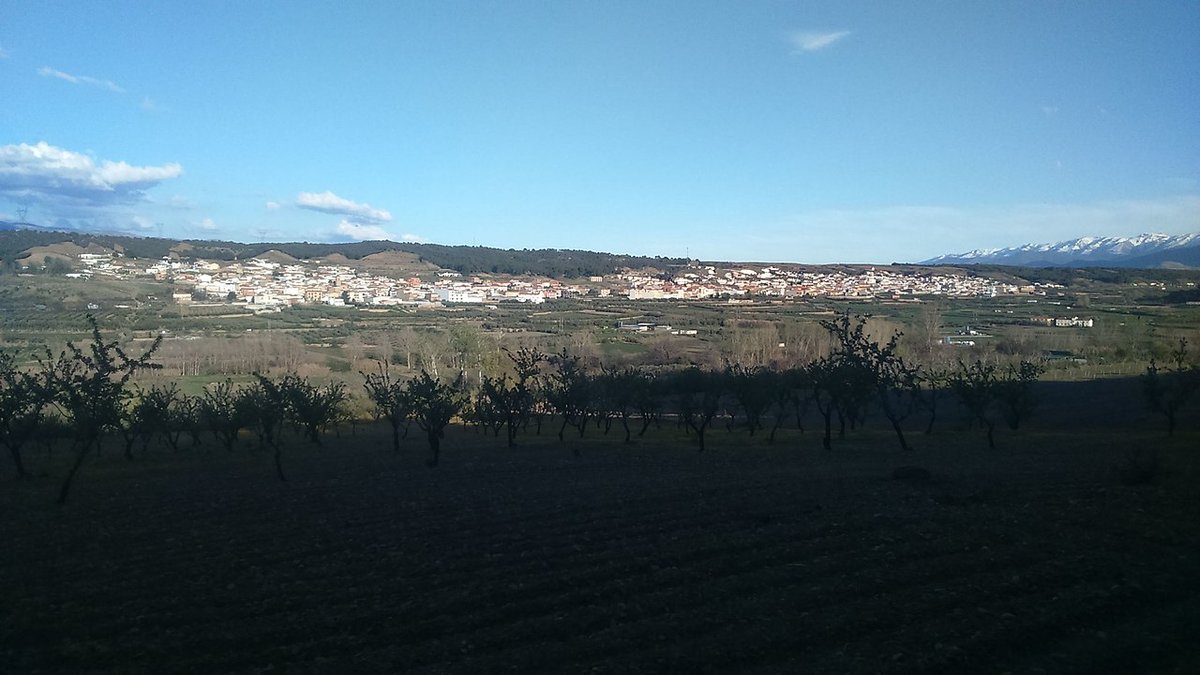
Some places are found almost by accident. You leave the main road on the way to Guadix and, without much warning, you arrive somewhere that feels as if the volume of the world has been turned down. That is the sense around tourism in Gor, a small village on the foothills of the Penibetic System, sitting at over 1,000 metres above sea level and still carrying the feel of a place where change has not rushed in.
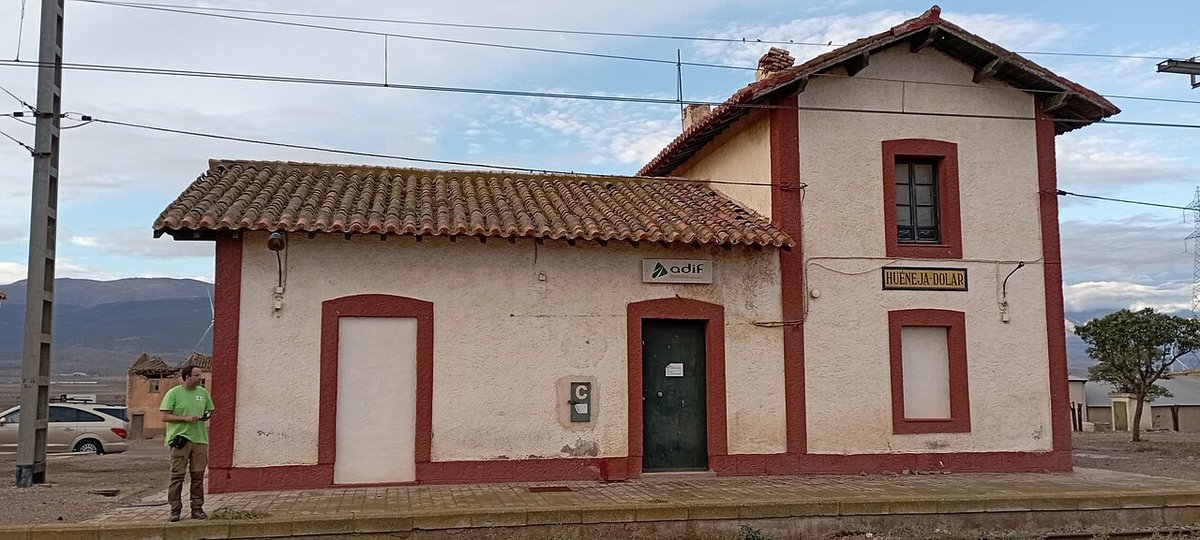
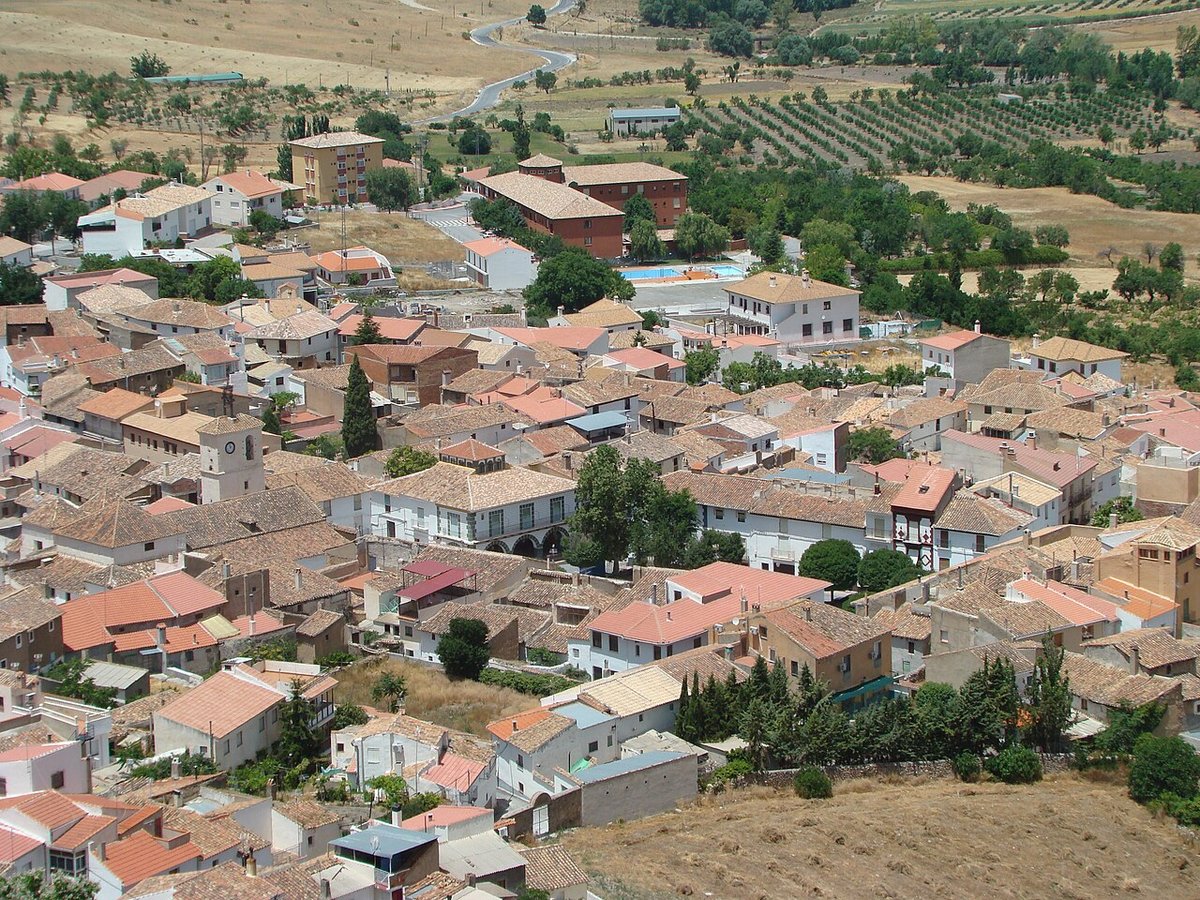
White houses line the streets, broken up here and there by brightly painted doors. The roads tilt and curve with the terrain, and in the distance Sierra Nevada is always present. Gor does not usually feature on fast itineraries through the province of Granada, and that likely explains its unhurried pace. You notice it as soon as the car is parked and the walking begins.
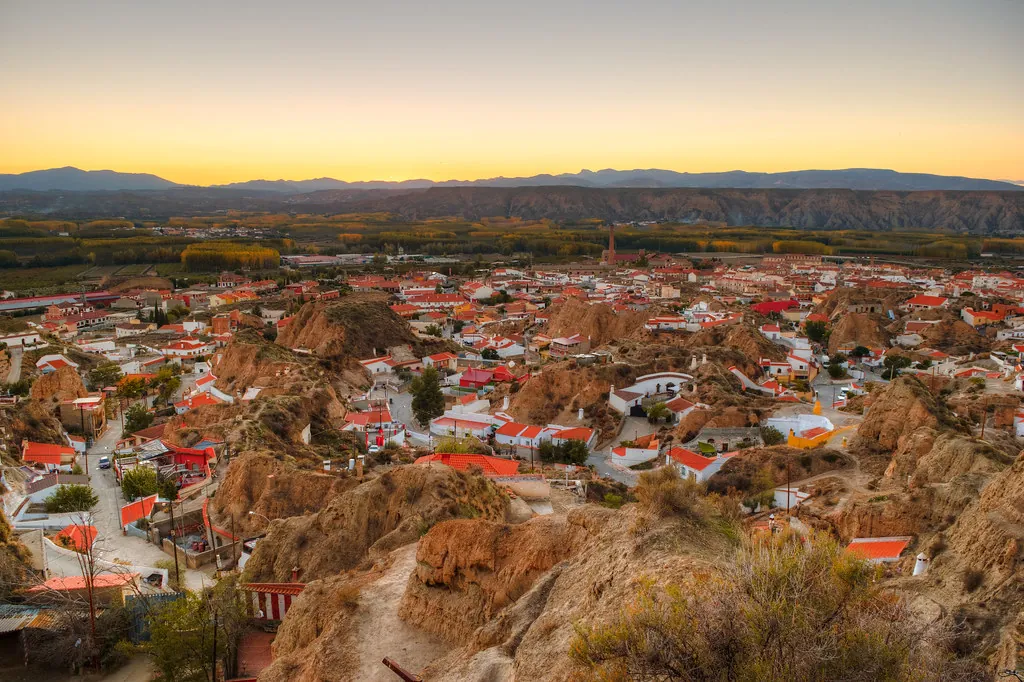
The name of the village is often linked to the Arabic word Gur, meaning “cave”. It makes sense once you see some of the homes dug into the soft rock, still in use in certain parts of the village. These are not arranged as a visitor attraction or anything similar. They are ordinary homes where people continue to live, shaped by a landscape that has always set the terms here.
Walking through Gor is just that: walking, without much of a plan. In summer, the sound of swifts cuts through the air. A neighbour might pass by. The surroundings slowly start to make sense. The rock formations in the area, eroded over centuries, have a strange, almost deliberate look, as though the land had been carved with patience.
Details that define the village
Gor is not about grand landmarks. Its character sits in quieter details.
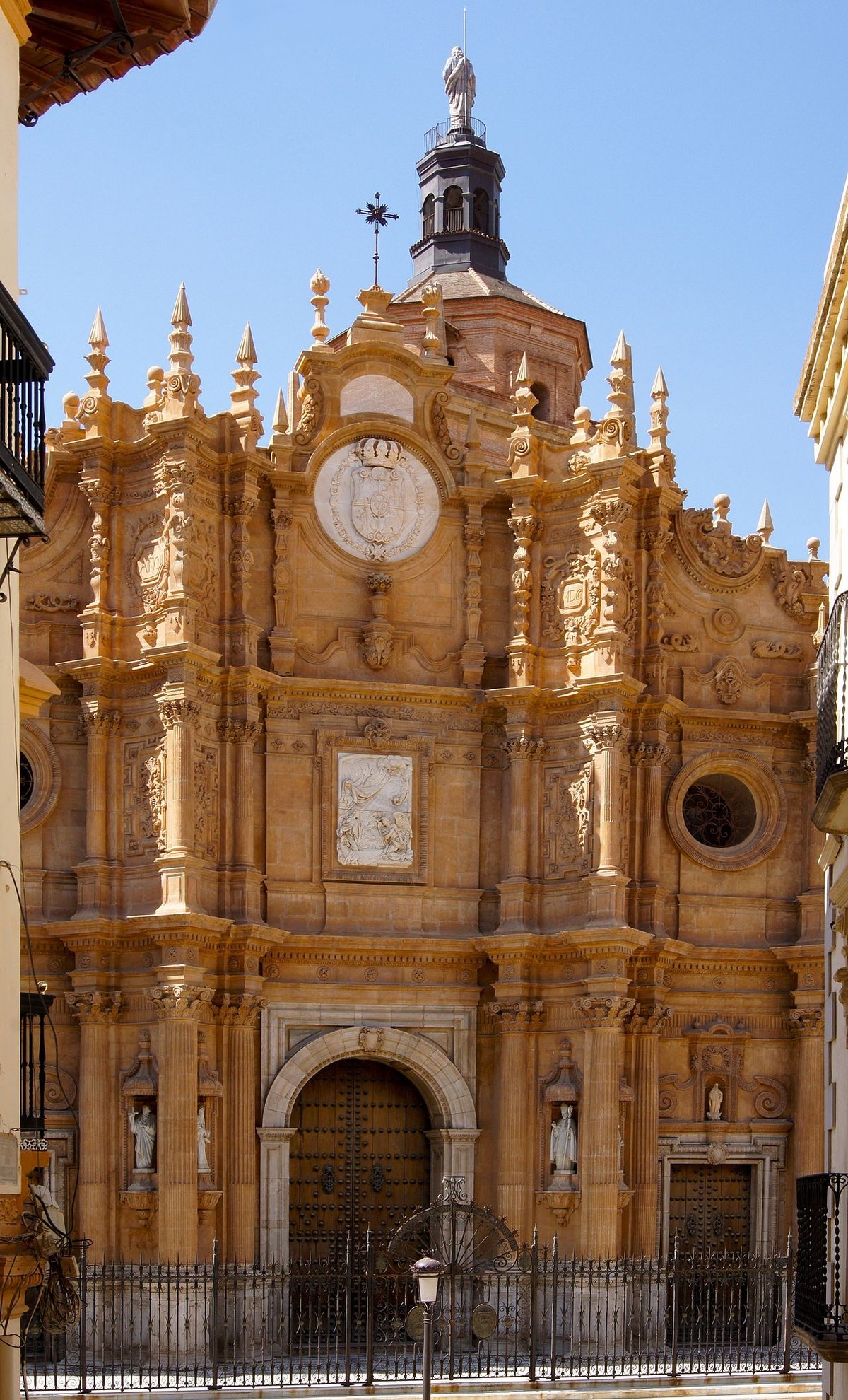
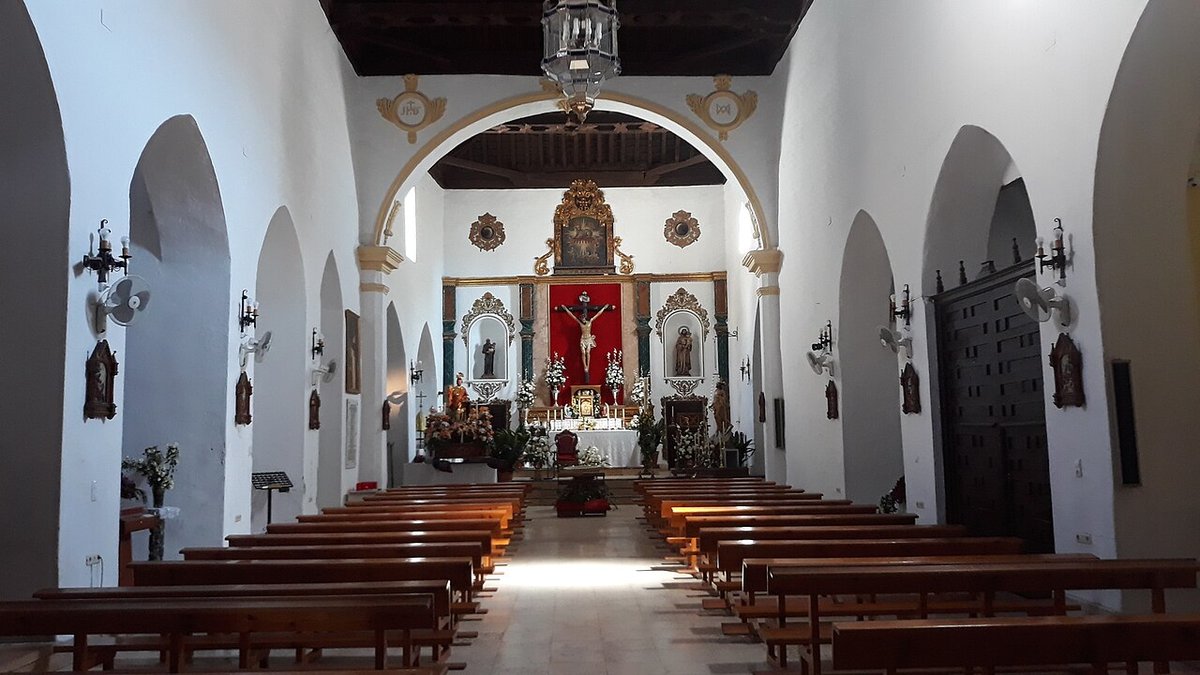
The parish church, dedicated to Nuestra Señora de la Anunciación, was built in the 16th century over earlier Mudéjar structures, something quite common in this part of Granada. From the outside it is restrained. Inside, it usually preserves some Baroque elements added later. The image of the patron Virgin is carried in procession during the March festivities, and those days tend to draw back people who have moved away from the village.
The layout of the old centre says a lot as well. The streets do not follow a grid. They adapt to the slope, with short climbs and unexpected turns. Some houses seem almost pressed against the rock, while others show a typical local combination: a built façade with a rear section excavated into the ground.
If you look closely, there are still inhabited cave houses, something characteristic of the wider Guadix area. These homes keep a fairly stable temperature throughout the year, cooler during the heat and milder in winter.
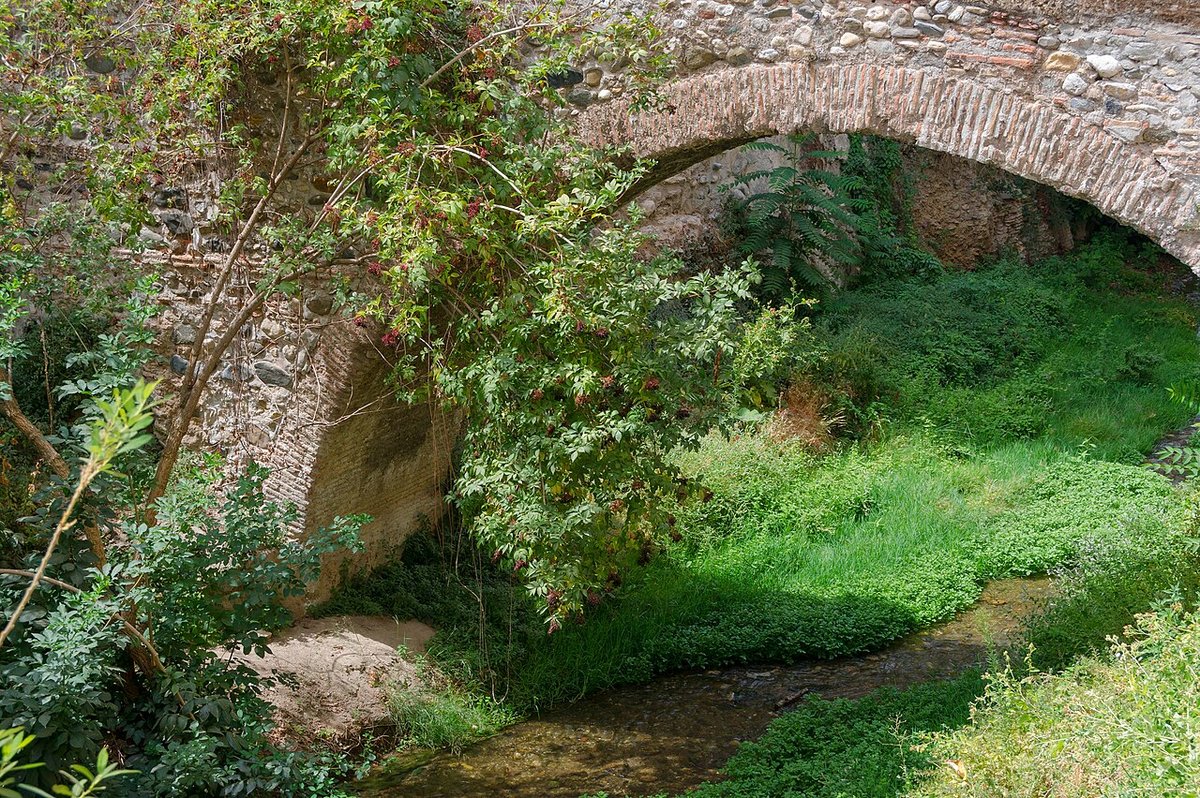
On the edges of the village, traces of old flour mills remain along the Goleras river. Many are in ruins or absorbed into farmland, but the structures can still be recognised as places where grain was once processed, back when the local economy depended far more heavily on agriculture.
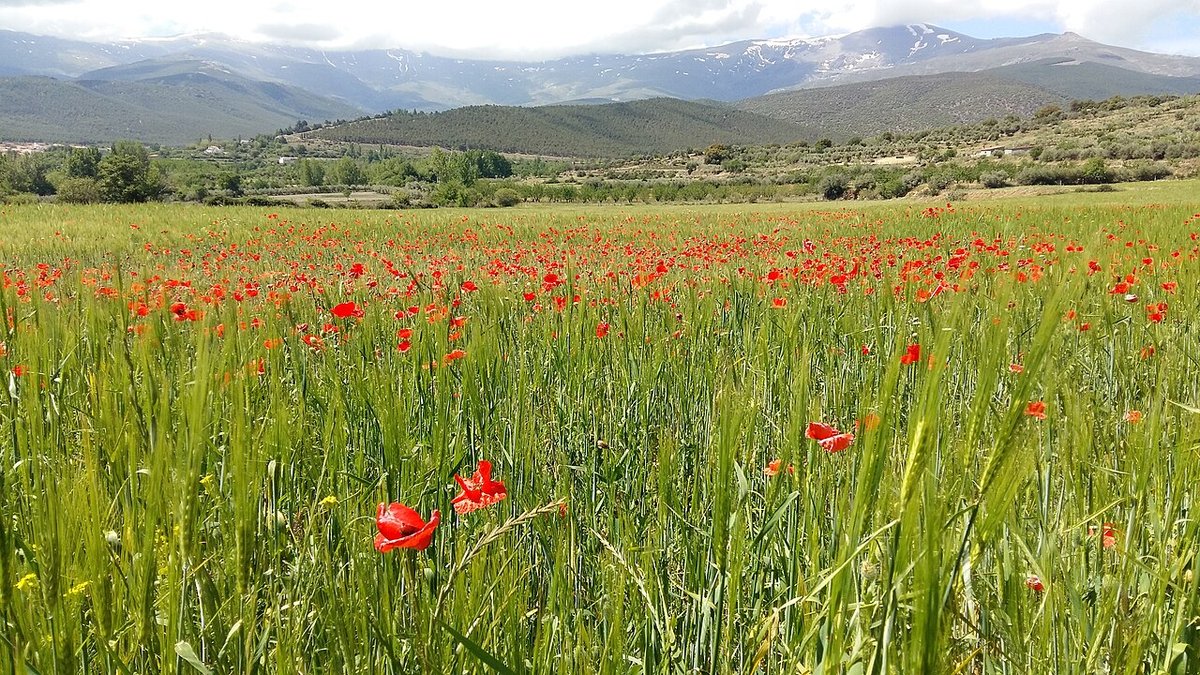
There is also a higher point where the view opens out towards the Guadix basin. It is not a formal viewpoint, just one of those spots where you pause by a low wall and look out. On a clear day, Sierra Nevada appears again in the distance.
Then there is the geology. The area is marked by gullies and clay ravines shaped by water over thousands of years. Ochre tones, greys, and formations that resemble chimneys or columns. It is not a green or gentle landscape, but it has a distinct presence.
Walking beyond the village
For those who enjoy a bit of walking, the most natural plan in Gor is to step outside the village itself.
Paths and agricultural tracks leave from the centre and wind through nearby hills and ravines. Not all of them are clearly signposted, but several are used daily by local residents moving around the area. Following the course of the Goleras river, for instance, brings you past remains of mills, small rural bridges, and stretches that feel especially quiet.
Other routes climb gradually towards higher ground in the direction of Sierra Nevada. These are not high mountain excursions starting from the village, but they offer a good way to understand the shape of the land in this part of the region.
One simple piece of advice stands out: bring water and a hat if visiting in warmer months. Shade is scarce once outside the built-up area, and the sun can be intense.
As for food, the village runs more on everyday routines than on visitor-focused dining. What you find are straightforward bars where locals gather, without much in the way of presentation. Some visitors prefer to bring their own food and stop somewhere quiet in the countryside. Traditional dishes such as migas or stews made with game meat are part of the local cooking, especially in colder months.
At night, something shifts. With little artificial light around, the sky fills with far more stars than most people are used to seeing in a city.
Local celebrations
The festive calendar in Gor remains largely local in character.
The main reference point is March, when the celebrations linked to Nuestra Señora de la Anunciación take place and the patron Virgin is carried through the streets. Beyond that, the rhythm of festivities follows the village’s own pace, shaped more by local tradition than by outside attention.