Full Article
about Gorafe
World-famous for its Megalithic Park and the Gorafe desert; striking badlands and dolmen landscapes.
Hide article Read full article
A landscape that doesn’t try to please
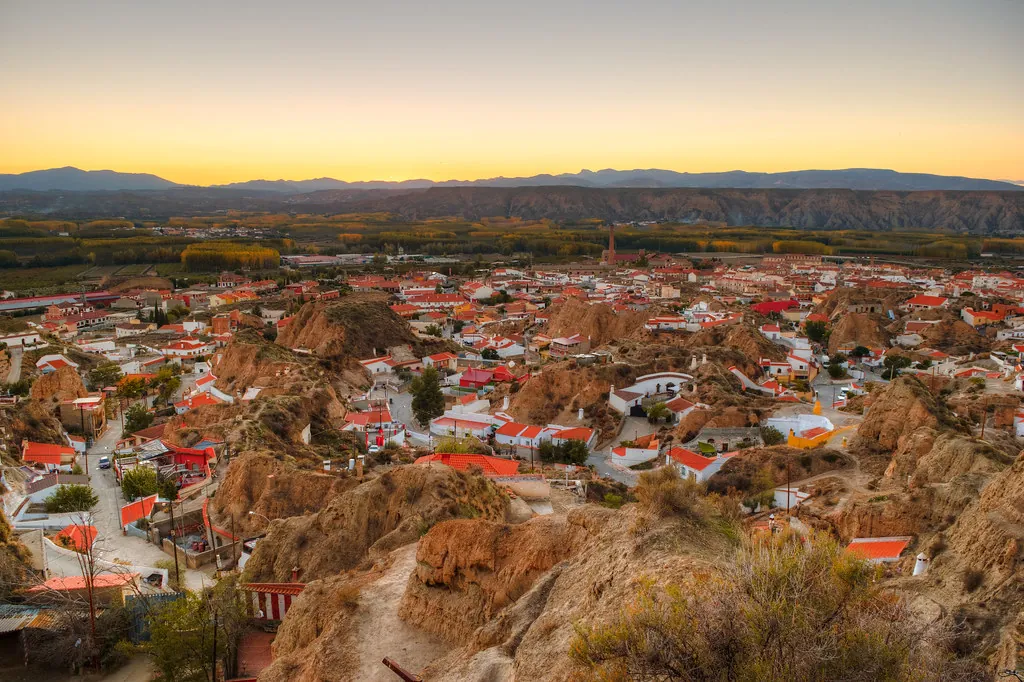
Some places look as though they belong in a space documentary. Gorafe comes close, though with roads, scattered almond trees and a small village clinging to the terrain. The first view from the road gives the odd impression that the earth has been crumpled, like a paper bag squeezed into a ball. Ravines spread in every direction, dry ridges rise and fall, and the reddish tones shift depending on the light.
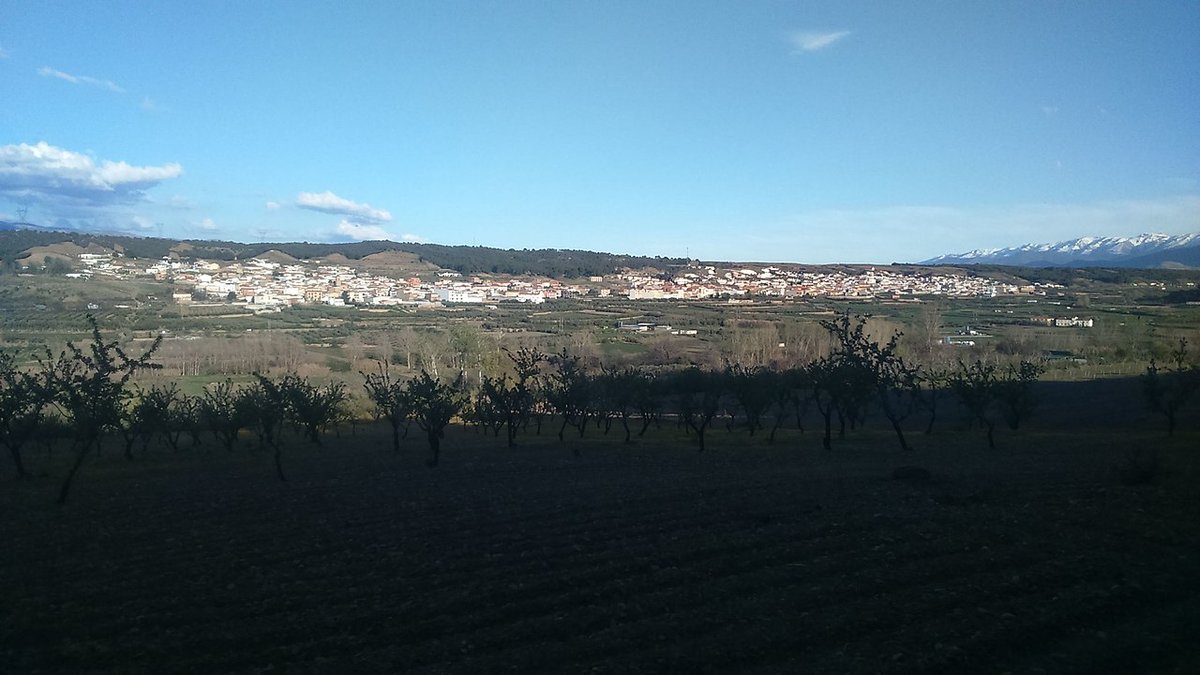
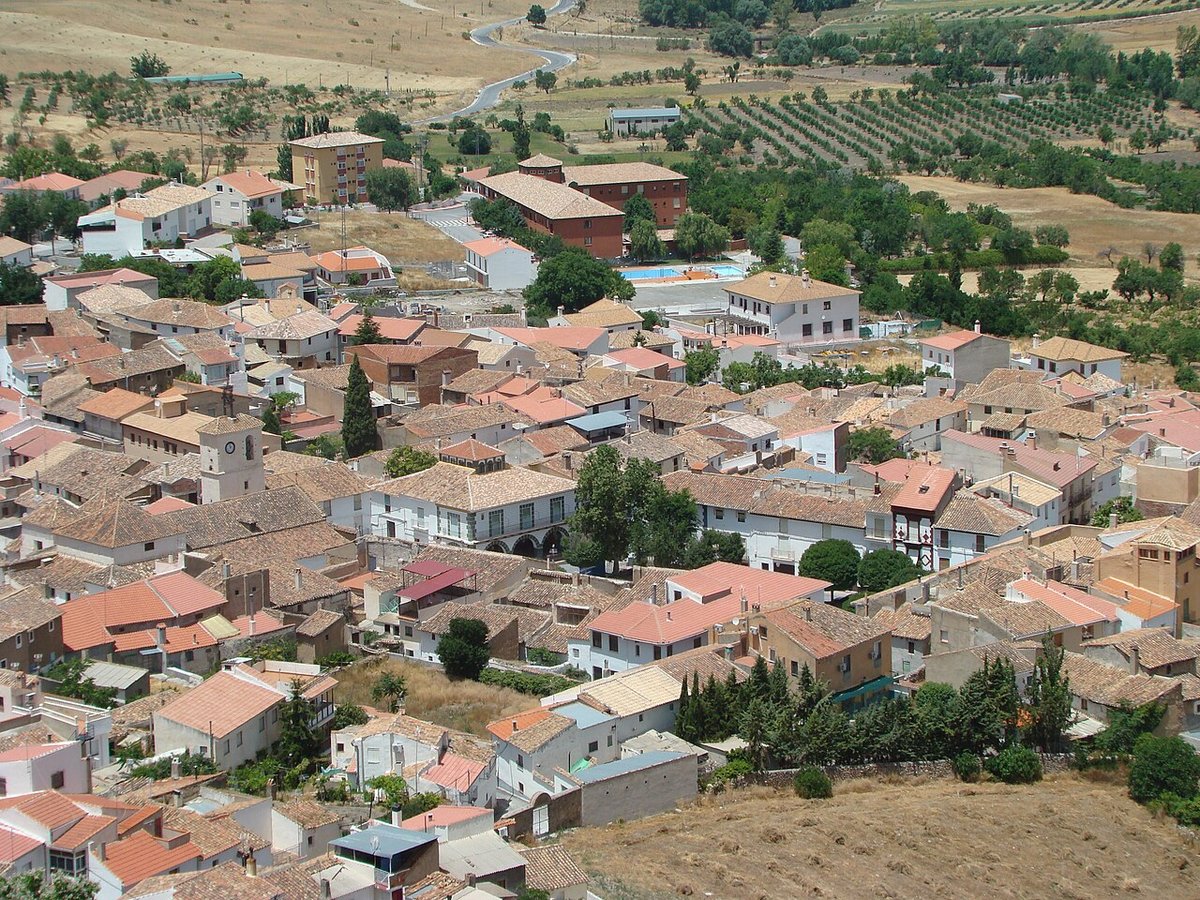
Gorafe sits in the comarca of Guadix and has around 368 inhabitants. It quickly becomes clear that the pace here has little in common with city life. Park the car, take a few steps, and what reaches your ears is wind or the faint sound of a distant bell. It is a kind of silence that feels unusual at first, like when the electricity cuts out at home and everything suddenly goes still.
The landscape does not try to win anyone over. There are no dense forests or green meadows. Instead, the terrain is rough and dry, carved into gullies and ravines that look as though they were cut with an enormous blade. Yet there is something absorbing about it. Think of sun-dried mud walls that crack into strange patterns. They are not conventionally beautiful, but they hold your gaze longer than expected.
Stones from another time
Gorafe appears on many maps for one main reason: its megalithic park. And there are a lot of dolmens here, more than 200 spread across the surrounding ravines. They date from between 3500 and 2500 BC. That span sounds distant, but standing in front of one brings a different kind of awareness. These are simple stone structures, almost like oversized tables made from huge slabs, left in place five thousand years ago.
What stands out is how they sit within the landscape. They do not feel randomly placed. Many occupy ridges, edges of ravines or small elevated spots that overlook the terrain. The effect is similar to choosing exactly where to sit on a beach to take in the full view of the sea.
Before heading out to find them without quite knowing what you are looking at, it helps to stop at the Centro de Interpretación del Megalitismo. The centre explains why this area holds so many burial sites and how the people who built them lived, working with very basic tools to move and position such large stones.
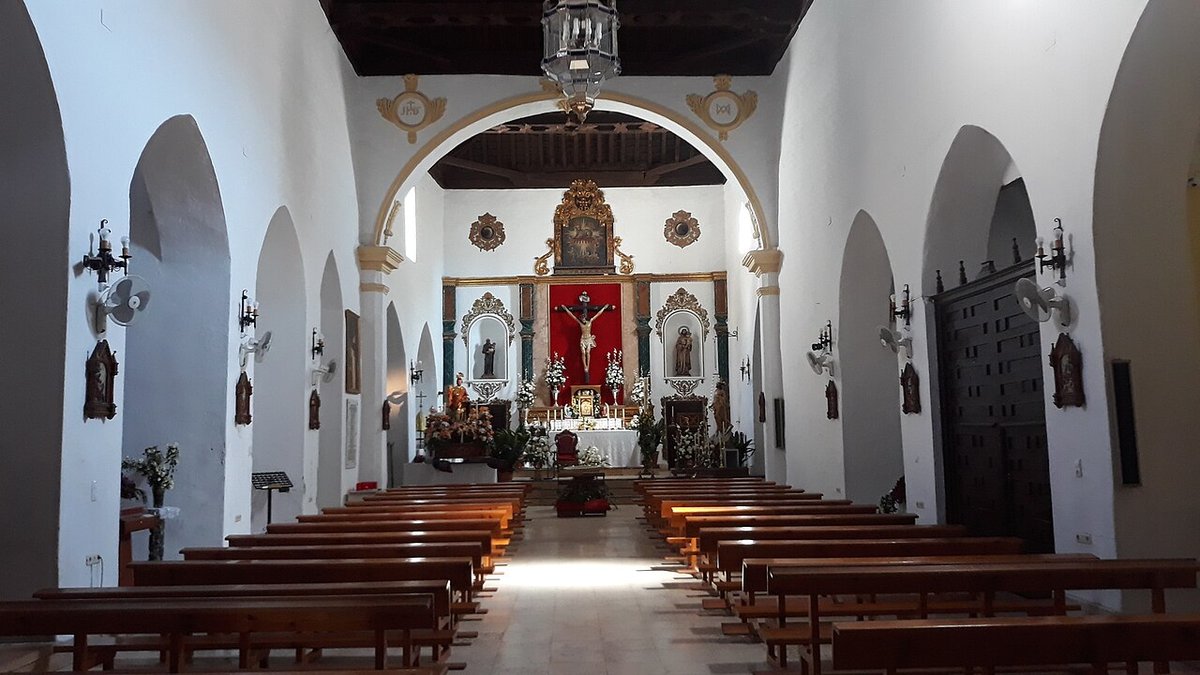
Back in the village, the Iglesia Parroquial de la Anunciación stands at the centre. Its style reflects the Mudéjar influence found across many towns in the region. It is not large or ornate. Its scale matches a municipality of fewer than four hundred people: compact, simple, part of everyday life rather than a grand statement.
From the Mirador de Los Coloraos, the view opens out completely. Reddish ravines drop towards the valley, and the land forms shapes that resemble frozen waves. At sunset, the colour deepens, shifting towards orange. It recalls the way wet clay changes tone depending on how the light hits it.
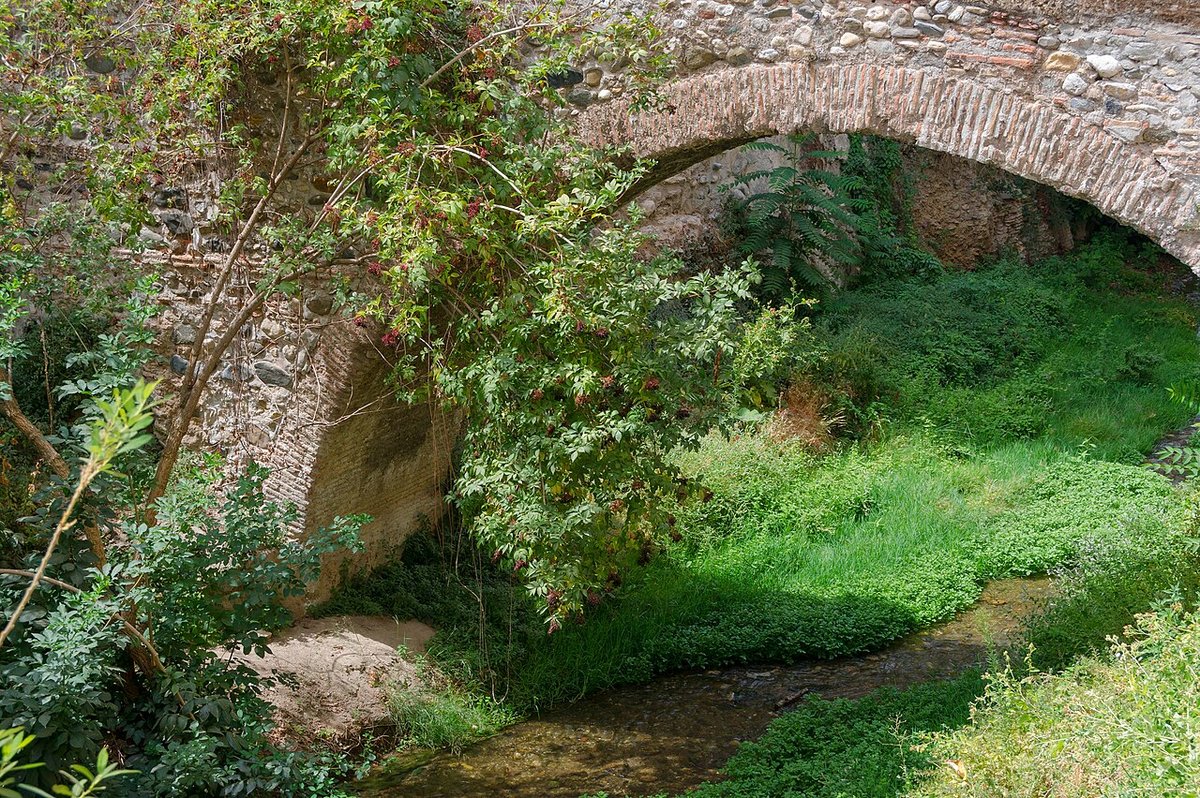
Across the municipality there are also old fountains and small springs, including Fuente del Moral. These are modest constructions that point to something essential. Water here has always mattered.
Walking through open ground
Exploring the Parque Megalítico feels less like tackling a demanding hike and more like taking a long walk through open terrain. Marked paths connect several dolmens and allow for an easy way to move between them.
One of these routes is the Sendero de los Dólmenes. It is the kind of walk that invites a slower pace. This is not a route measured by the clock. The rhythm is simple: walk for a while, come across a stone structure, move closer, take in the view, then continue. It resembles wandering through an open-air museum, though with wind and dust underfoot rather than polished floors.
Night brings another dimension. The area has very little light pollution, so the sky fills with stars that appear sharply defined. Anyone who has left a city and suddenly noticed how full the sky can be will recognise the feeling. Here, that clarity is a regular occurrence rather than a rare surprise.
For those with a camera, the terrain offers plenty of possibilities. Early and late in the day, shadows stretch across the ravines and emphasise the shapes of the land. Side lighting reveals every fold and crease, much like light falling across fabric indoors makes its texture stand out.
Food in Gorafe follows a direct, no-frills approach. The dishes are substantial and tied to rural life: lamb, migas, local cheese, olive oil produced in the area. It is the kind of cooking that leaves you properly full after a morning spent walking through the ravines.
Festivities that keep their scale
The village’s celebrations follow a pattern familiar across many small towns in Andalucía. In May, the fiestas patronales honour the Virgen de la Cabeza. These include a romería, a traditional pilgrimage or procession into the countryside, along with family gatherings that bring people together over several days.
August brings the summer verbenas. These are open-air festivities where the main square fills up and conversation flows easily between neighbours. It is the sort of setting where everyone seems to end up speaking to everyone else at some point during the evening.
Semana Santa, the week leading up to Easter, is also observed here, though on a village scale. There are religious processions with pasos, which are platforms carrying sacred images, accompanied by drums. The atmosphere is close-knit. Most people know each other, and the tone remains understated rather than grand.
Gorafe does not rely on spectacle. Its appeal lies in something quieter: a landscape shaped by time, traces of prehistoric life, and a way of living that continues without much hurry. It may feel unusual at first, but that stillness is part of what defines the place.