Full Article
about Huéneja
Bordering Almería in the Sierra Nevada National Park; perfect for mountain and nature tourism.
Hide article Read full article
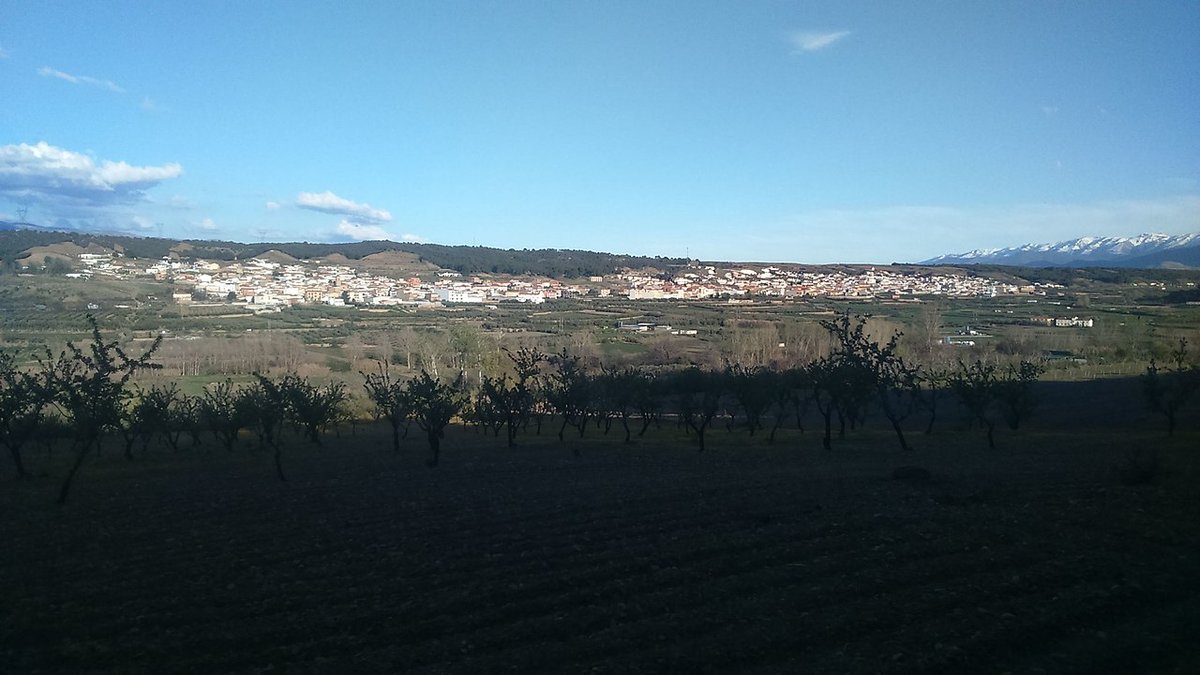
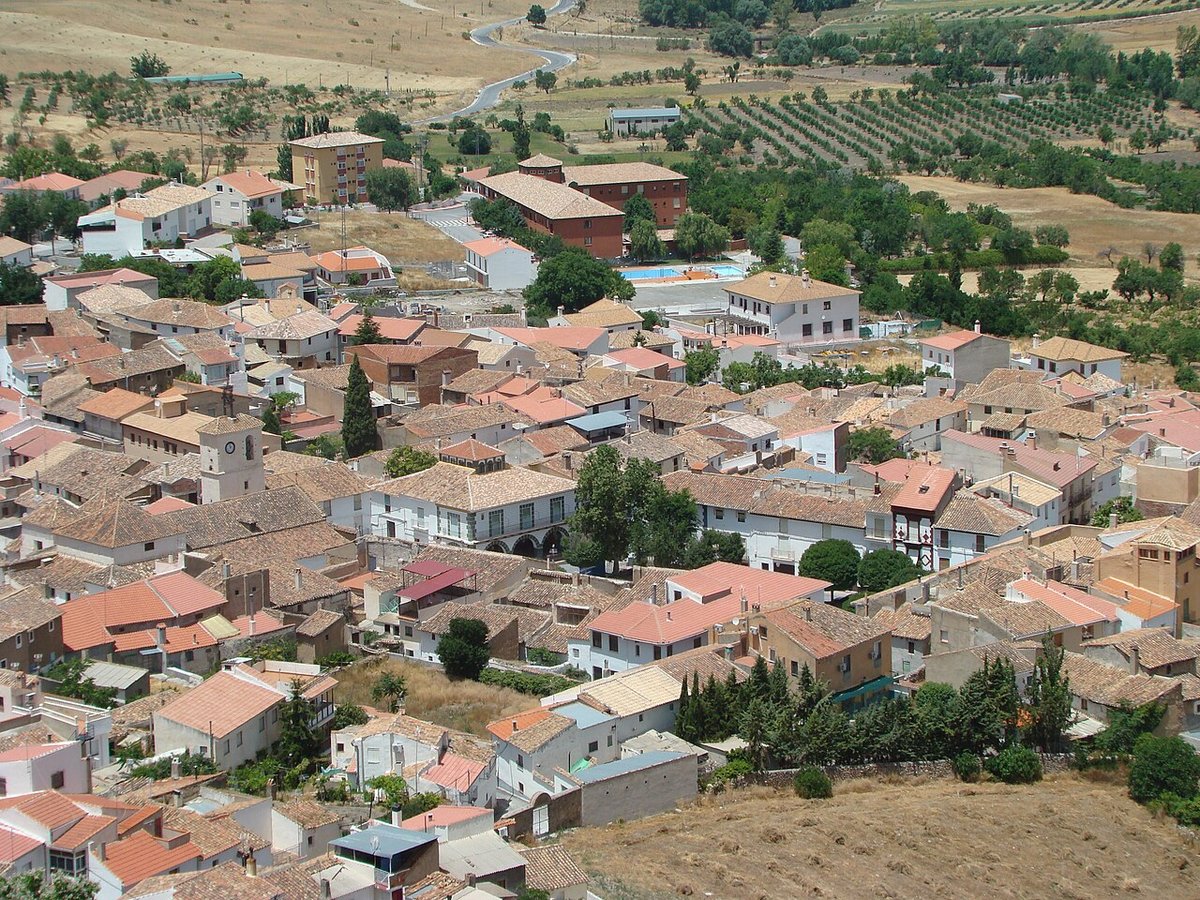
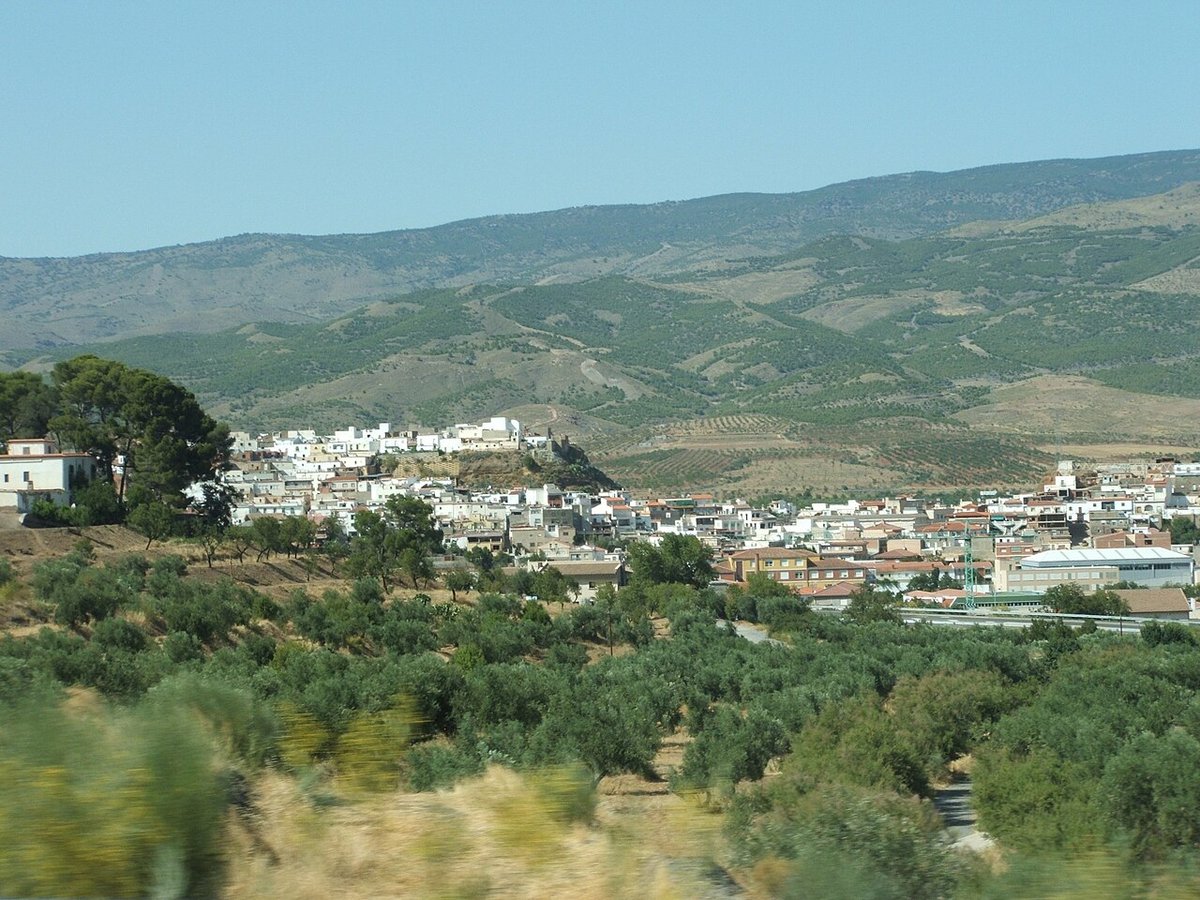
Huéneja’s character is shaped above all by its position on the eastern edge of Sierra Nevada. The village stands at more than 1,100 metres above sea level, where the mountains begin to open out towards the Hoya de Guadix. That meeting point between high ground and basin explains much of what visitors see on arrival: streets that rise and fall with the slope, whitewashed houses clustered along the hillside, and terraces carved into the surrounding land to make cultivation possible on challenging terrain.
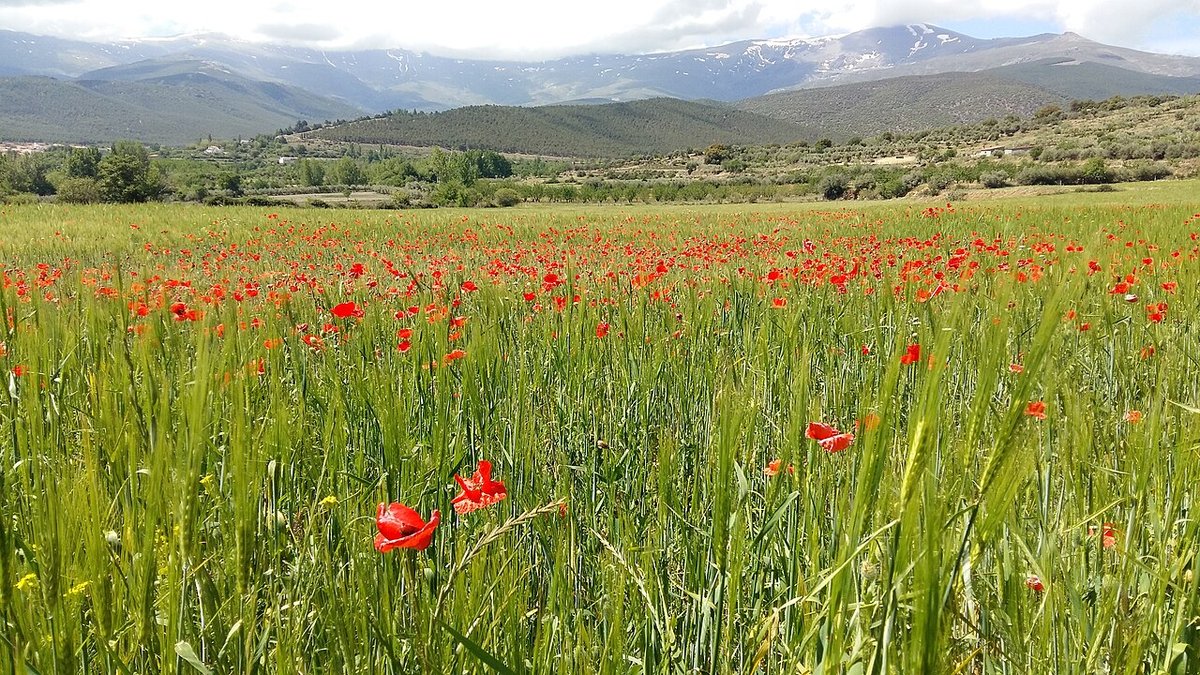
From the centre of the village, the transition between landscapes is easy to read. To the north, the peaks of Sierra Nevada rise up, often snow-covered in winter. To the south, the scenery shifts abruptly into the gullies and ravines that define the Hoya de Guadix. Huéneja sits precisely on that boundary, between mountain and depression, and that contrast shapes both its views and its way of life.
A Village Shaped by the Slope
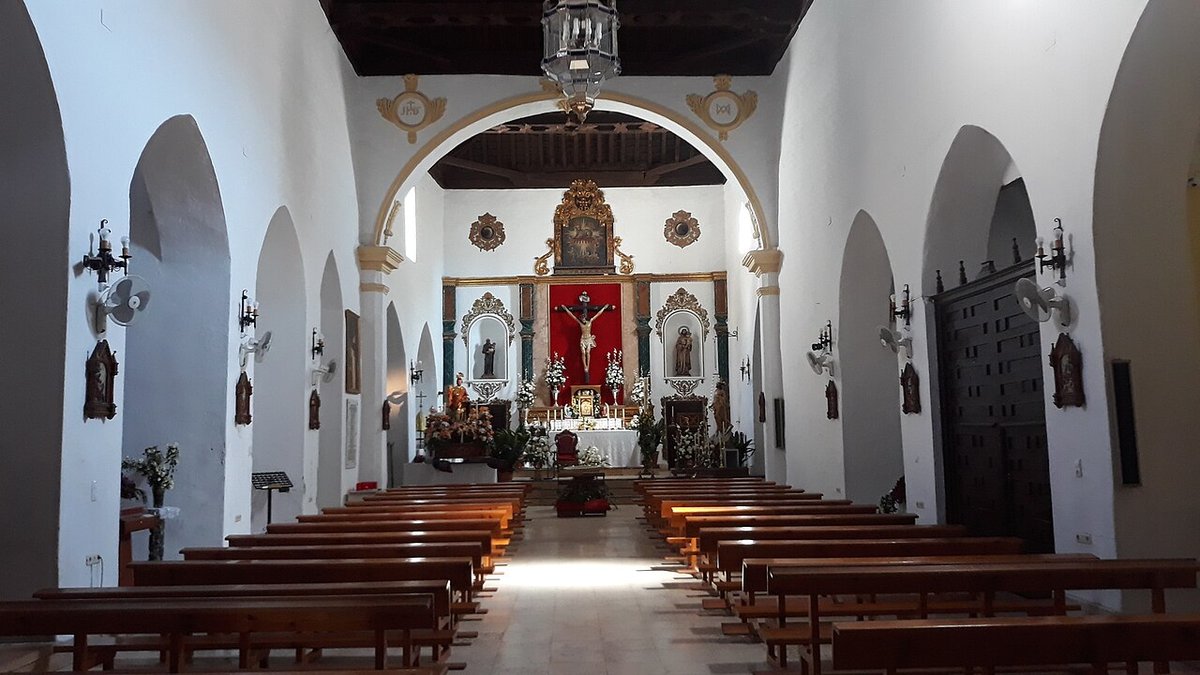
The heart of Huéneja is organised around the Iglesia de San Sebastián. The current building dates from after the Castilian conquest, probably in the 16th century, although it has undergone later alterations. Its tower defines the skyline of the village and acts as a reference point when navigating the streets that descend along the hillside.
The houses in this part of Granada province share features typical of mid-mountain settlements. Thick walls help insulate against heat and cold, while roofs are covered with traditional curved Arab tiles. Many properties are arranged around internal patios, spaces that once accommodated much of daily domestic work. Some still retain aljibes, underground cisterns for storing water, or small rooms used to keep tools and farming equipment.
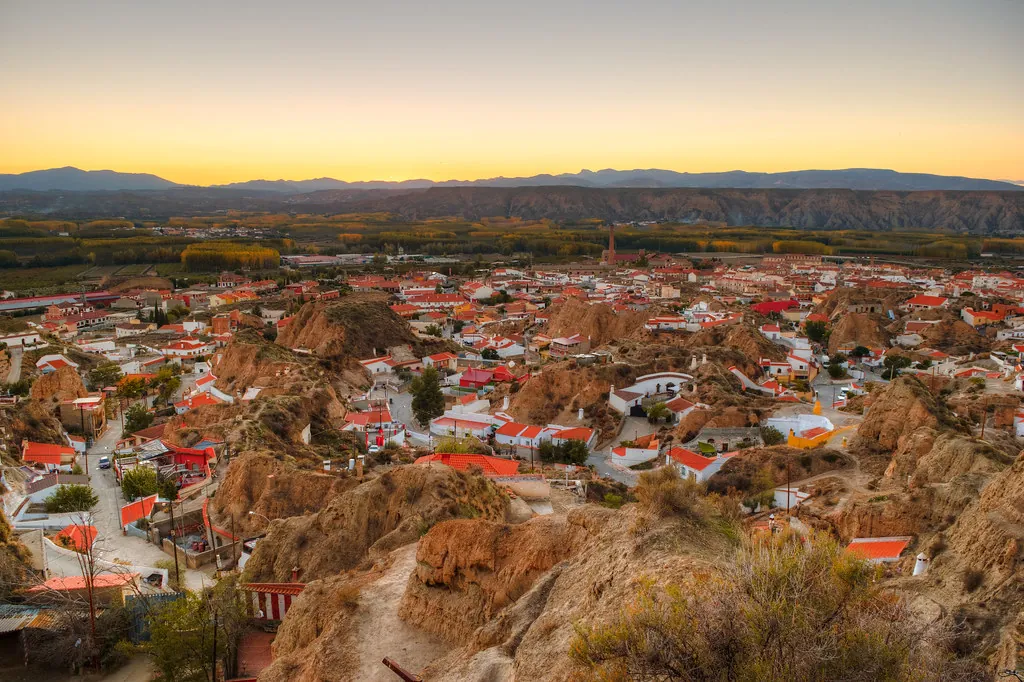
Walking here involves a steady incline. The layout demands it. Yet the gradients also create natural viewpoints. They are not signposted or formalised, but appear unexpectedly at higher corners, small landings or at the edge of certain streets. From these spots, the Hoya de Guadix stretches out in full view, its eroded relief and reddish tones markedly different from the mountain landscape behind. The shift in colour and texture is immediate and striking, even without leaving the village.
Terraces remain visible around the built-up area. Olive trees, some fruit trees and small vegetable plots form part of everyday life. This is not scenery arranged for visitors, but the continuation of an agricultural system that still supports many local families. The land around Huéneja reflects generations of adaptation to altitude, slope and climate.
Paths into Sierra and Basin
Several traditional tracks leave Huéneja, once linking the village with cortijos, cultivated plots and higher ground in the sierra. A cortijo is a rural farmhouse typical of southern Spain, often associated with farmland. Today, some of these routes are used for walking or cycling, though not all are clearly signposted and it is sensible to check conditions before setting out.
Heading towards Sierra Nevada, the terrain gains height quickly. Paths pass through pine woods and areas of mountain scrub, with the air and vegetation changing as altitude increases. In the opposite direction, towards the Hoya de Guadix, the landscape becomes drier and more open. The proximity of these distinct environments is noticeable not only in the scenery but also in the plant life and wildlife that can be observed, particularly in the early morning or towards dusk when activity tends to increase.
For those interested in photography, the contrast between snow on the peaks and the reddish soils of the basin often produces strong images in winter and early spring. Wide panoramas can be found without travelling far from the village. A short walk is enough to appreciate how abruptly one landscape gives way to another.
Local cooking reflects this mountain and rural setting. Hearty spoon dishes are common, designed for cold days and long hours outdoors. Migas, a traditional dish made from breadcrumbs fried with ingredients such as garlic and meat, is typical in the colder months. There are also stews prepared with lamb and cured sausages made during the matanza, the traditional annual pig slaughter that has long been part of rural life in Spain. These are foods shaped by altitude and winter conditions, practical and sustaining rather than elaborate.
Traditions Through the Year
The rhythm of celebrations in Huéneja remains closely linked to the religious calendar and to the return of residents who now live elsewhere. The feast of San Sebastián, the village’s patron saint, usually takes place in January. It combines religious ceremonies with gatherings that bring neighbours together during the winter season.
Summer, particularly August, brings a noticeable increase in activity. Families with roots in Huéneja return for a few days or weeks, renewing connections even if they no longer live in the village year-round. During this period there are open-air dances, sports activities and social events that reinforce ties between those who stayed and those who left.
Beyond the formal fiestas, many customs continue to revolve around agricultural work. Harvests, the matanza and shared tasks between neighbours still mark moments in the year. These practices may be less visible to visitors than church celebrations, yet they remain part of the local calendar and identity.
Practicalities and Getting There
Huéneja lies around 50 kilometres from Granada. The usual approach is via the A‑92 motorway in the direction of Guadix, continuing east until the turn-off for the municipality.
The village itself can be explored on foot without difficulty, although the slopes are worth bearing in mind. At this altitude, winter temperatures can drop easily and snow sometimes appears in the surrounding area. It is advisable to check conditions before heading up into the sierra or setting out along the rural paths nearby.
Set between Sierra Nevada and the Hoya de Guadix, Huéneja offers a clear sense of transition. Mountain and basin meet here, and the village reflects both. Its streets follow the land, its houses adapt to climate and slope, and its traditions remain tied to the terrain that surrounds it.