Full Article
about Jerez del Marquesado
Mining and mountain village with rich industrial heritage; starting point for Sierra Nevada climbs and the airplane route.
Ocultar artículo Leer artículo completo
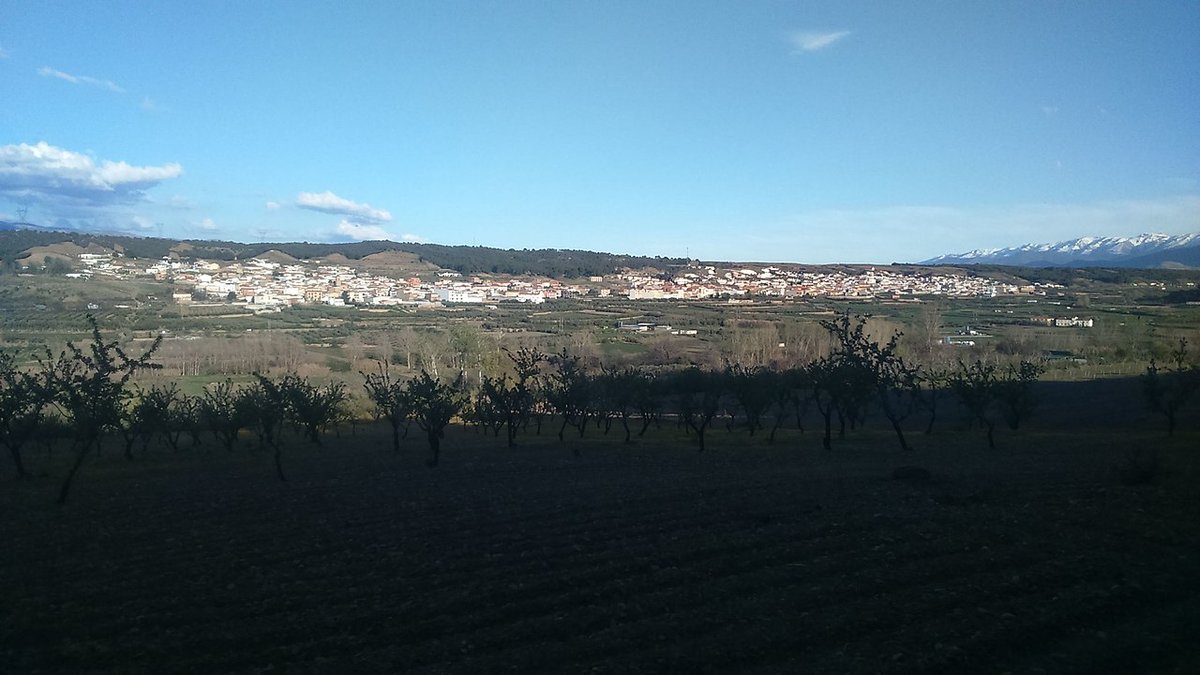
The first thing you notice is the hush. No coach engines idling, no souvenir shutters rattling open—just the clatter of a single tractor heading out to scattered almond terraces and the wind that’s already picked up speed rolling down from the 3,000 m wall of Sierra Nevada. Jerez del Marquesado sits only an hour and a quarter east of Granada city, yet it feels like the village forgot to join the modern rush. At 1,230 m it is higher than Ben Nevis’s summit; nights stay cool even when the coast below swelters, and snow can cut the access road for a day or two while the rest of the province is still in T-shirts.
A village that keeps its coat on all year
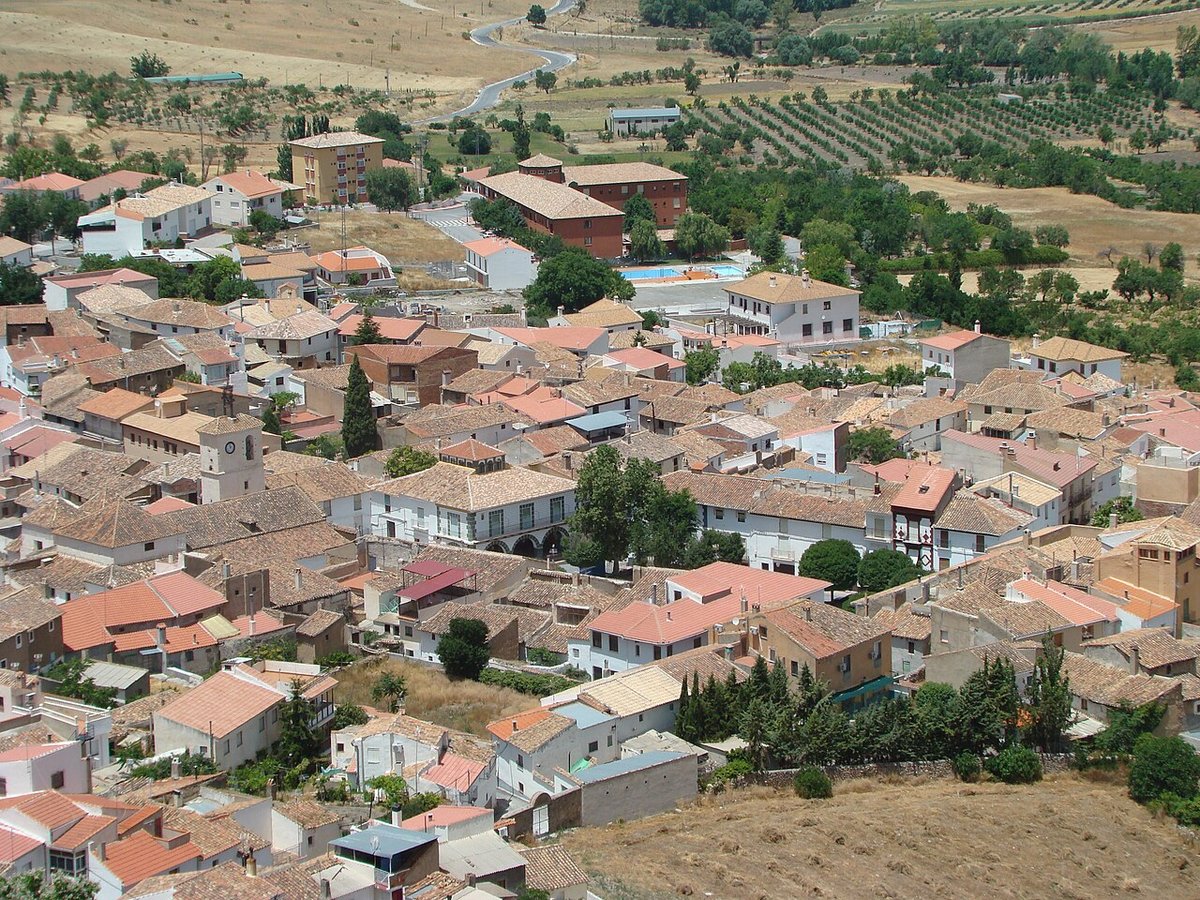
Colour is muted. Houses are the same ochre-grey stone as the hills behind them, roofs weighted with rounded slate to stop the Atlantic storms that occasionally curl over the range. The streets are narrow enough that two umbrellas can’t pass without diplomacy, so traffic is self-limiting: residents, deliveries, and the odd farmer shifting sheep. Park on the upper ring road; anything wider than a Fiesta scrapes both wing mirrors on the bend by the bakery.
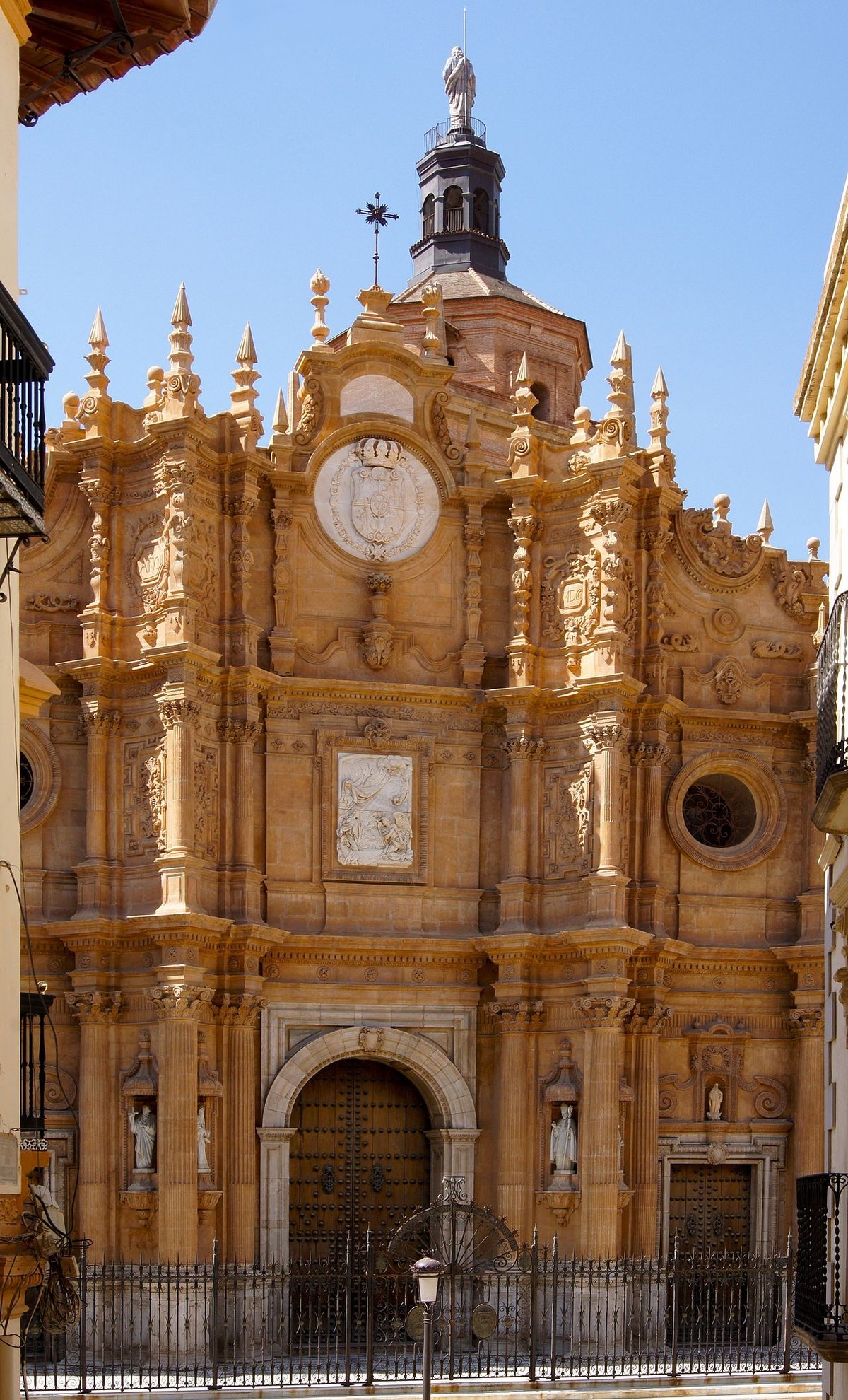
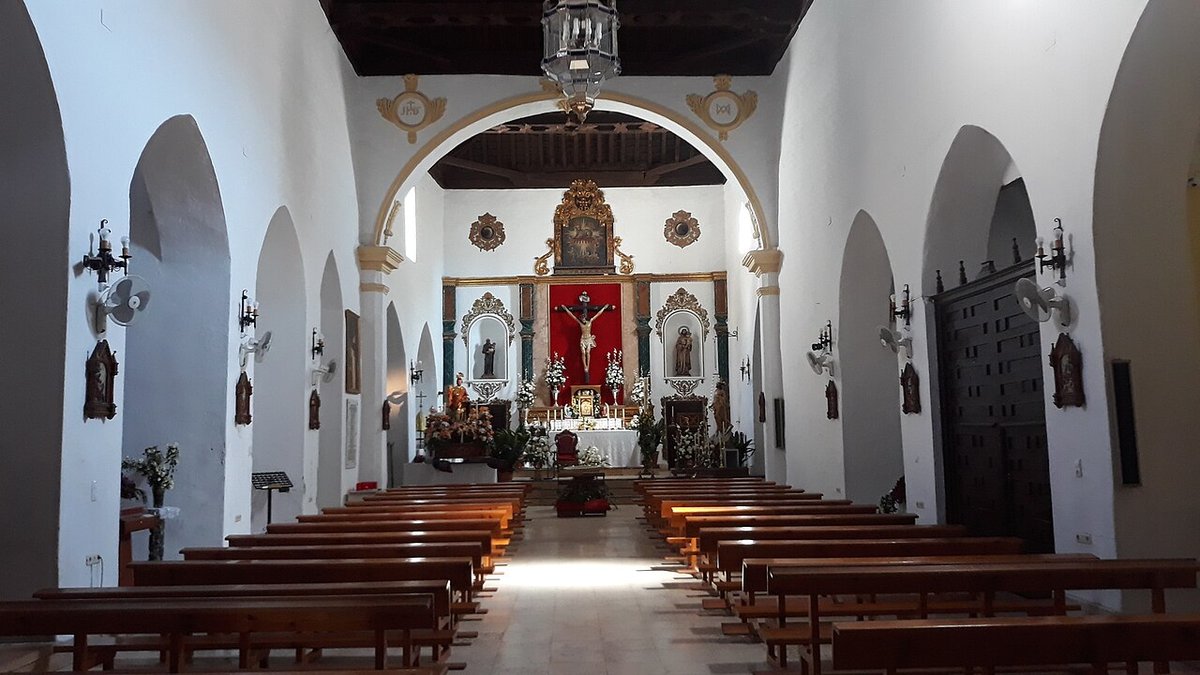
Start at the small plaza in front of the parish church—Nuestra Señora de la Anunciación—built in the 16th century with whatever masonry the quarries of Guadix could spare. It is rural Andalusian architecture at its most honest: thick walls, a single nave, a timber roof that creaks like a ship when the temperature drops at dusk. Step inside and the air smells of candle wax and old timber; the retablo is carved from local poplar, gilded only where the parish could afford it. There is no charge to enter, but the door is locked during siesta (14:00–17:00) unless a neighbour sees you hovering and flips the iron latch.
Outside, two signed walking routes begin. The easier is the 4 km Chestnut Walk, marked by green paint dashes. It contours through irrigated terraces where the sound of running water suddenly makes the altitude feel Mediterranean again, then climbs gently to a sweet chestnut reckoned to be a thousand years old—hollow, picnic-table flat inside, and still producing conkers. Allow 45 minutes up, 30 back, and take a jacket; the tree sits in its own micro-cloud most months.
Where the earth looks after itself
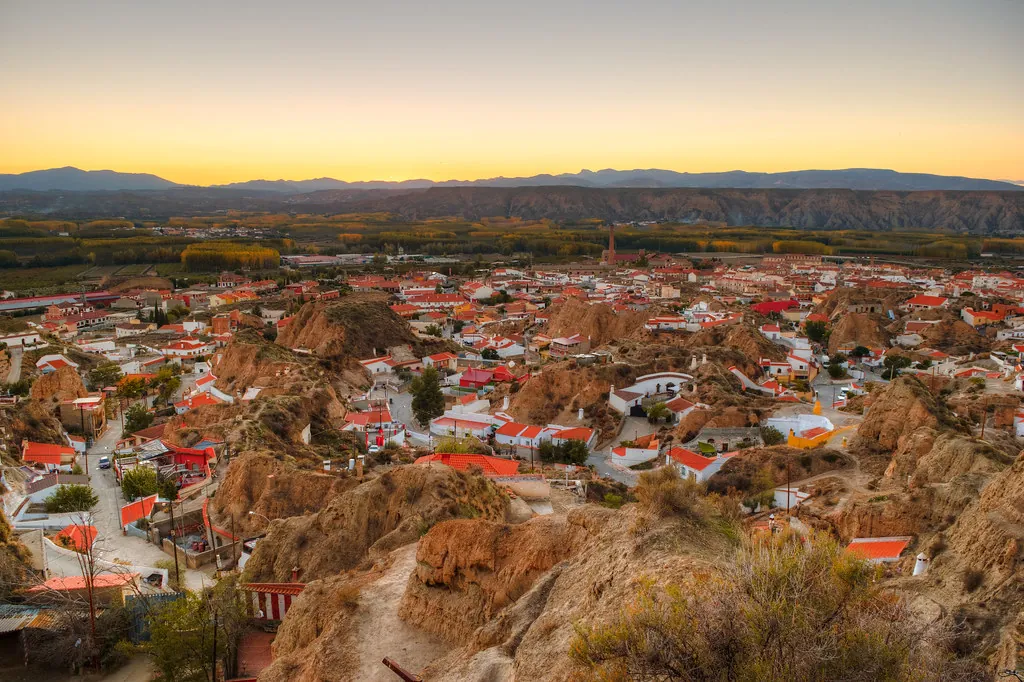
If you want mountain rather than monument, the track behind the cemetery gates leads into the badlands of the Granada Geopark. Here the terrain flips from agricultural stone walls to a bone-dry maze of gullies the locals call barrancos. The signed Ruta de los Barrancos is a 9 km loop through purple-grey clays and fossil-rich limestone; you will meet more griffon vultures than people. The path is obvious but boots are sensible—after rain the surface becomes axle-deep mud that dries to concrete ridges in hours. There is no kiosk, no fountain, and mobile coverage is patchy until you top the ridge; download an offline map before you set off.
For a full day, stay on the same track to the Refugio Postero Alto, a stone hut at 1,950 m used by climbers approaching the north face of Mulhacén. The climb is 10 km and 700 m of ascent—three hours of steady slog, rewarded by views across to the Alcazaba massif and, on hazy days, the Mediterranean 60 km away. Carry water; even in May the breeze dehydrates faster than you expect.
Food built for altitude
Back in the village, hunger is best tackled at Bar Al-Andalus on Calle Real. Order a caña of Alhambra beer and a free tapa arrives without asking—usually migas, fried breadcrumbs laced with chorizo, garlic and a handful of grapes that lift the whole thing from stodge to comfort food. If you need more, the plato alpujarreño combines sausage, black pudding, fried egg and potatoes; it was designed for shepherds who had walked from Trevélez the same morning. Vegetarians fare better with papas a lo pobre: thinly sliced spuds stewed in olive oil, green pepper and plenty of cumin. Prices hover round €9 for a ración; portions are generous enough that two dishes feed three walkers.
The owners keep goats out back and sell small discs of raw-milk cheese cured in local olive oil—nutty, semi-firm, perfect for the train journey back to Granada. Bring cash; the village cash machine jams on a regular basis and cards are refused as theatre. Supermarkets don’t exist—only a grocer that opens mornings—so stock up in Guadix (13 km west) if you are self-catering.
Festivals measured in livestock, not fireworks
Summer brings the fiesta patronal around 15 August. There is a small procession, brass band included, but the real business is the reunion de ganaderos: neighbours compare new foals, swap breeding advice and conclude deals over a glass of tinto de verano (red wine topped with lemonade, lighter than sangria and mercifully cheaper). Visitors are welcome, though you will stand out; tourism is still incidental here.
In mid-September the Harvest Fiestas turn the threshing floors into open-air dining rooms. Locals roast chestnuts over embers made from vine prunings and hand them out in paper cones—sweet, smoky, and no language barrier beyond a smile. Note the date varies with the weather; if the crop is late, the party shifts a fortnight. Check at the town hall, a modest building opposite the church whose door is always open even when the staff have slipped out for coffee.
When to come, and when to stay away
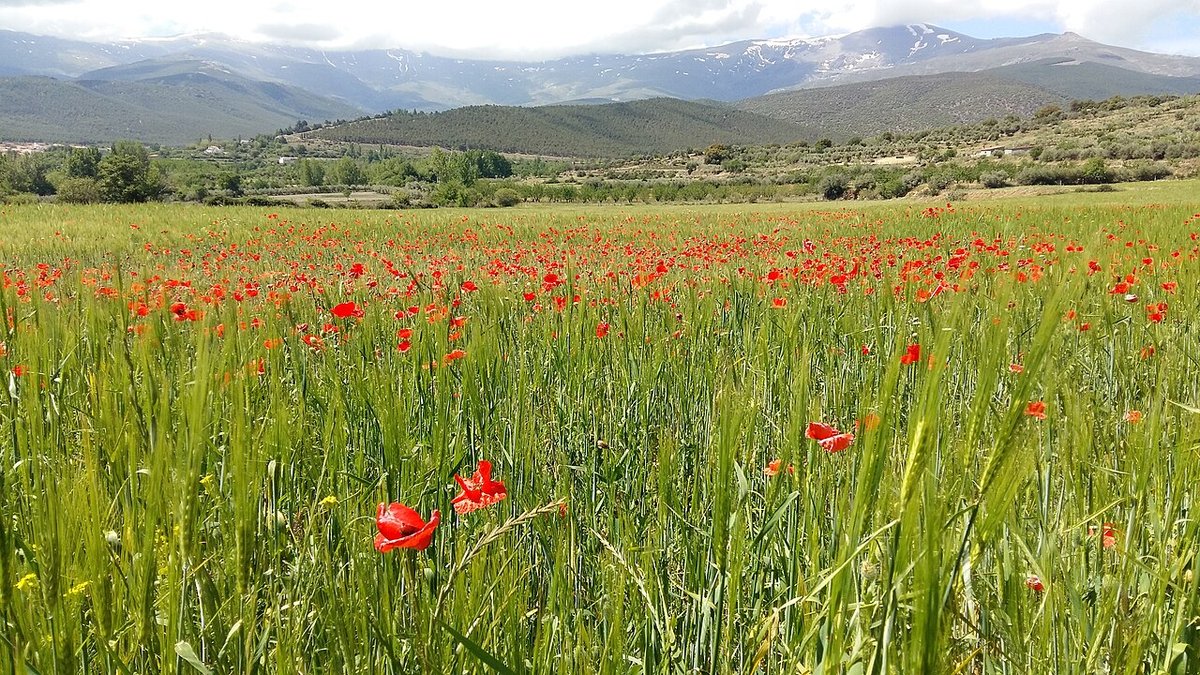
Spring is the visual payoff—almond blossom in late February, followed by poppies that smear orange across the cereal plots. Temperatures reach 16 °C at midday but drop to 4 °C after dark; pack a fleece even for a day trip. Autumn is equally gentle and usually drier than April. Winter is magnificent if you like solitude and possible snow. Chains or winter tyres may be required for the final mountain spur; the regional government grades the road quickly, but not instantly. Accommodation is limited to three small guesthouses (doubles €55–65) and one rural cottage sleeping six. Book ahead at weekends—Granadinos escape here when the coast turns muggy.
Avoid the first fortnight of July unless you enjoy 35 °C heat with no sea breeze. The village provides almost no shade beyond the church portico, and the bars run out of ice by 11 a.m. August is hotter still, yet bearable because farmers splash the streets at dawn and the altitude knocks three or four degrees off the coast.
Leaving without the hard sell
Jerez del Marquesado will not try to keep you. There are no craft shops, no flamenco tablaos, nobody pressing a leaflet into your hand. What it offers instead is a yardstick: a place where lunch is still dictated by the church bell, where the waiter remembers what you drank yesterday, and where the mountains, not the marketing department, decide the rhythm of the day. Arrive with trainers, a bit of Spanish and a willingness to fit in, and the village repays the curiosity with cheese, starlight and the sort of silence you simply don’t get on the Costas—even in February.