Full Article
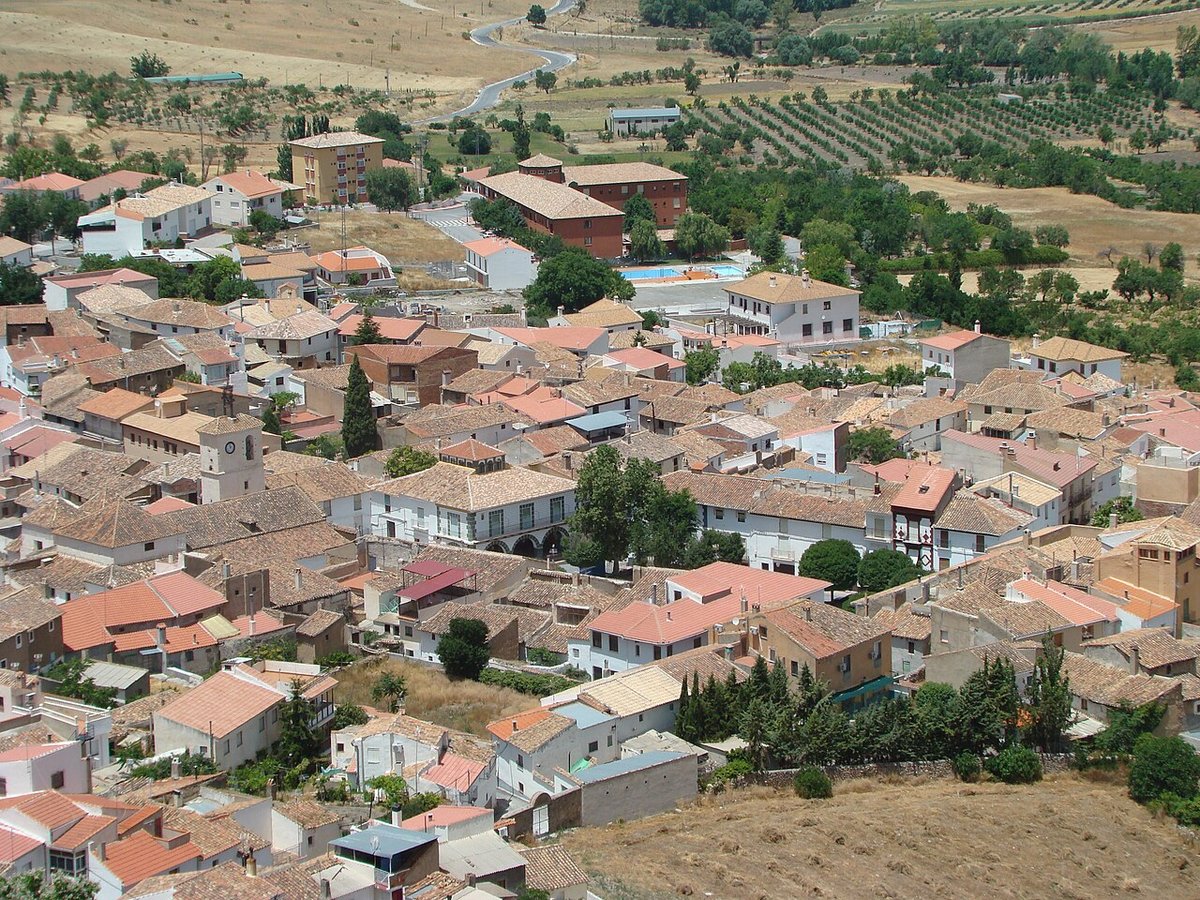
about La Calahorra
Famous for its imposing Renaissance castle on a hill; gateway to La Ragua pass and cross-country skiing
Ocultar artículo Leer artículo completo
From the A-92 the turn-off looks like a typo on the map: a single-lane ribbon that corkscrews upward until the olive groves give way to almond terraces and the air thins enough to make your ears pop. Fifteen kilometres later the tarmac stops altogether, replaced by a reddish grit track that jolts the steering wheel in your hands. Park here—anything lower than a Jeep will thank you—and walk the last ten minutes. The castle appears only when you round the final bend, its sandstone walls suddenly blocking out half the sky. This is La Calahorra, and the climb is the price of admission.
A Renaissance Gate-Crasher in Medieval Andalucía
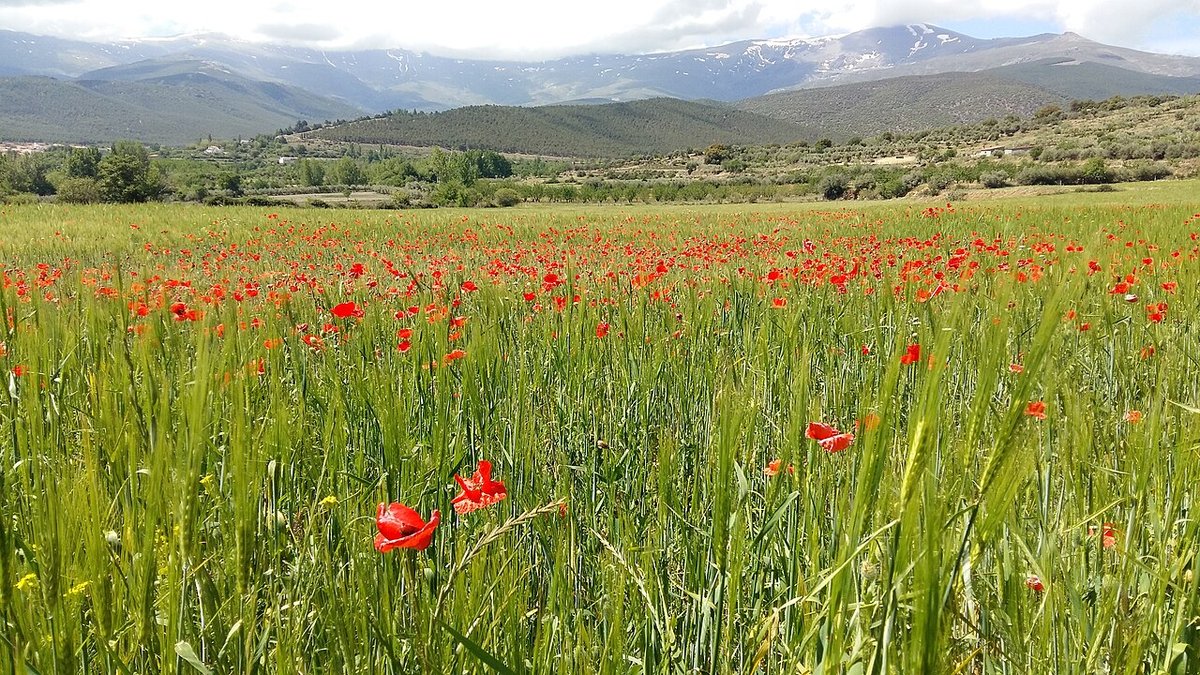
Rodrigo Díaz de Vivar y Mendoza ordered the fortress built in 1509 after returning from Naples with Italian masons in his baggage train. What they produced is neither wholly Spanish nor recognisably Italian: a square keep wrapped by round towers, each angled so cannonballs would glance rather than strike. Inside, a Carrara marble staircase spirals up to chambers that still smell faintly of damp stone, their plaster long since peeled away to reveal brick the colour of Sancerre. The guided tour lasts barely half an hour—Wednesdays only, 10:00-13:00 & 16:00-18:00—and ends on the parapet where the view stretches north across the Hoya de Guix badlands, a corrugated moonscape of gullies and poppy fields that turns amber at sunset.
Guides switch to English if enough Brits are waiting, otherwise expect rapid-fire Andalusian Spanish. There is no café, no loo, no gift shop: bring water, a hat, and something to cushion the stone bench while you wait. Mobile signal dies two kilometres below the village; download an offline map before you leave Guadix or you’ll be navigating by the castle itself, visible from thirty kilometres away and used by locals as a weather vane. When the summit is capped with cloud, they say, leave the washing on the line; when the walls glow pink after rain, the terraces will need irrigating tomorrow.
Almond Blossom, Snow Line and the Smell of Wood Smoke
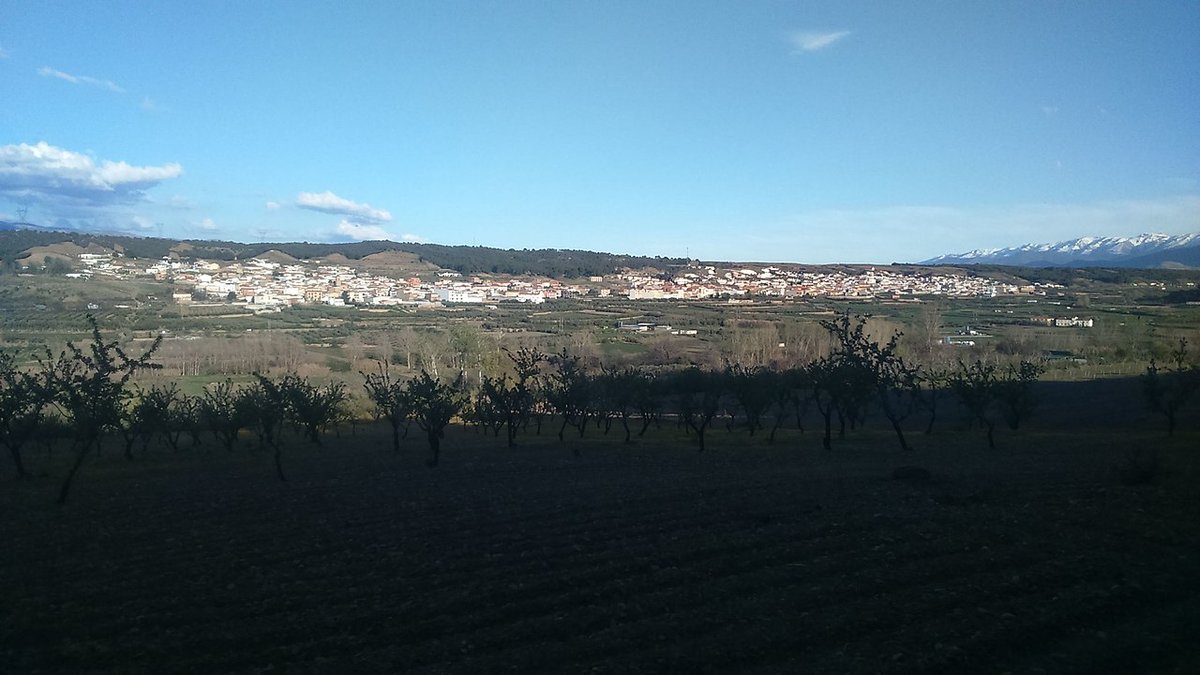
La Calahorra sits just below the winter snow line, which means the place can be reached year-round but may require chains after January storms. The upside is a calendar that flips dramatically: February mornings start at 2 °C, afternoons climb to 16 °C, and the almond blossom arrives so suddenly that overnight the hills look like someone has thrown a linen sheet over them. Walkers follow the signed footpath that leaves from Plaza del Ayuntamiento, skirts the cemetery, then forks: left towards the abandoned cortijos of Los Carriones, right onto the old silk-road drovers’ track that climbs gently to the Sierra Nevada foothills. Neither route is way-marked to British standards; the village bar keeps printed A4 maps under the counter and will lend them for a euro deposit.
Summer is quieter than you’d expect. At 1,190 m the nights stay cool enough for a jumper, and the castle throws shade long before the temperature down in Granada city nudges 38 °C. Swifts screech around the towers at dusk; the smell of thyme drifts up from the terraces where irrigation channels still run on Moorish timers. August brings the fiestas of the Virgen de la Cabeza: a weekend of processions, brass bands tuning in the square, and a communal paella cooked in a pan the size of a satellite dish. Visitors are handed a plate and a fork with no questions asked; the only price is to dance the sevillanas badly enough to entertain the locals.
Migas, Goat and the Only Bar in the Village
Food is mountain-plain: migas fried in chorizo fat, kid goat slow-roasted with garlic and bay, and gachas—a thick porridge of maize and milk that tastes like nursery food after a day on the hill. Vegetarians should shop in Guadix before the climb; the village shop stocks tinned tuna, tinned tomatoes and little else. The unnamed bar opens when the owner hears the castle gate squeak. Inside there are three stools, a coffee machine that doubles as the beer tap, and a toaster that turns out jamón bocadillos with the crusts left on. A sandwich and a caña cost €3.50; payment is cash only and the till is an biscuit tin.
If that sounds spartan, remember the alternative is to drive fifteen minutes down to Guadix for Casa Torcuato’s broad menu and English translations. Most visitors do exactly that at lunchtime, then return uphill for the softer evening light. The castle is floodlit until midnight—another reason to book a room in the lower town rather than attempt the track in darkness.
Where to Lay Your Head (and Why You’ll Still Come Back Up)
There is no hotel inside La Calahorra. The nearest beds are in cave houses carved into the Guadix hillsides, their walls two metres thick and their interiors a constant 18 °C year-round. Cortijo La Calahorra (five kilometres back towards the motorway) has four doubles overlooking almond terraces; breakfast includes homemade quince jam and eggs from hens that wander past the swimming pool. Budget travellers sleep in Guadix itself—Hostal Veracruz is clean, central and charges €45 for a double—but you’ll sacrifice the dawn silence that makes the castle feel like your private discovery.
Whatever you choose, set the alarm early. At sunrise the Sierra Nevada glows rose and pistachio, the castle walls blush the same colour, and the only sound is the clink of goat bells on the slope below. By nine the first day-trippers’ cars begin to grind up the track; by eleven the stone staircase heats up enough to burn bare feet. Photographers already have their shots, walkers are two ridges away, and the village bar owner is wiping yesterday’s crumbs off the counter. La Calahorra retreats back into its own altitude, content to outwait the next five centuries as it has the last.