Full Article
about La Peza
Historic town known for its resistance against the French (Alcalde Carbonero); spectacular mountain setting
Hide article Read full article
A place that stretches a short stop
Some places behave like those roadside cafés where you plan to stop for five minutes and end up lingering over a longer coffee. La Peza has a bit of that quality. You arrive thinking it will be a quick pause in the Guadix area, and without quite noticing, you spend more time than expected simply looking out at the landscape.
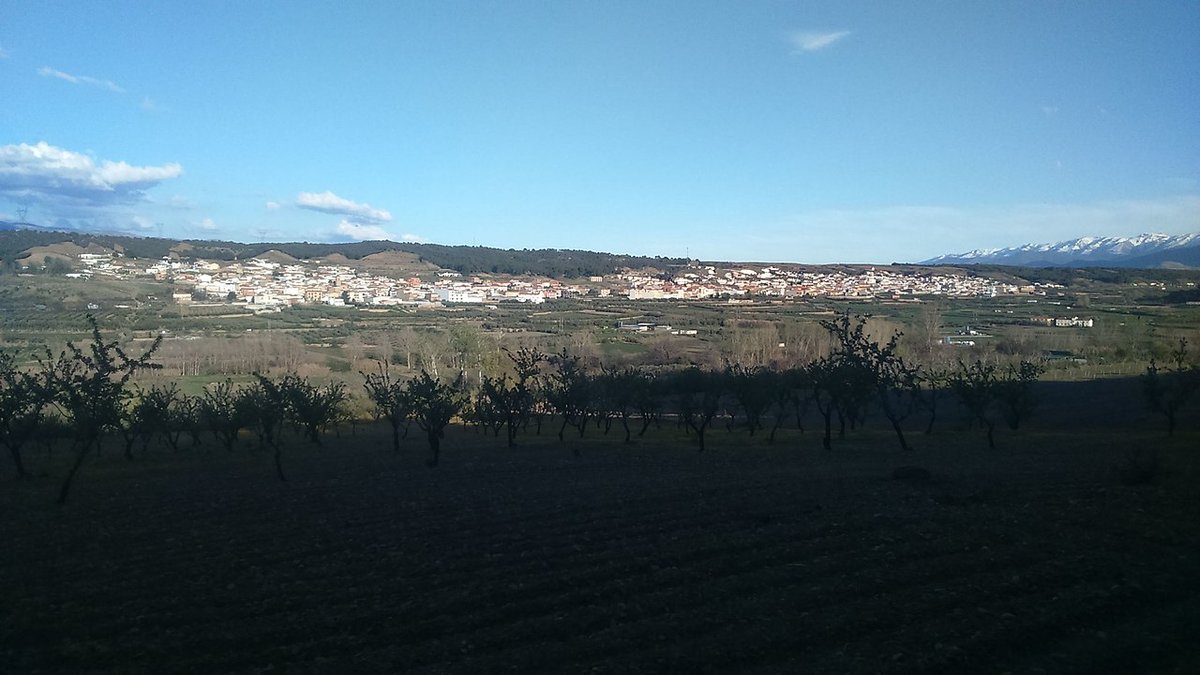
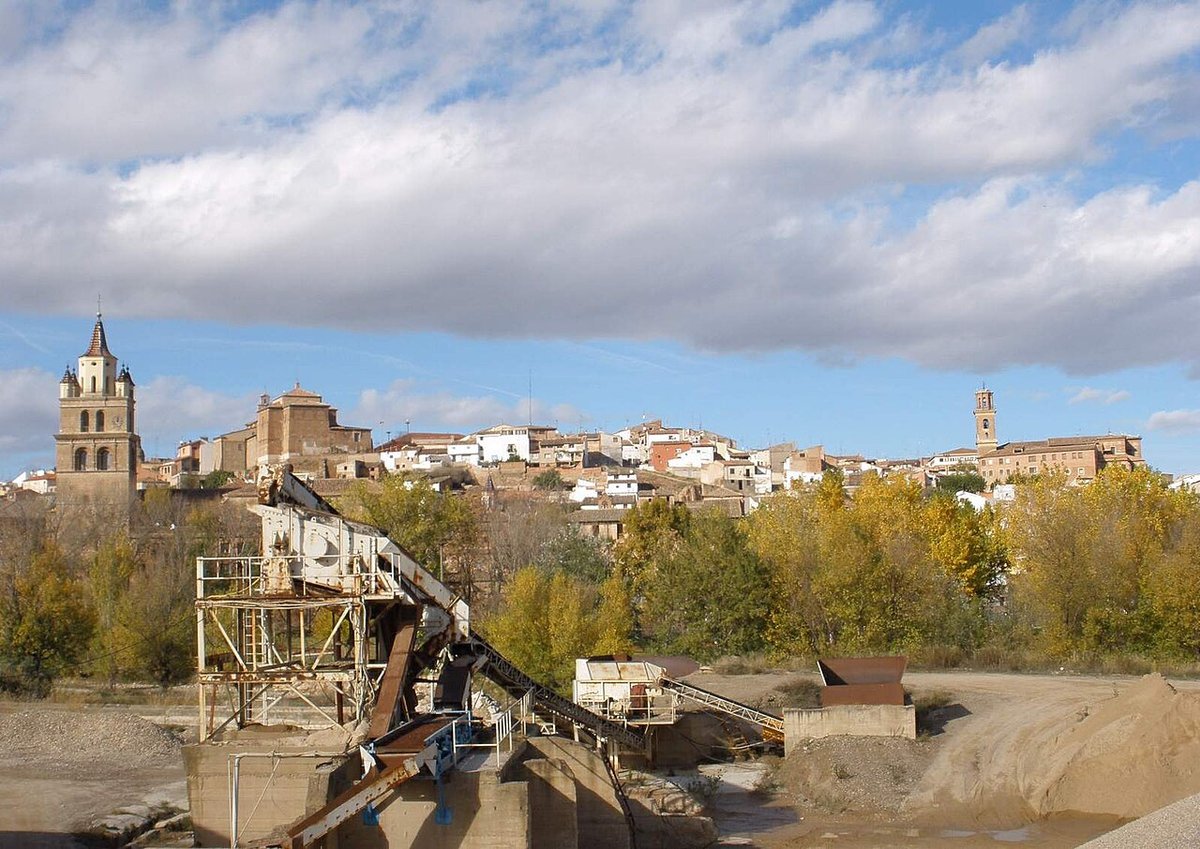
Tourism in La Peza is not about grand monuments or streets arranged for quick photos. It leans more towards a slower pace. The village sits at just over 1,000 metres above sea level, surrounded by olive groves and low scrubland. Time here moves gently, like a Sunday morning when there is no need to check the clock because nothing urgent is waiting.
Walking uphill through the village
La Peza has hills. Not dramatically so, but enough to feel it. Walking through the centre is a bit like heading home with shopping bags: you start comfortably, then halfway up the street your legs realise they are doing some work.
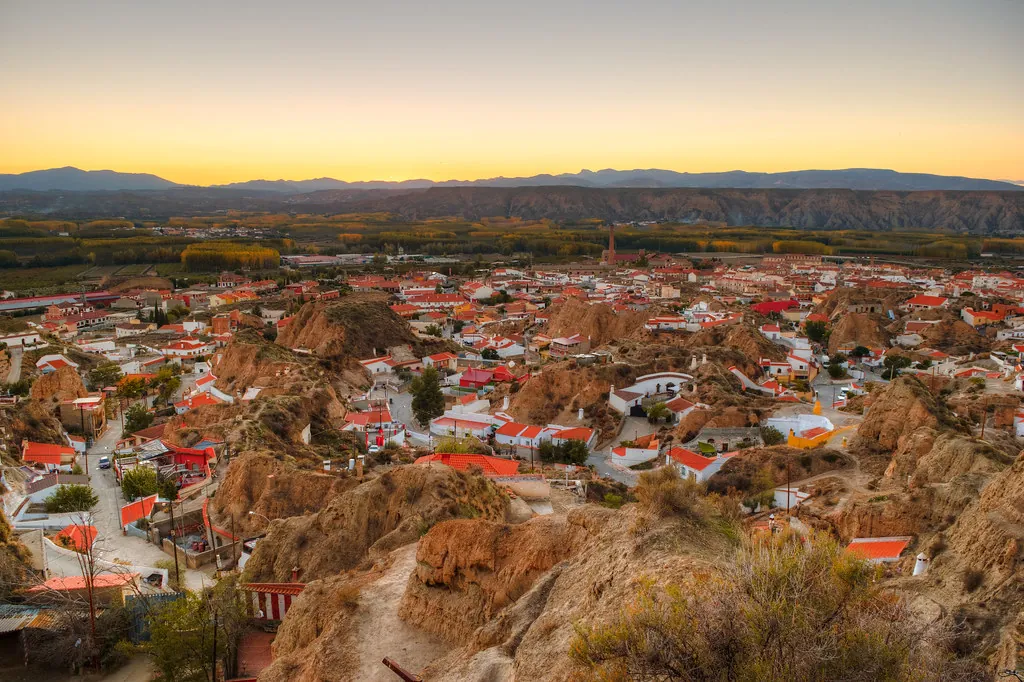
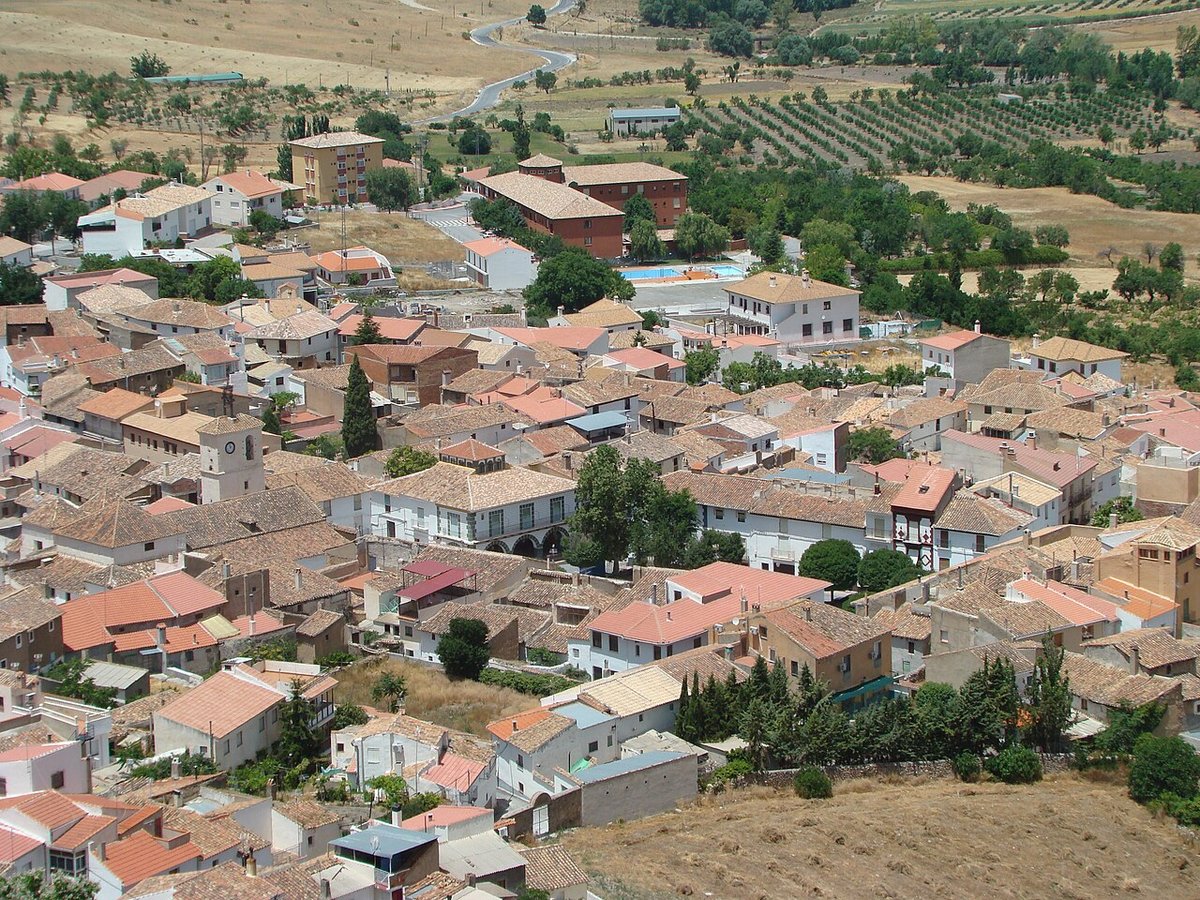
White houses cluster together, leaning into one another, with iron balconies and inner courtyards hidden behind simple façades. Some streets are narrow and steep, the kind where a car moves slowly while locals continue on foot without stepping too far aside.
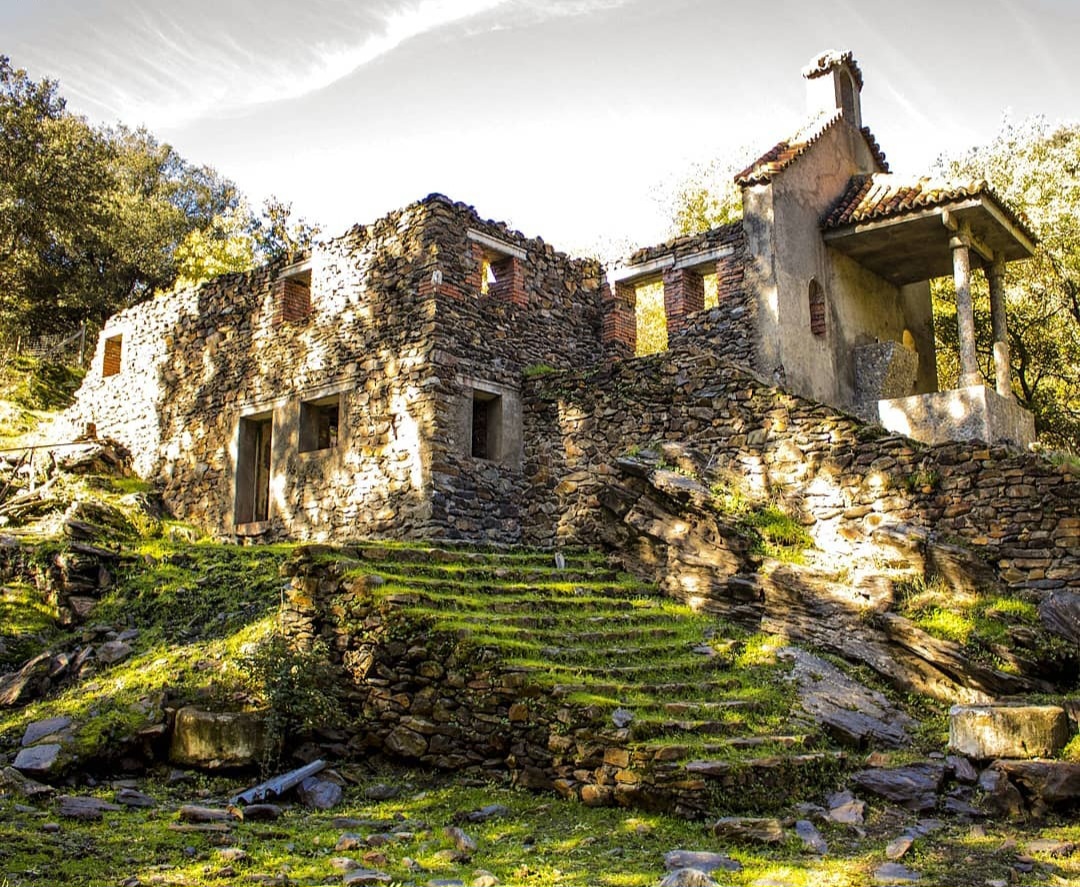
At the top, there are remains of what was once an old fortification. It is not a complete castle or anything close. Just fragments, ruins that hint at a time when this place was more about watching over the surrounding land than welcoming visitors.
The church at the heart of it all
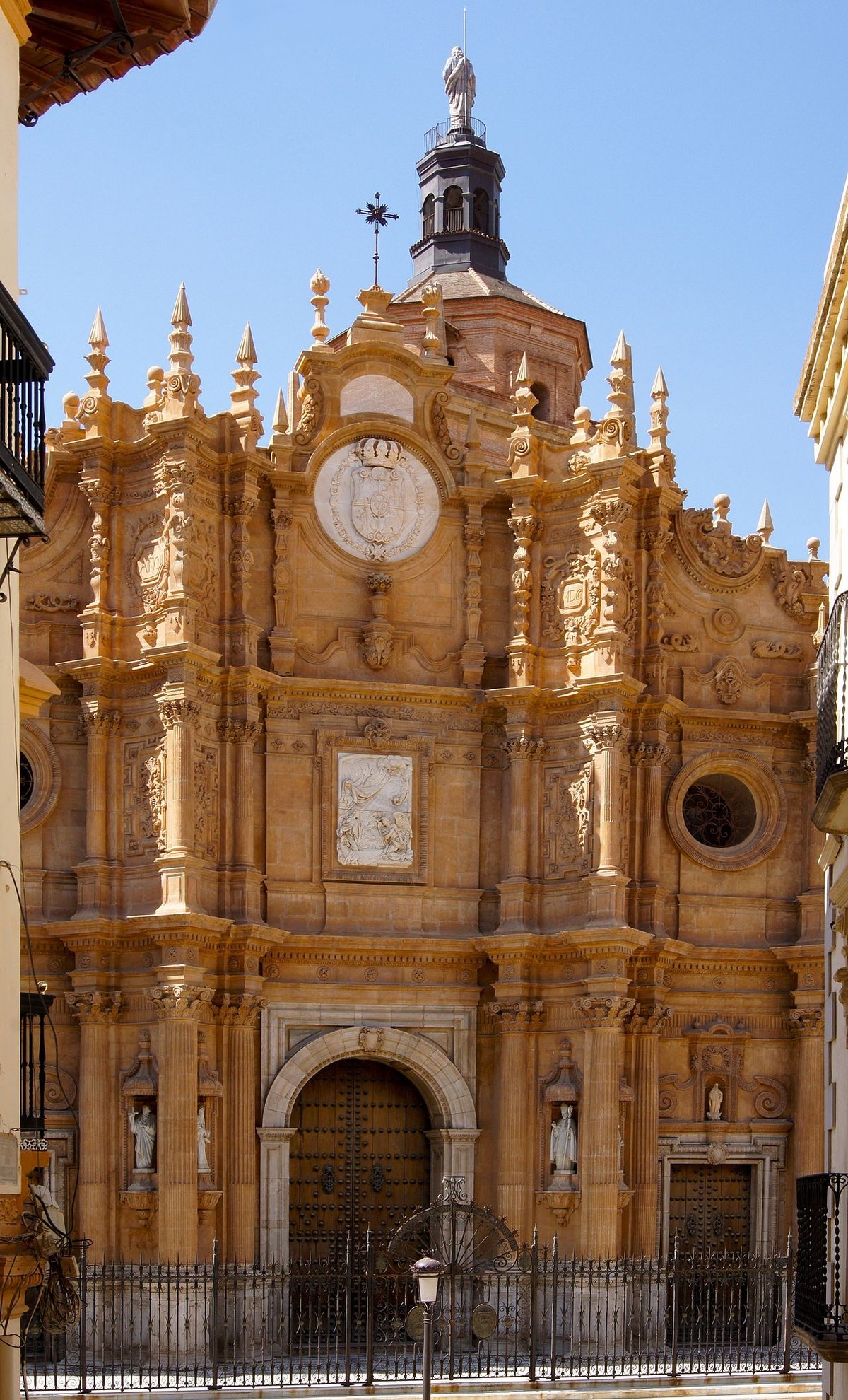
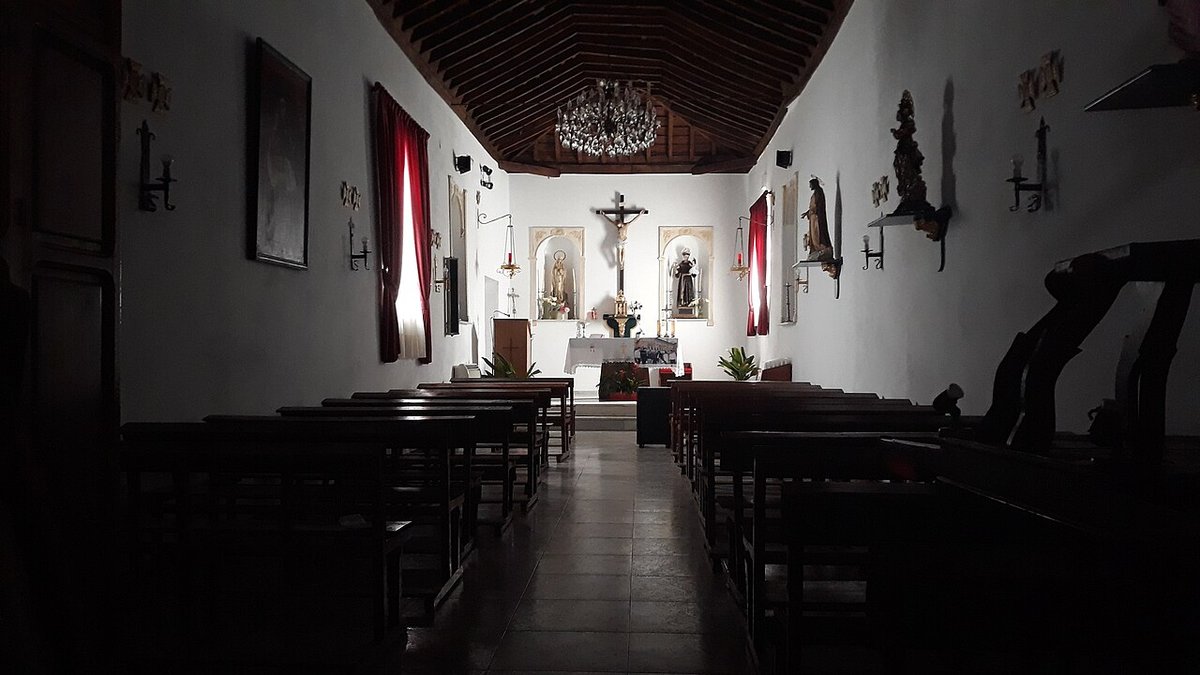
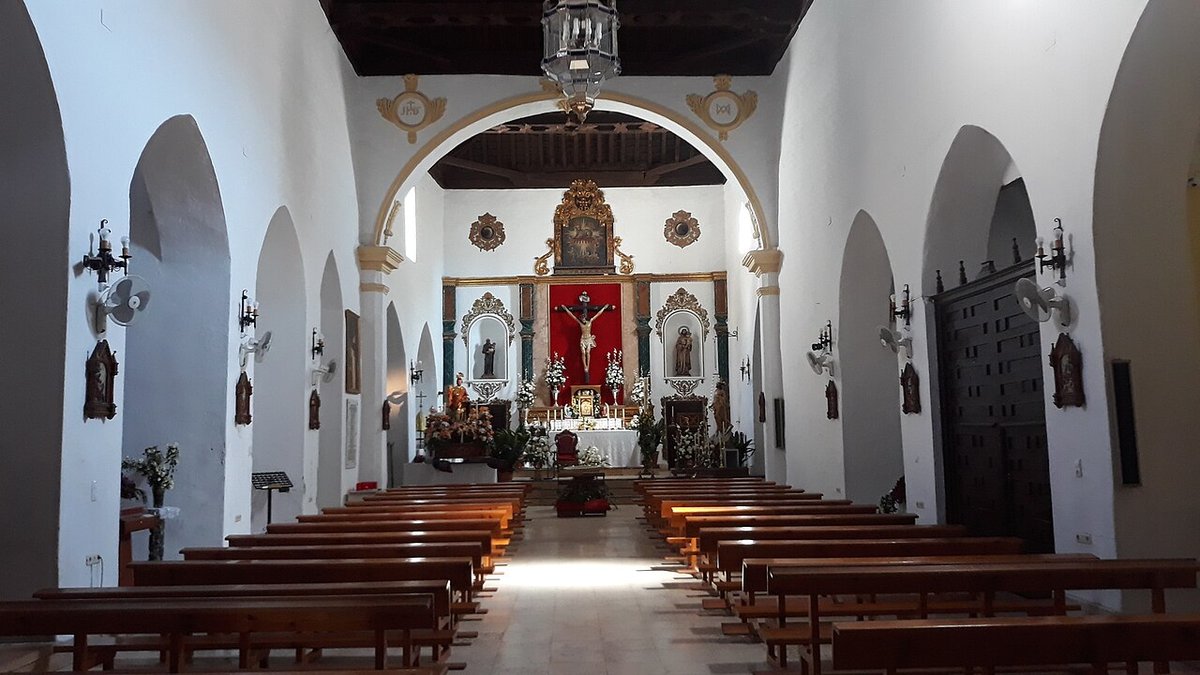
In the middle of the village stands the church of Nuestra Señora de la Anunciación. Built in the 16th century, it has the solid feel common to many Andalusian village churches: thick walls, simple lines and the sense that it has always been there.
Inside, a Baroque altarpiece tends to take centre stage during local religious celebrations. It is not a church that impresses through size, but it fits naturally with the scale and rhythm of the village. Like a small square with a fountain, it feels complete without needing anything more.
The landscape around La Peza
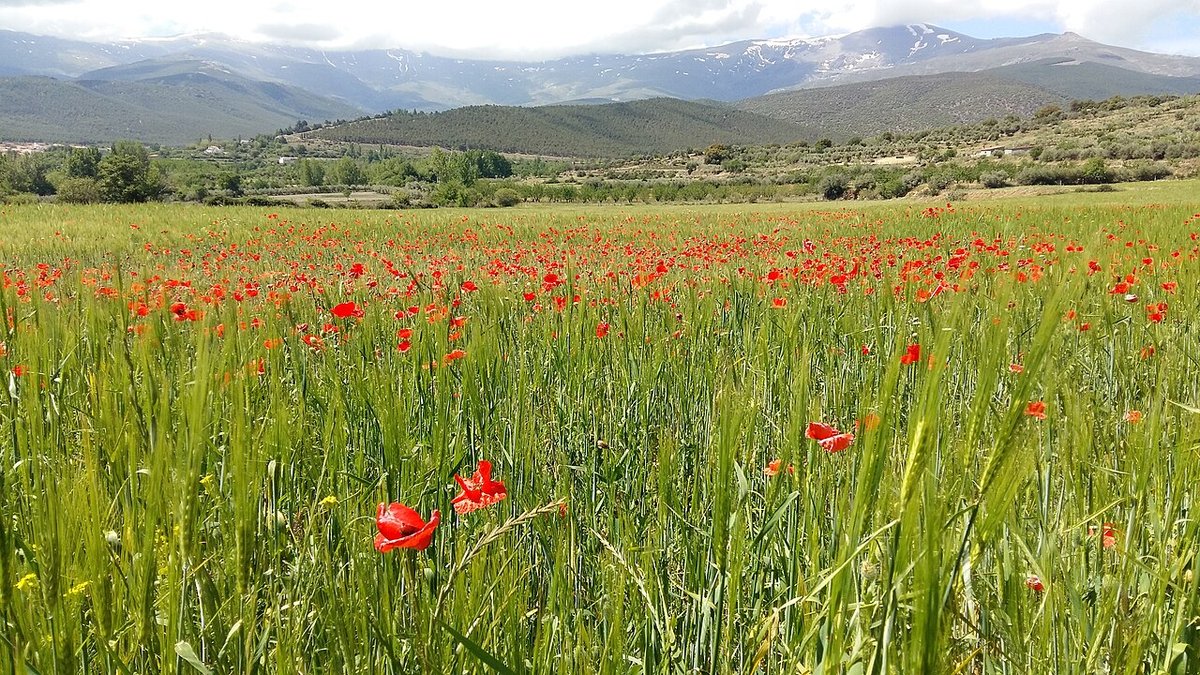
Step outside the village and the setting shifts quickly. Olive trees, holm oaks and Mediterranean scrub spread out across the valley of the Fardes River. In winter, on clear days, the snow-covered peaks of Sierra Nevada can be seen from certain spots.
The view has that familiar feeling of driving up a mountain pass and suddenly finding the landscape opening wide in front of you. There is no need for a formal viewpoint. Sometimes the edge of a path or a simple bench is enough.
Paths that begin at the doorstep
Several routes lead out from La Peza into the countryside. Some have been used for years to move between farms or across the hills, while others have gradually adapted to people walking or cycling.
The terrain varies. Some stretches are gentle, others demand a bit more effort. Nothing extreme, but it helps to come prepared for a proper walk rather than a quick ten-minute stroll in light trainers. The landscape is dotted with rockrose and kermes oak, and with a bit of luck, a Spanish ibex might appear in quieter areas.
Some paths cross private land or protected zones, so it is usually a good idea to ask locally before setting off. It can save a long detour or the frustration of reaching a closed gate after walking for a while.
Food that keeps things simple
The local cooking is direct and filling. Migas, hearty breadcrumb dishes, sit alongside legume stews, warm gachas and gazpacho serrano when the weather turns hot. These are meals that properly satisfy, the kind that feel like they have been made by someone convinced you never eat quite enough.
Olive oil from the area plays a central role in almost everything. It shows up in stews, on bread and in even the simplest dishes brought to the table.
This is not a place for experimental cooking. Food here follows long-established recipes, using nearby ingredients and methods that have been repeated for generations in local homes.
Traditions through the year
The village calendar keeps several traditions alive. During Semana Santa, the week leading up to Easter, processions move through the narrow, quiet streets, with residents following closely behind.
Summer brings festivities dedicated to the Virgen de la Anunciación, with several days of popular activities. In January, San Antón is celebrated, and it is still common to see the blessing of animals along with gatherings around open fires.
Winter is noticeable here. Cold nights mean homes close up early, and daily life shifts indoors, often around fireplaces. Spring and autumn tend to be more comfortable seasons for walking through the surrounding landscape.
La Peza does not try to impress. It is the sort of place where the plan is simply to wander for a while, look out over the valley from the edge of the village, then sit down without any rush. The kind of place where a short outing quietly turns into a longer one because the air feels good and there is no reason to hurry.