Full Article
about Lanteira
White mountain village with narrow, steep streets; bullfighting tradition and access to high-mountain landscapes.
Hide article Read full article
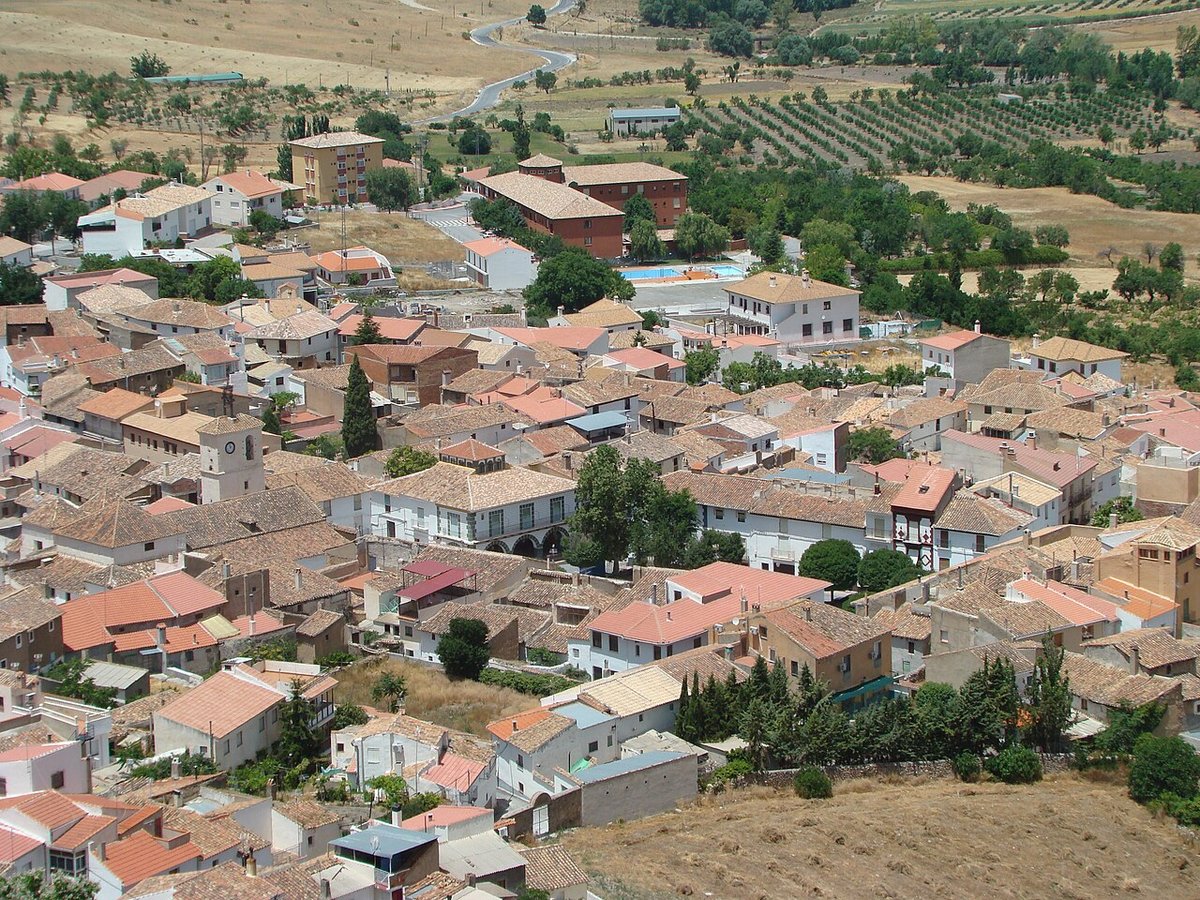
Early in the morning, when the sun begins to touch the whitewashed walls, Lanteira is still half asleep. A door opens somewhere, a broom brushes across stone, and cool air drifts down from the sierra. In this small village in the comarca of Guadix, light filters slowly into the sloping streets, revealing limewashed façades, old stone at the base of houses and flowerpots watered before the heat builds.
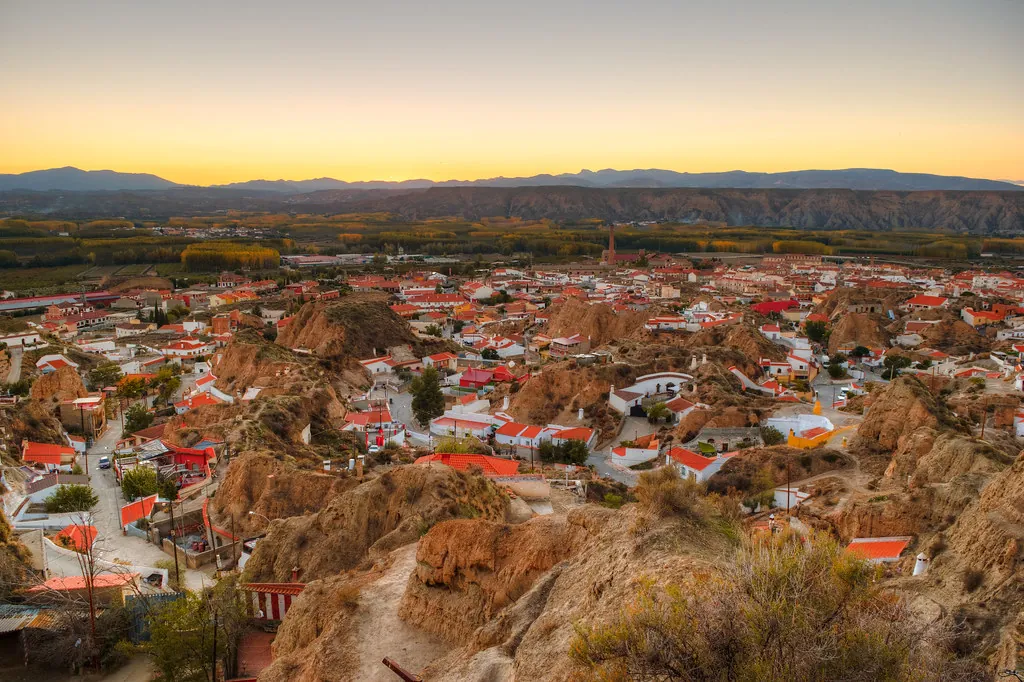
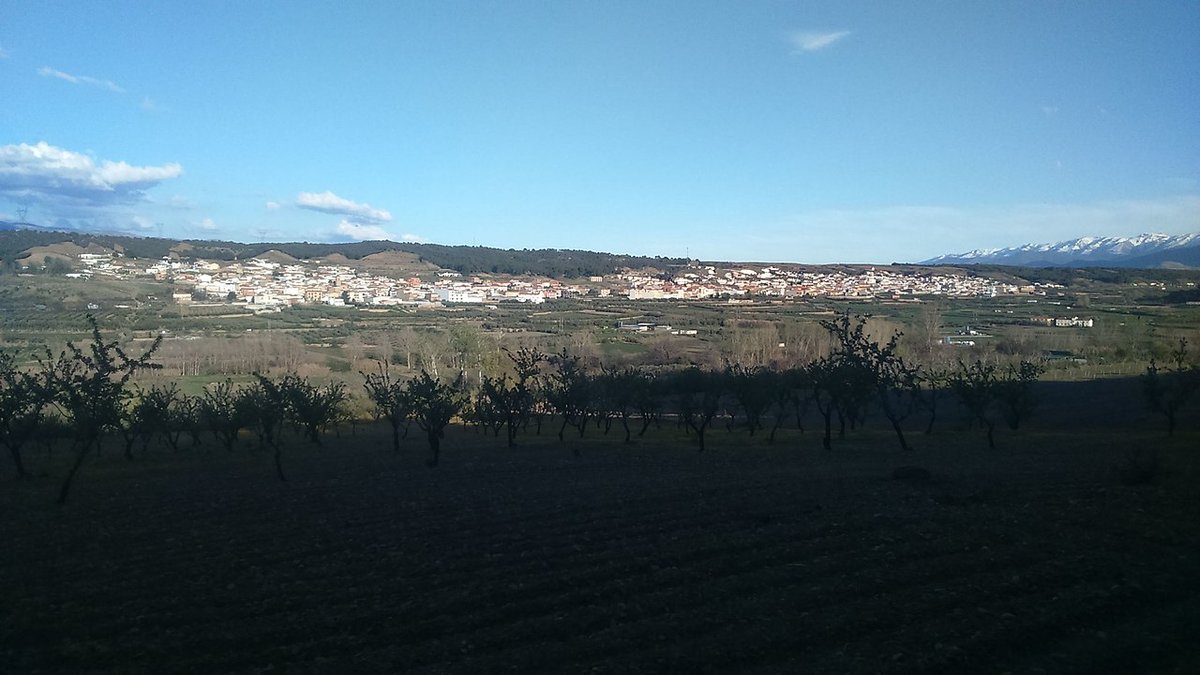
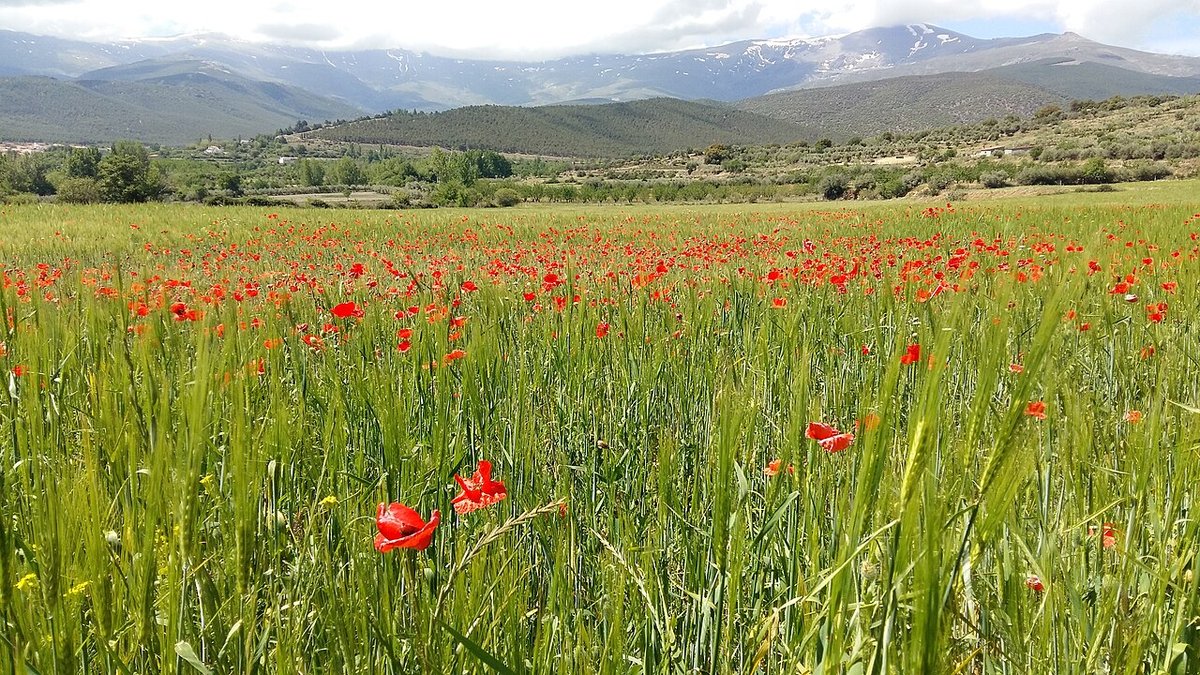
Lanteira has just over five hundred residents and sits at around 1,200 metres above sea level on the northern slope of Sierra Nevada. From the edge of the built-up area, the ground drops towards a dry valley dotted with terraced plots and hillsides where pines mix with almond trees and patches of scrub. In winter, the nearby peaks often appear white. In summer, the landscape turns harsher, with ochre and grey tones that reflect the climate of this part of Granada province.
This is not a place designed for rushing through. It suits slow walks without a fixed plan, allowing the details to come into view at their own pace.
Streets, Stone and the Church at the Centre
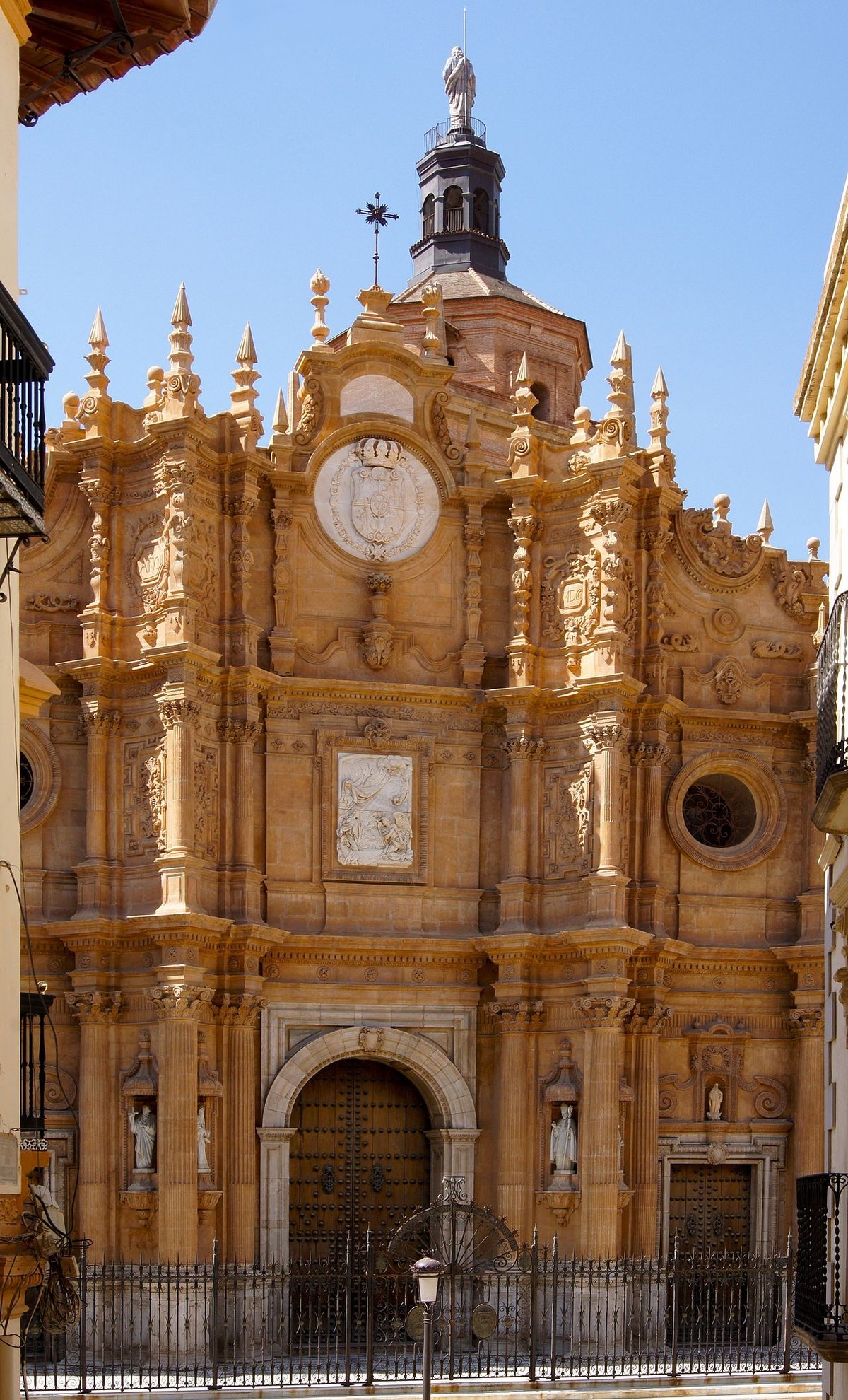
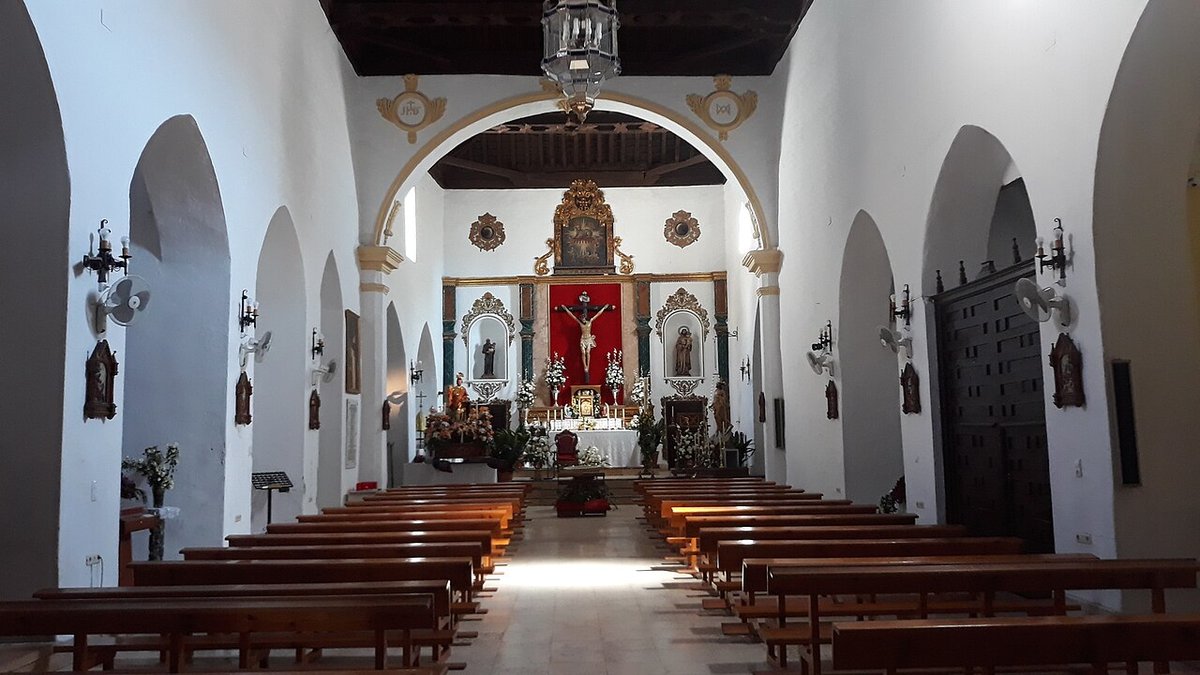
The Iglesia de Nuestra Señora de la Anunciación anchors the centre of Lanteira. Its origins date back to the 16th century. From the outside, traces of that period can still be recognised, although the building has been altered over time. The bell tower rises above the rooftops and provides a clear point of reference when the narrow streets begin to twist.
The village layout follows the logic of many mountain settlements. Streets climb and dip without much geometry. Houses stand close together as protection from cold and wind. Small corners appear unexpectedly, sometimes with a fountain or a shaded bench. Through open doorways it is possible to glimpse interior courtyards with vines or stacks of firewood kept ready for winter.
Daily life gathers around the main square. By mid-morning there is usually some movement: neighbours greeting each other, a car passing slowly, the sound of water from the fountain for those who step closer. The rhythm is steady and familiar rather than hurried.
Paths into Sierra Nevada
Several tracks leave directly from the village and head into the lower slopes of Sierra Nevada. Some follow the course of old irrigation channels. Others climb through young pines and clearings that open onto views of the Alhama river valley.
Spring brings strong contrasts. Almond trees come into flower, fresh grass pushes up between stones, and the higher reaches of the sierra can still hold snow. In summer, the ground becomes much drier and the sun is intense. Setting out early and carrying enough water is sensible, as shade is limited along many stretches.
The paths are generally straightforward to follow, though some gain height quickly. Good footwear is advisable, and it is wise to check the weather forecast before heading out, particularly in winter when ice can form in higher areas. Conditions shift noticeably with the seasons at this altitude.
Acequias and Almond Blossom
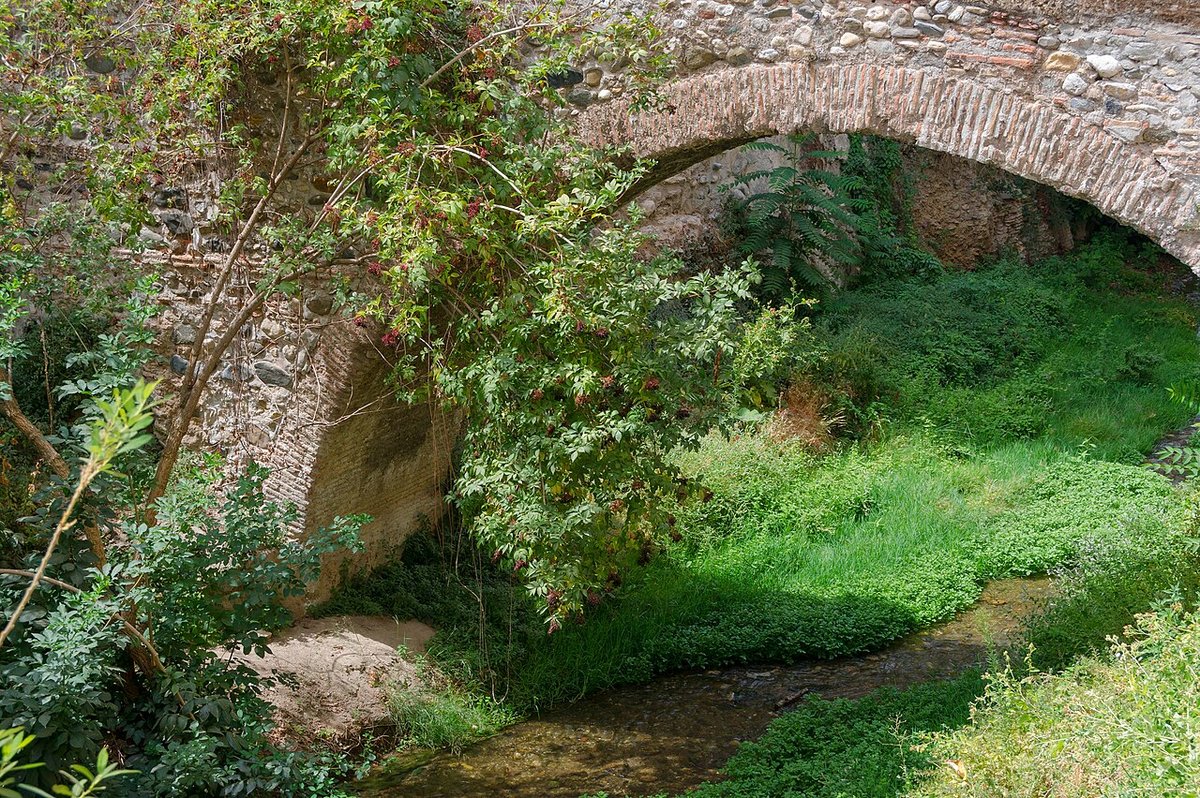
A short walk from the centre leads to the acequias that still irrigate small family plots. Water runs slowly through narrow earth and stone channels, part of an old system that continues to function thanks to the upkeep of local residents. These irrigation channels shape both the landscape and the agricultural routine of the village.
In late winter and early spring, almond trees briefly change the colour of the hillsides. The blossom does not last long. A good week, sometimes less if wind arrives. Anyone hoping to see it needs to watch the timing, as it shifts slightly from year to year. When it does appear, the pale flowers stand out against the muted tones of the surrounding terrain.
The cultivated terraces, the dry valley and the slopes above the village form a landscape that feels closely tied to daily work. Even a short wander beyond the last houses reveals how near the countryside remains.
Mountain Cooking and Seasonal Traditions
Food in Lanteira reflects its setting in the interior of Granada province. It is mountain cooking, built around sustaining dishes developed for long days outdoors. Migas are prepared when the cold sets in, often accompanied by products from the annual pig slaughter. Choto en salsa, goat cooked in sauce, is also common in many households.
Almonds, so visible on the hillsides at certain times of year, appear again in homemade sweets. These are usually prepared for special dates or family gatherings rather than as everyday fare.
Customs still shape the calendar. The village’s patron saint, Nuestra Señora de la Anunciación, is celebrated traditionally at the end of March. Processions move through the streets of the old quarter, which can be very narrow in places. The atmosphere is local in scale, more about neighbours than large crowds.
Summer brings the village festivities, with music in the square and people returning for a few days after spending much of the year elsewhere. At night, a breeze often comes down from the sierra and the square fills more than it does during the daytime heat.
In November, the domestic matanza, the traditional pig slaughter, is still kept in some houses. It remains part of private family life rather than something organised for visitors. The practice connects present routines with older patterns of self-sufficiency.
When to Visit Lanteira
Spring is a favourable time to explore the surrounding area on foot. Temperatures are mild, and the higher peaks of Sierra Nevada may still hold snow. Autumn can also bring very clear days, with a clean light that becomes especially noticeable as the afternoon fades.
Summer heat is strongest around midday. The practical approach is to start early, walk in the morning and keep the central hours for shade. Winter cold is felt at this elevation, particularly when wind blows down from the sierra.
Each season alters the colours and the pace of life, yet the essential character remains steady. Lanteira stands above the valley, close to the mountains, shaped by altitude and weather. It rewards those willing to slow down, wander its sloping streets, and follow a path out towards the acequias and the open hillsides beyond.