Full Article
about Lugros
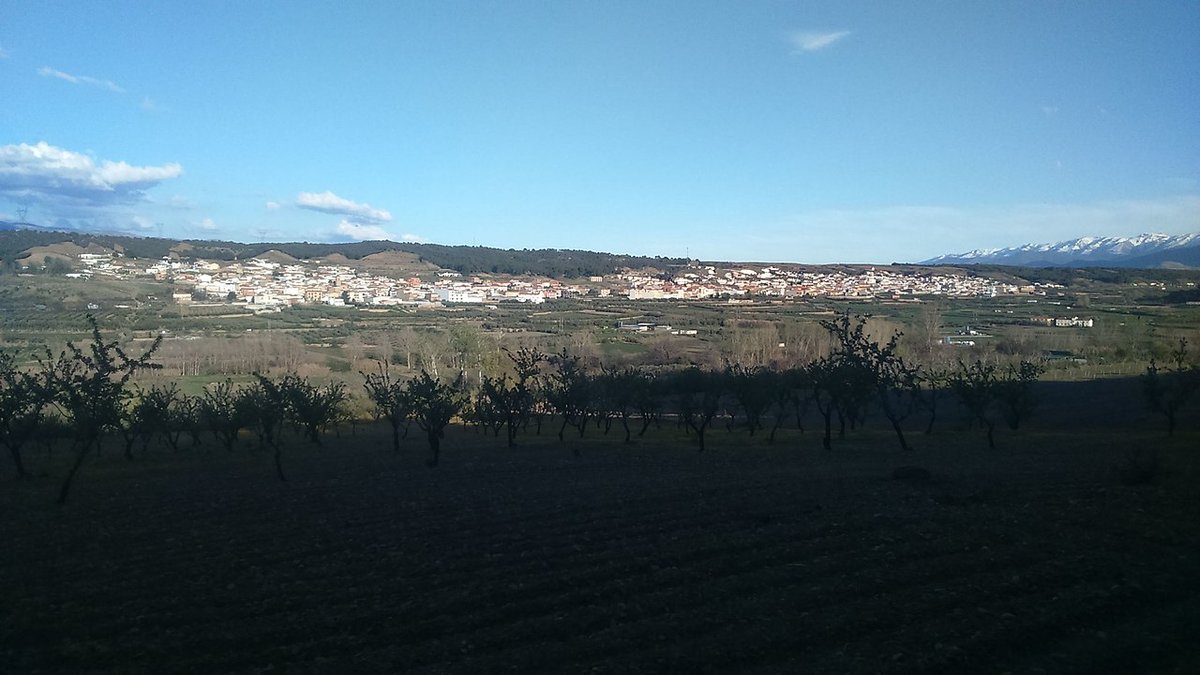
Gateway to the Dehesa del Camarate (Enchanted Forest); lush nature on the northern face of Sierra Nevada
Hide article Read full article
A village that moves slowly
By mid-morning, when the sun begins to touch the whitewashed façades and a cool wind drifts down from the sierra, the streets of Lugros are almost silent. A door closes somewhere, a dog barks in the distance, dry leaves scrape lightly against a wall. Tourism here follows that same tone: unhurried, close to everyday life, scaled to a small village where little needs to happen.
Lugros sits in the Sierra de Guadix, away from the busier roads. It appears among slopes of pine and holm oak, with houses gathered around a handful of streets. There are few distractions competing for attention. The usual thing is simply to walk, without a fixed plan, and let the surroundings reveal themselves gradually.
The real size of Lugros
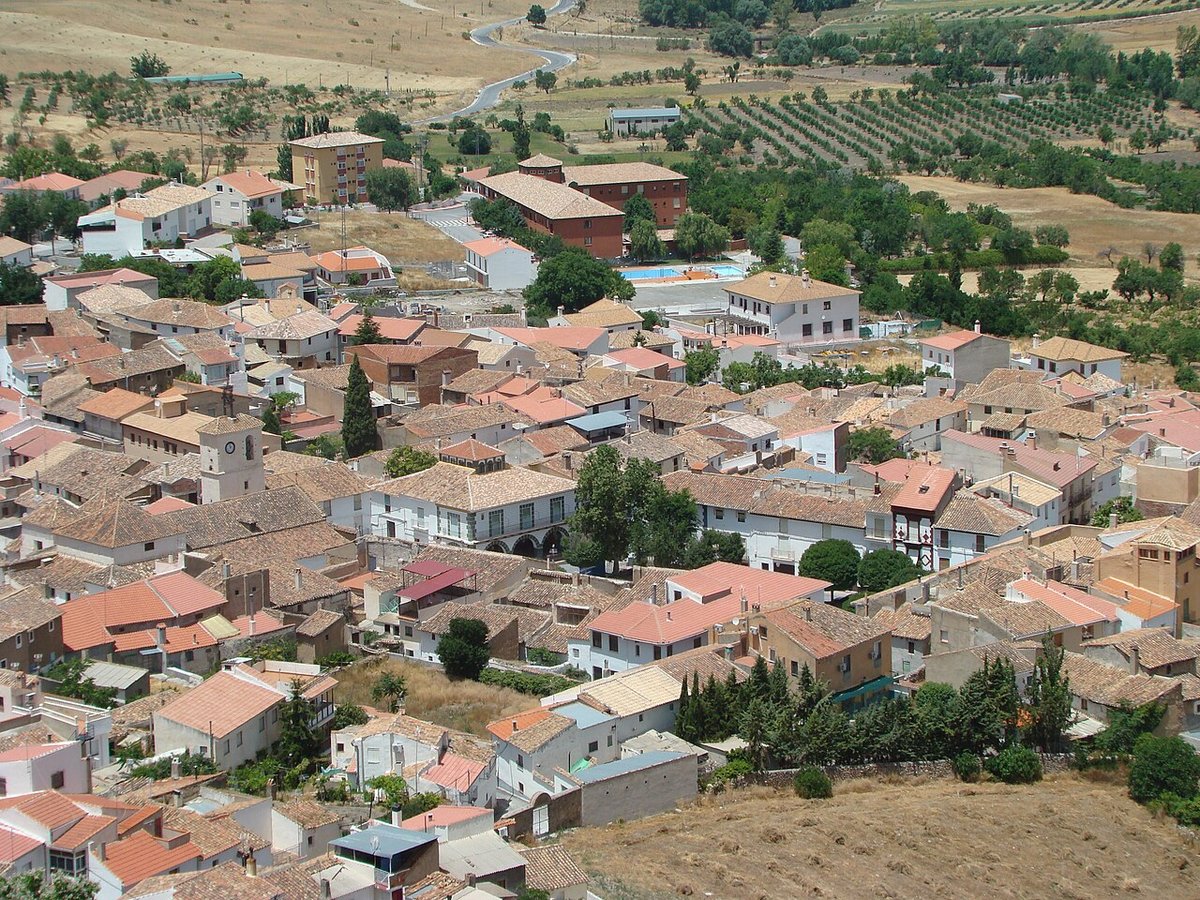
The urban centre is compact. Two main streets run through it, with several narrow side lanes that rise and fall in gentle curves. Some still keep old stone sections underfoot, while others mix concrete and earth.
The houses are low and white, with reddish roofs that stand out against the darker green of the nearby hills. In autumn, when the air dries out, the smell of firewood settles into the village and lingers between the walls.
It does not take long to walk through Lugros. In under an hour, it is possible to cover the entire place. What matters lies in the small details: an old fountain, a threshing floor just outside the village, a view that suddenly opens up between two houses.
The church at the centre
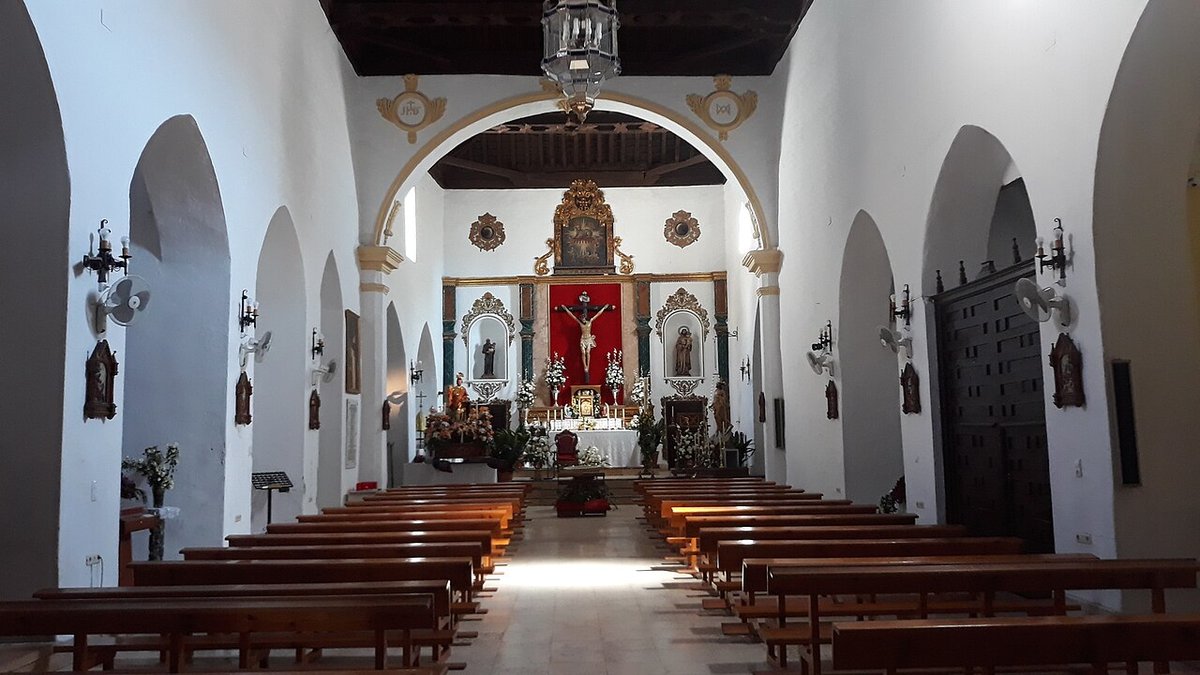
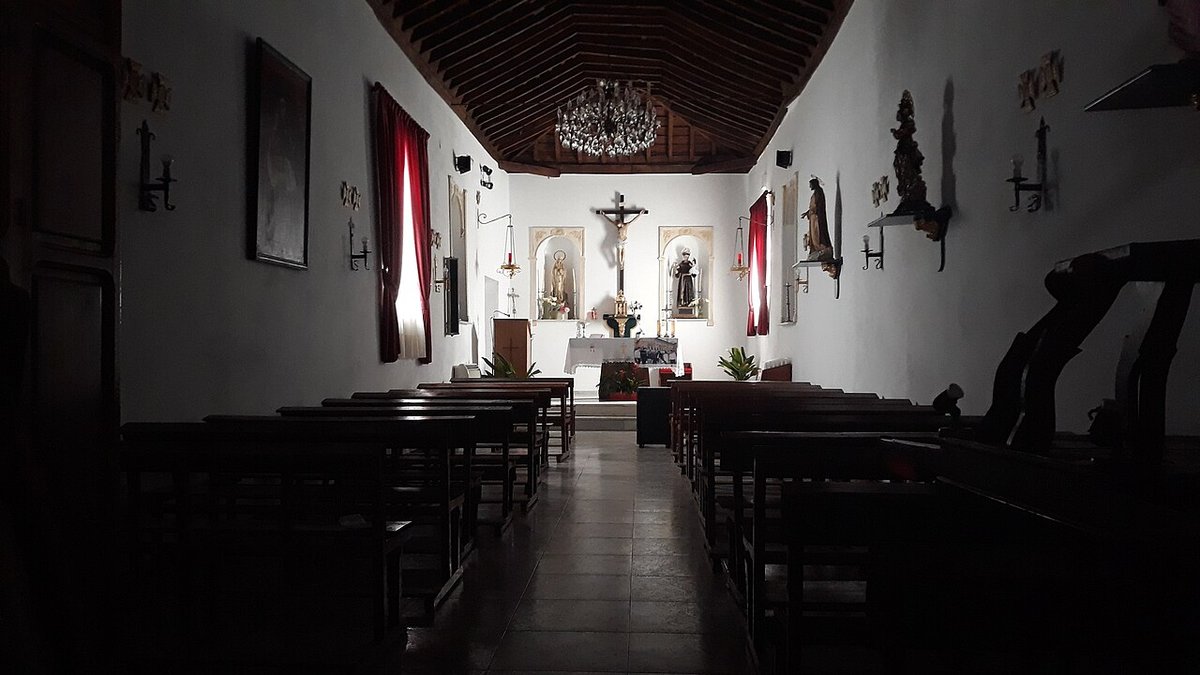
The parish church of Nuestra Señora de la Encarnación occupies a modest space near the centre. Its origins go back to the 16th century, although the building has been altered several times over the years.
It is not a large church. What stands out is the restraint of its walls. Up close, signs of time become visible: fine cracks, subtle shifts in colour in the stone, repairs carried out without much ceremony.
In a village of this size, the church still works as a point of reference. From here, the scale of Lugros becomes clear, both physically and socially.
Paths leading into the hills
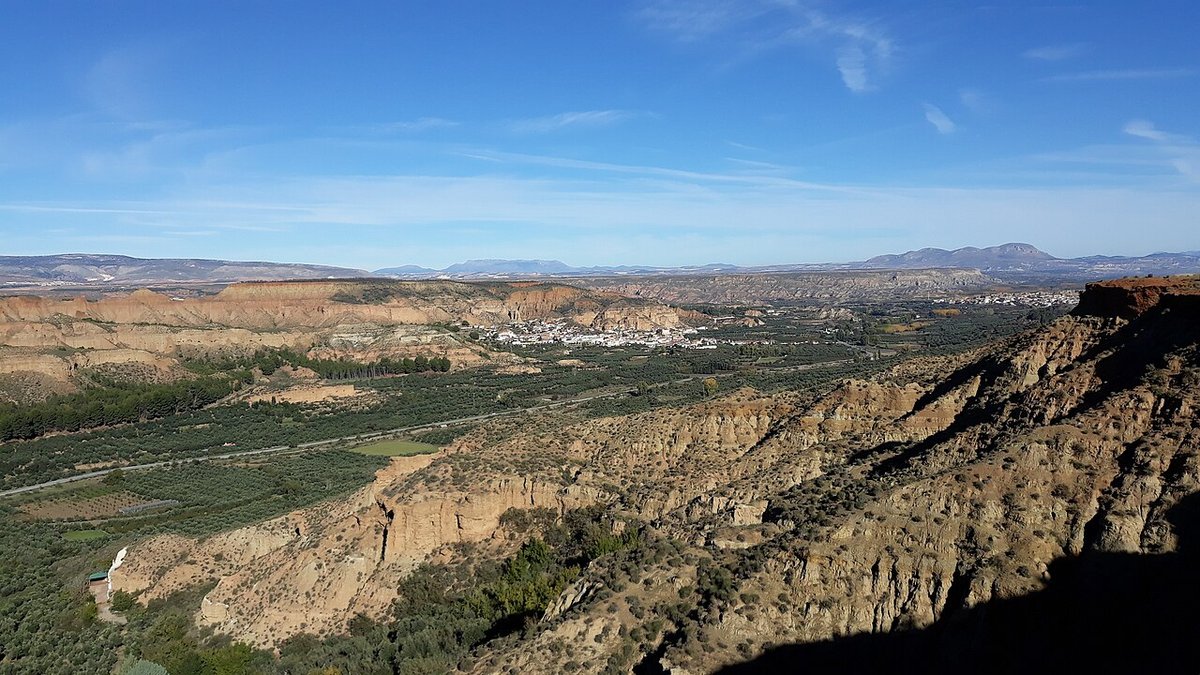
As soon as the last houses are left behind, dirt tracks begin. Some climb towards slopes covered with pine trees. Others open out towards the valley of the Gor river.
The ground is stony, and loose rocks appear in several stretches. Good footwear is advisable, especially for longer walks. Signposting is not always clear, and many of these routes were once working paths linking cultivated terraces.
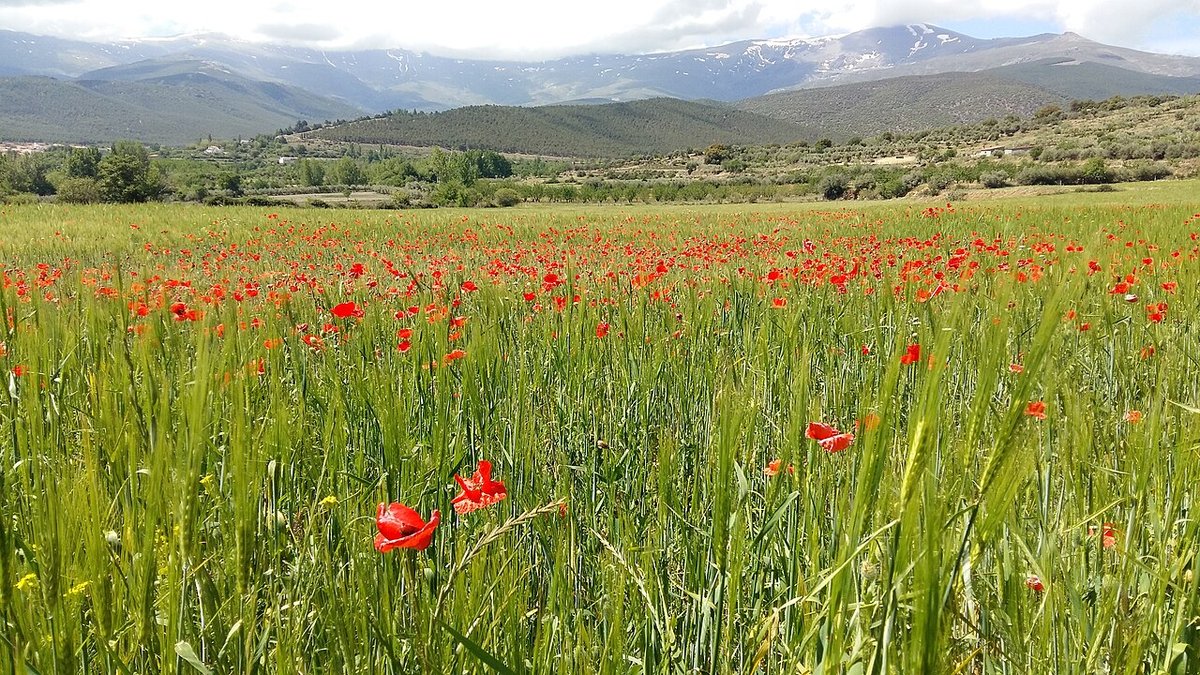
On clear days, looking south, the outline of Sierra Nevada appears in the distance. At times, its peaks still hold snow even when the valley below has already turned dry.
The scent of cooking and daily life
At certain times of day, Lugros smells of slow cooking. Stews made with pulses, fried garlic, toasted bread. These are dishes repeated across generations in local homes: migas, roast lamb, warming recipes prepared when the cold sets in.
There is no organised food scene as such. What is eaten here belongs more to everyday life than to attracting visitors.
That same atmosphere carries into the streets. Lugros continues to function as a small village where neighbours know each other and the rhythm follows the seasons.
Festivities and traditions through the year
The main celebrations tend to gather towards the end of summer. Traditionally, religious events and community gatherings are organised around the Virgen de la Encarnación.
In September, the Virgen de los Remedios is also remembered. These are days when the village brings back songs, family reunions and small local fairs.
During winter, the tradition of the matanza, the home slaughter and preparation of pork, still continues in some households. It is less common than it once was, but remains part of the rural memory of the area.
When to go and how to reach it
Spring and autumn are usually the most comfortable times to walk in the surroundings of Lugros. The countryside shifts in colour and the temperatures allow for slow, steady movement along the paths.
In summer, the midday sun can be intense, although nights tend to cool down more than many expect in this part of Andalucía. Winter can bring frost, and in some years even snow.
From Granada, the journey takes a little over an hour, passing through Guadix and continuing along mountain roads. The final stretch includes bends and changes in gradient. It is best approached without rushing, especially at dusk or for those unfamiliar with the area.