Full Article
about Marchal
Known for its Cárcavas Natural Monument; a striking clay landscape with inhabited cave houses.
Hide article Read full article
A small village shaped by the land
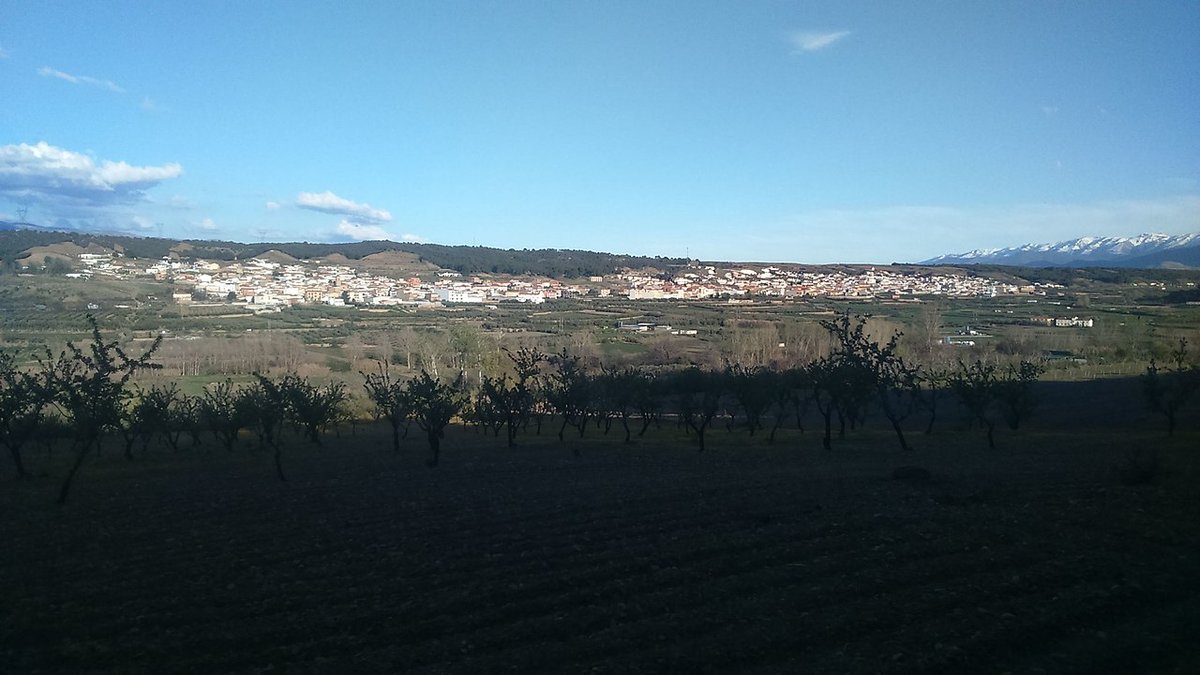
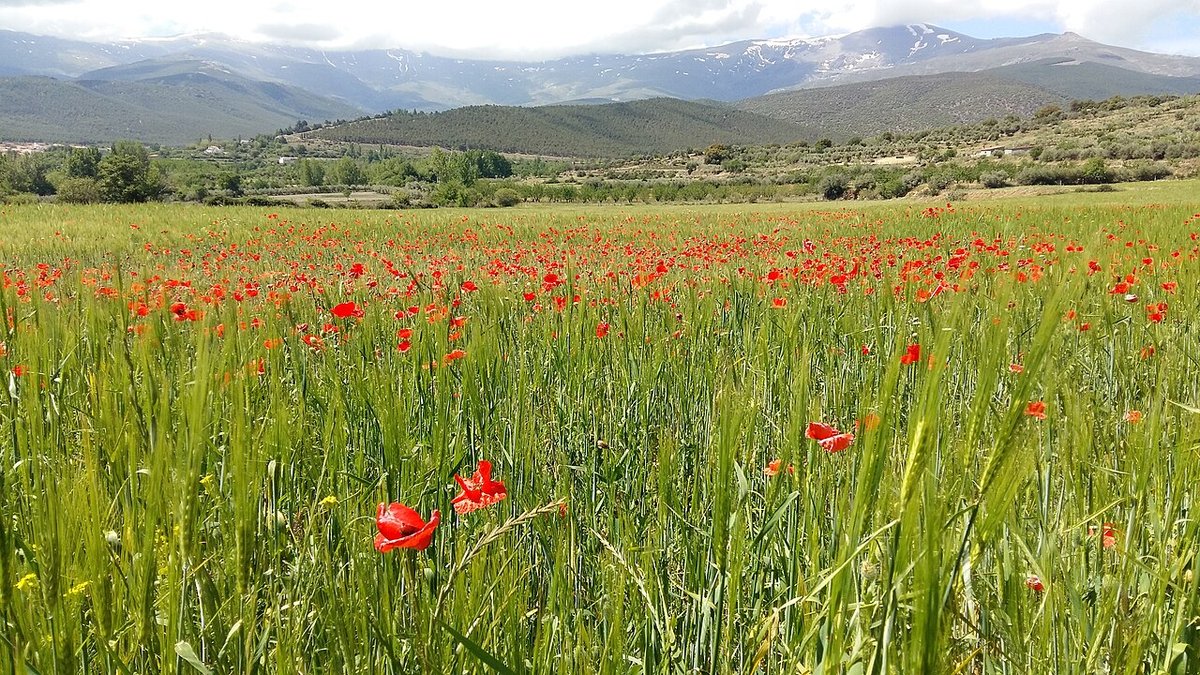
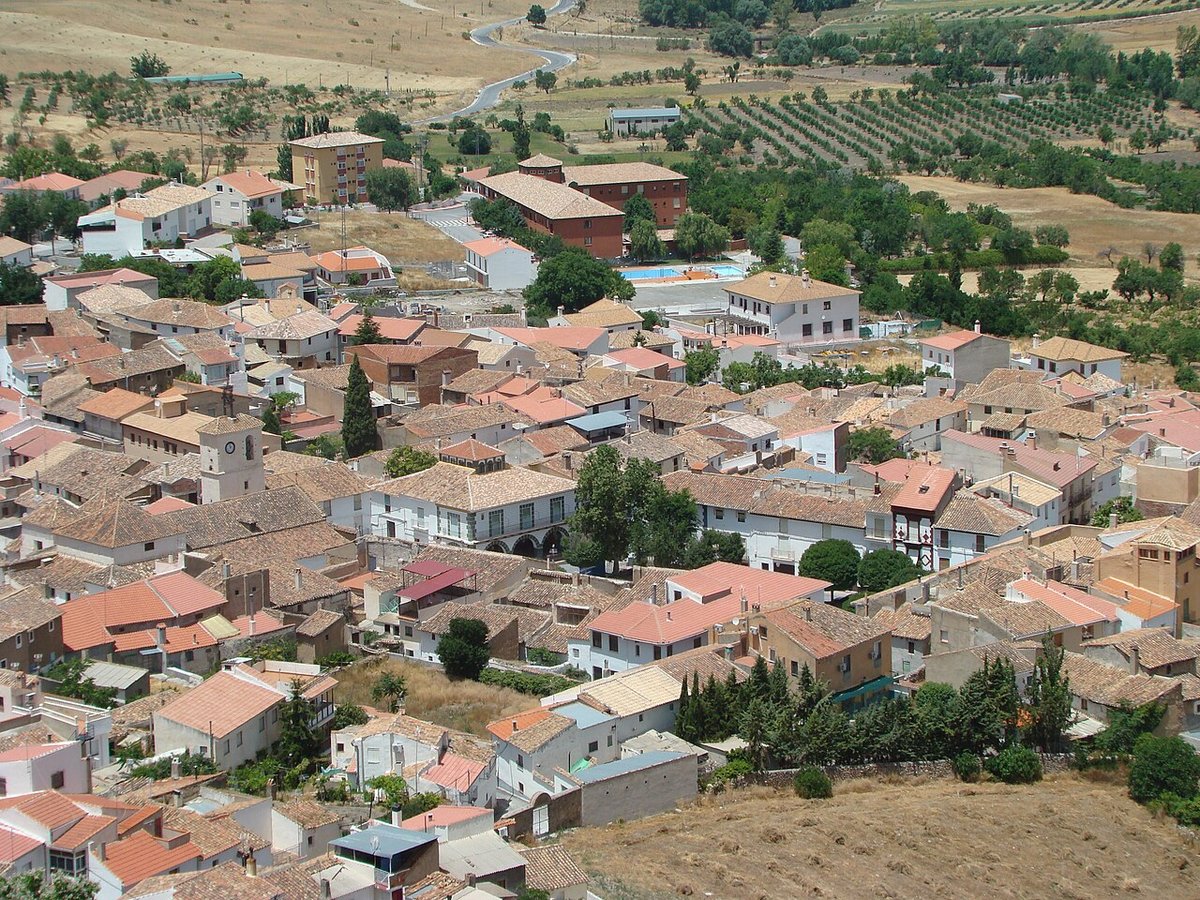
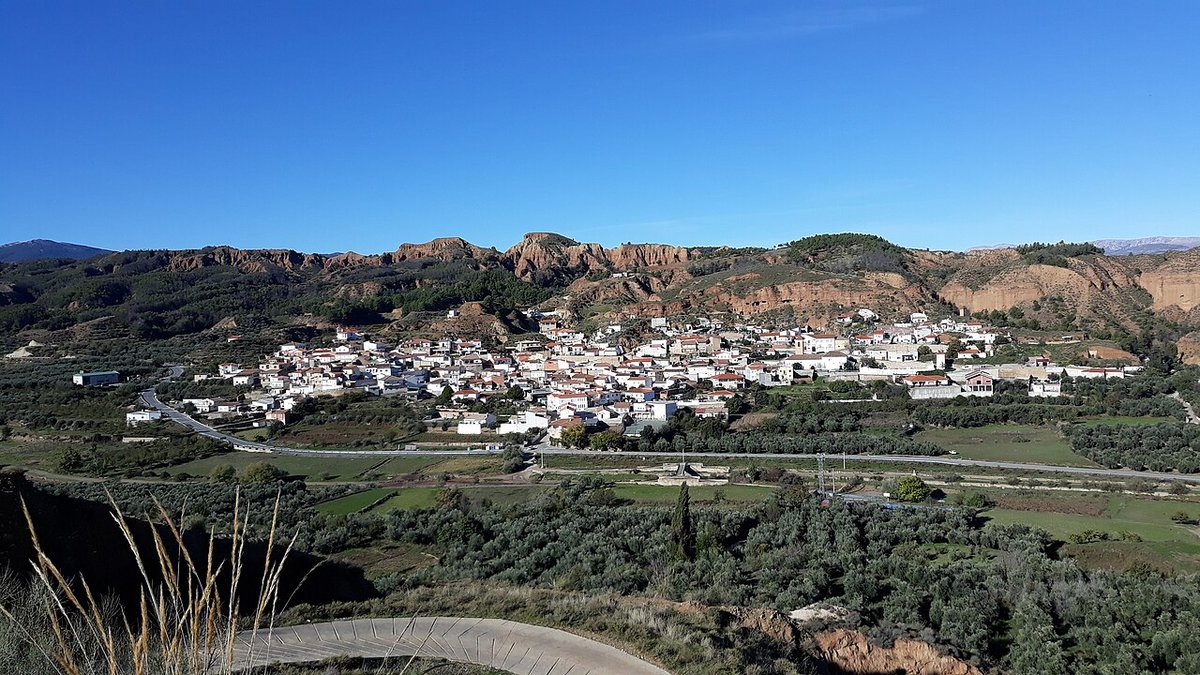
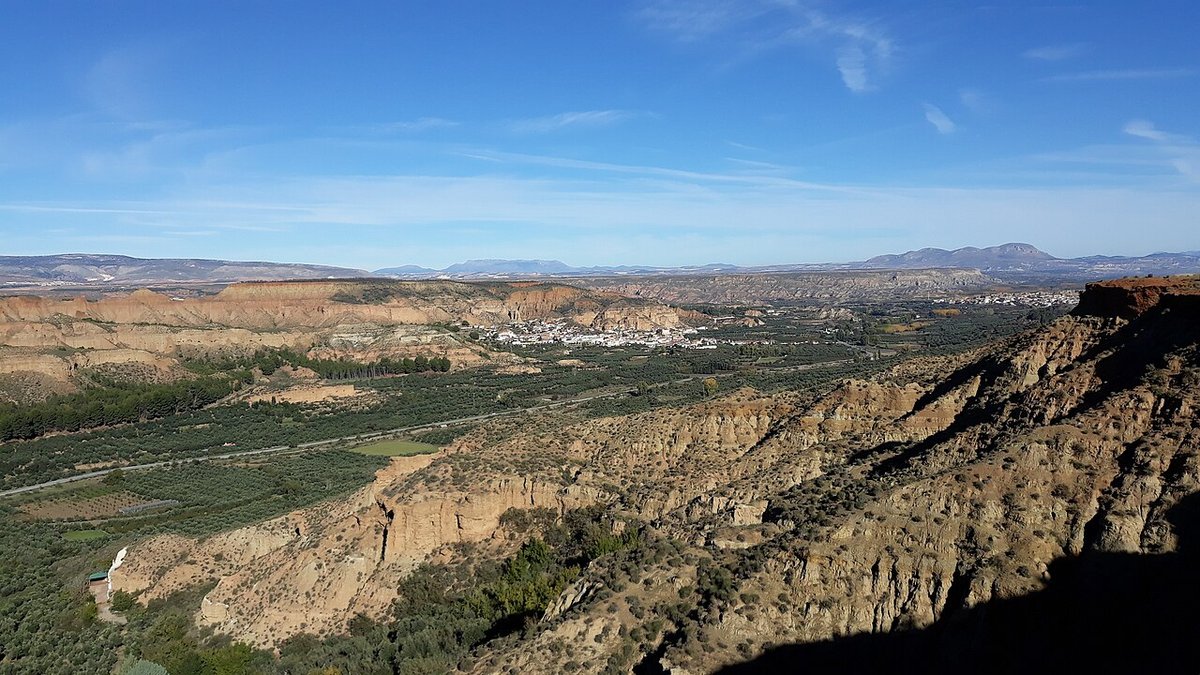
Marchal sits in the Hoya de Guadix, surrounded by dry hills and ravines that feel closer to a geological sketch than a postcard landscape. It is a small place, with fewer than 500 residents, perched at around 900 metres above sea level. From a distance it can look unassuming, but the moment the ground opens up into folds of ochre earth, the setting becomes its defining feature.
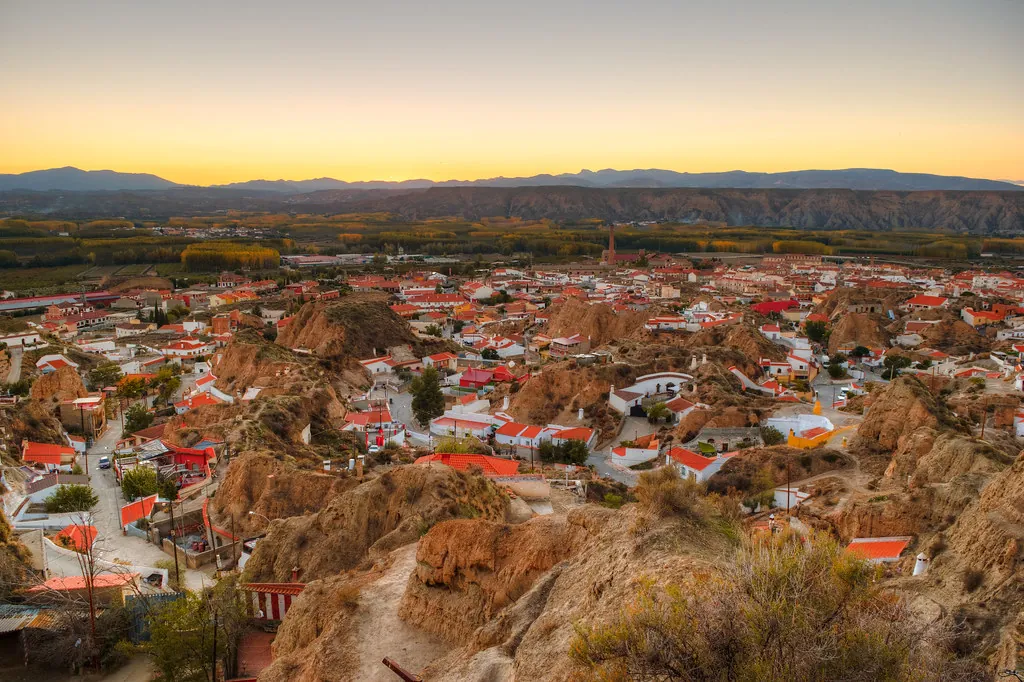
Travellers often pass through the province heading for the coast or the city of Granada. Marchal tends to fall outside those plans. Yet a short detour reveals a setting that is hard to confuse with anywhere else: white houses scattered along the slope, cave chimneys with their مخروط-like shapes rising from the ravines, and beyond that, the wide plain of Guadix. On clear days, Sierra Nevada appears on the horizon.
The landscape does most of the work here. The village itself remains quiet, almost secondary to the terrain that surrounds it.
A landscape of folds and traces of the past
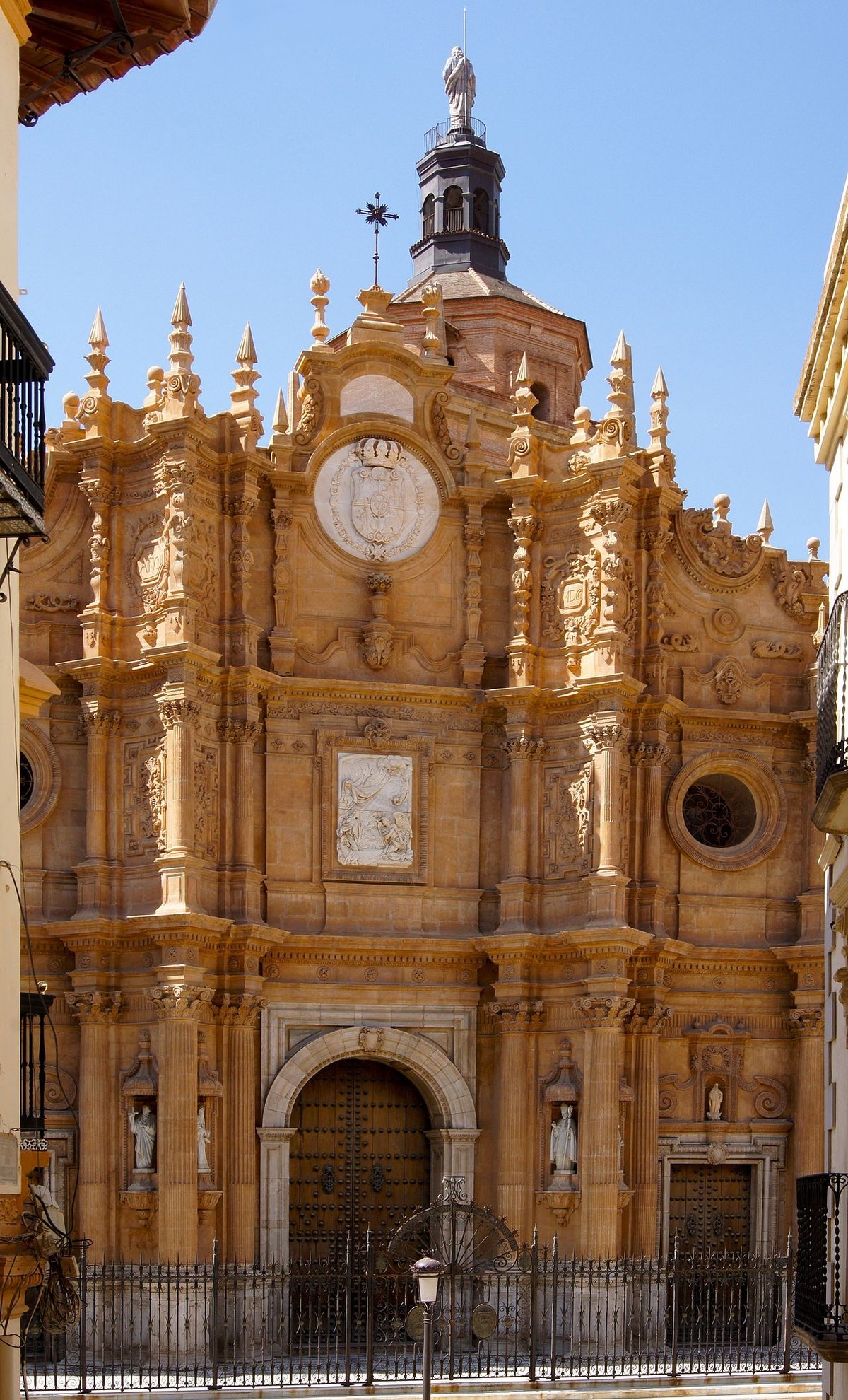
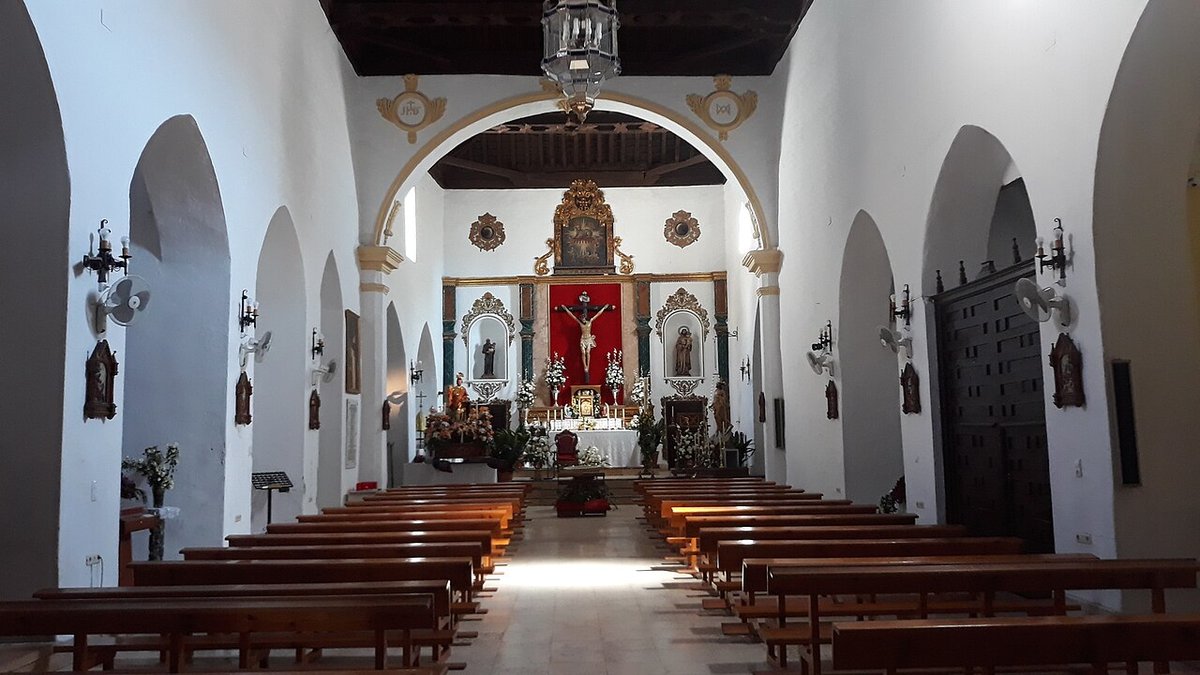
The centre of Marchal revolves around the church of the Inmaculada Concepción. It is not a grand monument, though its tower is visible from the road and acts as a point of reference when arriving.
There are no large museums or major historic complexes. Instead, the past is scattered across the area. Archaeological remains from Iberian and Roman periods have been found nearby, which makes sense given that this natural corridor has long connected inland مناطق with the coast.
What stands out most is the terrain. The surroundings are filled with cárcavas and badlands, formations shaped by erosion over long periods. Layers of sediment have been carved away by water, leaving behind ridges, grooves and soft-looking contours in shades of ochre. After heavy rain, these shapes become even more pronounced, as if the land has been freshly moulded.
Cave dwellings form another part of the visual identity, although they are more spread out here than in Guadix. Many remain inhabited or have been restored. Their design follows a simple logic: inside, the temperature stays relatively stable, which is useful in both the heat of summer and the cold of winter.
Walking through the badlands
Marchal works well as a starting point for exploring the surrounding terrain on foot. There is no need for elaborate planning. Even a short walk begins to reveal how the land shifts and reshapes itself at every turn.
One of the best-known routes in the area is the Ruta de los Coloraos. It passes through zones where the earth takes on striking reddish tones. The effect is unusual rather than conventionally beautiful, with moments that feel almost otherworldly.
For those who want to understand more about what they are seeing, guided outings are sometimes organised by local people familiar with the geology of the area. Joining one of these can change the way the landscape is read, turning what first appears as simple erosion into something more layered and intelligible.
Food in Marchal reflects the rhythms of rural life. Dishes tend to be hearty and filling, designed for long days outdoors. Migas with dried pepper, choto al ajillo and gachas with a generous touch of pepper are typical. It is straightforward cooking, but satisfying after time spent walking through the ravines.
The nearby valley still provides vegetables and other basic produce. Occasionally, small workshops continue the tradition of working with clay as it has been done here for generations. They are not always open on a regular basis, so asking locally is the best way to find them.
Local celebrations and everyday life
Festivities in Marchal are closely tied to tradition and the village calendar. The main celebrations take place in December in honour of the Inmaculada Concepción. They are modest events, centred on a procession, neighbours gathering in the square, and a calm, communal atmosphere.
In May, the romería of San Isidro reflects the agricultural roots of the المنطقة. On that day, many people head out into the countryside and share informal meals outdoors. It is a familiar scene in this part of Granada, where farming cycles still shape local customs.
Summer brings a different rhythm. In August, open-air dances and evening activities stretch late into the night. Generations mix in a way that feels natural: younger people gather near the music, while older residents bring chairs outside and talk in the cooler evening air.
When to go
For walking and exploring the badlands, autumn and early spring are usually the most comfortable times. Temperatures are milder, and the light tends to highlight the textures and contours of the الأرض.
Summer can be intense, especially around midday. Early starts make a difference, allowing time to walk before the heat builds, followed by a retreat from the sun during the hottest hours.
Winter has a harsher edge, with frequent frosts and cold days. Even so, it offers a different perspective. Grey skies and stillness give the badlands a quieter, almost stark character.
Marchal is not a place built for packed itineraries over several days. It works better as a calm توقف in the Hoya de Guadix, somewhere to pause, walk a little, and take in a landscape that quietly holds your attention.