Full Article
about Polícar
Small village on the slopes of Sierra Nevada; known for its wines and panoramic views over the Hoya de Guadix.
Ocultar artículo Leer artículo completo
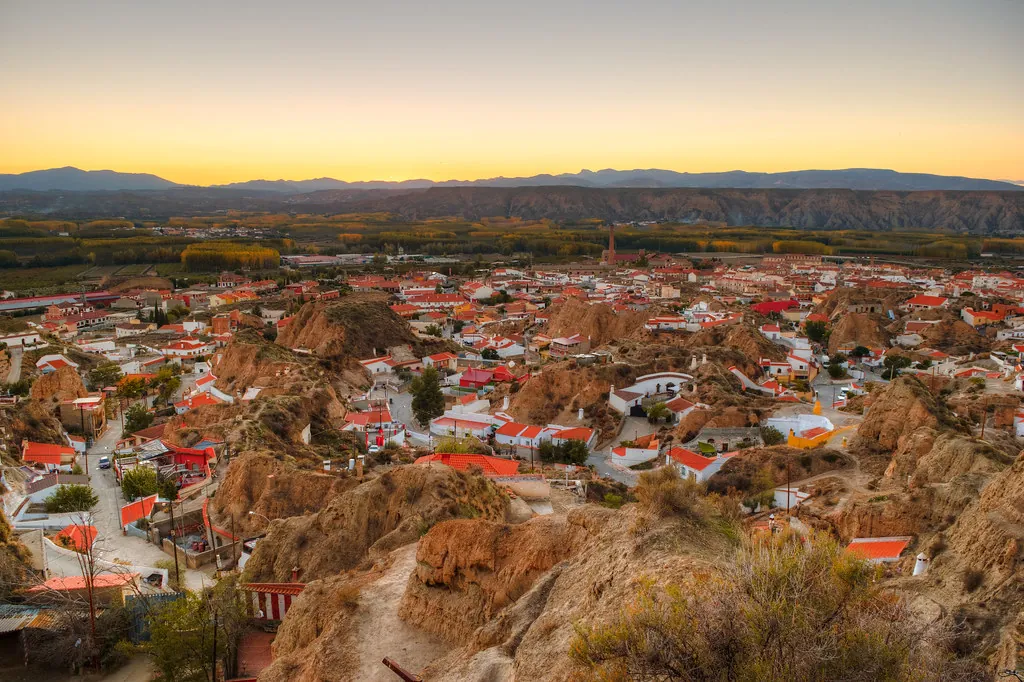
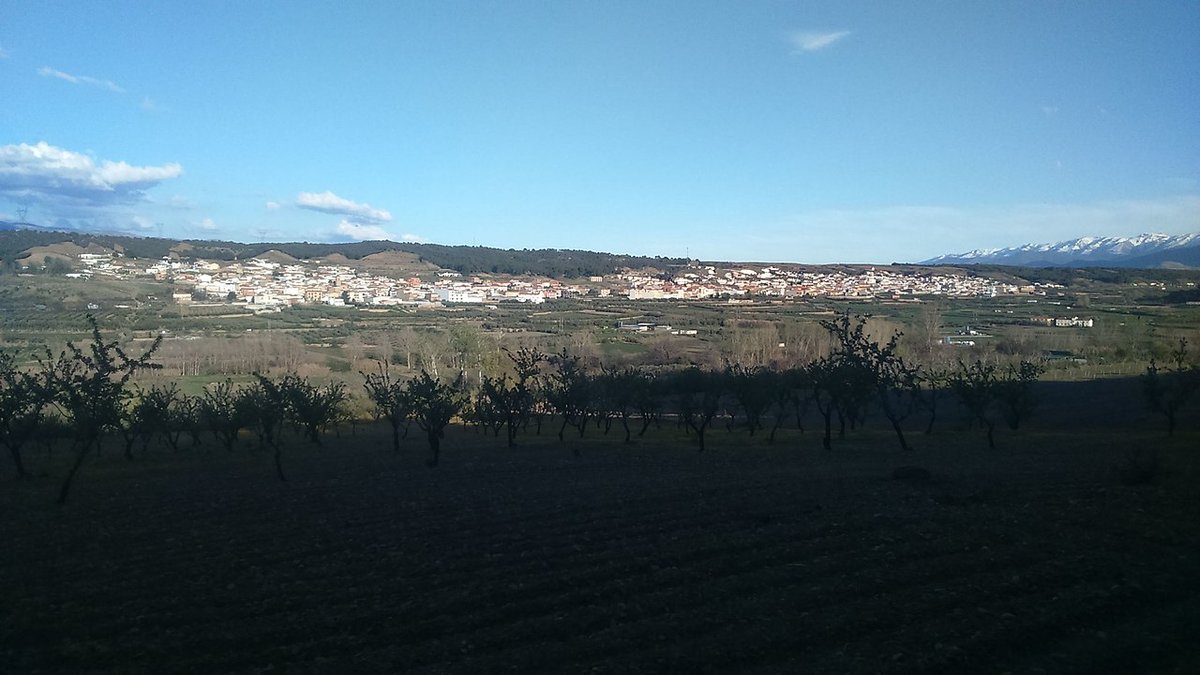
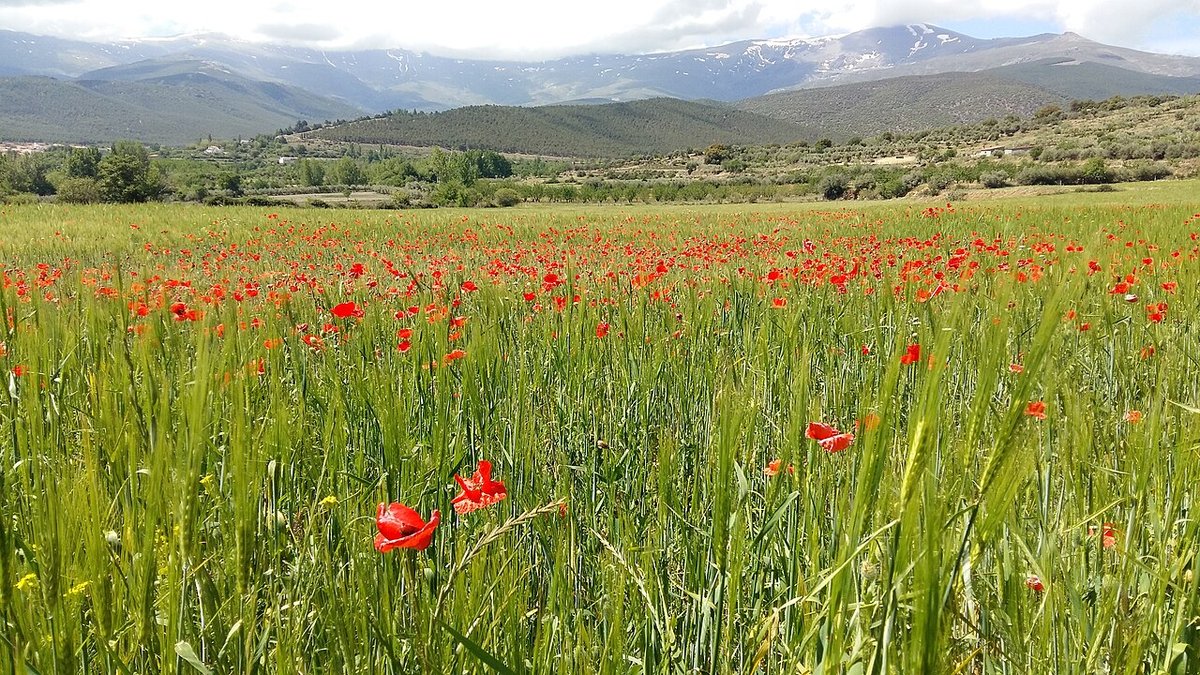
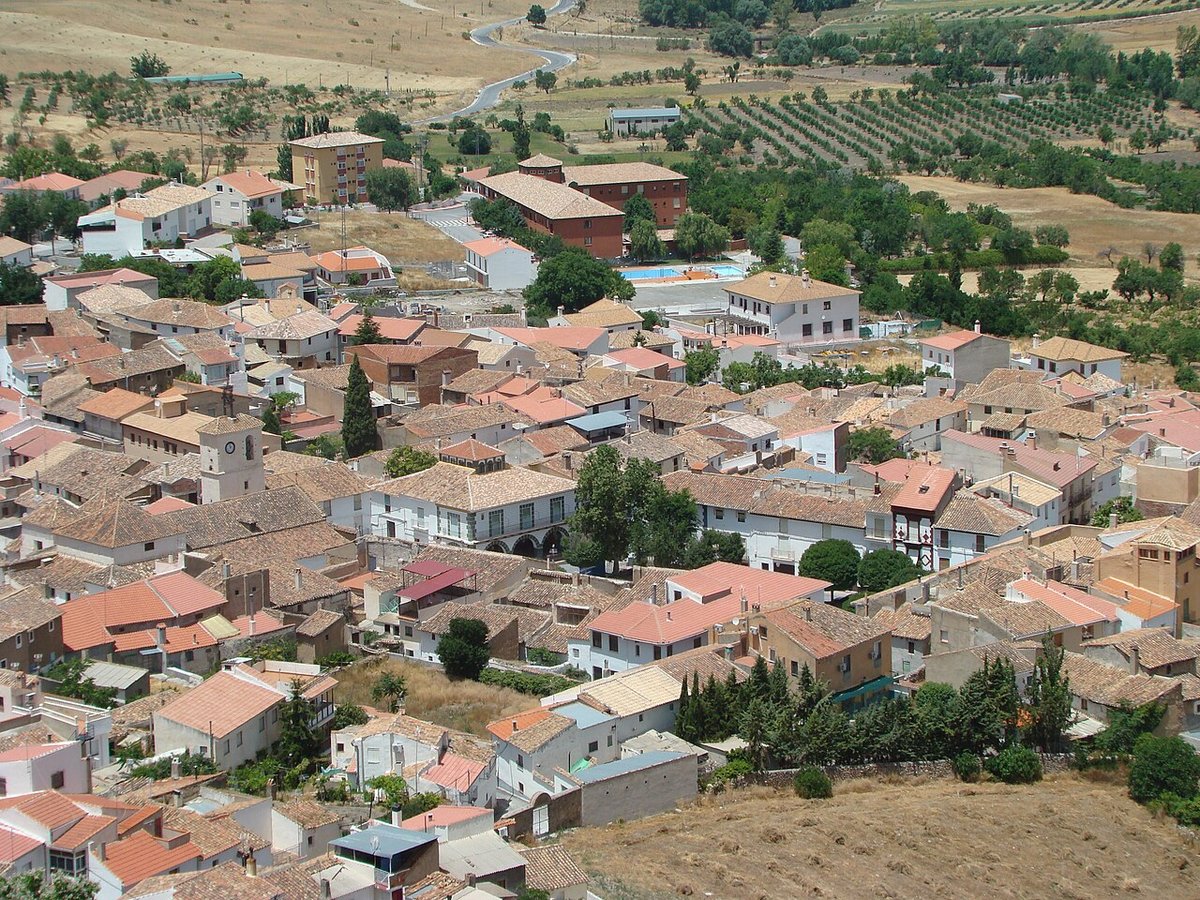
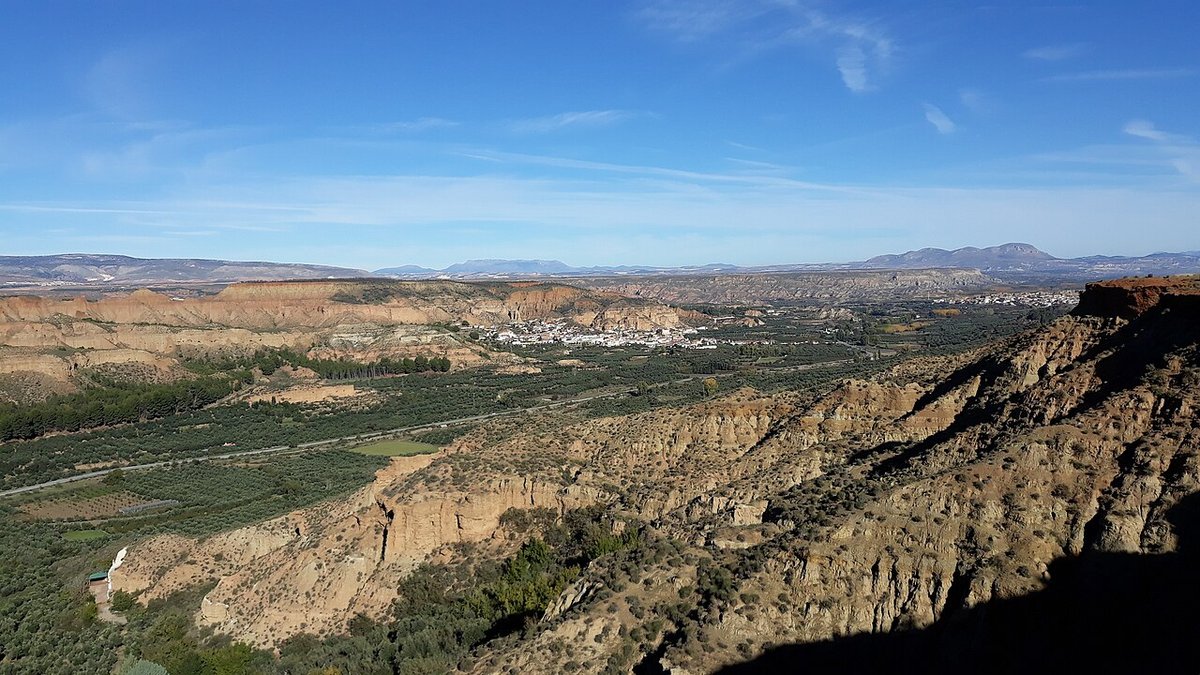
From the uppermost lane you can see two countries: the red, furrowed basin of the Hoya de Guadix below and, on a clear evening, the snow-dusted crest of Sierra Nevada thirty kilometres away. Policar sits on the lip between them, a single-steeple village that feels higher than its 1,100 m because the land falls away so sharply on every side. The air is thin enough to make a fit walker pause after charging up the stepped alleys, and winter nights drop to freezing long before Granada’s plain feels the chill.
The Village That Forgot to Grow
Five hundred souls, perhaps six in August when grandchildren arrive, live behind the whitewashed walls. Houses are boxy, almost cubic, their roofs pitched steeply for the occasional snow load and tiled in the curved, cinnamon-coloured arabesas that still turn up in local builders’ yards. There is no main square worthy of the name; instead the lanes widen just enough for a parked 4×4 and a bench where two men in flat caps follow the progress of every stranger. Orientation is simple: if the pavement tilts up you are heading towards the cemetery; if it tilts down you will fetch up against the stone parapet that keeps traffic from sliding into the almond groves. Somewhere in the middle sits the parish church of San Sebastián, its bell tolling the quarter-hour with the enthusiasm of someone who has little else to do.
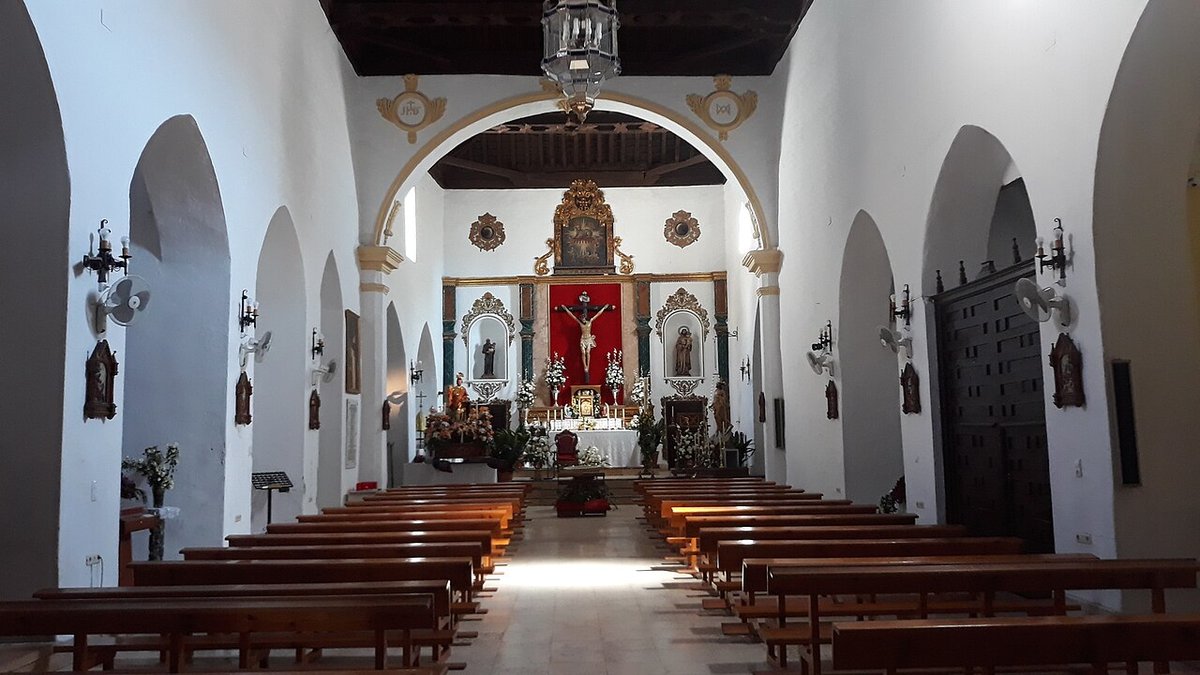
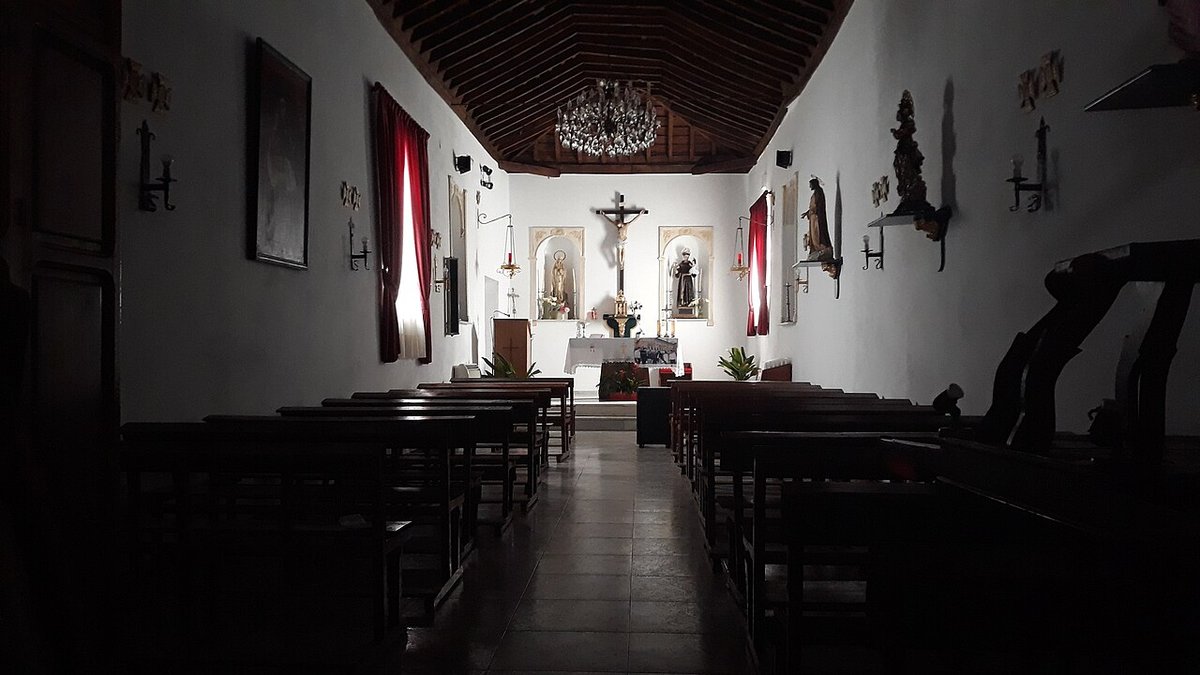
Inside, the church is darker and older than the exterior suggests: a single nave thickened by eighteenth-century plaster, a gilded altar piece rescued from a Franciscan monastery sold off in 1835, and a side chapel whose floor slopes three degrees because the hill is already slipping. Mass is celebrated twice weekly; the rest of the time the building stays unlocked, trusting in village etiquette and the fact that the only tourist coach that ever tried the access road sheared off its mirror against a lime tree.
Walking the Dry Ridge
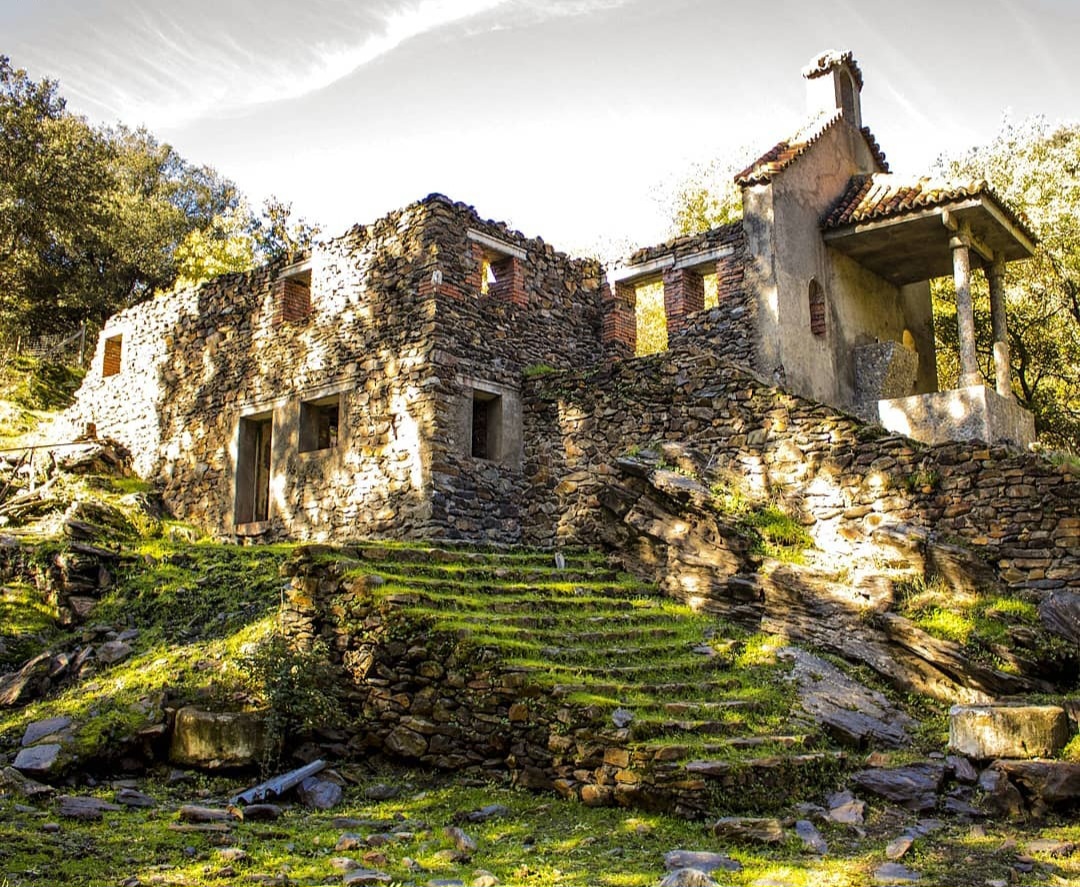
The pleasure here is geological. Set out at dawn when the terracotta tracks are still firm and the thermometer reads a civilised fifteen degrees. A twenty-minute climb on the path signed “Cerro de la Nevera” gains 150 m of altitude and delivers a platform the size of a tennis court. From this natural balcony the basin spreads out like a crumpled tablecloth: olive dots, cereal stripes, the toy-town roofs of Guadix and, further east, the badlands that starred in every spaghetti western ever filmed. Swifts wheel below eye level; a pair of booted eagles ride the thermals higher still. Take water—there is none between the last fountain at the village edge and the ruined ice house that gives the hill its name. The round stone structure, built in 1790 to store winter snow for Granada’s hospitals, is now a roofless cylinder full of poppies and broken roof timber. Sit on the lip, eat the sandwich bought in the only bakery (opens 07:30, closes when the loaves are gone), and start the descent before ten o’clock when the sun begins to bite.
Afternoon options are shorter. A five-minute stroll west of the church brings you to the mirador de la Cruz, a metal cross bolted to bedrock with a plank bench bolted beside it. Locals come here at dusk with a plastic carrier bag of beers; the etiquette is to share if invited, to decline politely if driving. The light at this hour turns the opposite escarpment the colour of burnt biscuits, and the village roofs glow rose-pink until the sun drops behind the western crest. Then the temperature plummets; within half an hour you will be zipping the fleece you carried all day.
What Appears on the Table
Food is altitude cooking: thick, warming and designed for people who have walked uphill both ways. In winter the bars (there are two, open alternate days) serve gachas—flour toasted with paprika, loosened with pork fat and topped with a single fried egg. The colour is brick-red, the texture somewhere between porridge and Polyfilla; one plate fuels a four-hour ramble. Spring brings migas: yesterday’s bread crumbled with garlic, olive oil and the thin, almost black mountain sausage called morcilla. Ask for a “cafe con leche corto” and the barman will top an espresso with a mere splash of milk, the local conviction being that northern Europeans spoil good coffee. House wine comes from the cooperative in Guadix, sold in 50 cl carafes for €3; it tastes of iron and cherries and improves after the second glass. Vegetarians should request “espinacas con garbanzos” in advance—spinach and chickpeas stewed with cumin—because the default garnish is diced jamón scraped from the hind leg hanging above the cooker.
When the Wind Arrives
Policar is not always benevolent. Between January and March the levante sweeps up the basin like a spiteful vacuum cleaner. Gusts of 80 km/h whistle through the television aerials and drive grit into your teeth. On those days the recommended activity is to retreat to the lower bar, order a “media ración” of fried pimientos, and listen to the pensioners debate whether the new irrigation dam will ever fill. Mud is another hazard: the access road, the A-4103, climbs 400 m in 7 km of switchbacks. After rain the surface turns the consistency of chocolate mousse; hire cars without winter tyres have been known to slide backwards into the almond trees. Chains are not legally required, but a local will happily sell you a second-hand set for €40 cash, then tell you with a straight face they once belonged to a Guardia Civil 4×4.
Arriving and Leaving
Granada airport is 75 minutes away on a confident day, ninety if you meet tractors hauling broccoli. From the A-92 take exit 292 towards Guadix, then follow signs for “Policar/Aldeire” up the old mining track that the regional government optimistically labels a carretera comarcal. Petrol stations are scarce after Guadix; fill the tank and the jerrycan if you plan winter excursions. Buses reach the village twice daily except Sunday, but the midday service is cancelled if the driver’s mother-in-law is sick—check at Guadix station café, they know before the website does.
Accommodation is limited. Three village houses have been restored as self-catering lets; expect stone floors, wood-burning stoves and Wi-Fi that falters whenever the wind shifts the aerial. Prices hover round €70 a night for two, linen included. Book by ringing the number taped inside the bakery window; the owner will meet you with a key and a bag of oranges from her cousin’s grove. There is no hotel, no swimming pool, no souvenir shop. Bring earplugs—cockerels here observe Greenwich Mean Time plus whatever suits their temperament.
The Honest Verdict
Policar will not change your life. It offers no Michelin epiphany, no flamenco bar where a gypsy weeps into his guitar. What it does provide is a place where the night sky is still dark enough to read the Milky Way, where bread costs a euro and the bakery lady remembers you the following morning. Come for two days if you like walking, an hour if you simply need somewhere to drink coffee above the clouds. Leave before you start complaining about the lack of nightlife, and the village will have done its job: a brief, oxygen-rich pause between the coast and the city, suspended halfway to the stars.