Full Article
about Purullena
Known as the village of caves and pottery; a striking badland landscape dotted with craft workshops.
Hide article Read full article
An afternoon beneath the hillside
At around four in the afternoon, when the September sun still presses down on the hills but no longer burns, the caves begin to stir. That is the first thing to notice about tourism in Purullena: much of life unfolds half hidden in the earth. From the doorway of a cave dwelling comes the smell of freshly baked bread, mixing with the dry dust of the vega, the fertile plain below. A woman waters geraniums in red clay pots, the same colour as the earth that local potters have worked for centuries. Inside the caves, the temperature barely shifts throughout the day. Outside, the light bounces off bare hills.
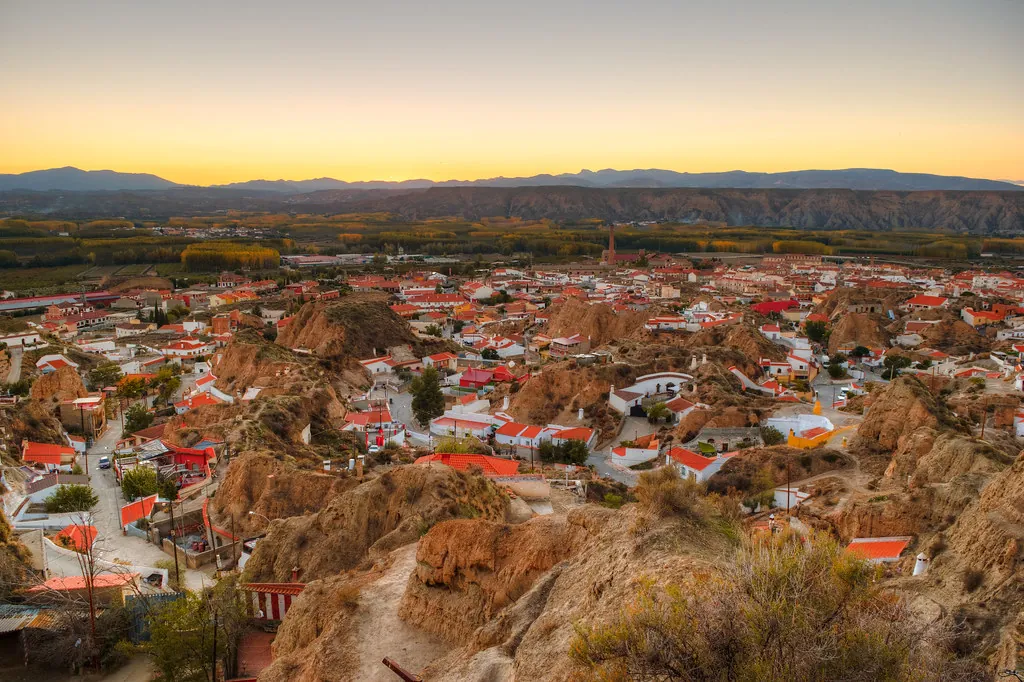
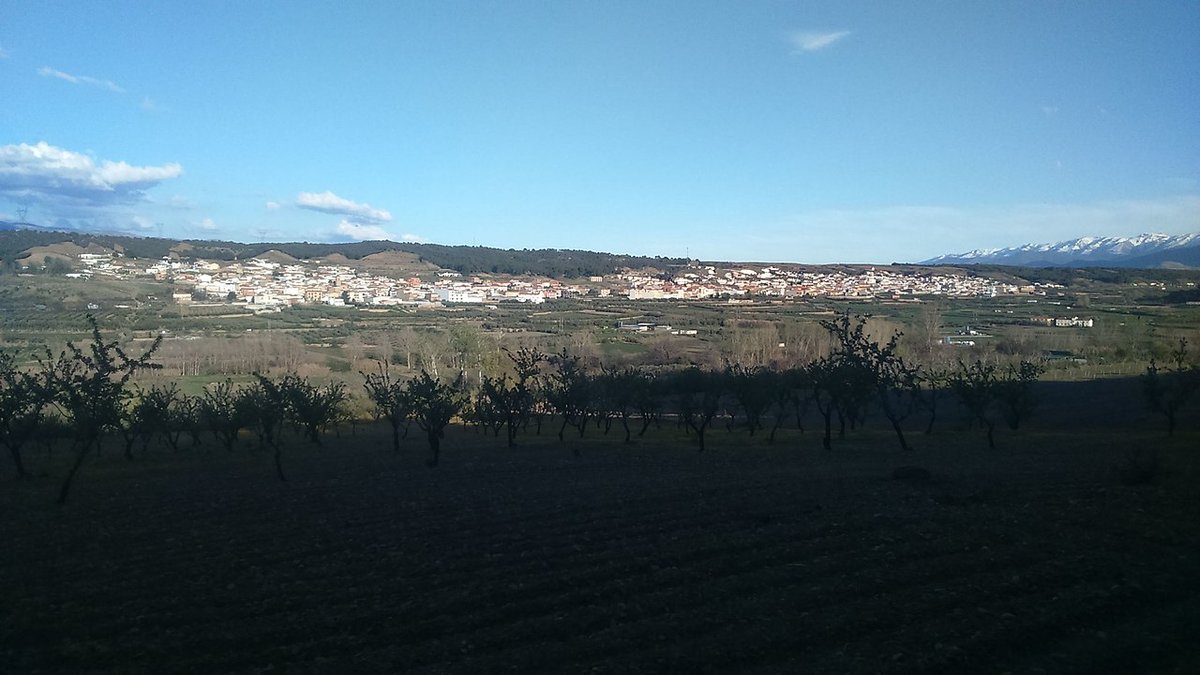
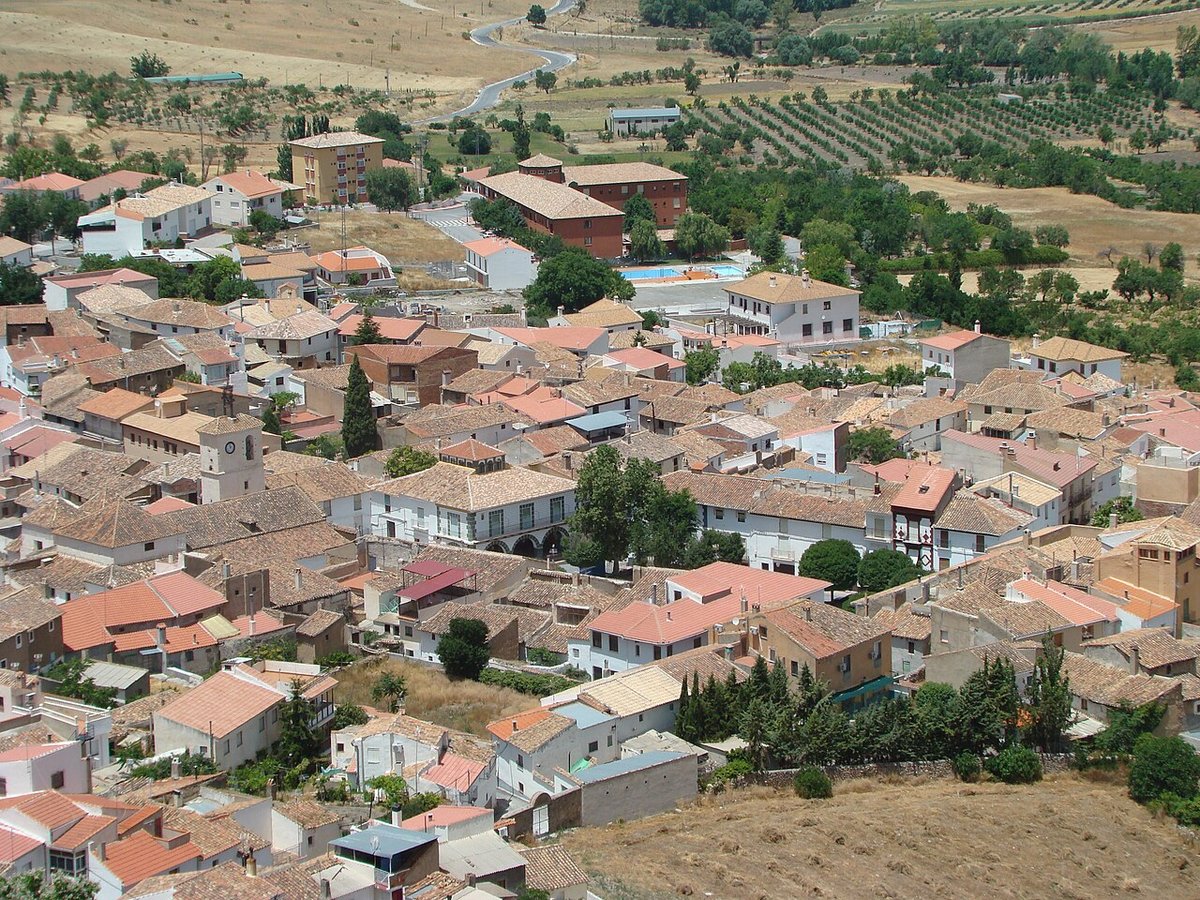
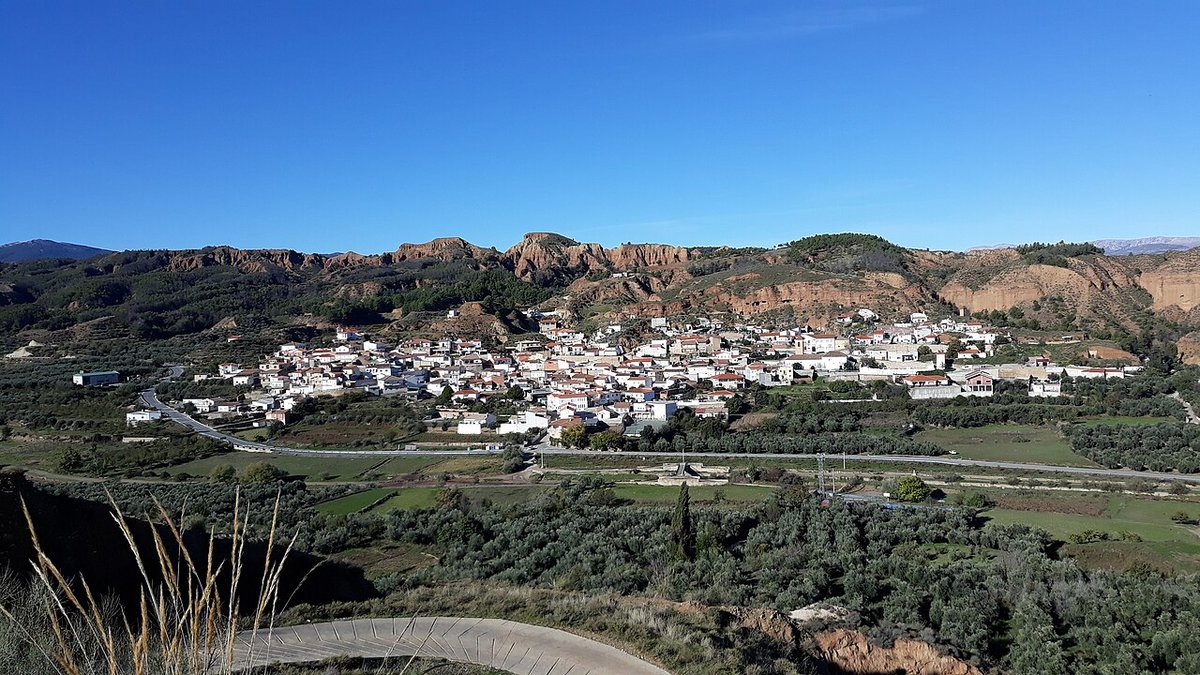
Purullena does not quite resemble other villages in the area. From the road it looks like a rise of clay in the middle of the Guadix plain. As you get closer, white chimneys appear, planted into the slope, along with terraces carved into the hillside and doors that open straight into the mountain. Many families still live in these homes hollowed out of soft marl. From above, the cave district resembles an uneven honeycomb: dark openings, thin trails of smoke, and small patios facing the vega.
Living under the slope
Stepping into the cave neighbourhood feels like a shift in landscape. The streets narrow and turn dusty, with ramps rising and falling between banks of earth. In some stretches, two people can barely pass. At certain times of day there is the scent of firewood or fermenting dough.
Now and then, a door stands open, offering a glimpse inside: a sitting room with a sofa and television, set against walls of exposed rock. Those who live here often say the same thing. The cave keeps things cool in summer and warm in winter, without much need for added systems.
There is a small cave museum that explains how domestic life was once organised. The kitchen sits at the back, rooms are carved further into the interior, and in many cases there was space for animals. Older generations still remember when donkeys or goats shared the same roof as the family.
Walking through the neighbourhood requires little in the way of signs. The white chimneys jutting out of the hillside serve as a guide, along with the stairways that appear between the excavated homes.
The red clay landscape and Cuesta del Negro
A short distance from the village centre, a path leads into the badlands that surround Purullena. These are red clay hills cut through with gullies, shaped year after year by rain. The terrain feels in constant motion, as if the ground is slowly being redrawn.
Here lies the site of Cuesta del Negro, one of the known prehistoric settlements in this part of the Granada high plateau. Remains of walls can be made out, along with burial areas carved into the rock. The place is open and largely unmarked by infrastructure. It is usually quiet, apart from the wind moving across the hills.
From this vantage point, the setting of the village becomes clearer: the vega stretching out below, mountain ranges encircling it, and the old routes that once connected Guadix with the Levante, Spain’s eastern coastal regions.
Nearby stand the remains of a tower of Andalusi origin, once used to watch over the natural passage between the plain and the surrounding sierras. Today it appears partially ruined, like a broken tooth on the hilltop.
Red clay and pottery tradition
In the lower part of the village, some workshops still shape the local red clay. For decades, Purullena was known in the surrounding area for its domestic pottery: water jugs, storage jars, and oven dishes.
The process remains slow. The clay is kneaded by hand, formed on a wheel, then left to dry before being fired in a wood-burning kiln. Inside the workshops, the smell blends damp earth with olive wood smoke.
The finished pieces tend to have a deep reddish tone, closely matching the colour of the hills that surround the village.
Festivals and the rhythm of the year
Towards the end of summer, Purullena celebrates the Fiesta del Durazno, a festival centred on peaches from nearby orchards. A typical preparation is duraznos escaldados, peaches lightly cooked and served with honey or cinnamon. Long tables appear in the square and nearby streets, laid out with homemade food.
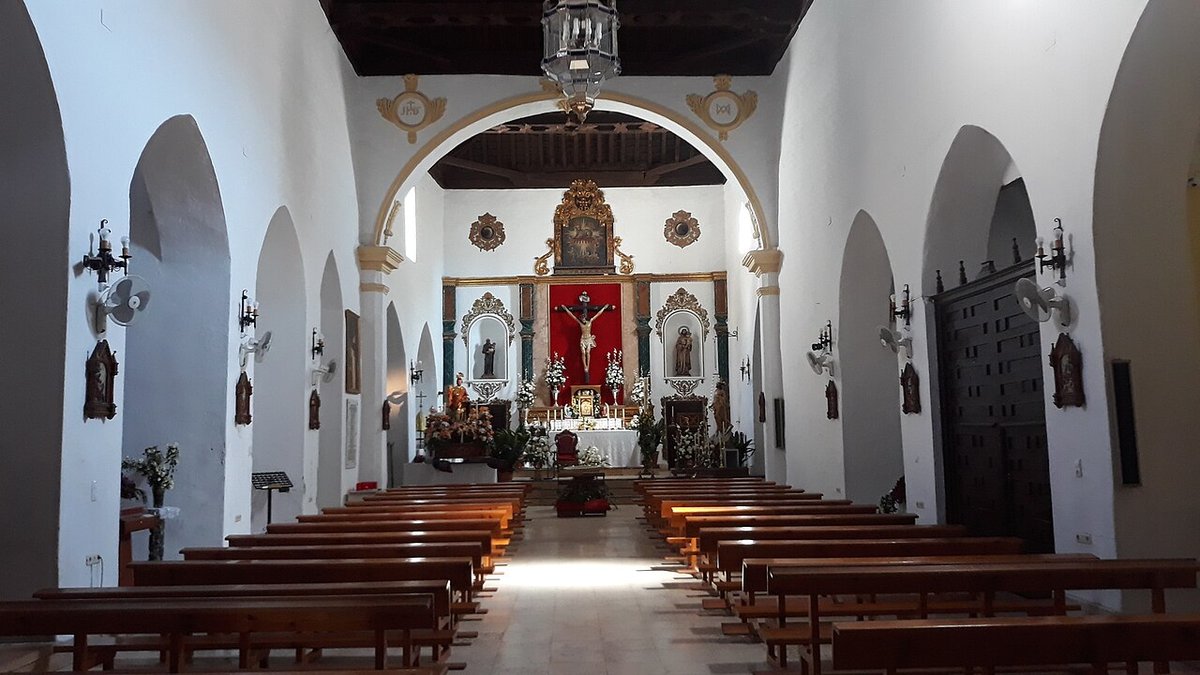
In August, the village also marks the festivities of the Santo Cristo de los Milagros. During the procession, the image is carried through some of the cave streets, lit by candles. The earthen walls reflect the light in a distinctive way, giving the route a particular atmosphere.
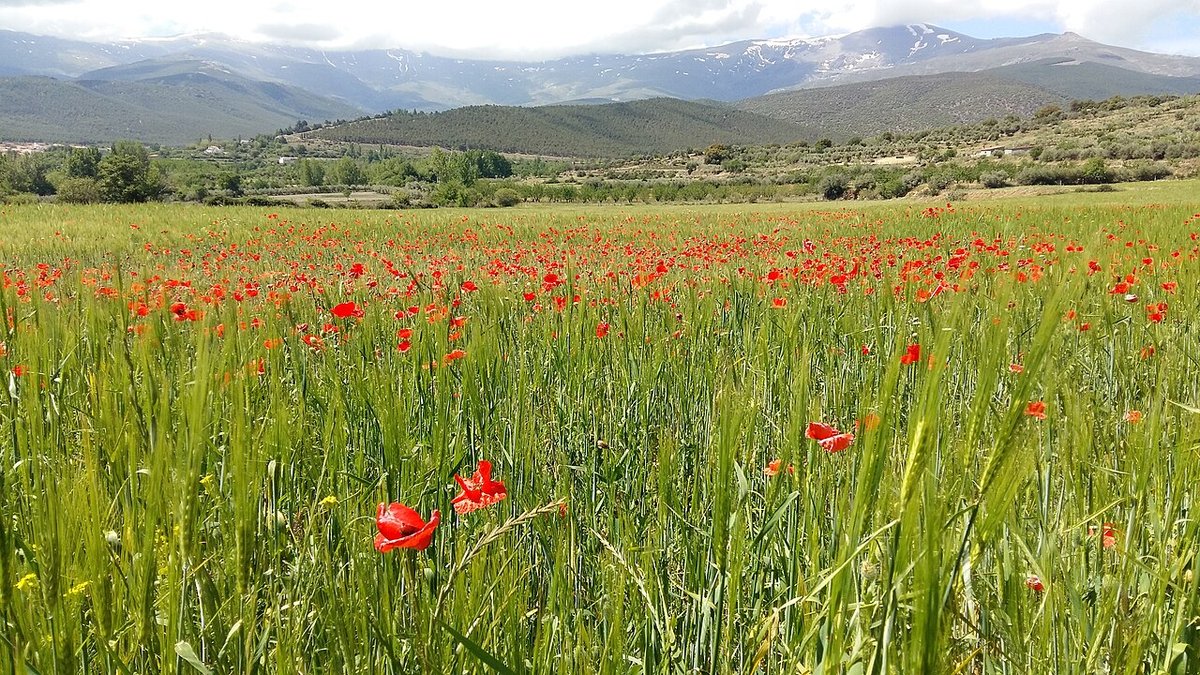
Outside these dates, the village returns to a slower pace. In autumn and winter, the colours of the vega shift, and quiet settles again over the hills.
Visiting Purullena
Purullena lies just a few minutes from Guadix and is easily reached from the A‑92. Access to the cave district involves slopes and uneven steps, so comfortable footwear makes a difference.
In summer, the heat intensifies in the middle of the day. Walks through the clay landscape or out towards Cuesta del Negro are better in the early hours or as the light begins to fade.
Afterwards, back in the village, there is often that lingering smell of bread and firewood drifting out from open cave doors. It is one of the details that stays with you.