AlcudiaExfiliana.jpg
Luispihormiguero · CC0
Andalucía · Passion & Soul

Valle del Zalabí

The first thing you notice is the temperature drop. One minute you're driving through Granada's dusty plateau, windows down, 35 °C on the dash; the...

2,128 inhabitants · INE 2025
1050m Altitude

Why Visit

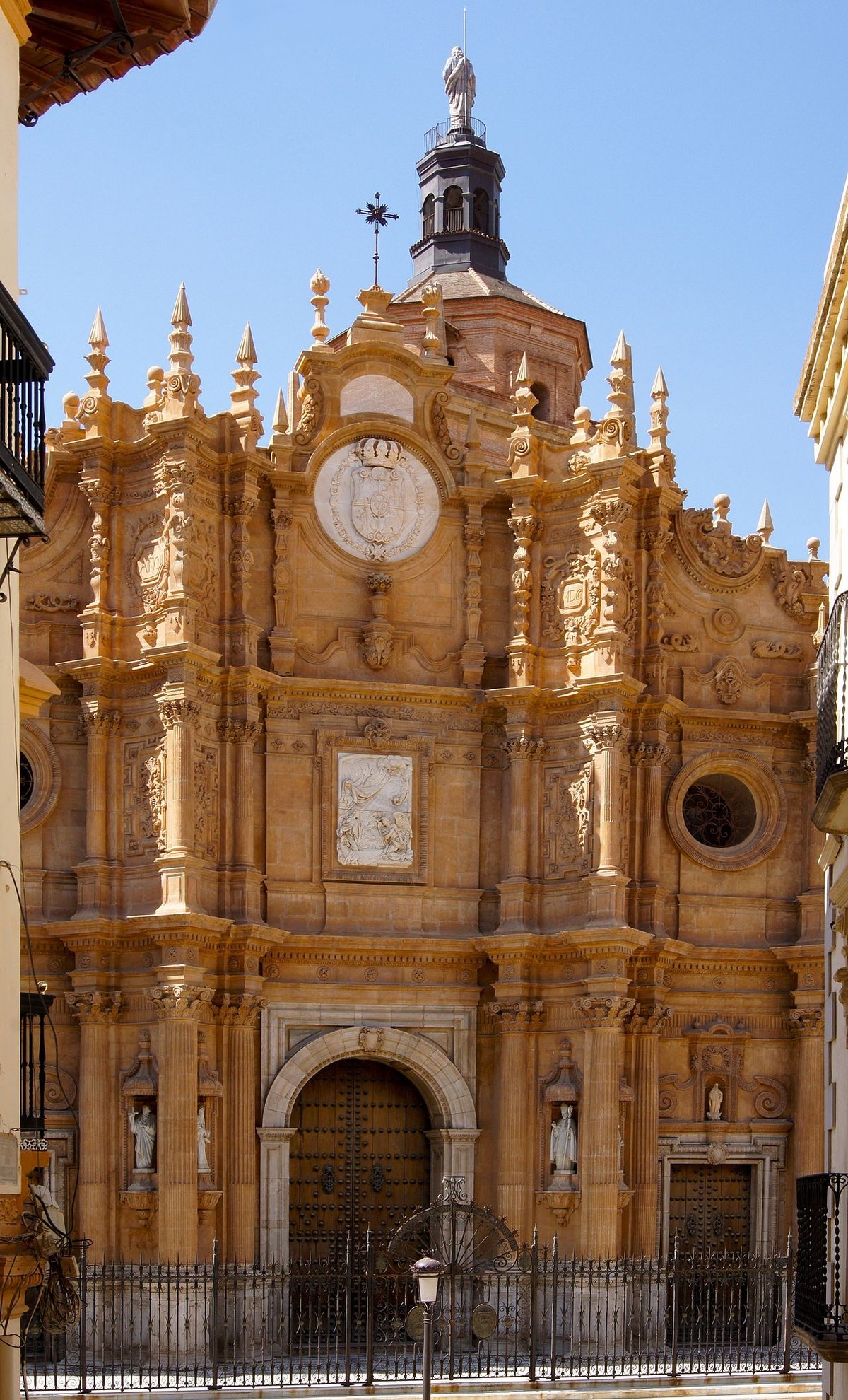
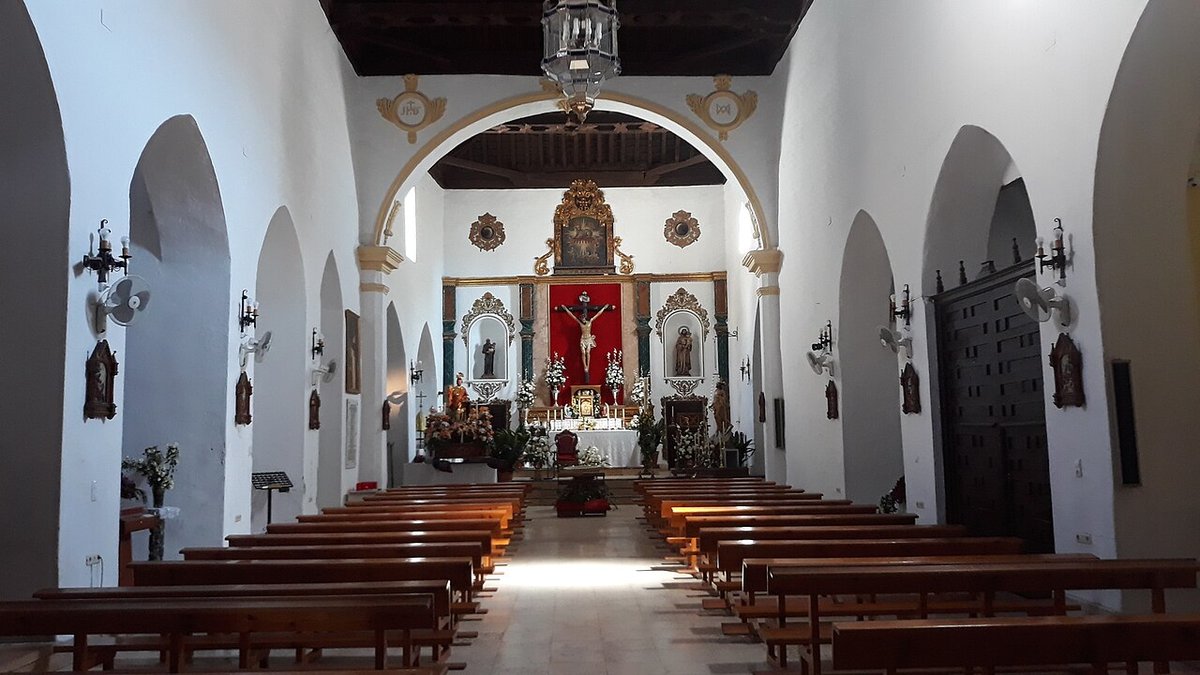
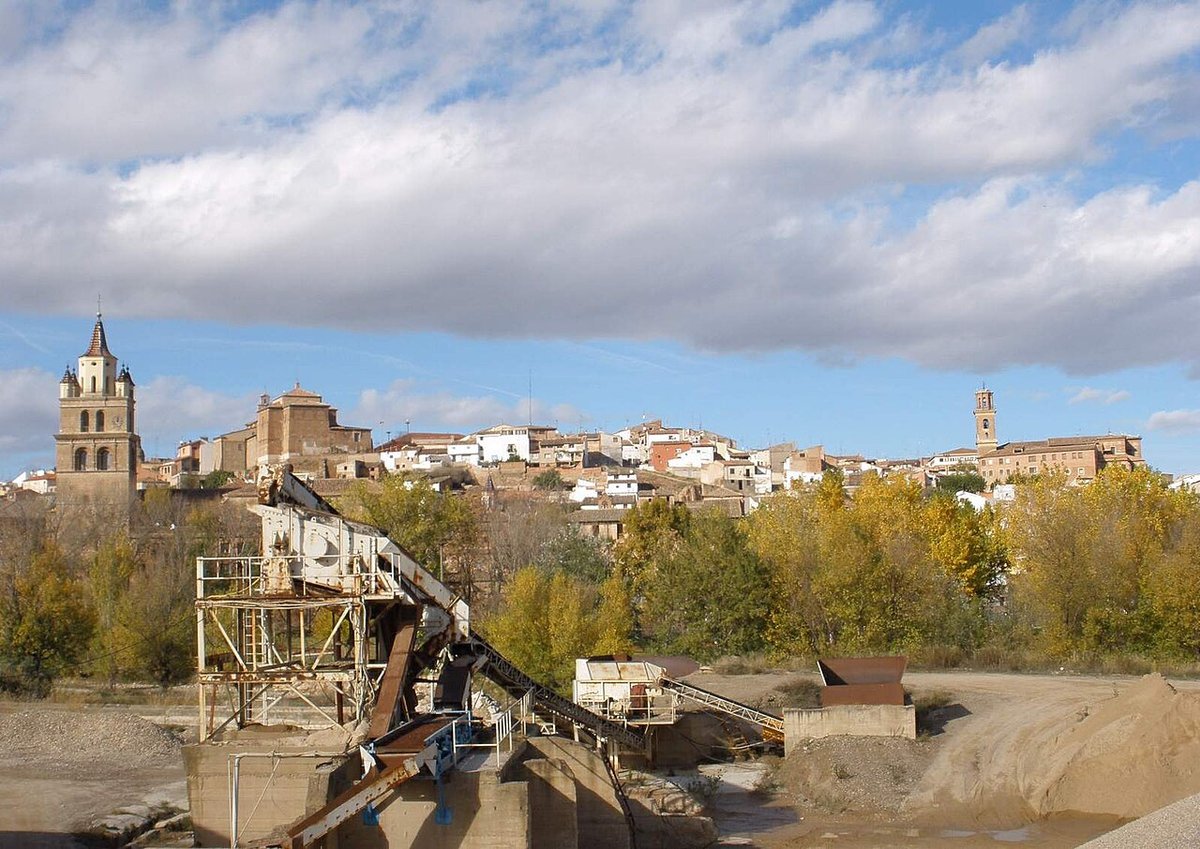
Mountain Exfiliana and Charches Church of the Annunciation

Best Time to Visit

agosto

Hiking in Sierra de Baza Fiestas de la Virgen de la Cabeza (abril)

Things to See & Do
in Valle del Zalabí

Heritage

  • Exfiliana and Charches
  • gateway to the Sierra de Baza Natural Park with a strong bread-and-water tradition.

Activities

  • Church of the Annunciation
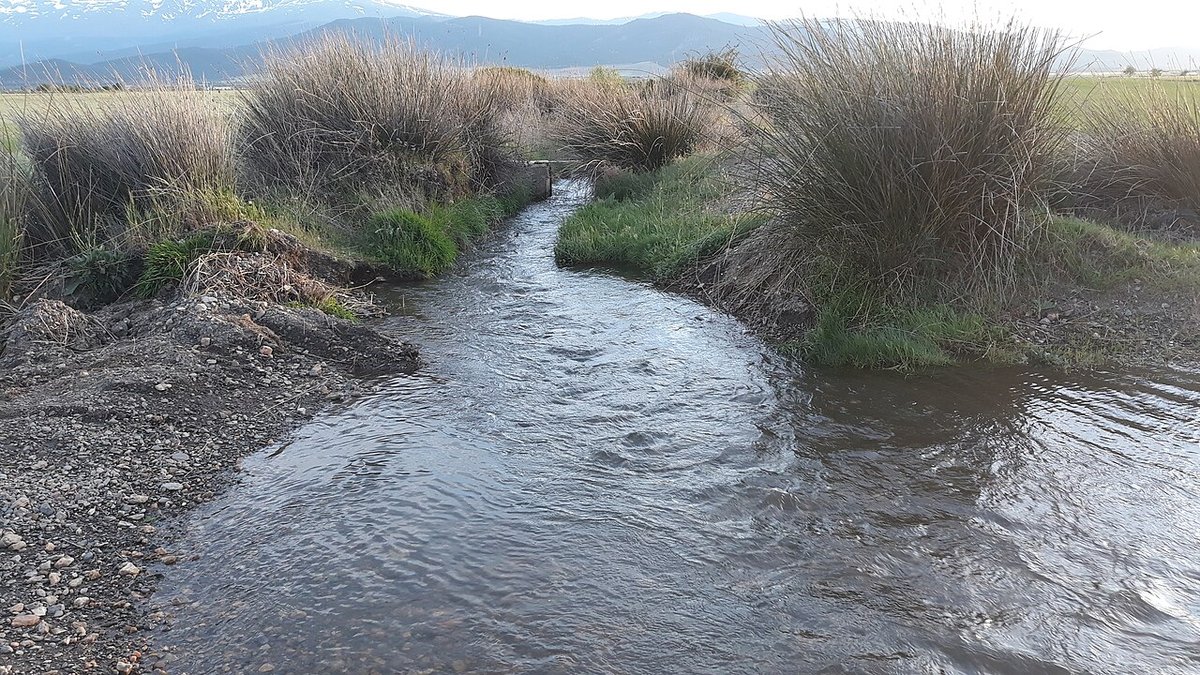
  • Water spouts

Festivals
& & Traditions

Fecha Fiestas de la Virgen de la Cabeza (abril)

Senderismo en Sierra de Baza, Compra de pan tradicional

Las fiestas locales son el momento perfecto para vivir la autenticidad de Valle del Zalabí.

Full Article
about Valle del Zalabí

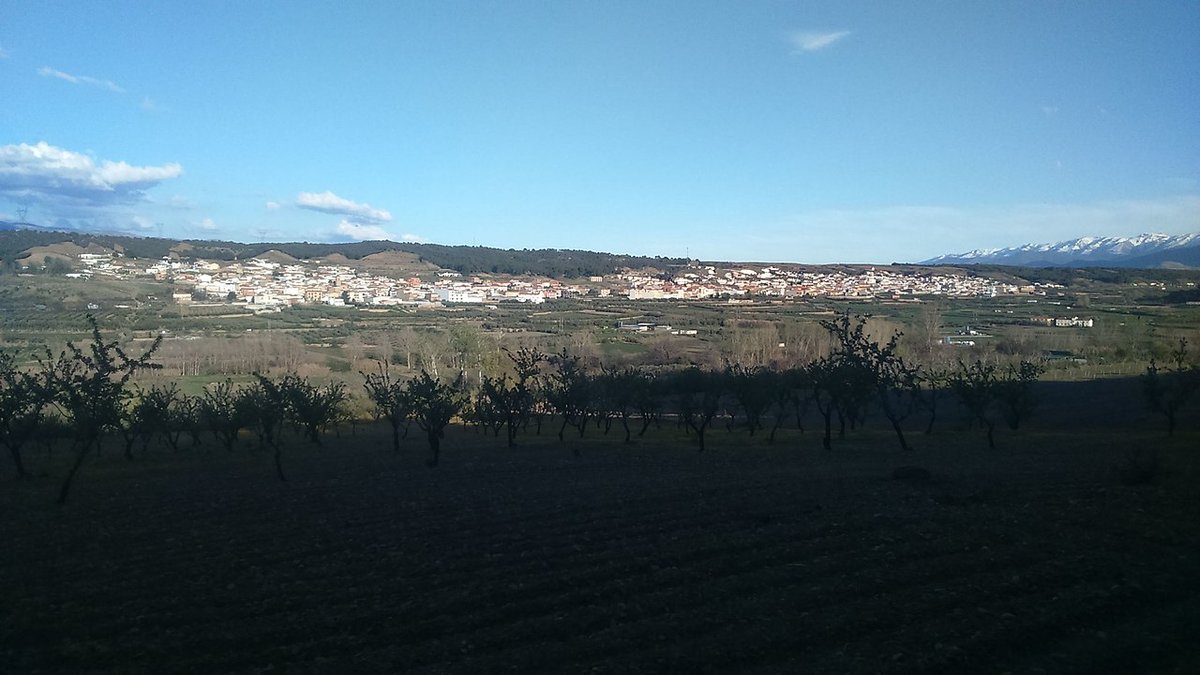
Made up of Alcudia

Ocultar artículo Leer artículo completo

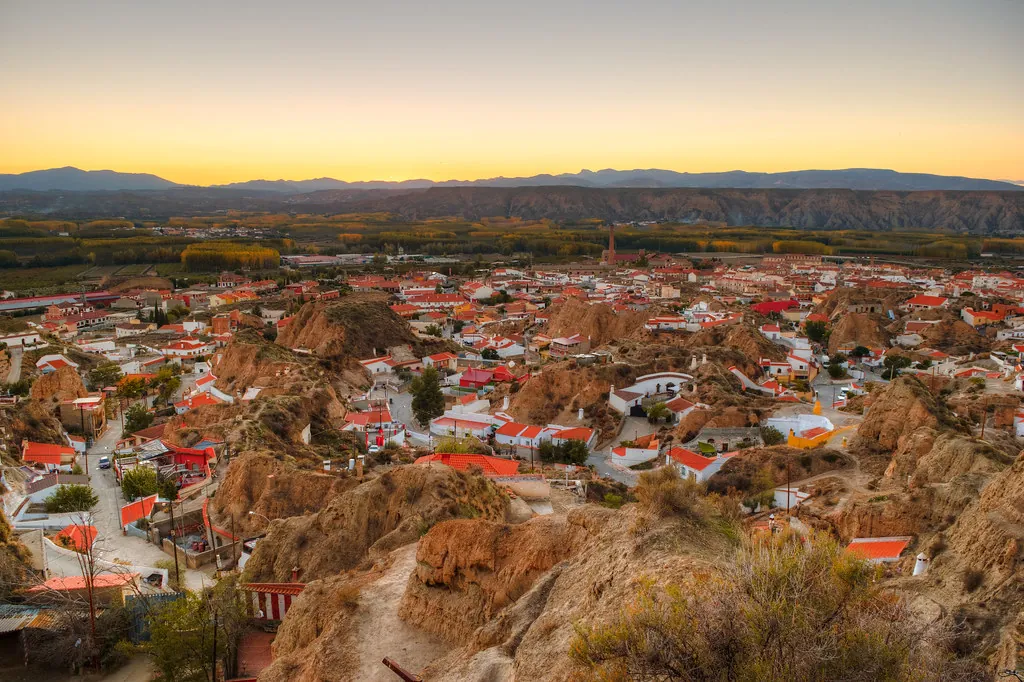
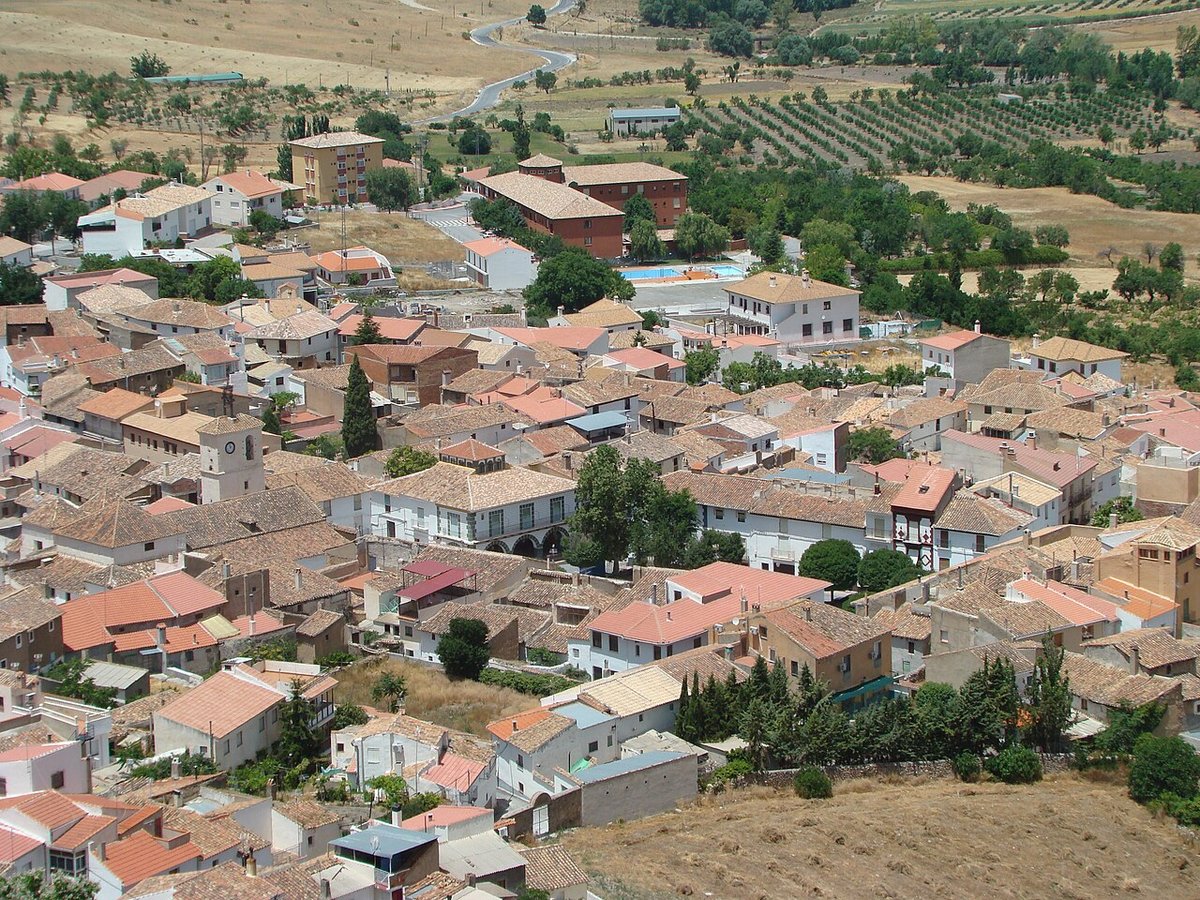
The first thing you notice is the temperature drop. One minute you're driving through Granada's dusty plateau, windows down, 35 °C on the dash; the next you descend into a burrowed living-room carved from 1,050-metre rock and the thermometer stubbornly refuses to budge above 20 °C. Welcome to Valle del Zalabí, a municipality that isn't really a single village at all, but a constellation of cave-hamlets scattered across a high basin east of Guadix.

Earth, Sky and Everything In-Between

British visitors tend to book here for novelty—sleeping in a troglodyte dwelling sounds like an Instagram win—yet the caves turn out to be the least photogenic part. Step outside after dusk and the sky steals the show. Light-pollution readings rival those of Kielder Forest; on clear nights the Milky Way appears as a smear of chalk across black slate. Bring a star-chart app and a thick jumper—mid-summer evenings can drop to 14 °C once the sun slips behind Sierra Nevada, 60 km west.

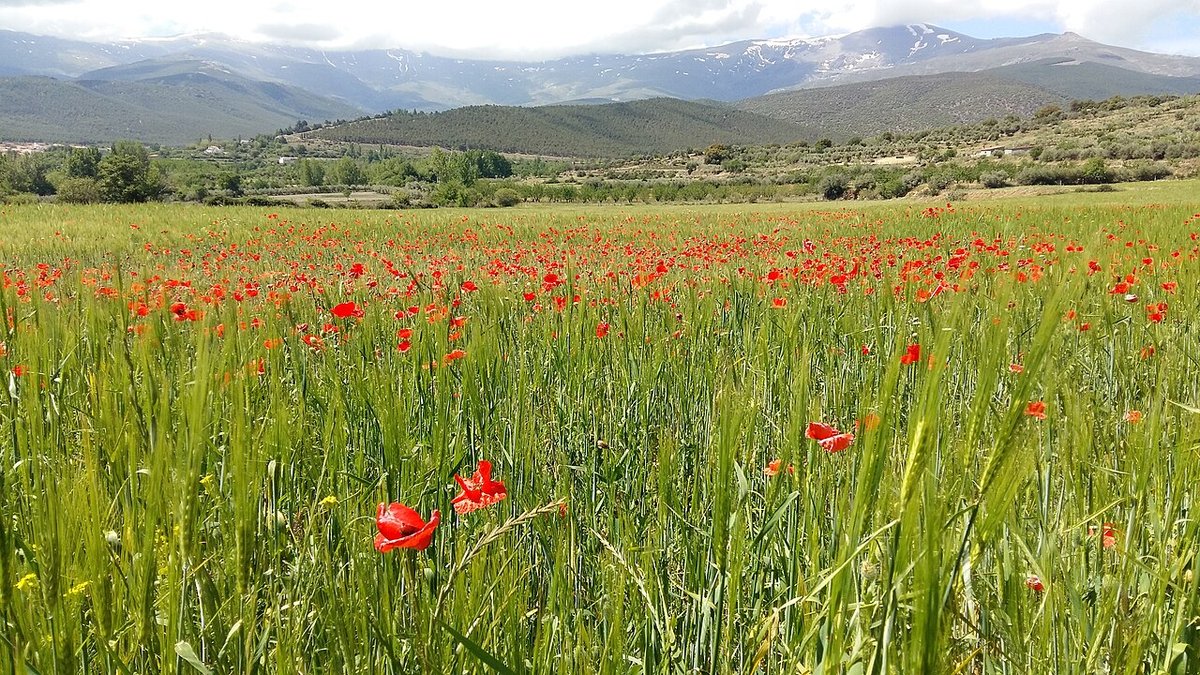
By day the valley reveals its split personality. South-facing slopes wear a patchwork of almond and olive groves, the green kept alive by a medieval web of irrigation channels. Spin the car north for five minutes and the soil thins to bare clay, eroded into knife-edge ridges the locals call cárcavas. Park at the Mirador del Cuco (signed from the A-92, junction 312) and you can stand with one foot on cultivated steppe and the other on terrain that looks straight out of Utah. The contrast is so abrupt it's mildly disorientating, like stepping through a wardrobe into Narnia—except the wardrobe is a cattle grid.

Caves, Cortijos and the Art of Doing Very Little

Holiday rentals cluster around three tiny nuclei: Alcudia de Guadix, Huescar and Diezma. Expect whitewashed chimneys poking from ochre hillsides, satellite dishes trained on the heavens, and the occasional goat watching Netflix through the window. Interiors are surprisingly un-cave-like: proper kitchens, underfloor heating, even fibre-optic broadband. The temperature stays steady year-round, so owners fit wood-burners less for warmth than for atmosphere—August visitors from Manchester still light them "because it feels Christmassy".

There is no high street, no gift shop, no Saturday market. Instead you drive five minutes to the nearest cortijo for eggs, or ten minutes to a roadside bar that serves coffee and churros at 1970s prices. The lack of commerce is either liberating or alarming, depending on your need for sourdough. Stock up in Guadix before you arrive: Mercadona on the ring-road has a decent British section (Yorkshire tea, digestives, the full colonial care-package).

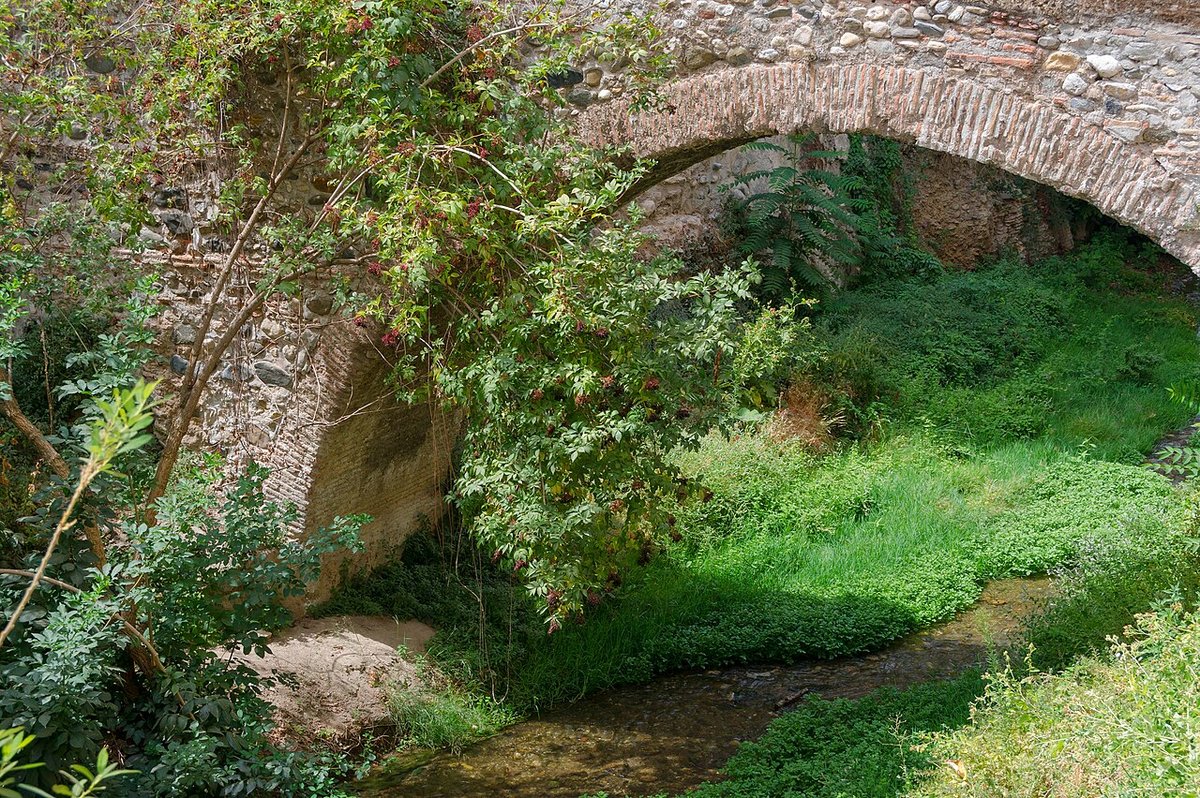
If you must sight-see, the 16th-century Mudéjar church in Alcudia has retablos gilded enough to satisfy anyone suffering cathedral withdrawal. Otherwise the monuments are mostly functional: Moorish water cisterns, a crumbling watchtower, stone terraces that once fed silkworms for Granada's medieval textile trade. English Heritage this is not; interpretation boards are thin on the ground, so download the free Audioguía Guadix app before you set off.

Walking Trails Without the Queue

Routes are way-marked but lightly maintained—think Peak District circa 1985. The 7 km Circuit of the Terraces starts behind the cemetery and loops through abandoned smallholdings where fig trees continue to fruit for nobody in particular. A sturdier option is the 12 km Barranco de las Colmenas, dropping 400 m into a red sandstone gorge where bee-eaters nest in spring. After rain the clay turns to axle-grease; if the sky looks moody, stick to the ridge roads.

Serious hikers can link into the GR-7 long-distance footpath, which crosses the valley on its way from Algeciras to Athens. Stage to Baza takes six hours, ending at a bus stop with one daily service back—miss it and you're phoning Juan the taxi driver (€35, cash only). Print the route card; mobile coverage is patchy once you drop into the badlands.

What Actually Arrives on Your Plate

Local menus read like winter survival guides. Migas—fried breadcrumbs laced with garlic and chorizo—arrive in fist-sized portions designed for labourers who spent the morning shifting irrigation stones. A half-order is usually enough for two British appetites. Hornazo is essentially a pork pie baked in loaf form, best eaten warm with a squeeze of lemon. Vegetarians get gachas, a paprika-thickened porridge that tastes like Ready Brek gone feral.

Drink options are limited but cheap: house red from the Cenete cooperative costs €2.50 a glass and slips down like a light Rioja. Dessert is torta de la Alcudia, an almond cake that occupies the exact midpoint between Bakewell tart and Spanish santiago. The village baker sells them from her garage on Saturday mornings—knock loudly.

When to Come, When to Stay Away

April–June and mid-September to October give warm days (22-26 °C) and cool, starry nights. July and August are scorching by lunchtime; walkers need to be on the trail before 8 a.m. or risk heatstroke. In winter daytime peaks at 10 °C, but the low sun turns the clay hills bronze and you have the tracks to yourself. Heavy rain is rare yet spectacular—flash floods carve temporary waterfalls down the cárcavas and can strand cars on unpaved shortcuts. If the sky turns sepia, head for the main road and stay there.

Bank holidays bring an influx of Granada families; cave occupancy jumps from 40 % to 90 % overnight. Book early for Semana Santa and the August fiestas (15-17 August, date fixed), when Alcudia stages open-air discos that finish at 7 a.m.—thin cave walls mean you will hear every Eurovision hit whether you bought tickets or not.

Getting Here Without the Drama

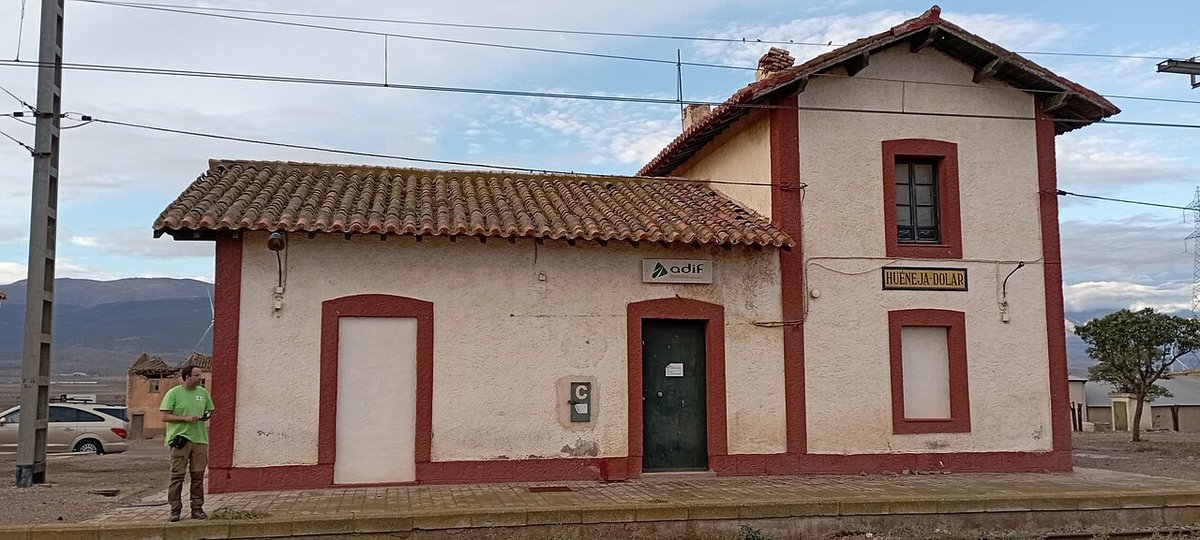
Fly to Granada (55 min drive) if you can; Málaga is busier but often £80 cheaper return. Car hire desks are inside both terminals—book an economy model with decent ground clearance; valley tracks are rutted but passable. There is no public transport beyond Guadix, where the train from Granada connects with a Monday-only market bus. Miss it and cuevas will arrange pickup for €30 each way—still cheaper than a UK airport taxi.

Sat-nav likes to send drivers down an unmade road from the A-92; ignore the robot and stay on the motorway to exit 318, then follow signs for Alcudia. Phone signal dies two kilometres short—download your host's pinned WhatsApp location before you leave the dual carriageway. Petrol stations are scarce after Baza; fill the tank and the jerrycan if you're staying more than a week.

The Honest Epilogue

Valle del Zalabí will not keep adrenaline addicts busy for long. What it offers is space, silence and a crash course in sustainable living: solar panels, water harvested from roof run-off, food grown within donkey distance. Stay four nights, walk two trails, eat one meal cooked entirely from the garden, and you start to understand why northern Europeans phone the same cave owners year after year to re-book before they've even unpacked. Bring a decent book, a pocket torch and an appetite for breadcrumb-based cuisine; leave the itinerary blank and let the altitude do the rest.

Key Facts

Region
Andalucía
District
Guadix
INE Code
18907
Coast
No
Mountain
Yes
Season
agosto

Livability & Services

Key data for living or remote work

2024
ConnectivityFiber + 5G
TransportTrain nearby
HealthcareHospital 6 km away
EducationHigh school & elementary
Housing~5€/m² rent · Affordable
Sources: INE, CNMC, Ministry of Health, AEMET

Official Data

Institutional records and open data (when available).

  • Cortijo de la Veguilla
    bic Monumento ~2 km
  • Cementerio de Alcudia de Guadix
    bic Monumento ~1.5 km
  • Cementerio de Esfiliana
    bic Monumento ~0.3 km
  • Muralla del Zigüeñí
    bic Fortificación ~1.8 km

Planning Your Visit?

Discover more villages in the Guadix.

View full region →

More villages in Guadix

Traveler Reviews