Full Article
about La Campana
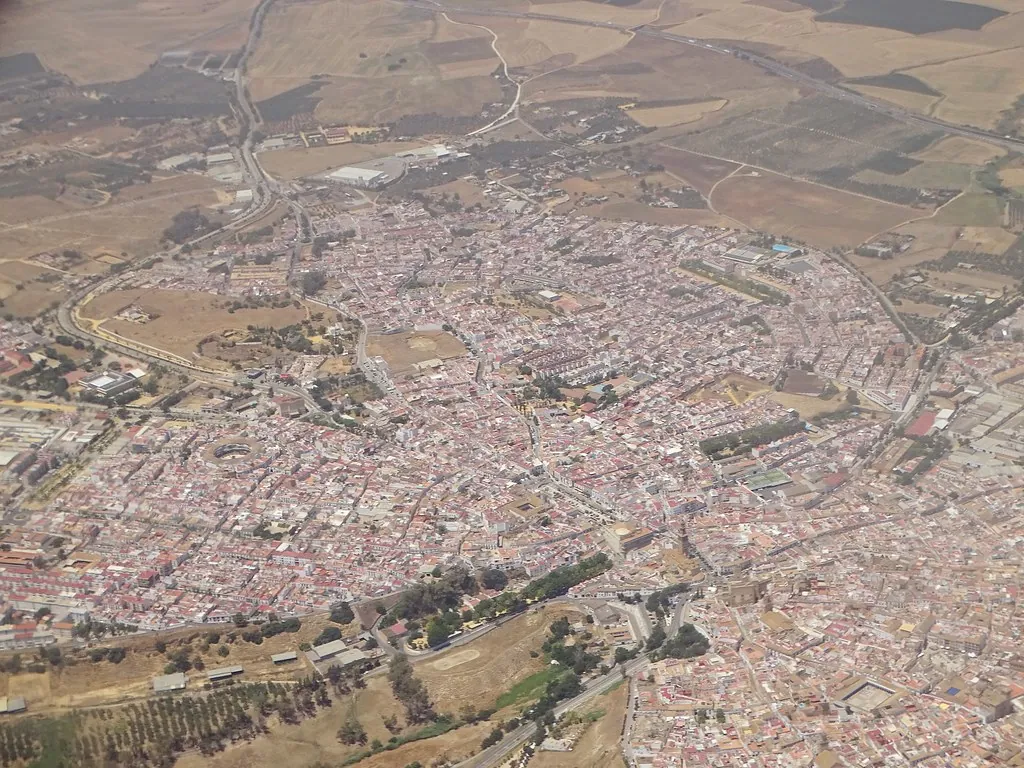
A town in the Seville countryside with a center of white manor houses ringed by farmland.
Ocultar artículo Leer artículo completo
The church bell strikes noon, and suddenly every doorway in La Campana seems to exhale. Grandmothers appear with shopping bags, farmers climb down from tractors, and the lone British-registered Fiat parked near the plaza acquires three curious onlookers. This is how the village announces lunch – not with TripAdvisor recommendations, but with the certainty that every stove is firing.
La Campana sits 55 minutes east of Seville, though the last quarter-hour feels like slipping backwards through decades. The A-4 motorway's service stations give way to single-track lanes where olive branches scrape car roofs and the only traffic might be a teenager on a moped carrying bread. At 134 metres above sea level, the village rises just enough to survey its domain: a silver-green ocean of olive trees that stretches farther than any coastal view.
The Arithmetic of Silence
Five thousand residents. Two butchers. One cash machine that regularly empties on Saturday evenings. These numbers matter because La Campana isn't pretending to be anything other than what it is – a working agricultural town where tourism happens incidentally, not by design. The Tuesday and Friday morning markets draw locals from surrounding farms; visitors who time it right find themselves juggling purchases alongside women who've shopped these stalls for sixty years.
The absence of souvenir shops isn't marketing – it's simply that no one's thought to open one. The closest thing to a gift available is the aniseed-scented pan de La Campana from the bakery on Calle Real, wrapped in white paper by owners who remember when British visitors were rare enough to warrant questions about the weather back home.
Eating According to the Fields
Casa Curro's dining room fills with the smell of pork-pluma grilling over olive-wood embers. This lean cut from Iberian pigs requires no translation – it's essentially premium pork steak, seasoned only with salt and the confidence that comes from animals that spent their lives wandering between oak trees. The menu changes with what's available; during partridge season (October through January), the bird appears in stews thick enough to stand a spoon in. Summer means salmorejo, gazpacho's thicker cousin, served cold with diced ham and egg – essentially liquid lunch for field workers who've been up since five.
Monday presents problems. The village eats at home that day, meaning visitors face closed kitchen doors and the realisation that Spanish restaurant culture isn't designed for constant grazing. Those who arrive hungry mid-week discover bars where coffee costs eighty cents and the television shows farming reports instead of football highlights.
Walking Through Living History
The Church of Nuestra Señora de la Consolación anchors the old quarter, its tower visible from every approach road. Built piecemeal over centuries, it wears its architectural mongrel status proudly – Gothic arches supporting Baroque flourishes, Renaissance columns holding up a roof that replaced the one damaged during civil war skirmishes. Inside, the air carries beeswax and the particular scent of stone that's been cooling backs during August masses for four hundred years.
Behind the church, a stone path climbs to the mirador where the view explains everything. Olive groves roll away in every direction, the trees planted precisely eight metres apart in grids that predate GPS. This is monoculture on a breathtaking scale – thirty trees per acre, each one potentially older than the United Kingdom itself. During late afternoon, when the sinking sun turns the dry stone walls golden, photographers finally understand why locals rarely bother with seaside holidays.
When the Harvest Comes
November transforms the village. Pickup trucks piled with plastic harvest crates choke the narrow streets, and the morning air carries the sound of mechanical harvesters – essentially large upside-down umbrellas that shake olives onto collecting sheets. Some farms still employ the traditional vareo method, beating branches with long poles, though this is increasingly performance for visiting school groups rather than serious production.
The cooperative mill on the outskirts processes sixty tons daily during peak season. Visitors who arrange tours (phone ahead – English isn't guaranteed but enthusiasm translates) watch olives travel from truck to oil in under four hours. The resulting liquid, sold in unmarked bottles from farmhouse doors, bears no resemblance to supermarket varieties. Peppery and green, it catches the throat in ways that make British salad oils seem like coloured water.
Practicalities Without Pampering
Getting here requires accepting that Google Maps occasionally lies. The final approach involves trusting road signs more than satellite navigation, particularly where the A-8128 swings past the abandoned railway station. Parking works on the honour system – find a space wide enough for a hire car and don't block anyone's gate. The village functions perfectly well without your vehicle; everything lies within ten minutes' walk, though the hills provide gentle reminders that Andalusia isn't flat.
Accommodation means Casa Rural La Campana, three rooms carved from a 19th-century olive mill, or nothing. British guests who've stayed mention the thick walls that keep summer heat at bay and the owner who explains breakfast ingredients in rapid Spanish, confident that pointing and smiling constitutes universal language. Book directly – the owner's nephew handles online enquiries when he remembers to check email.
The Weight of Quiet Days
Evenings bring the particular silence that makes urban visitors nervous. No bars blast music beyond midnight because everyone needs to rise early for field work. The occasional dog barking carries across rooftops, and during August's feria, temporary fairground rides blast Spanish pop until two – but this passes quickly, leaving only the hum of agricultural machinery starting at dawn.
This is La Campana's offer: a village that continues regardless of visitors, where the olive harvest matters more than tourist seasons, where lunch is sacred and siestas aren't romantic notions but practical responses to forty-degree heat. Those who arrive expecting entertainment leave disappointed. Those who bring patience and curiosity discover something increasingly rare – a place where Spanish life happens without translation or performance, where being foreign simply means you're the person who hasn't tried the local cheese yet.
The church bell will strike again tomorrow, and the village will exhale once more. Whether you're there to feel it depends entirely on whether you can appreciate places that don't need you to exist.