Full Article
about La Puebla de Cazalla
Flamenco hub with its Reunión de Cante Jondo and olive-growing and oil-making tradition.
Hide article Read full article
Arriving across the olive groves
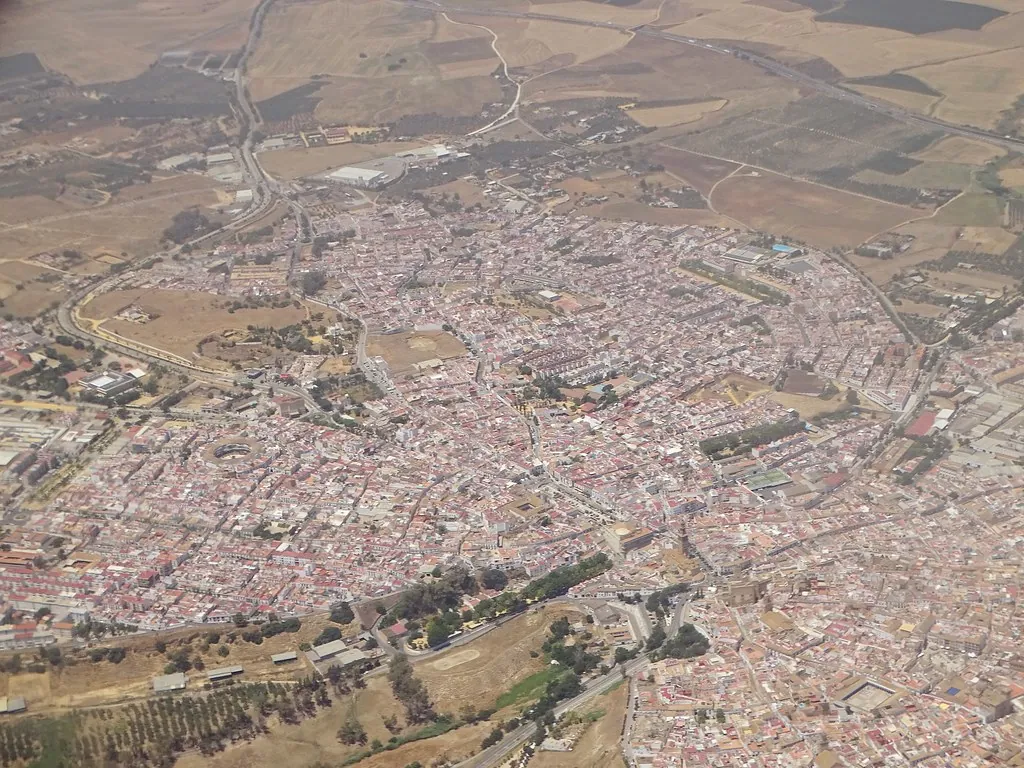
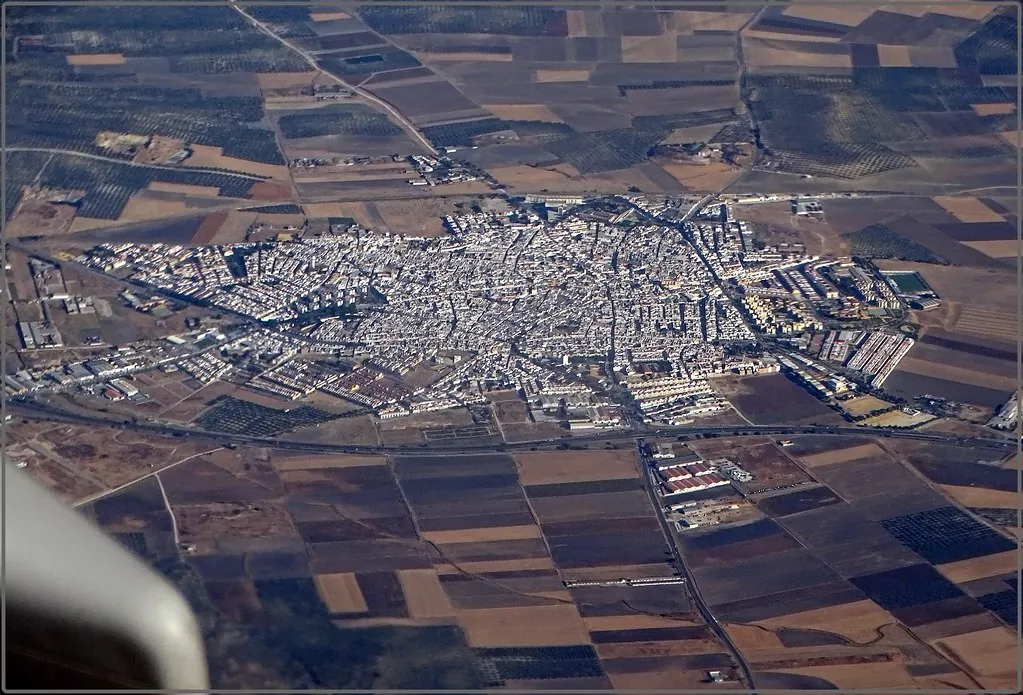
You see La Puebla de Cazalla before you reach it. The endless lines of olive trees finally break, and a pale limestone ridge rises from the rolling hills. On it, the town’s church towers and a handful of brick chimneys stand against the sky. The view from the A‑92 is clear: the urban area climbs the slope, a layout born of necessity, showing how every usable metre of this land has been claimed.
The first impression is of a place shaped by work. The compact town against the open countryside isn’t a staged view; it’s the result of geography and use. That contrast defines what comes next.
From Calícula to La Puebla
This part of the Campiña has seen settlement since antiquity. Some historians point to a pre-Roman site called Calícula, though the evidence is fragmentary. The town’s clearer history begins after the Castilian conquest in the 15th century, when it was reorganized as a puebla—a planned settlement where new residents were given land and a local council was established.
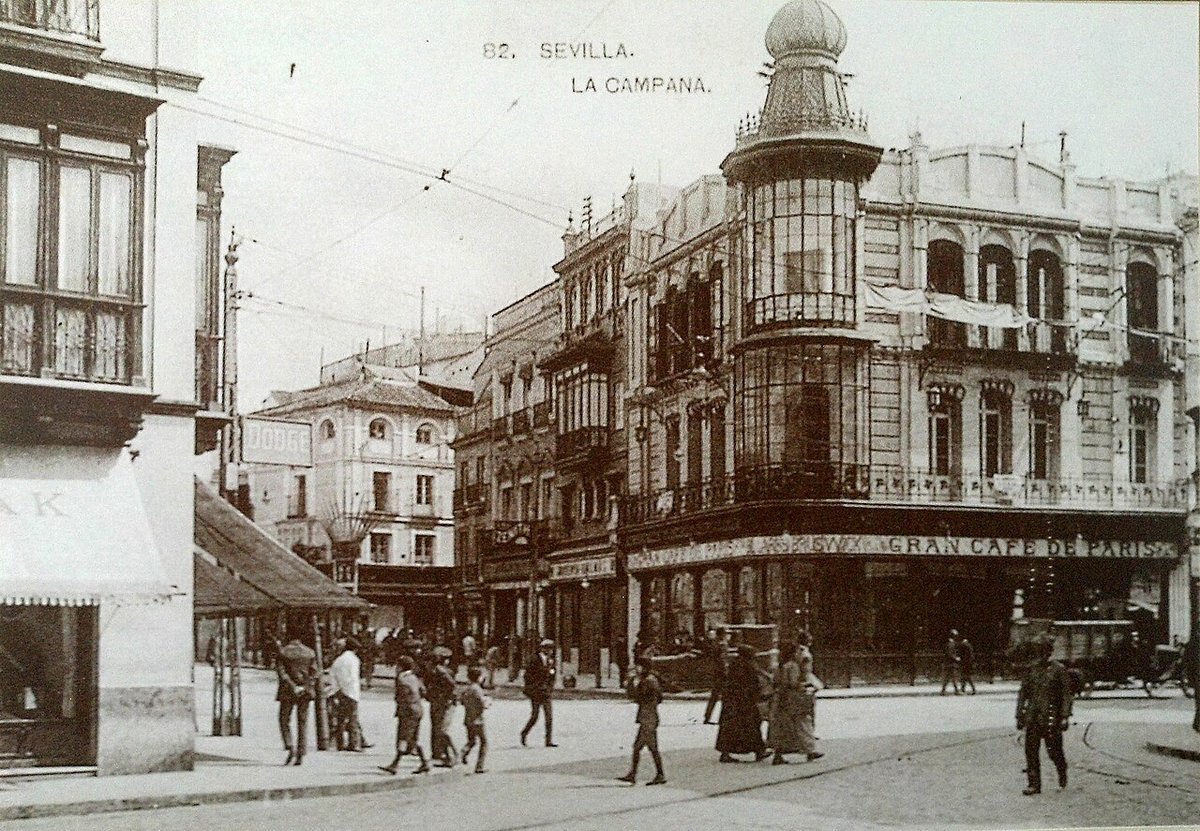
The “de Cazalla” was added later, linked to noble families who administered these lands in the early modern period. The town centre still follows that original plan. Streets narrow and widen with the natural dips in the land, whitewashed houses sit on coloured baseboards, and the plaza del Cabildo forms a central space. The plaza’s name comes from the council meetings once held there.
On older doorways, you can sometimes find small carvings in the stone: a date, a tool, initials. They are quiet records of the people who built here.
Food, wine and the sound of cante
The cooking here belongs to the inland Campiña. It’s built for the rhythm of work and the seasons, not for a menu turístico.
In colder months, you’ll find slow dishes like papas con bacalao, where the potato breaks down to thicken the broth. Older residents might recall versions made with dried chestnuts, from when the nearby hills had more quejigo oaks than they do now. For Semana Santa and family gatherings, kitchens fry pestiños and roscos, often using wine or grape must in the dough.
Wine has been part of life here for centuries. Vines are still tended, and the new must marks each autumn. This isn’t a region of showpiece bodegas; drinking happens in homes or in the local peñas, the social clubs that are part of the town’s fabric.
Then there is flamenco. La Puebla holds a specific place in Andalusian cante. Artists like la Niña de la Puebla and José Menese came from here, known for a style that values restraint over flourish. Each summer, a gathering dedicated to cante jondo fills the plaza del Cabildo with chairs. The atmosphere on those nights is closer to how flamenco lived here originally: in courtyards and neighbourhood gatherings, not on formal stages.
Traces of history in stone and brick
A few kilometres outside town, on higher ground, are the remains of the Castillo de Luna. Sections of wall and part of the perimeter survive. It was a fortress controlling movement through the Corbones valley, and like many in the region, its stone was later reused in buildings down in the town.
The most significant historic building within La Puebla is the former convent of San Francisco de Paula, founded in the 16th century. It has a small cloister and a church with clean, simple lines. The religious community there is now small, but the building remains a fixed point in the town’s layout.
The 20th century left its own marks. The brick chimneys near the urban area are from old alcohol factories and agricultural plants. When those industries closed, the chimneys were left standing. They now function as landmarks, visible for kilometres across the olive groves.
Out in the countryside, old estate olive mills dot the municipality. Many sit unused, some still holding wooden presses and iron machinery from another era.
Walking out into the Campiña
Several rural paths start at the edge of town, leading directly into the landscape that surrounds it.
One of the closest routes goes up to the peri-urban park of Los Pájaros, an area of scrub near watercourses where you can still spot birds typical of these lowlands. It’s a short, straightforward walk.
For a longer route, agricultural tracks lead toward the Corbones valley and the reservoir downstream. The walk cuts through endless rows of olive trees, giving a sense of the scale of cultivation here.
Other paths continue further into the countryside, following the same pattern of fields, gentle slopes, and working land that has defined this place for generations.