Full Article
about Los Molares
Known for its imposing medieval castle and its famous historic silk fair.
Hide article Read full article
A village that moves at its own pace
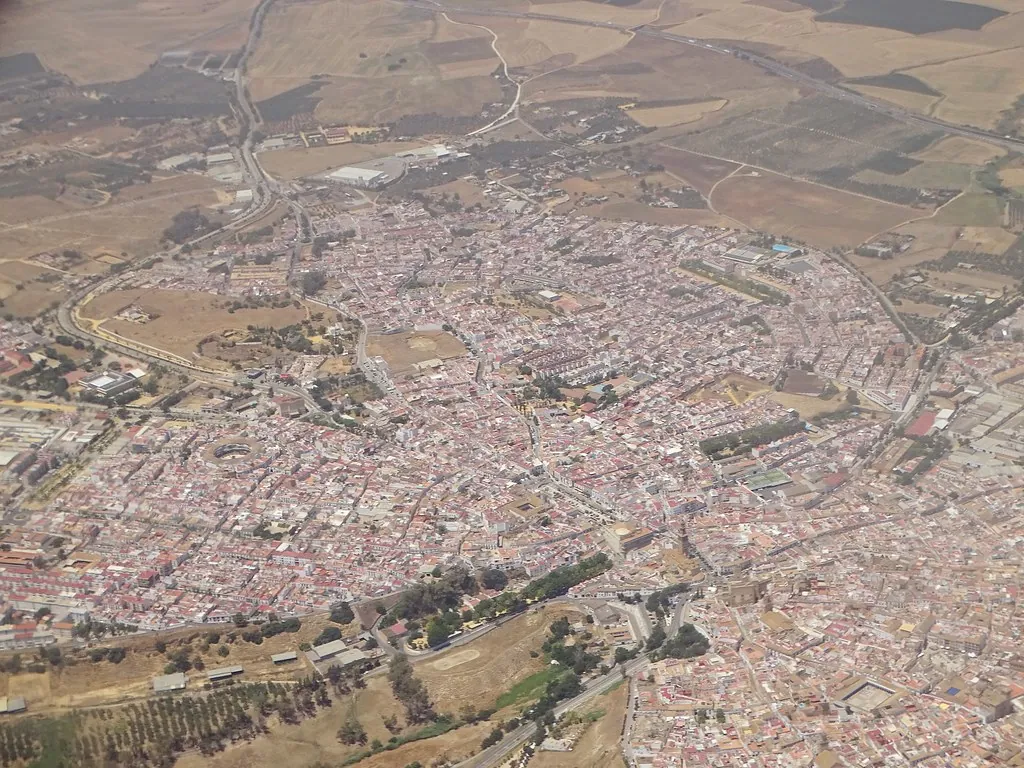
Los Molares is the kind of place that brings to mind a familiar phrase in Spain, the one about how well you can breathe in the countryside. There is some truth in that. Tourism here does not revolve around a string of landmarks or streets designed for photos. Life follows the rhythm of a small town in the Sevillian campiña, home to just over three thousand people, where the horizon often ends in olive groves.
This is not somewhere you arrive by accident. Most visits happen because you were already nearby, perhaps in Utrera or on the road towards Cádiz, or because someone local suggested it with a simple “if you’ve got a bit of time, go and have a look”.
The village that, they say, sent water to Italy
One of the most talked-about spots in Los Molares is the Fuente de la Higuera. According to a story that still circulates, its water was so highly valued that the Duke of Alcalá used to send it to his family in Italy. It sounds almost exaggerated, yet the tradition remains and the fountain is still there.
You can reach it on foot from the centre in just a few minutes. The route quickly leaves the village behind and leads into olive groves. It is a short walk that passes almost without notice. The fountain continues to flow, and it is not unusual to see locals filling large containers.
Is the water especially good? That is something to decide for yourself. What adds interest is the thought that, if the story holds any truth, this same water once travelled much further than you did.
The castle on the hill
From a distance, Los Molares is defined by a hill topped with the remains of a castle. The climb up is noticeable but manageable. It takes a little effort, though not enough to turn it into a challenge, and before long you reach the top.
The castle dates back to the 15th century, although the hill appears to have been occupied much earlier. Today, what remains are sections of walls and fragments that hint at its former presence. The location makes its purpose clear. From here, the surrounding territory would have been easy to oversee.
The views help explain it. The campiña stretches out in every direction: cultivated fields, straight roads cutting across the land, and on clear days, other villages appearing on the horizon. It is not a place that demands a long visit. It suits a short pause, a look around, and then a return to the village below.
A remarkably long fair, at least on paper
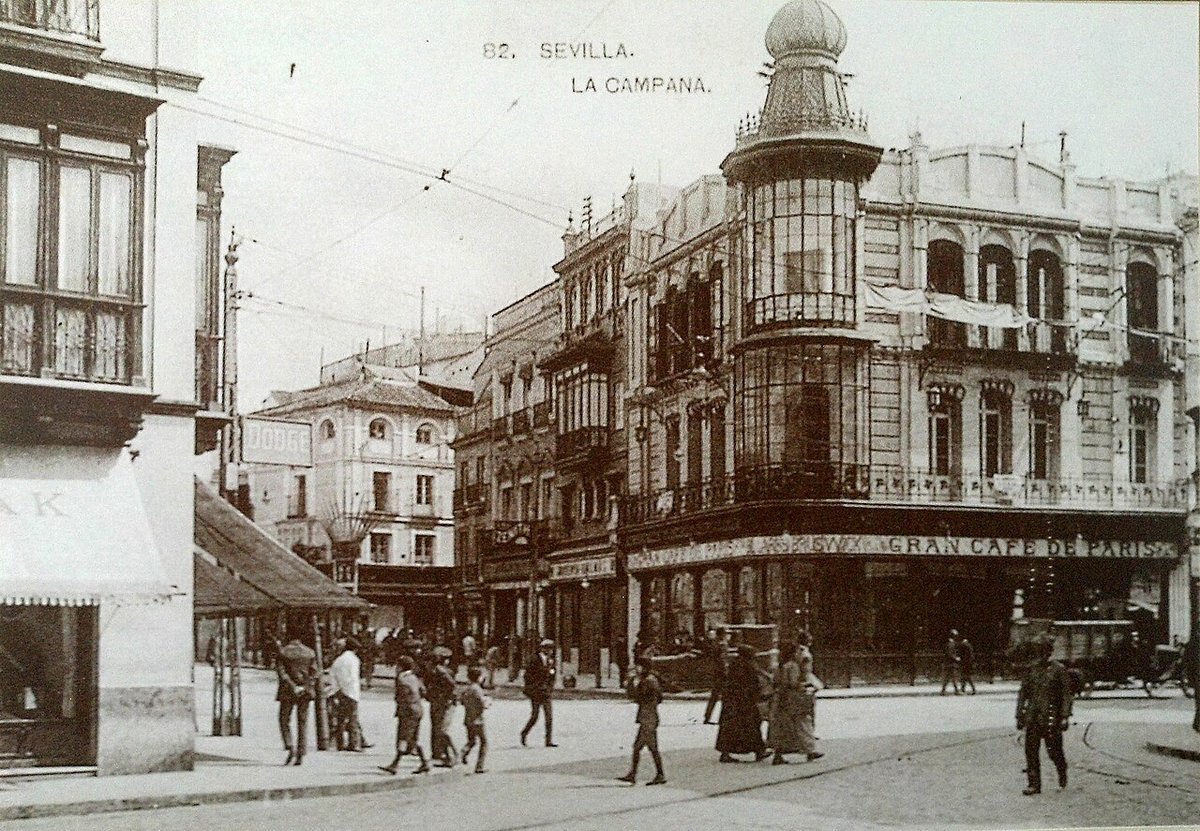
There is a historical detail that often comes up when people talk about Los Molares. In the 17th century, according to some accounts, the village held a fair that began at the end of November and continued until January.
Two months may sound excessive, but the explanation lies in trade. Merchants passed through this area carrying textiles and other goods. From here, they continued towards Andalusian ports, and from those ports, across the Atlantic to the Americas.
Festivities today are much shorter and align more closely with the typical Andalusian calendar. In summer, the town celebrates Santa Marta, its patron saint. Throughout the year, traditional sweets also make an appearance. Pestiños are especially linked to Semana Santa, Spain’s Holy Week. When freshly made and coated in honey, they tend to stick to your fingers, which explains why many households still prepare them.
Is it worth stopping in Los Molares?
That depends on what you are looking for.
If your idea of travel involves moving from one monument to the next or wandering through streets filled with souvenir shops, this may not be your place. Los Molares belongs to a different category, one where daily life continues largely unaffected by visitors.
There is an upside to that. Parking is usually straightforward, the centre can be crossed in around ten minutes, and it quickly becomes clear that people know each other. Sit at a terrace mid-morning and it will not take long before someone asks where you are from.
Spring tends to be the most pleasant time to visit, when the countryside is green and the heat has not yet intensified. Autumn also works well for walking in the surrounding area.
A simple way to spend the day
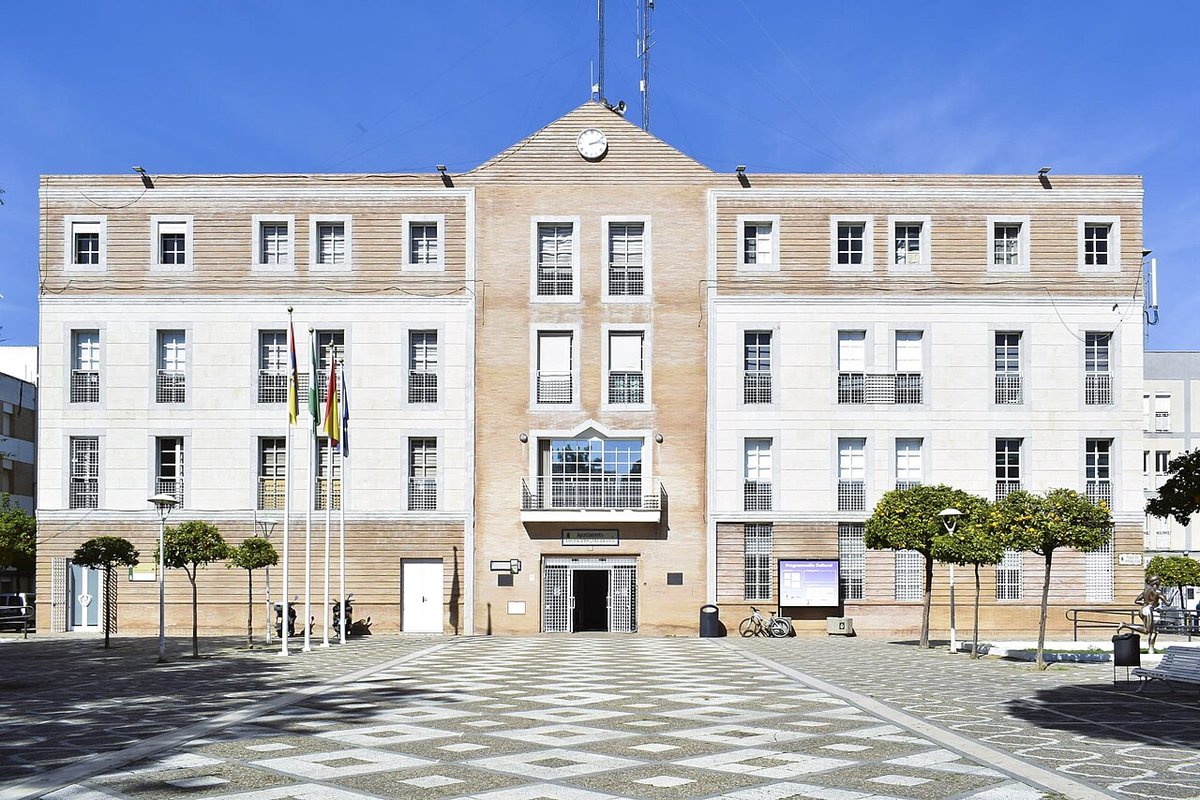
A relaxed plan suits Los Molares best. Arrive in the morning and take a walk around the main square. This is where everyday life gathers: older residents sitting on benches, neighbours coming and going from the bars, children passing through with school bags on weekdays.
Breakfast can be simple, a slice of toasted bread with local olive oil and a coffee. Afterwards, head towards the hill with the castle. The walk up, the time spent taking in the view, and the return down easily fill a good part of the morning.
Later, continue on foot to the Fuente de la Higuera. Fill a bottle if you like and make your way back at an unhurried pace.
For lunch, the usual choice is to sit in one of the bars in the centre. The food reflects what the land provides. Gazpacho appears in hot weather, alongside straightforward dishes, and if the season allows, espárragos trigueros, wild asparagus.
The afternoon does not need much structure. Walk through quieter streets, notice the large doorways that open onto interior courtyards, and pay attention to the stillness that settles as activity fades.
Los Molares does not offer a long checklist of sights. That may be the point. You arrive, walk a little, exchange a few words in the square, and leave with the sense of having spent an ordinary day in a place that carries on in its own way. Sometimes that is exactly what is needed.