Full Article
about Conil de la Frontera
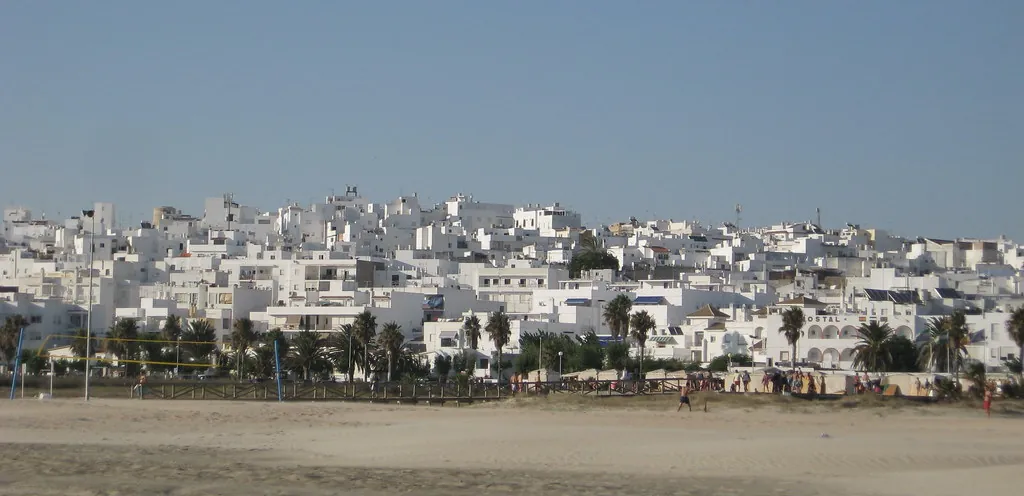
Fishing village turned top-tier tourist spot; still has its white streets and flower-filled courtyards by the sea.
Ocultar artículo Leer artículo completo
The fishing boats return at dawn, their decks glistening with bluefin tuna caught using the same labyrinthine net system the Phoenicians perfected three millennia ago. In Conil de la Frontera, this isn't heritage theatre—it's Tuesday morning. The town's 22,000 residents still set their clocks by the almadraba season, when tuna migrate through the Strait of Gibraltar and local fishermen haul in fish worth more per kilo than most Spanish jamón.
This working rhythm defines Conil in ways that bypass most coastal developments. Forty-one metres above sea level on Andalusia's Atlantic coast, the town spreads across a low ridge, its whitewashed houses clustering around a fifteenth-century church tower that serves as everyone's compass point. The narrow streets remain too cramped for tour coaches, which might explain why the place still feels like somewhere people live rather than perform living.
The Morning Catch and Evening Buzz
By 9am, the bars around Plaza de España fill with fishermen discussing wind patterns over cortados. The serious business of tuna continues at the port, where you can watch the enormous fish being auctioned if you're up early enough. Later, the same catch appears in restaurants throughout town—thinly sliced as carpaccio, slow-cooked with sweet onions, or simply grilled with nothing more than local olive oil and sea salt.
The contrast between dawn's industry and dusk's sociability defines Conil's appeal. Evening brings a transformation: families emerge for paseo, children chase footballs through squares until midnight, and the town's younger crowd spills between tapas bars. It's civilised hedonism—Spanish university students celebrating hen dos blend seamlessly with German surfers and retired British couples, everyone moving to flamenco rhythms drifting from geranium-filled patios.
The beaches stretch for miles east and west, broad expanses of flat golden sand that never feel crowded even in August. Playa de los Bateles sits closest to town, backed by a promenade of fish restaurants where lunch runs from 2pm until siesta calls. Further along, Playa de la Fontanilla offers more space and cleaner swimming, while the coves at Roche provide dramatic cliff-backed pockets of sand accessible via wooden walkways. When the levante wind blows hard from the east, head for these sheltered spots—the Atlantic's personality can shift from gentle to ferocious within hours.
Beyond the Beach Towel
Conil's relationship with the sea extends beyond sunbathing. The surf scene here proves more reliable than many British coastal towns—consistent Atlantic swells create conditions suitable for beginners and intermediates, with several schools offering board hire and lessons. It's less windy than Tarifa further south, meaning you won't spend half your lesson retrieving runaway equipment.
The clifftop path connecting Roche's coves delivers some of Europe's best coastal walking. The Sendero del Acantilado runs for seven kilometres along ochre cliffs dropping to hidden beaches, passing ruined watchtowers that once warned of Barbary pirates. Sunset from these paths becomes addictive—the Atlantic stretching west to America, Africa visible on clear days, and the coast glowing amber as restaurants below light their grills.
Inland, the Parque Natural de la Breña y Marismas del Barbate protects one of Andalusia's last intact dune systems. Pine woods shade walking trails where you might spot hoopoes or booted eagles, though the landscape rewards patience rather than spectacle. This isn't dramatic mountain country—it's gentle, agricultural Andalusia where the pace slows to match the climate.
Practical Realities
Access requires planning. Jerez airport sits fifty minutes away via decent roads, but limited UK flights mean many visitors route through Seville (1 hour 45 minutes) or Málaga (2.5 hours). Car hire proves essential—public transport exists but runs on Spanish time, and the nearest train stations at San Fernando or Cádiz require onward connections. Parking in town operates on pay-and-display; arrive early to grab spaces along the seafront before day-trippers claim them.
Timing matters enormously. May and June deliver warm weather, empty beaches, and the annual Ruta del Atún, when restaurants create special menus celebrating the almadraba's end. Over two hundred tuna dishes appear—everything from traditional stews to Japanese-influenced sashimi preparations. Accommodation prices remain sensible, and you'll share restaurants with locals rather than package tourists.
July and August tell a different story. The population triples, temperatures hit 35°C, and finding dinner reservations becomes sport. Spanish families holiday here precisely because it retains authenticity despite summer crowds, but British visitors seeking tranquility should avoid peak season. September offers a sweet spot—sea temperature peaks, beaches empty, and the tuna celebrations continue with less frenzy.
Eating Like You Mean It
The food scene rewards adventurous eaters. Tortillitas de camarones—crispy shrimp fritters resembling seafood pancakes—appear in every bar, best enjoyed with ice-cold beer. Retinto beef, from local red cows that graze nearby dehesa, arrives as burgers cooked medium-rare or steaks that challenge even British appetites. Gazpacho here comes properly chilled, served in glasses with ice rather than the thick soup British restaurants often deliver.
Budget around €25-30 for dinner including wine—exceptional value given the quality. Lunch menus del día offer three courses plus drink for €12-15, though timing requires adjustment. Kitchens close at 4pm and don't reopen until 8.30pm; attempting to eat at British hours guarantees disappointment and possibly insulted chefs.
The town's tapas competitions, held throughout the year, provide perfect bar-hopping excuses. Bars create miniature dishes for €2-3, locals vote for favourites, and visitors benefit from creative cooking that goes beyond standard fare. It's democracy in action—only genuinely good tapas win, so follow the crowds.
The Honest Assessment
Conil isn't perfect. The levante wind can ruin beach days, blowing sand horizontally and making outdoor dining impossible. Winter months feel quiet rather than peacefully empty—some restaurants close entirely, and the social buzz that defines summer nights disappears. Shops still observe siesta hours, frustrating visitors who haven't planned groceries around 2pm closures.
Yet these frustrations feel minor compared to the authentic experience on offer. This remains a place where fishing traditions shape daily life, where families socialise in squares rather than shopping centres, and where the Atlantic provides both livelihood and playground. The town resists the Costa del Sol's high-rise model through geography and temperament, maintaining its identity while welcoming outsiders who appreciate the difference.
Come for the tuna, stay for the evening atmosphere, and leave understanding why Spaniards choose this stretch of coast for their own holidays. Just don't expect to keep British meal times—Conil runs on Atlantic time, and that's precisely the point.