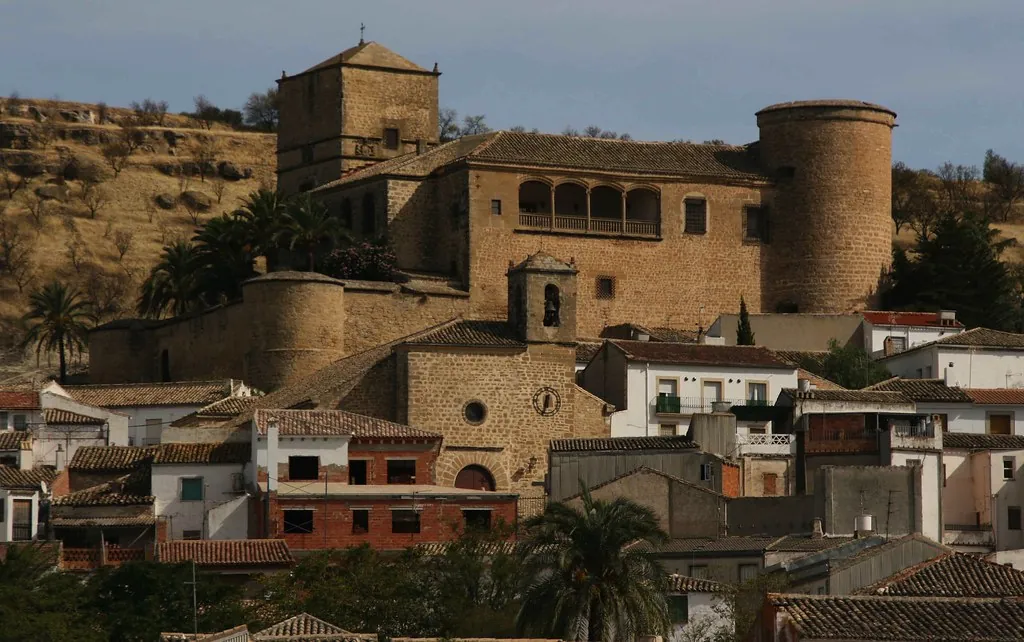
Baeza - Atarazanas.jpg
Andalucía · Passion & Soul

Baeza

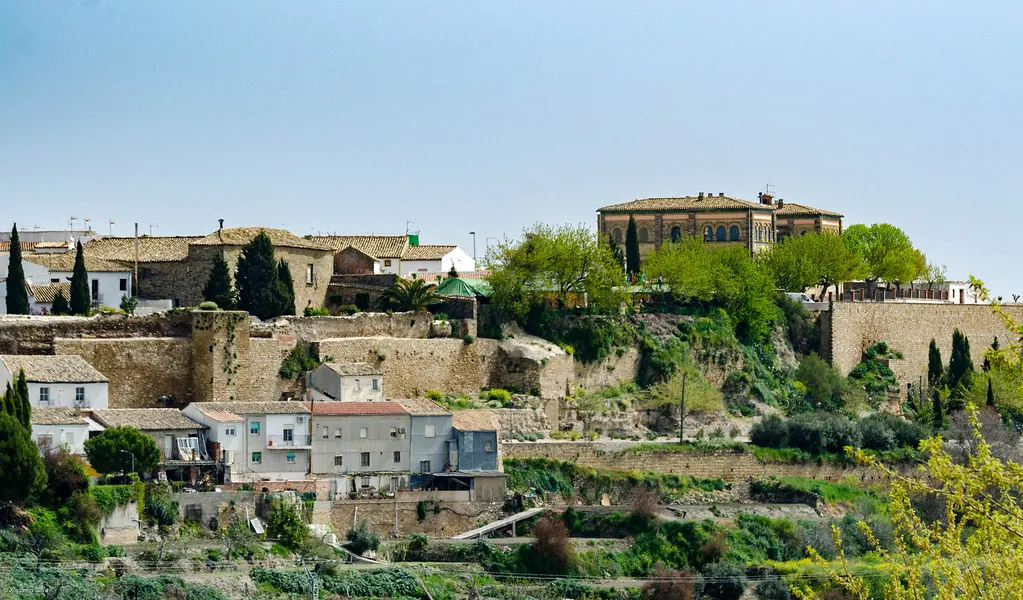
The clock on the ruined convent strikes nine, yet only a pair of swallows reply. In Baeza’s old centre, morning light slides across façades carved ...

15,575 inhabitants · INE 2025
769m Altitude

Why Visit

Cathedral of the Nativity Renaissance Route

Best Time to Visit

spring

August Fair (August) Agosto y Noviembre

Things to See & Do
in Baeza

Heritage

  • Cathedral of the Nativity
  • Jabalquinto Palace
  • Pópulo Square

Activities

  • Renaissance Route
  • Tour of the Old University
  • Extra-virgin olive oil tasting

Full Article
about Baeza

World Heritage city alongside Úbeda; jewel of the Spanish Renaissance with a stunning historic center

Ocultar artículo Leer artículo completo

The clock on the ruined convent strikes nine, yet only a pair of swallows reply. In Baeza’s old centre, morning light slides across façades carved in the 1540s and lands on a single parked Seat Toledo that looks almost embarrassed to be there. This is Andalucía without the guitar-buskers, the cocktail buckets, the queue for the cathedral roof. Just stone, silence and the scent of new bread drifting from a doorway on Calle San Pablo.

At 769 m above the olive-coated plains of Jaén province, the town’s altitude tempers the region’s furnace summers. Nights stay cool enough to justify the thick walls of the Renaissance palaces that turned Baeza into a classroom for Spanish architects. Francisco de los Cobos, secretary to Emperor Charles V, imported Italian ideals and paid for them with silver from the Americas; the stone he used still glows buff-gold, the colour of Derbyshire sandstone but harder, thanks to the local limestone that darkens to honey after rain.

A Square That Teaches You the Rules

Begin in Plaza del Pópulo, a triangle of cobbles framed by three buildings that read like a cheat-sheet to Spanish style. To the left, the 16th-century Butchers’ Hall – now the tourist office – has an arcade just wide enough for a British visitor to step inside without removing sunglasses. Opposite, the Casa Consistorial Altas still carries its original wooden balcony, the sort of perch from which medieval councillors watched markets for price-fixing. The central Fuente de los Leones, shipped here from the Roman theatre at nearby Canena, supports a tiny Iberian statue whose fixed smile suggests she knows exactly how many selfies she has photobombed.

Traffic is limited to residents’ permits, so the loudest noise is usually the click of walking sticks belonging to the town’s sizeable retired population. They walk anticlockwise; follow them and you will reach the cathedral within four minutes without a map.

Stone Lesson Outside the Classroom

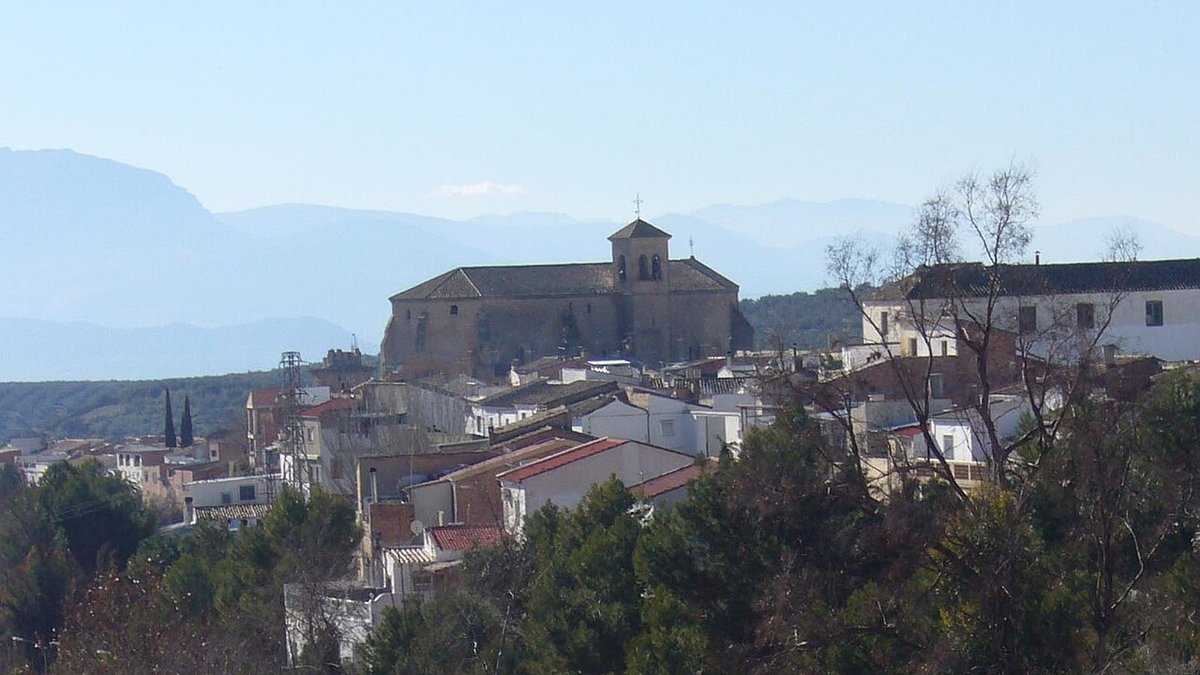
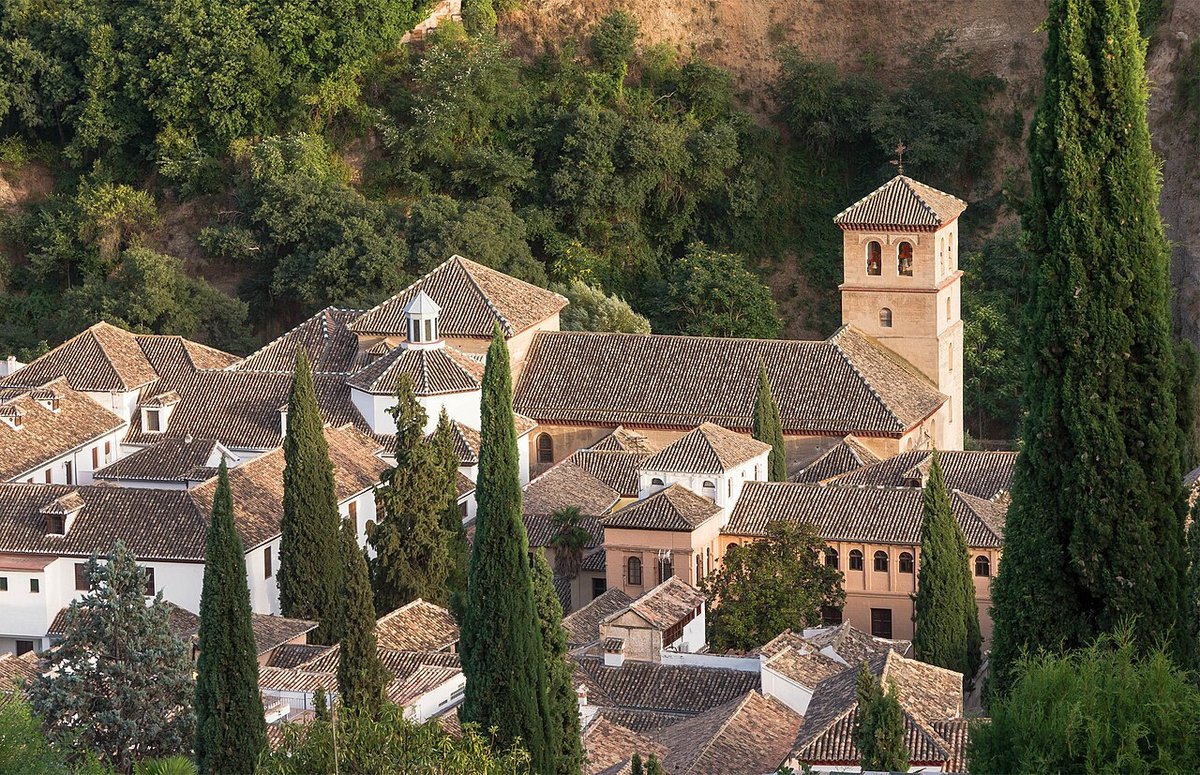
The Cathedral of the Nativity squats on top of a former mosque whose minaret survives as the tower you can climb for €5 (cash only; last ascent 13:30). Inside, the choir stalls still carry the coats of arms of bishops who once doubled as military commanders – a reminder that this quiet provincial town was once a frontier between Castile and the Nasrid kingdom of Granada. The sacristy opens for guided tours at 11:00 and 16:30; if you arrive early, the sacristan may show you the 1.5-metre silver processional cross that needed 28 strong men to carry it during 18th-century plague processions. English commentary is hit-and-miss; the laminated sheet uses the word “custody” instead of “monstrance”, which confuses Baptists and Anglicans in equal measure.

Next door, the Seminary of San Felipe Neri has been converted into the International University of Andalucía. You can slip into the Renaissance courtyard between lectures; students’ bicycles lean against stone piers older than Shakespeare, and no one challenges you provided you keep noise to library levels. The university café sells a cortado for €1.30, half the price charged in Seville’s Santa Cruz quarter.

Palaces That Let You In – and Some That Won’t

Baeza’s aristocratic houses are not all behind ticket booths. Palacio de Jabalquinto, a marriage of flamboyant Gothic and Italian Renaissance, keeps its doors open because it belongs to the neighbouring secondary school. Walk through the portal bristling with coat-of-arms spikes and you emerge into a courtyard where the double-height arches frame a square of sky so blue it feels filtered. The school caretaker may ask you to leave at 14:00 when the gates shut for lunch; respect the timetable and you avoid the embarrassment of being shepherded out by teenagers.

Smaller palaces operate as hotels: the Palacio de los Salcedo charges £85 for a double, including access to a first-floor loggia that overlooks olive groves rolling towards the Guadalquivir 40 km away. Book a south-facing room and you can watch sunrise ignite the metal roofs of the modern town while historic Baeza behind you still sleeps.

Oil, Bread and Pig – the Local Trinity

Food here is built on three ingredients: picual olive oil, coarse wheat bread and every bit of the pig bar the oink. Order a glass of house white in Bar La Lola on Plaza de España and a plate arrives unbidden: lomo de orza, pork shoulder slow-poached in oil until it spreads like pâté. The flavour is gentle, closer to French rillettes than to spicy Andalucian chorizo. Migas – fried breadcrumbs with diced chorizo and grapes – appear at weekends; ask for the “chico” portion unless you are splitting it three ways. Vegetarians survive on ochío, a sweet olive-oil bun that tastes like a cross between focaccia and hot-cross bun, best dunked into thick hot chocolate served 07:30–10:30 only.

For liquid souvenirs, Oleícola San Francisco on the edge of town runs free 45-minute tours (English on request; ring 953 74 00 48). The cooperative bottles 1.2 million litres a year, yet the tasting room holds just eight stools. Expect peppery oil that makes the back of your throat catch – the hallmark of high-polyphenol picual – and a sales desk that will ship 5-litre cubitainers to the UK for €20 plus carriage.

When the Sun Drops Behind the Olives

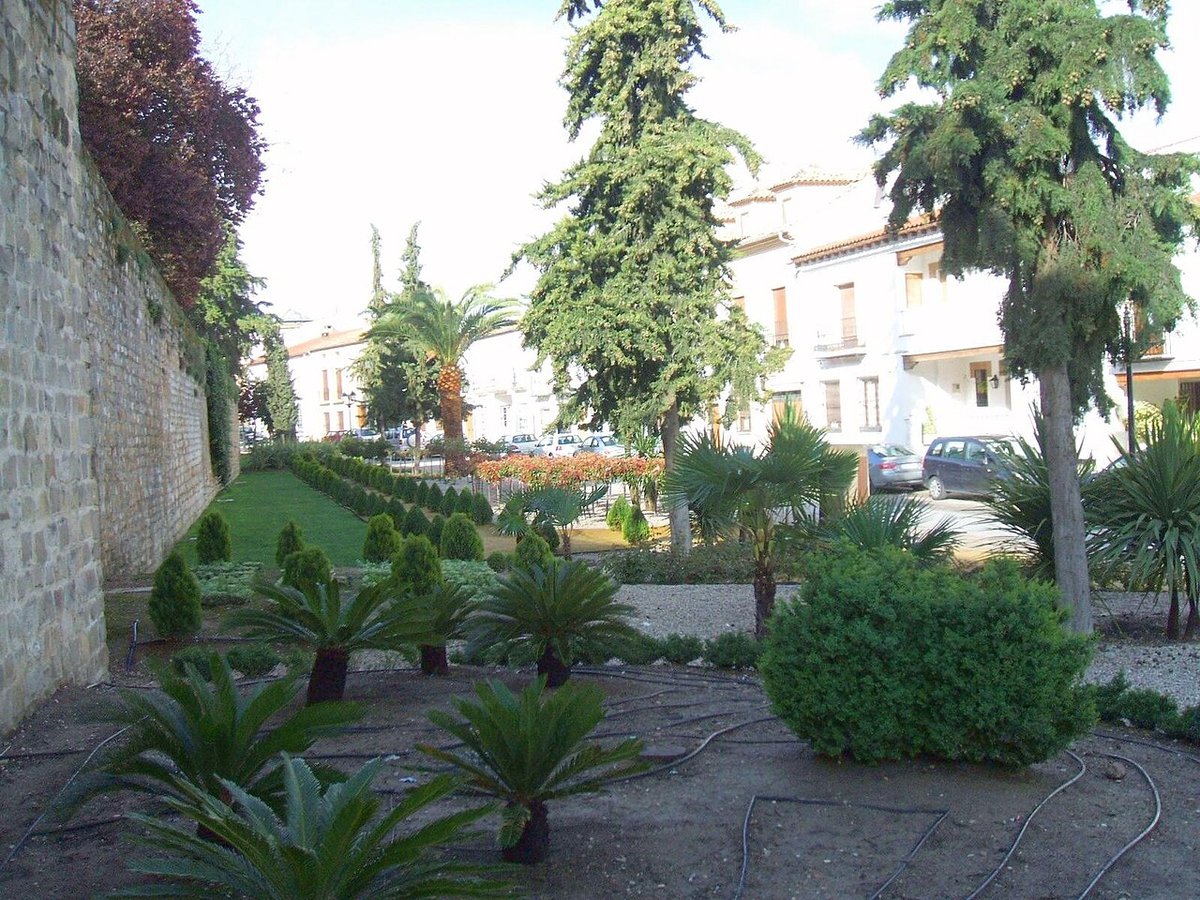
Evenings belong to the Paseo de las Murallas, a 1.5-km strip of garden on the site of the demolished Arab wall. Local runners follow the circuit anti-clockwise; visitors usually stand still at the Mirador de los Aliatares and photograph the S-shaped curve of the Guadalquivir glinting between olives that stretch 40 km to the Sierra de Cazorla. In October the trees are being harvested: mechanical shakers clamp trunks and shake for six seconds; fallen fruit is brushed into central rows and vacuumed into trailers. The air fills with a grassy aroma that perfumers have never successfully bottled.

Winter brings the opposite spectacle. Night-time temperatures can dip to –2 °C; frost feathers the sandstone and locals emerge in quilted coats. Hotels switch on heating reluctantly – ask for an extra blanket rather than expecting 21 °C on the thermostat. January’s Feast of Saint Sebastian sees runners in white shirts sprint through the streets while drummers in Renaissance costumes maintain a beat that echoes off stone so loudly earplugs are advised.

Getting Here, Staying Sane

Baeza rewards drivers: the A4 from Madrid leaves you 45 km away on the JV-2302, a road lined with almond trees that flower in February. Everyone else takes the ALSA coach: Granada (1 h 30 min, €10.50), Jaén (55 min, €5.20), Úbeda (15 min, €1.95). The bus station is a 12-minute uphill walk to the old gates; taxis hover but the €8 fare feels steep when wheels roll slower than feet on cobbles. Trains stop at Linares-Baeza, 20 km west; a shared taxi costs €25 if you pre-book, double if you just turn up.

Cars must park outside the walls. The underground car park beneath Plaza de Toros charges €11 per 24 h; surface lots drop to €8 but offer no shade – in August steering wheels reach temperatures that melt sunglasses. Once inside, the town is walkable in comfortable shoes; leave heels for Seville. Several monuments close 14:00–16:00 even in high season; the gap is long enough for a menu del día (€12–14) and a siesta in your room, short enough to prevent day-trippers drifting off to Úbeda out of boredom.

The Honest Exit

Baeza will not hand you flamenco, tapas crawls or Moorish palaces bathed in neon. What it offers is a compact lesson in how Spain remade itself after 1492, written in stone that changes colour like a well-loved tweed. Come for 24 hours and you will leave with calves toned by cobbles, a throat tingling from peppery oil, and photos in which no stranger photobombs the architecture. Stay for three days and you may find yourself timing coffee breaks to the cathedral bell, recognising the baker’s dog, and explaining to another British couple that yes, the town really is this quiet once the coach parties return to Granada.

Key Facts

Region
Andalucía
District
La Loma
INE Code
23009
Coast
No
Mountain
No
Season
spring

Livability & Services

Key data for living or remote work

2024
ConnectivityFiber + 5G
TransportTrain 13 km away
HealthcareHealth center
EducationHigh school & elementary
Housing~5€/m² rent · Affordable
Sources: INE, CNMC, Ministry of Health, AEMET

Official Data

Institutional records and open data (when available).

  • Conjunto Monumental de Baeza
    bic Conjunto Histórico ~0.2 km
  • Casa del Pópulo
    bic Edificio Civil ~0.3 km
  • Cárcel y Casa del Corregidor
    bic Edificio Civil ~0.1 km
  • Antigua Universidad
    bic Monumento ~0.2 km
  • Balcón del Concejo
    bic Monumento ~0.2 km
  • Palacio de Jabalquinto
    bic Edificio Civil ~0.3 km
Ver más (21)
  • Palacio-fortaleza de los Sánchez de Valenzuela
    bic Castillo/Fortaleza
  • Casas Consistoriales Altas
    bic Edificio Civil
  • Palacio de los Condes de Garciez
    bic Edificio Civil
  • Antigua Carnicería
    bic Monumento
  • La Alhóndiga
    bic Monumento
  • Fuente de Santa María
    bic Monumento
  • Fuente de los Leones
    bic Monumento
  • Puerta de Jaén
    bic Monumento
  • Puerta de Ubeda y Torreón
    bic Fortificación
  • Torreón y Puerta del Barbudo
    bic Fortificación

Planning Your Visit?

Discover more villages in the La Loma.

View full region →

More villages in La Loma

Traveler Reviews