Full Article
about Begíjar
A farming town near Baeza with a historic center and traditions tied to the Guadalquivir.
Hide article Read full article
Arriving and getting your bearings
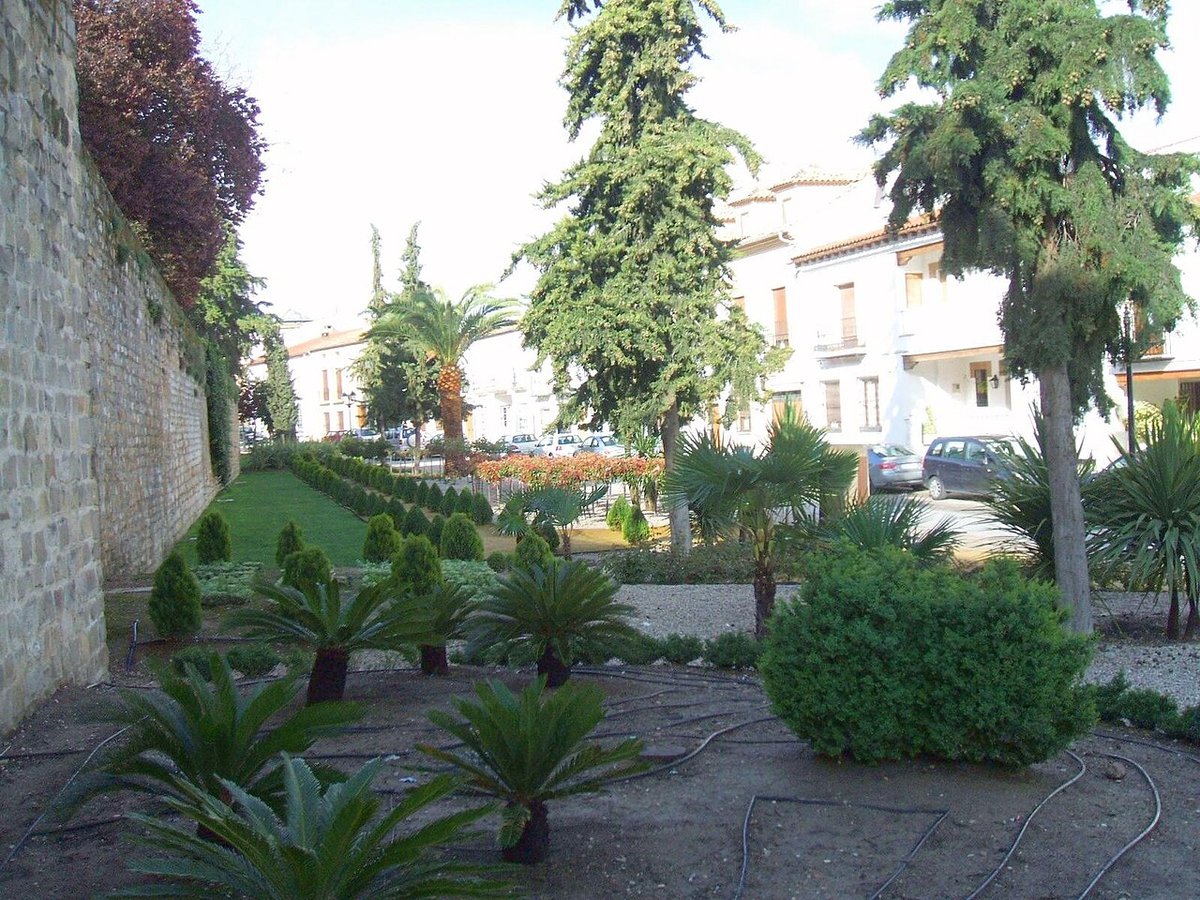
In Begíjar, the first thing to think about is the car. If you drive into the centre you will likely end up circling narrow streets, so it is better to leave the vehicle in the lower part of the village and walk up. The place is small and everything sits close together.
Mornings often carry the smell of freshly baked bread. The local bakery opens early and the scent drifts across much of the square. In summer there is more movement than you might expect for a village of this size, yet there are no parking areas designed with visitors in mind.
A place that keeps things simple
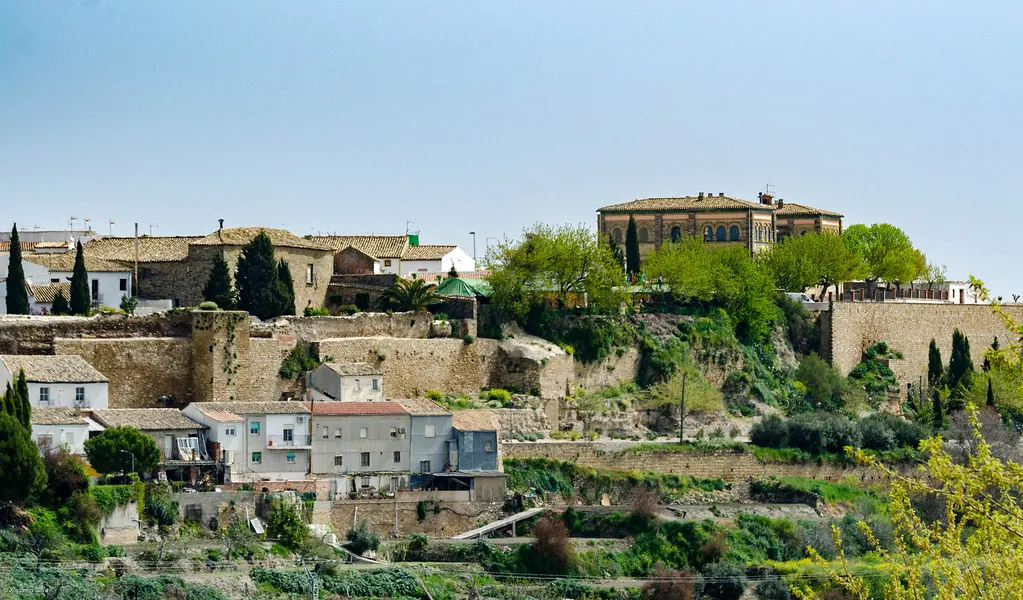
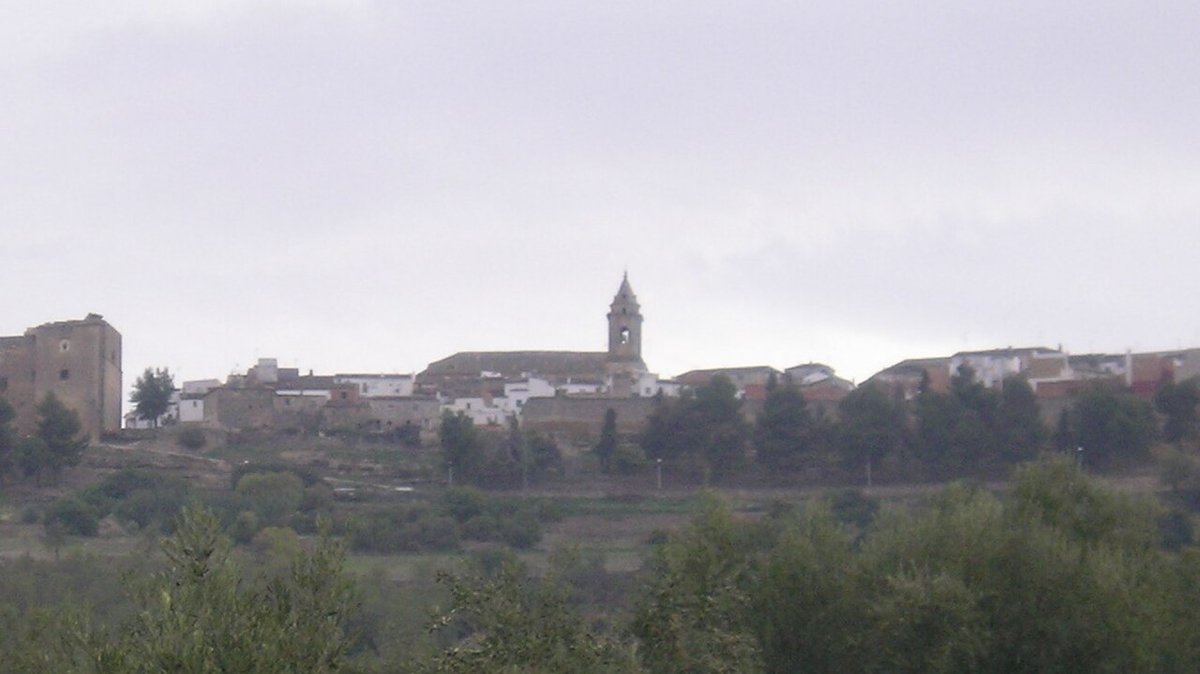
Begíjar does not have a tourist office. If you ask around, people usually point to three things: the Arab tower, the church and the path that leads up towards the sanctuary. All of them are within a ten-minute walk.
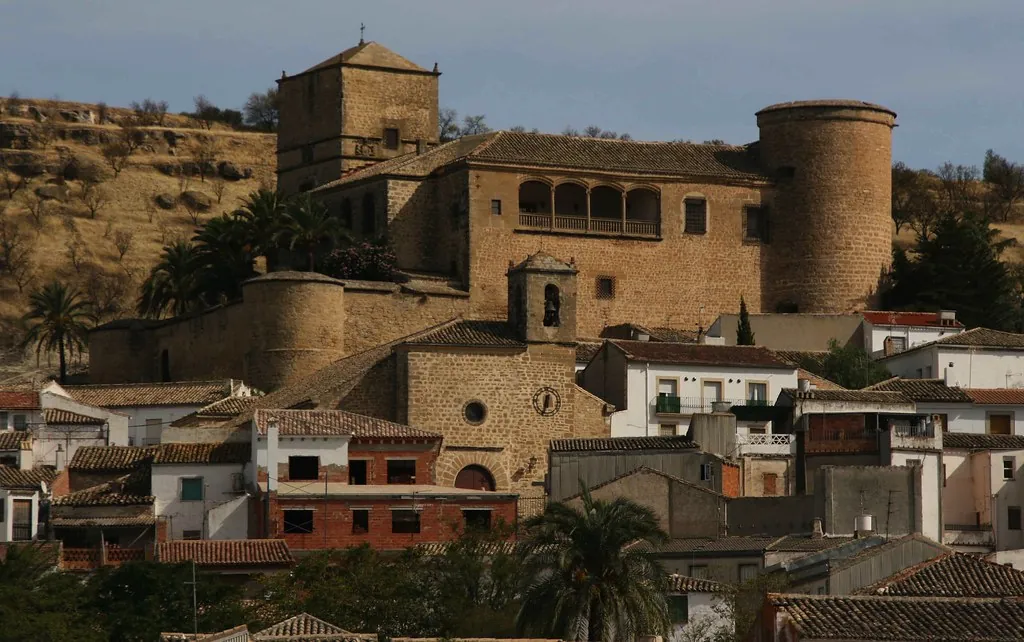
The torre del homenaje stands on the hill, a solid and fairly plain block of stone. It is medieval, often dated to the Andalusí period, when much of southern Spain was under Muslim rule. Over time it has had some very unglamorous uses. Older residents say it was once used to store grain. These days it is usually closed.
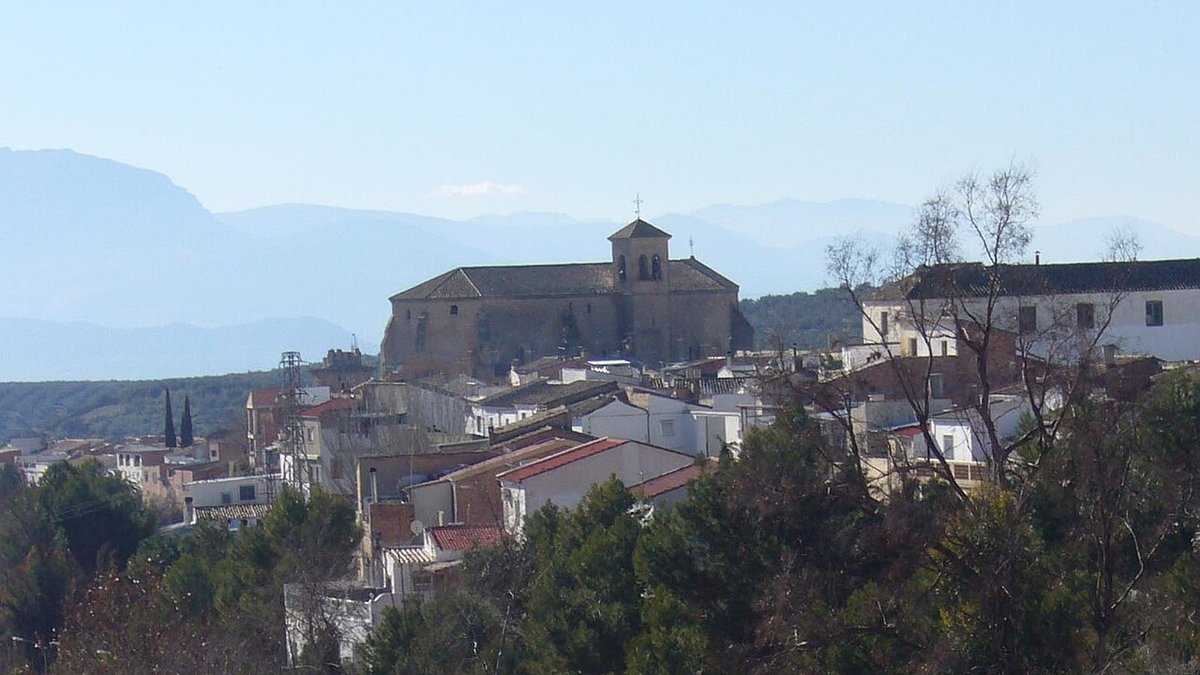
At the top sits the church of Santiago Apóstol. It does not follow a single style. There are Gothic elements, later alterations and additions from different periods. The main doorway dates from the late sixteenth century. Inside, expectations should stay modest. This is a working village church rather than a grand display space.
Water, memory and everyday food
Fuente Nueva still runs with water, and some neighbours continue to fill large bottles there. In a province where summer heat can be intense, a flowing fountain is something people appreciate. There are no signs or photo setups around it.
Within the town centre you will also find the birthplace of Patrocinio de Biedma. She was a nineteenth-century writer who, for a time, published under a male pseudonym, which was fairly common in that period. The plaque marking the house is easy to miss.
Food in local bars leans towards familiar, filling dishes built around bread and slow cooking. Andrajos de conejo appears frequently on menus in the area, a rustic stew with pieces of flat dough. Another typical option is maimones, a garlic soup with bread and egg. It is not refined, but it does the job when the weather turns cooler. If you prefer something simpler, a toasted slice of bread with tomato and garlic is a straightforward breakfast.
The climb to Santuario de la Estrella
Santuario de la Estrella lies about six kilometres from the village, in the nearby hills. It can be reached by car along a track, though many people choose to walk using older paths that pass through olive groves and low scrubland. The route is not technical, but there are uphill stretches.
At the top, the view opens out. On clear days you can see much of La Loma, the wide olive-covered plateau that defines this part of Jaén province, and to the north the first mountain ranges begin to appear. The sanctuary becomes busier during romerías and local celebrations, traditional gatherings that mix religious devotion with a social atmosphere. Outside those moments, the setting is usually quiet, with the occasional cyclist or walker passing through.
Timing your visit
Begíjar follows its own local rhythm rather than a tourist calendar. During the grape harvest and the village festivals, there is more life in the square. For the rest of the year things move at an ordinary pace.
A visit does not take long. The historic centre can be covered quickly, and much of the interest lies in the walk itself and in heading up to the sanctuary if you feel like stretching your legs. A practical approach is to arrive in the morning, stroll through the centre and, if time allows, make your way to Santuario de la Estrella. In a couple of hours you will have seen it. After that, the road can take you on to Baeza or Úbeda, both about fifteen minutes away by car.