Full Article
about Canena
Small town dominated by one of Andalusia’s best-preserved palace-castles.
Ocultar artículo Leer artículo completo
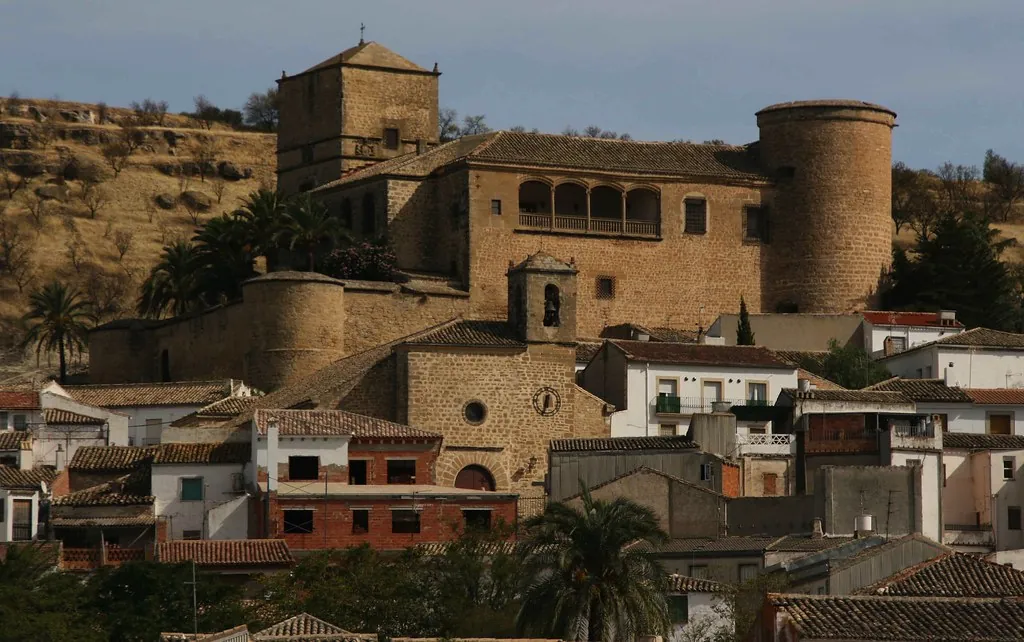
The noon bell strikes and a heavy wooden door swings open. Inside, the castle’s courtyard smells of crushed olives and sun-warmed stone. This is the only moment all day when visitors are admitted to the privately owned Castillo de Canena, and the small group that has assembled—mostly Spanish day-trippers plus a couple from Kent—steps quickly over the threshold before it closes again. The tour is in rapid-fire Andalusian Spanish, but an English crib sheet is pressed into foreign hands. Nobody minds the language gap for long; the views from the battlements do the talking.
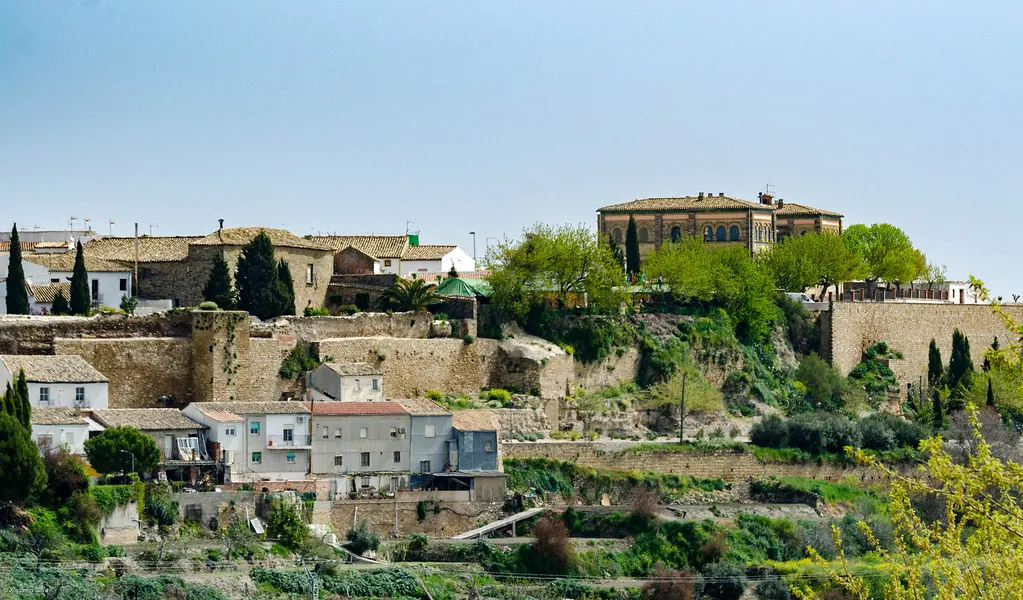
From the roof you can clock the entire municipal boundary: a rolling carpet of silver-green olive trees that stretches north until the Sierra Morena turns blue. Canena sits at 537 m on a limestone shelf above the Guadalquivir corridor, a position chosen first by Moorish engineers and later by Renaissance oil barons who realised that the same slope which gave archers a clear shot also gave olives eight hours of winter sun. The castle itself is part fortress, part stately home, part working office for the family firm that bottles the award-winning Castillo de Canena oils stocked by Fortnum & Mason. A 500-year-old Arabic cistern still collects rainwater for the estate gardens; beside it, a glass-walled laboratory tests acidity levels for export shipments to Borough Market.
Down in the village, life is quieter. The population is officially 1,780, though you’d be hard-pressed to find more than a dozen people in the Plaza de la Constitución at once. Elderly men occupy the benches in strict rotation; the women have disappeared inside to grate tomatoes for gazpacho. There is no cash machine—euros need to be drawn in advance from Villanueva de la Reina eight kilometres away—and the single supermarket shuts for siesta between 14:00 and 17:30. British visitors used to 24-hour Tesco express sometimes panic; the trick is to shop before coffee, then linger over a caña while the shutters stay down.
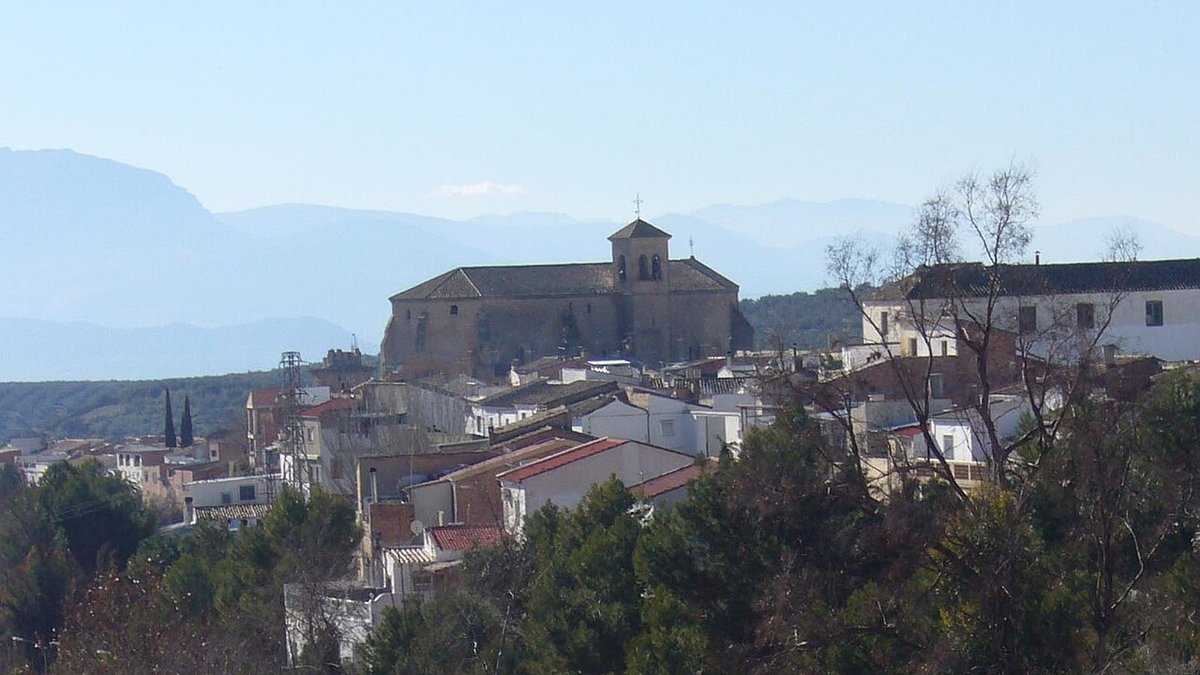
The parish church of Nuestra Señora de la Encarnación stands at the top of the only significant gradient in town. Its late-Gothic portal is flanked by two Renaissance windows added after a 16th-century earthquake, the stone still scarred where the ground shifted. Inside, the air smells of beeswax and damp hymnals; a side chapel houses a tiny museum of olive-wood carvings—angels with twig-thin arms and miniature ox-carts no bigger than a matchbox. Entry is free, but the caretaker will follow you politely until you drop a coin in the box. Photography is allowed, flash forbidden; the same rule applies to the castle.
Canena’s streets are laid out in the Moorish zigzag intended to break the desert wind. Whitewash peels in parchment curls, revealing earlier colours—ochre, terracotta, a surprising Wedgwood blue. House numbers are erratic; one Georgian couple admitted they spent forty minutes hunting for their Airbnb only to discover it was numbered by the metre along the façade rather than sequentially. GPS gives up altogether in the narrowest alleys, so navigation reverts to the medieval method: keep walking downhill until you hit the main road, then turn left for the car park which is, mercifully, free and never full.
Food is olive oil first, second and third. Breakfast at Bar Encarnación consists of a glass of local picual extra-virgin poured over toasted farmhouse bread, sprinkled with salt and crushed tomato. To British palates it can taste almost like liquid grass; ask for the milder arbequina blend if you prefer something closer to the buttery Ligurian oils sold in Waitrose. The same bar serves ajoatao, a fluffy emulsion of garlic, egg and oil that arrives in a dollop beside grilled cod. It looks like aioli but behaves more like a warm hollandaise—no raw-garlic burn, just a gentle savoury note that even children eat by the spoonful. Lunch might be pipirrana, a chopped salad of tomato, pepper and cucumber that functions as edible air-conditioning when the thermometer nudges 38 °C. Meat eaters head to Balneario San Andrés, a spa-hotel on the southern edge whose Sunday roast shoulder of lamb is slow-cooked in olive-oil instead of goose fat; the crackling is absent, but the meat collapses into fibres that taste faintly of rosemary and wood-smoke.
The spa is useful in July, when Canena turns into a clay oven and even the lizards seek shade. Day-trippers who have spent the morning in air-conditioned Úbeda arrive wilted; for €18 non-guests can buy a three-hour pass to the thermal pool, fed by a spring that emerges at 38 °C year-round. The water smells faintly of sulphur—think Harrogate rather than Bath—and the outdoor pool gives straight on to olive groves so you can float while watching tractors kick up ochre dust. In January the same water feels deliciously warm when the night air drops to 3 °C; fog pools in the valley and the castle floats above it like a ship on a grey sea.
Walking options are limited but pleasant. A signed 5-km loop, the Ruta del Olivar, leaves from the castle gate and circles through century-old trees whose trunks have swollen into elephantine coils. The path is sandy and level—trainers suffice—though you’ll share it with the occasional John Deere. Early risers hear booted workers beating branches with long bamboo canes during the November harvest; by nine o’clock the mechanical harvesters whirr like oversized vacuum cleaners, scooping fruit into hopper trailers destined for the mill before lunchtime. Tourists are welcome to watch but photographing faces requires permission; wages are paid by the tonne and nobody wants to be slowed down.
Serious hikers use Canena as a staging post rather than a destination. The Sierra de Cazorla lies forty minutes east by car, its limestone peaks rising to 1,800 m and offering half-day river gorges plus longer multi-day traverses. What the village does provide is an inexpensive bed. Hospedería Rural La Guía occupies a former olive-oil press; beams still carry iron hooks where mule teams once hung harness. Double rooms start at €55 including courtyard parking and a breakfast of strong coffee, orange juice squeezed from the castle’s own groves, and that same grass-green oil on toast. Walls are thick, Wi-Fi patchy; the only noise is the church bell that chimes the quarters through the night. Light sleepers should pack ear-plugs or join the local habit of simply turning over when it strikes.
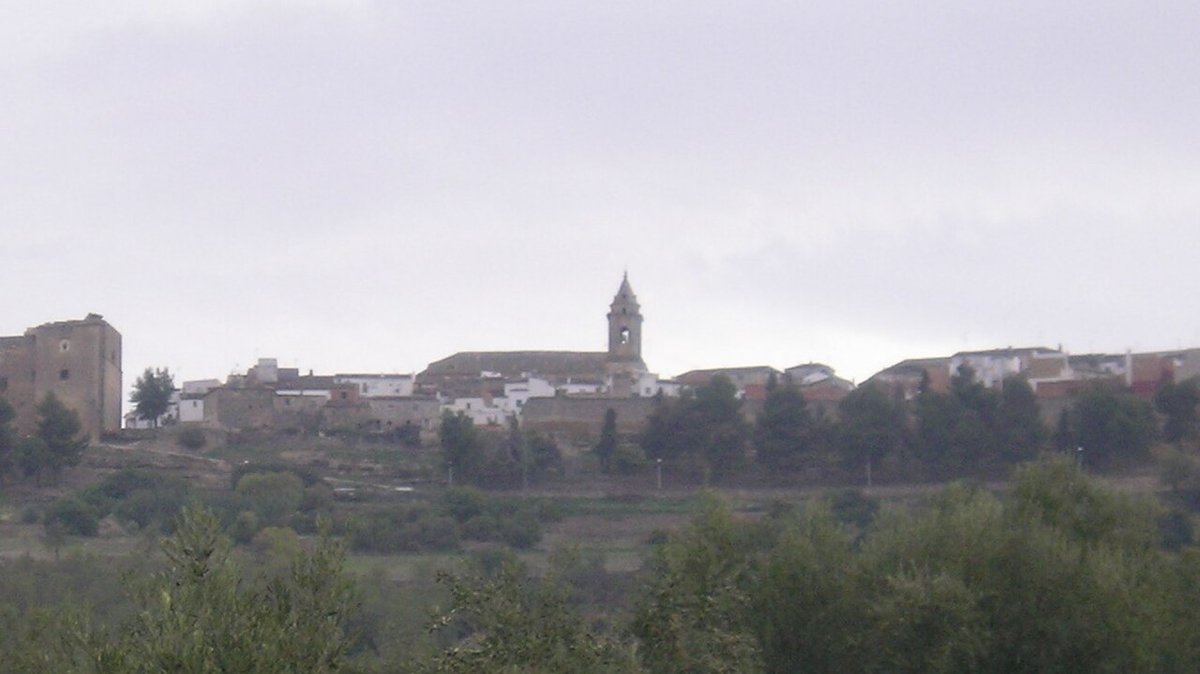
Evening entertainment is minimal. A single bar stays open past midnight at weekends; it serves Cruzcampo on tap and plays Spanish pop from the 1980s at a volume that makes conversation easier rather than harder. The castle is floodlit until 23:00, its sandstone walls glowing amber against the black olive mass. Stand on the bridge outside the town and you’ll see headlights on the A-4 motorway far below, lorries carrying Seville oranges north to Scandinavian supermarkets. From that distance the hum sounds like the sea, though the real ocean is 180 km away and the villagers seem happy to keep it there.
Come August the pace quickens for the fiestas patronales. The population doubles as descendants return from Madrid and Barcelona; suddenly the plaza hosts outdoor paella, children chase fluorescent footballs, and a band dressed in green velvet marches through the streets playing pasodobles. Accommodation triples in price and the castle tour adds an extra slot, though the commentary remains stubbornly Spanish-only. If you crave fireworks and flamenco, this is the week. If you came for silence, book instead in late February when mist hangs low, the castle tour is half-empty, and the only sound is the click of pruning shears in the groves.
Practicalities are simple. Canena sits 27 km south of Jaén along the A-6102, a winding but well-surfaced road that takes thirty minutes unless you get stuck behind a laden truck. There is no train; buses from Jaén arrive twice daily except Sundays. A car is useful for combining the village with UNESCO-listed Úbeda and Baeza, each fifteen minutes north. Allow ninety minutes for the castle and a stroll, half a day if you add the oil-mill tour (book ahead, Monday–Friday). Picnic tables beneath the castle cork oaks make a pleasant lunch spot; buy supplies at the Jaén Mercado de Abastos first—the village shops stock basics only.
Leave room in your suitcase. The castle shop sells Seville-orange marmalade made from fruit grown in the moat; it tastes familiar to British breakfast tables yet carries the peppery kick of picual oil in the after-note. Bottles are wrapped in straw, airline-safe, and cost €6.50. Smaller 100 ml tins of early-harvest oil fit neatly between socks and make smarter gifts than airport Duty-Free. Customs allow two litres into the UK; anything more and you’ll need to declare.
Canena will never compete with Seville’s nightlife or Granada’s Alhambra. It offers instead a distilled shot of inland Andalucía: the smell of new oil on warm metal, the sight of a medieval keep still policing its trees, the realisation that somewhere between the olives and the sky the twenty-first century has been persuaded to slow down. Stay long enough to hear the bell toll twice, then head on. The A-4 beckons, but the taste of peppery oil lingers, a reminder that some borders are marked not by signs but by flavour.