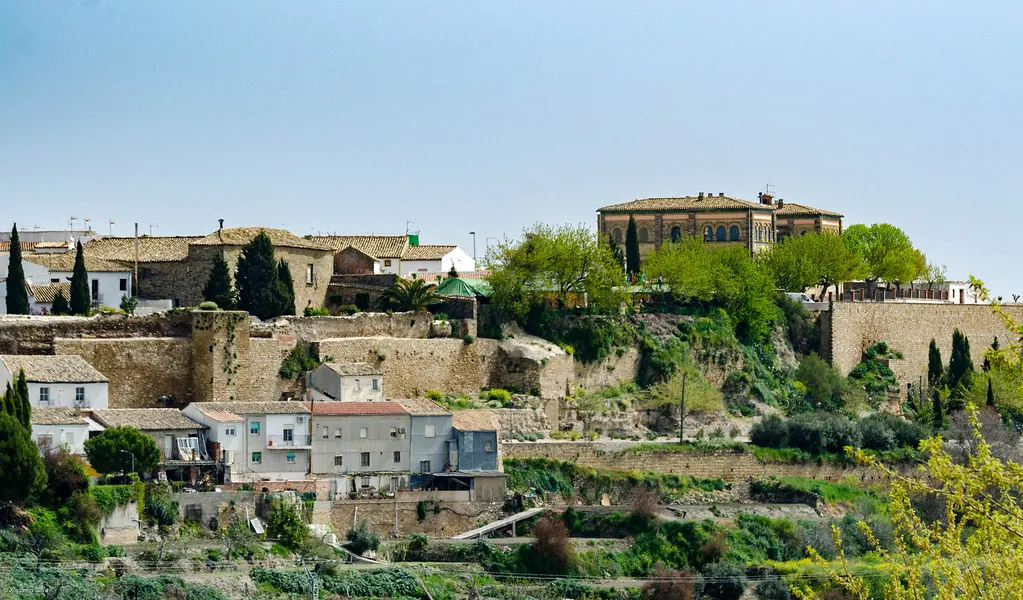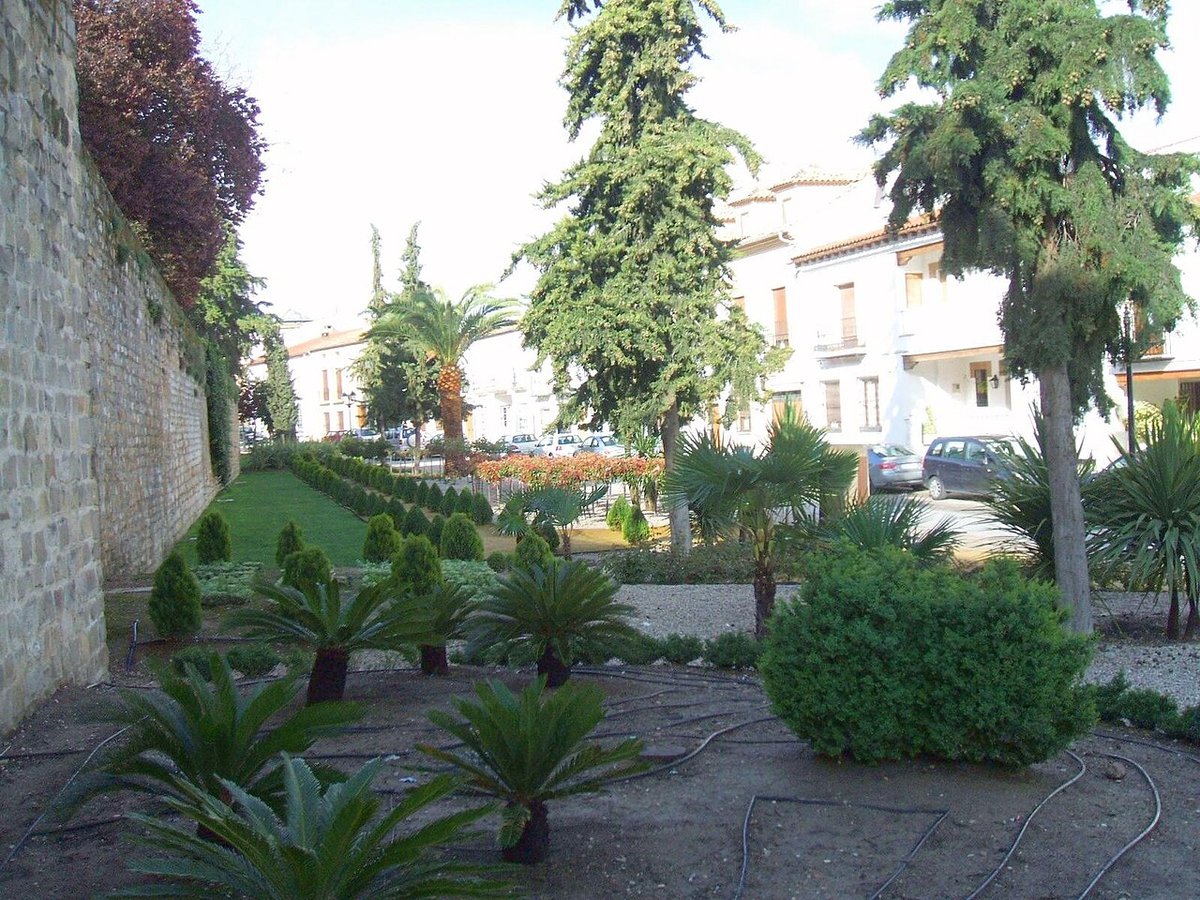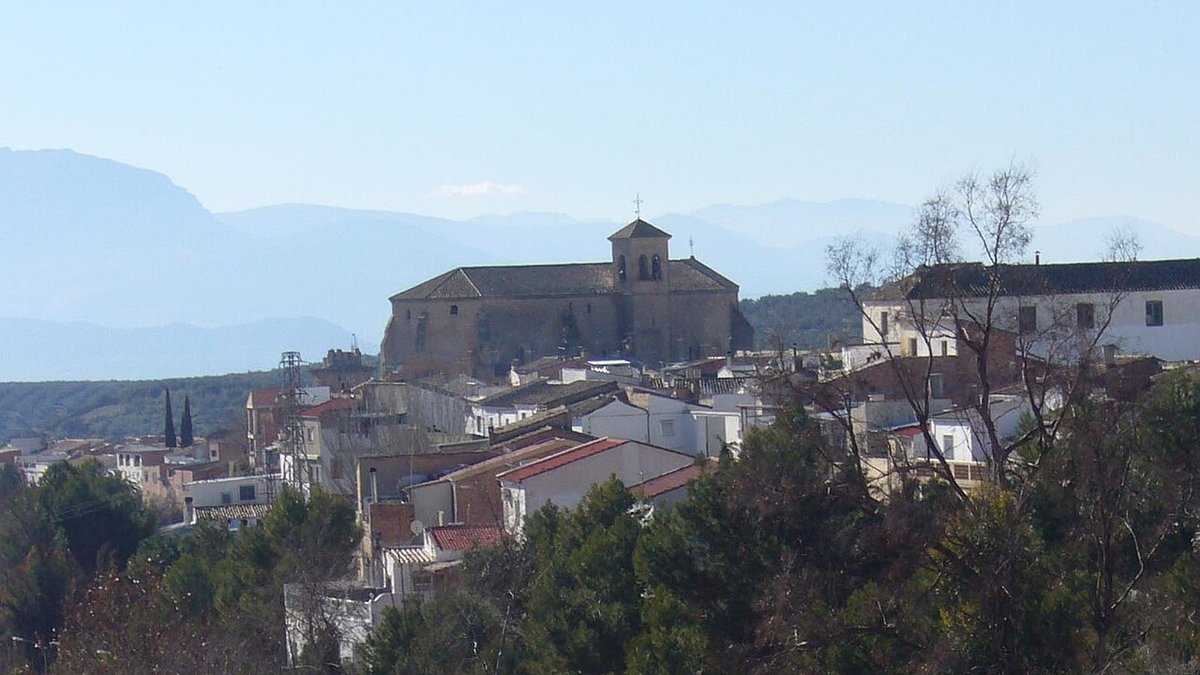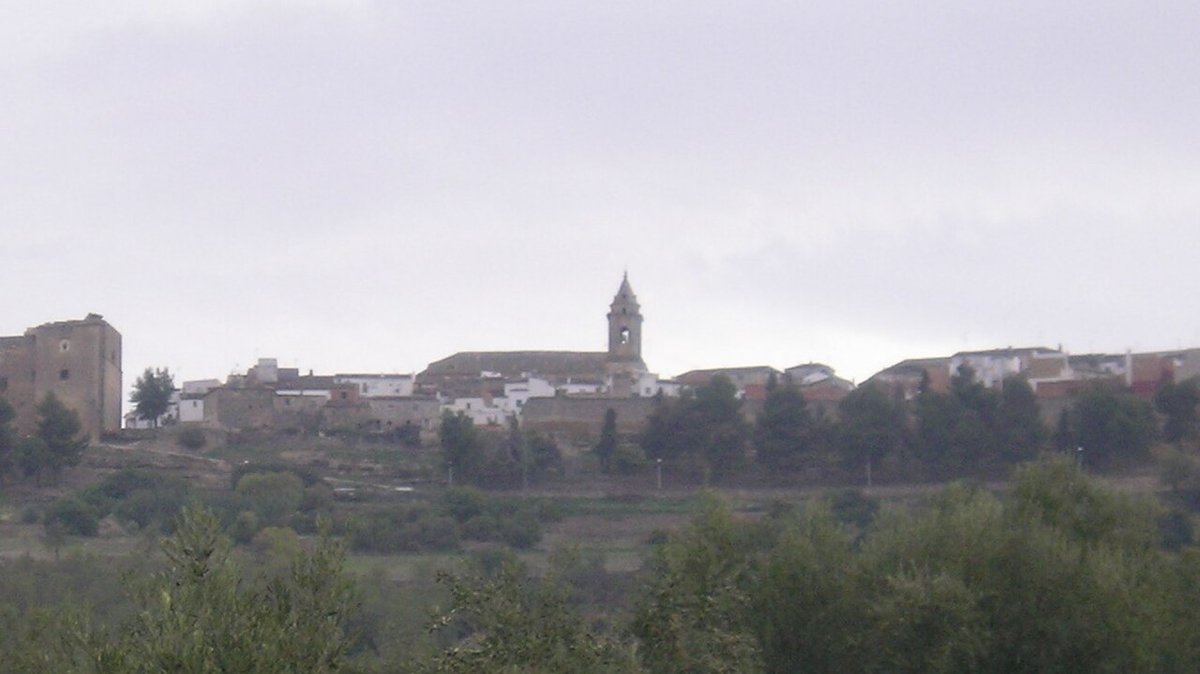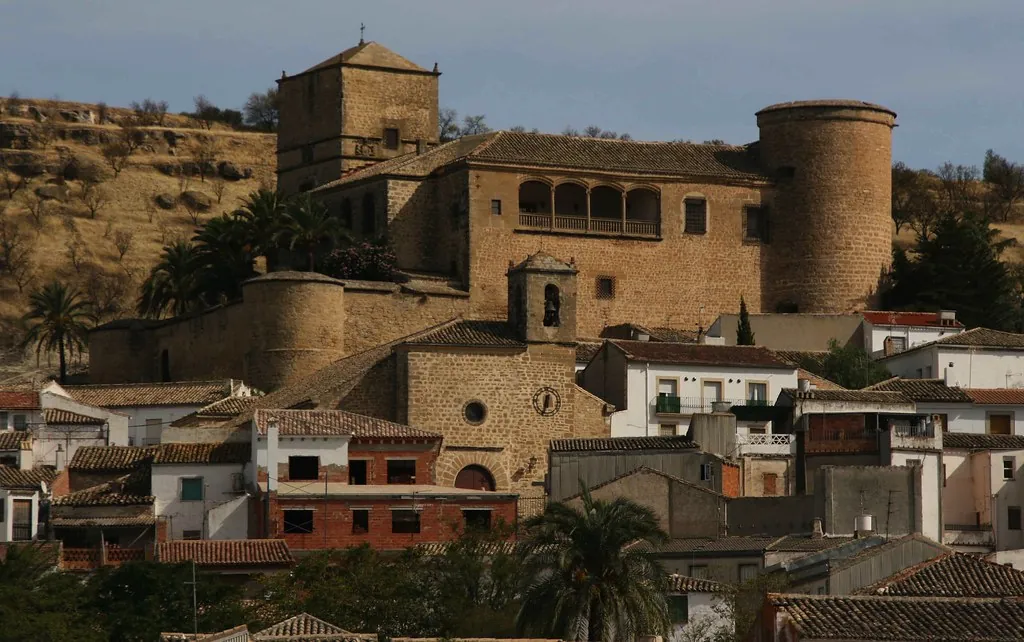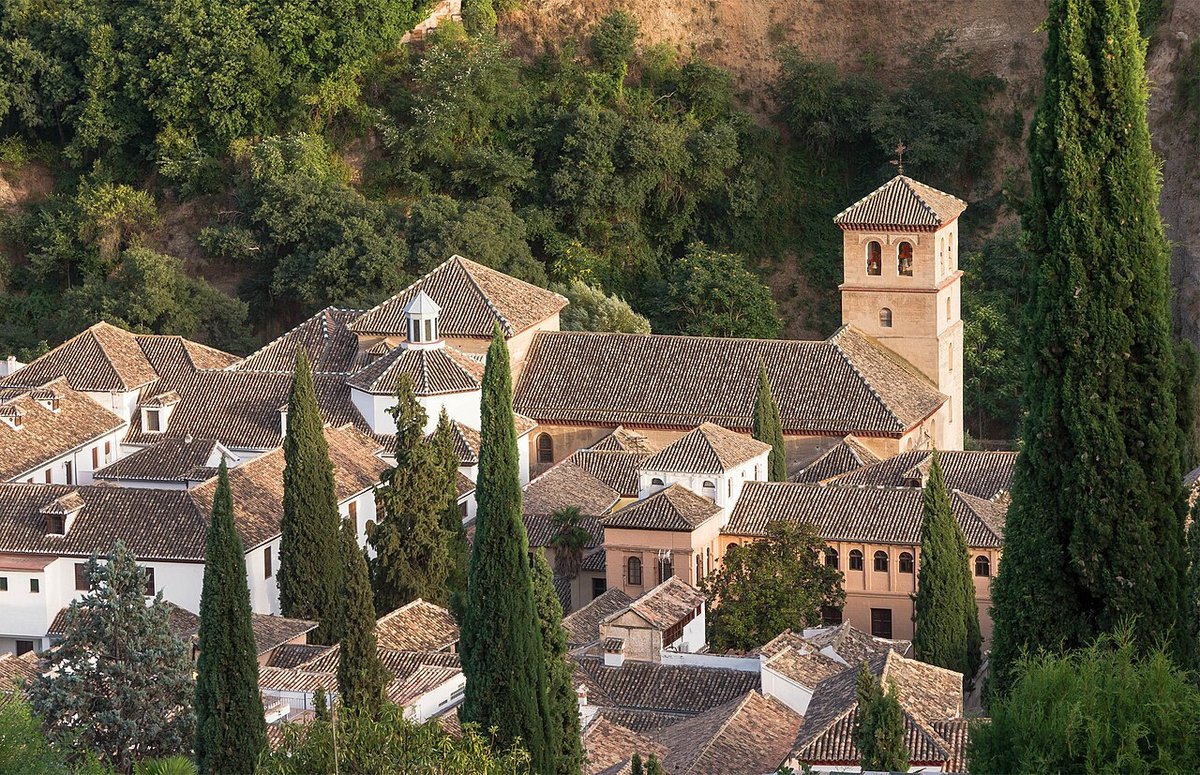
Roofs church San Pedro y Pablo Granada Spain.jpg
Jebulon · CC0
Andalucía · Passion & Soul

Ibros

The morning sun catches the whitewashed walls of Ibros at 600 metres above sea level, where the air carries the faint scent of olive groves stretch...

2,773 inhabitants · INE 2025
595m Altitude

Why Visit

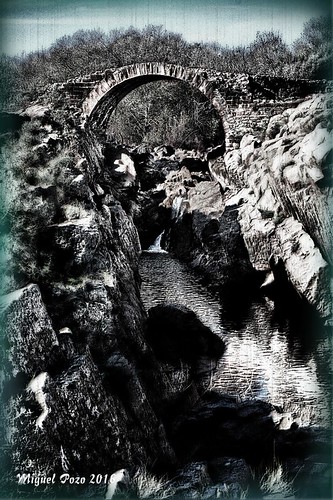
Cyclopean walls Visit the Iberian walls

Best Time to Visit

spring

Fiestas de la Virgen de los Remedios (May) mayo

Things to See & Do
in Ibros

Heritage

  • Cyclopean walls
  • Church of San Pedro and San Pablo
  • Hermitage of the Virgen de los Remedios

Activities

  • Visit the Iberian walls
  • Olive oil route
  • Local hiking

Festivals
& & Traditions

Fecha mayo

Fiestas de la Virgen de los Remedios (mayo), San Antón (enero)

Las fiestas locales son el momento perfecto para vivir la autenticidad de Ibros.

Full Article
about Ibros

Town with unique Iberian cyclopean wall remains in the peninsula.

Ocultar artículo Leer artículo completo

The morning sun catches the whitewashed walls of Ibros at 600 metres above sea level, where the air carries the faint scent of olive groves stretching to every horizon. This isn't one of Andalucía's showpiece villages – there's no dramatic gorge or Moorish fortress here. Instead, Ibros offers something increasingly rare: an unvarnished glimpse into how rural Andalucía actually functions when the tour buses aren't watching.

The Rhythm of the Olives

Three thousand people call Ibros home, though you'd never guess it from the quiet streets during siesta time. The village sits in the geographic centre of Jaén province, Spain's olive oil capital, where over 60 million olive trees create a patchwork of silver-green that changes with the seasons. Winter brings emerald tones after rainfall; summer turns everything golden-brown under the fierce Andalucían sun. The landscape here isn't backdrop – it's livelihood.

During harvest season from November through February, the village transforms. Tractors pulling trailers heavy with olives rumble through narrow streets at dawn. The cooperative mill on the outskirts operates twenty-four hours, its machinery humming through the night. Locals speak of "la campaña" with the same reverence coastal villages reserve for fishing seasons. Visitors arriving during these months witness Ibros at its most authentic, though accommodation becomes scarce as returning family members claim spare rooms.

The olive oil produced here rarely reaches British supermarkets. Most goes to Italian bottling companies or domestic Spanish brands, meaning the liquid gold served in local bars comes from trees you've just walked past. Order tostada con aceite at Café Central on Plaza Mayor and you're tasting yesterday's harvest, pressed less than five kilometres away.

Stone, Lime and Living History

Ibros lacks the architectural grandeur of nearby Úbeda or Baeza, both UNESCO World Heritage sites within forty minutes' drive. What it offers instead is continuity. The Parish Church of Nuestra Señora de la Encarnación dominates the skyline not through height but through persistence – rebuilt after the 1755 Lisbon earthquake, modified through centuries, still serving its original purpose.

Wander the old quarter's labyrinthine streets and you'll spot architectural details that predate the Reconquista. A fragment of Moorish wall here, a Gothic arch there, all incorporated into later constructions rather than preserved behind ropes and ticket booths. The municipal museum occupies a former olive mill, its machinery intact, demonstrating how little the basic process has changed over centuries.

Local historian María José Sánchez points out that Ibros maintained its agricultural character precisely because it missed the tourist boom. "While coastal villages transformed for foreigners, we remained focused on the harvest," she explains. This stubbornness created a time capsule – though one with excellent mobile phone coverage and a surprisingly good bakery.

Walking Through the Seasons

The village serves as an excellent base for exploring Jaén's agricultural heartland, provided you adjust expectations. This isn't mountain hiking – the terrain rolls gently between 500-700 metres, criss-crossed by farm tracks and ancient drovers' roads. Spring brings wildflowers between the olive terraces; autumn offers comfortable temperatures for longer walks.

The most rewarding route follows the old railway line towards Baeza, now converted to a greenway. Ten kilometres of flat walking through uninterrupted olive groves, with information boards explaining the cultivation cycle. Serious hikers should look elsewhere – the Sierra de Cazorla begins forty minutes north by car.

Summer walking requires strategy. Temperatures regularly exceed 35°C by late morning, turning the landscape into a shimmering heat trap. Locals walk at dawn or not at all. Winter brings crisp mornings where mist pools in the valleys below, creating the illusion of an island village floating above a white sea.

What Actually Tastes Good Here

British visitors expecting tapas tours and Michelin stars will be disappointed. Ibros operates on traditional mealtimes and local ingredients, heavy on the olive oil in ways that would shock a health-conscious Londoner. Breakfast means tostada drizzled with local oil, perhaps with fresh tomato rubbed into the bread. Lunch, the main meal, happens at 2pm sharp – miss it and you'll find everything closed.

Restaurante La Vega, on the main road towards Úbeda, serves proper country food without tourist mark-ups. Try the migas – breadcrumbs fried in olive oil with garlic and grapes – or the cordero a la miel, lamb slow-cooked until it falls from the bone. The menu del día costs €12 including wine, though you'll need decent Spanish as English menus don't exist.

For lighter fare, the bakery on Calle Real produces excellent empanadillas filled with wild mushrooms when in season. Their olive oil biscuits, sold by weight, make excellent walking snacks. The Saturday market brings producers from surrounding villages – look for local honey, whose flavour reflects the area's wild herbs and almond blossoms.

The Practical Reality Check

Reaching Ibros requires a car. Public transport from Jaén involves two buses and considerable patience – the service exists primarily for schoolchildren and pensioners. From Málaga airport, it's ninety minutes on excellent motorways followed by twenty minutes on winding country roads. Parking in the village centre is free but requires confidence in narrow spaces.

Accommodation options remain limited. The municipal albergue offers basic rooms from €25 nightly, though you'll need Spanish to book. Several village houses rent rooms informally – enquire at the town hall for current contacts. Most visitors base themselves in Baeza or Úbeda, visiting Ibros as a day trip. This works, though you'll miss the evening atmosphere when locals emerge after siesta and the village square becomes an outdoor living room.

The village provides everything necessary for daily life: a small supermarket, three bars, a pharmacy, cash machine. It does not provide souvenir shops, tour operators, or English-speaking guides. Come prepared, or better yet, come with basic Spanish phrases and willingness to communicate through gestures.

When to Come, When to Stay Away

Spring offers the best balance – mild weather, green countryside, and the Easter processions that Andalucía does so well. Ibros's Semana Santa remains resolutely local; you'll stand shoulder-to-shoulder with villagers rather than tour groups. Book accommodation early if visiting during Easter week.

October brings the olive harvest preparation, when the countryside buzzes with anticipation. Temperatures hover around 22°C, perfect for walking, and the village restaurants serve game dishes unavailable in summer. This is when Ibros feels most alive, though also when locals have least time for visitors.

Avoid August unless you enjoy extreme heat and closed businesses. The village fiesta happens mid-month, bringing temporary life, but most locals who can afford it escape to the coast. Many restaurants close entirely; those that remain open operate reduced hours. Winter brings its own challenges – beautiful when sunny, bleak when the Levante wind howls across the olive groves.

Ibros won't suit everyone. It demands self-sufficiency, Spanish language skills, and willingness to adapt to local rhythms. Yet for travellers seeking authentic rural Spain beyond the coastal developments and tourist circuits, this olive-scented village offers something increasingly precious: the chance to witness a way of life that has sustained itself for centuries, still functioning, still vital, still utterly unconcerned with Instagram moments.

Key Facts

Region
Andalucía
District
La Loma
INE Code
23046
Coast
No
Mountain
No
Season
spring

Livability & Services

Key data for living or remote work

2024
ConnectivityFiber + 5G
TransportTrain nearby
HealthcareHospital 10 km away
EducationHigh school & elementary
Housing~5€/m² rent · Affordable
Sources: INE, CNMC, Ministry of Health, AEMET

Official Data

Institutional records and open data (when available).

  • Cementerio de Ibros
    bic Monumento ~1.2 km

Planning Your Visit?

Discover more villages in the La Loma.

View full region →

More villages in La Loma

Traveler Reviews