Full Article
about Lupión
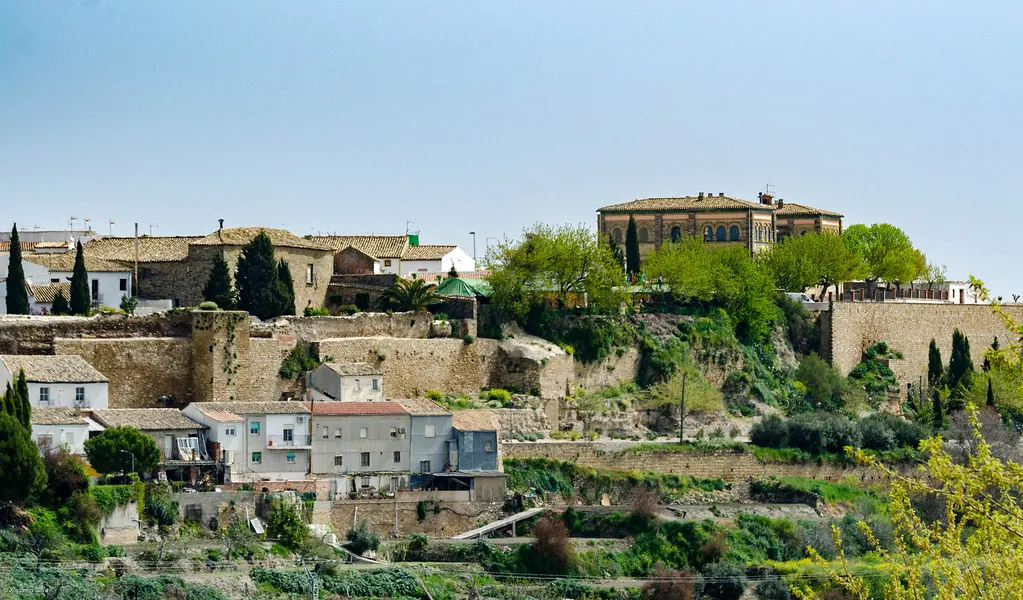
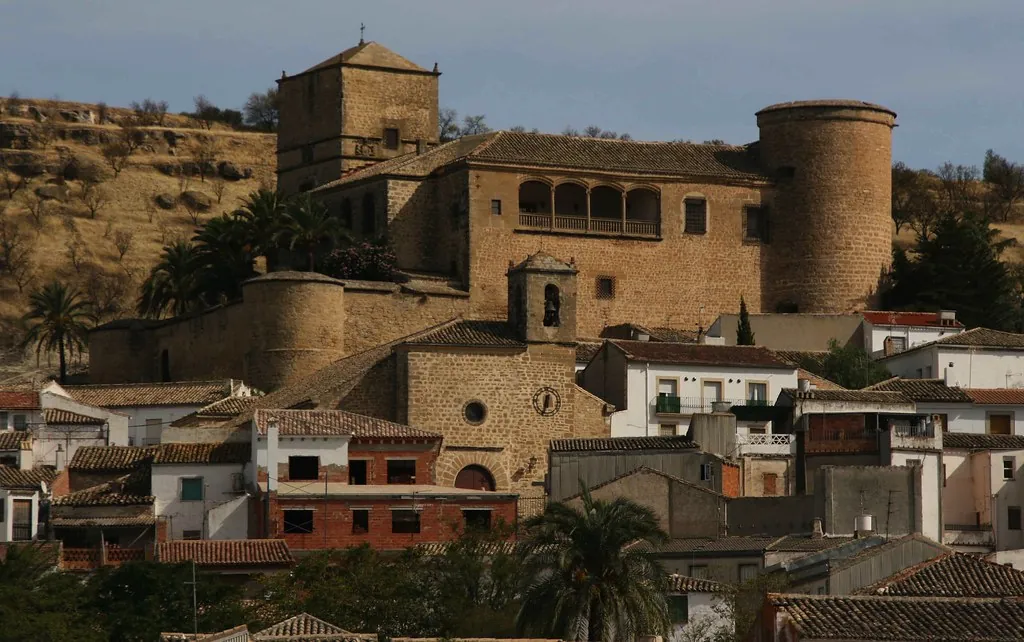
Small La Loma town with a medieval tower declared a Cultural Heritage Site.
Ocultar artículo Leer artículo completo
The tractor blocking the lane is not a traffic jam—it's the morning rush hour. By 07:30 the driver has already rattled through Lupión’s single main street, trailer heaped with damp olives, and disappeared towards the cooperative press outside town. Nothing else moves except a pair of swallows and the smell of fresh bread drifting from the panadería. For visitors schooled on Costa breakfast buffets, the silence feels almost staged.
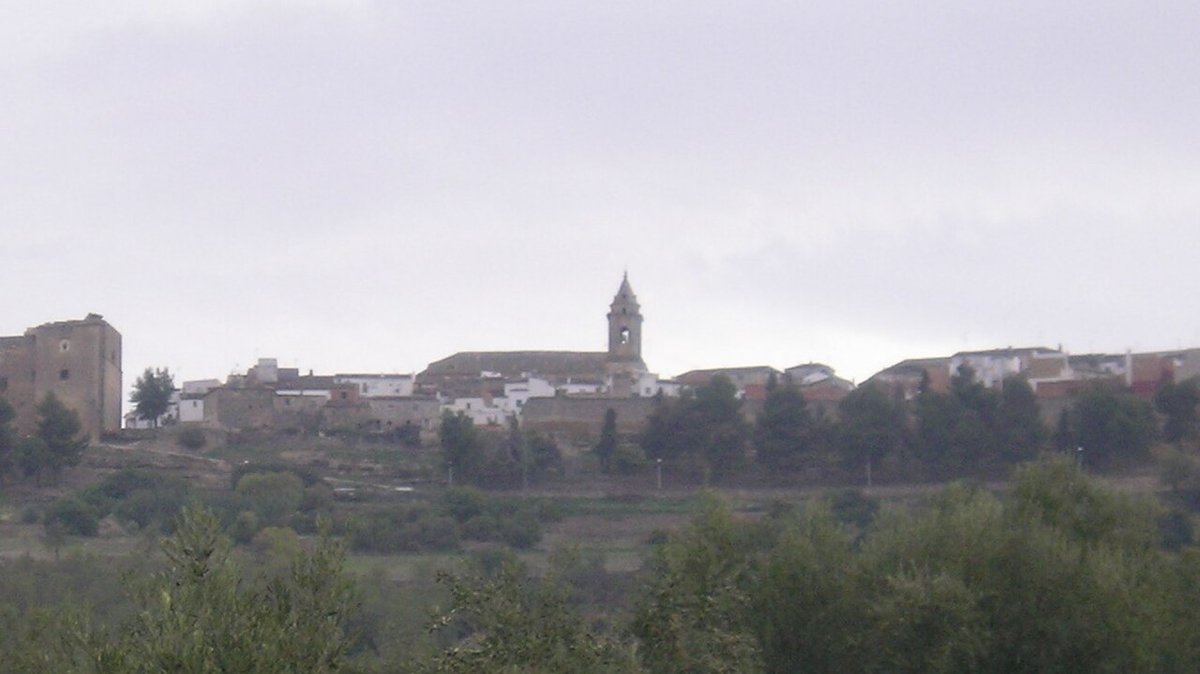
Lupión sits 500 m above sea level on the brow of Jaén’s Loma ridge, 35 km north-east of the provincial capital. The village is surrounded by a single crop that behaves like a tide: 3,000 ha of olive trees surge over every fold of limestone until the horizon buckles. It is agricultural mono-mania on a continental scale, yet the place is too small for Google Street View to bother with side alleys. Population 806, one bakery, two cafés, zero cash machines.
What passes for sights
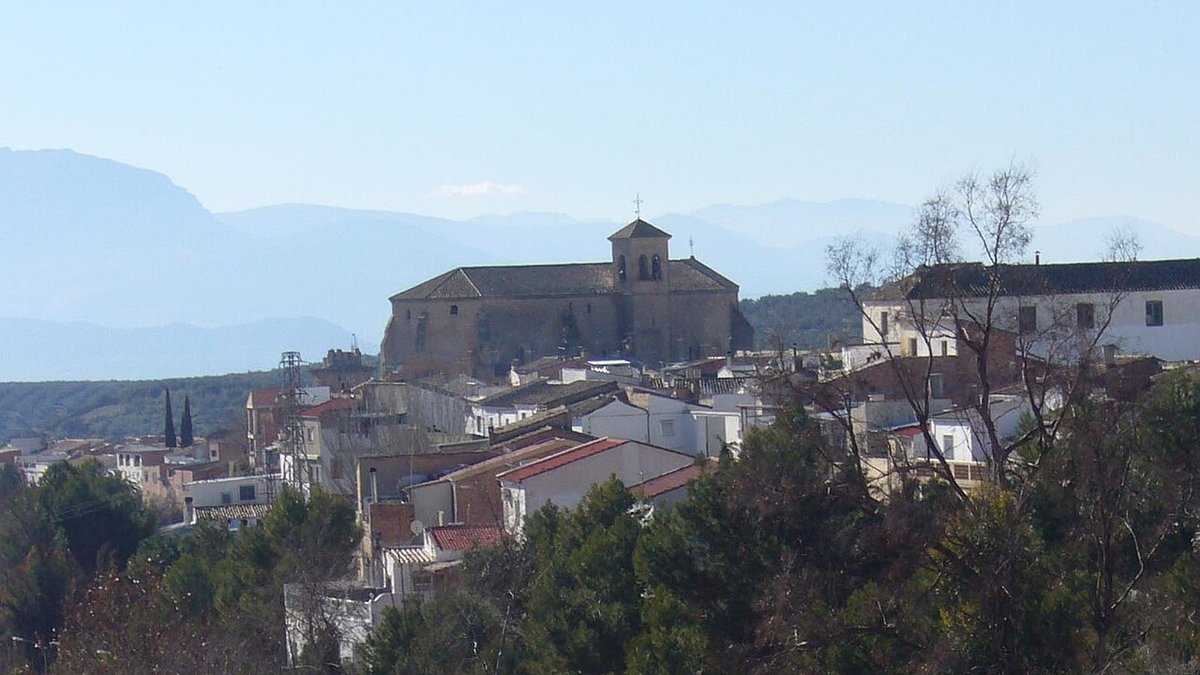
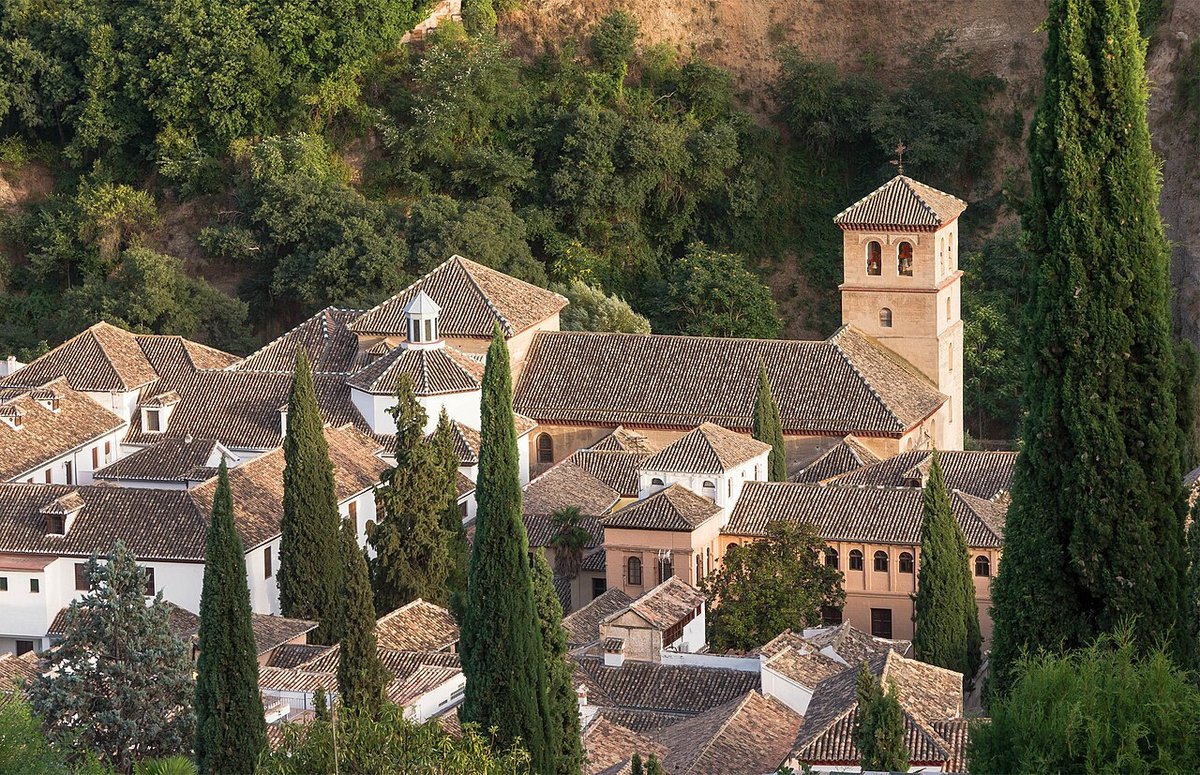
The 18th-century church of San Bartolomé anchors the plaza. Its stone is the same honey colour as the earth, so at dusk the building seems to dissolve into the soil that paid for it. Inside, the air is cool and smells of wax and burnt bay leaves; someone is always replacing the vigil candle. There is no ticket desk, no audio guide, only a handwritten sign asking for one euro towards roof repairs. Drop it in the box and you have funded more conservation than most cathedral gift shops manage in a week.
Beyond the church the grid of alleys unravels in minutes. Whitewash flakes off corners; geraniums occupy olive-oil tins; dogs nap across doorways. Every so often a narrow slot between houses opens onto a natural balcony. From these improvised miradores the true monument becomes visible: the grove itself, its silver undersides flicking from green to grey as clouds pass. Photographs flatten the scale—each apparently tidy row runs for two or three kilometres before meeting the next cortijo.
Eating oil for lunch
Lupión’s cuisine is the crop liquefied. A standard breakfast is toasted village bread rubbed with tomato, showered in salt and anointed with three-second glug of local virgen extra. The oil is so new it catches the back of the throat like peppery cider. Order it in the Bar Central (opens 06:30, closes when the owner feels like it) and they bring the tin to the table so you can adjust the dosage yourself.
Mid-day menus revolve around what the trees allow. Migas—fried breadcrumbs—carry scraps of chorizo and, inevitably, more oil. Gazpacho manchego is nothing like the chilled Andalusian soup; it’s a hot game stew thickened with flatbread and served in the same enamel dish used by labourers in the field. Prices hover round €9 for two courses, bread and a caña of beer. Vegetarians should ask for “gachas” (paprika-spiced porridge) and accept the apology of grated orange on top.
Evening eating is trickier. Both village bars shut their kitchens at 21:00 sharp; after that you are down to crisps and conversation. The nearest restaurants with late tables are in Baeza, 20 minutes by car. Book a table before you leave—taxis back are thin on the ground.
Paths among the ancients
Lupión makes no attempt to brand its footpaths, which is why they stay empty. A farm track sign-posted only “Camino de los Olivares” leaves the top of Calle Real and drops gently towards an abandoned stone mill. After 30 minutes the irrigation channel curls left; follow it another kilometre and you reach a grove of millennium-old trees, trunks swollen like melted candles. Their root systems have swallowed boundary stones; some hollows are large enough to shelter in if the weather turns.
The route is flat, stony and shadeless—wear a hat even in April. In July it is a furnace; locals start walking at 06:00 and finish before the sun clears the ridge. October brings the harvest: tractors block the way, and the air vibrates with the metallic rattle of mechanical shakers. Stand clear; a branch can catapult an olive like a cricket ball.
Cyclists find the same lanes ideal for gravel bikes. Gradient is gentle, surface firm, traffic nil. Carry two bottles—there is no bar until Santo Tomé, 12 km east.
Calendar of noise
For fifty-one weeks Lupión is peaceful. Then the fiestas arrive and the village doubles in size. San Bartolomé, mid-August, means processions at dawn, brass bands that rehearse in the street, and a foam party in the polideportivo that finishes only when the fire brigage hose the teenagers home. Accommodation within the municipality does not exist; visitors bed down in Úbeda or Baeza and drive over for the fireworks.
Late October brings the Fiesta de la Aceituna. An old weighbridge becomes a stage, locals compete to produce the best new oil, and the cooperative offers free tastings from plastic shot glasses. It is the one day of the year the bakery runs out of bread before 09:00.
Spring romerías are gentler. Families load barbecues into trailers, drive two kilometres up the valley and spend Sunday eating, drinking and arguing under the poplars. Outsiders are welcomed provided they bring bin bags and leave the grove cleaner than they found it.
Getting there, staying sane
No train reaches Lupión. The closest railway halt is Linares-Baeza, 28 km away, served once daily from Madrid. From the station a pre-booked taxi costs €35 and must be ordered by Spanish phone—drivers ignore WhatsApp. Car hire is simpler: Granada airport, 55 minutes south via the A-44, usually beats Málaga for queue length despite fewer flights.
Once arrived, park on the southern approach road; the historic core is too narrow for anything wider than a donkey. There is no hotel, no casa rural, no Airbnb inside the village boundary. The nearest beds are in Úbeda (Hotel Rosaleda Don Pedro, doubles from €65) or Baeza (Palacio de los Salcedo, €80). Both make a comfortable base; Lupión works as a morning excursion before the heat builds.
Bring cash—euros only. The nearest ATM is in Begíjar, 7 km down the hill, and it runs dry at weekends. English is not spoken; download an offline Spanish dictionary and learn to pronounce “aceite” (ah-SAY-tay) before you argue about oil quality.
The bottom line
Lupión will not change your life. It offers no ruins to tick off, no beach club, no boutique anything. What it does provide is a working snapshot of rural Andalucía at a moment when many similar villages are hollowing out. Come for the bread and oil at 07:45, walk the grove while the dew still smells of herbs, and leave before the sun makes everything shimmer. You will have seen a place whose timetable is still set by fruit falling from a tree—an increasingly rare commodity, even in Spain.