Full Article
about Rus
La Loma village with a curious Visigothic rock-cut oratory in Valdecanales
Hide article Read full article
An olive tree stands beside the crossroads leading into Rus. Its trunk is twisted, hollowed by time, and local accounts suggest it could be over a thousand years old. It is not an isolated specimen. Here, the olive grove is the landscape; it forms the low, rolling hills and dictates the rhythm of the local calendar.
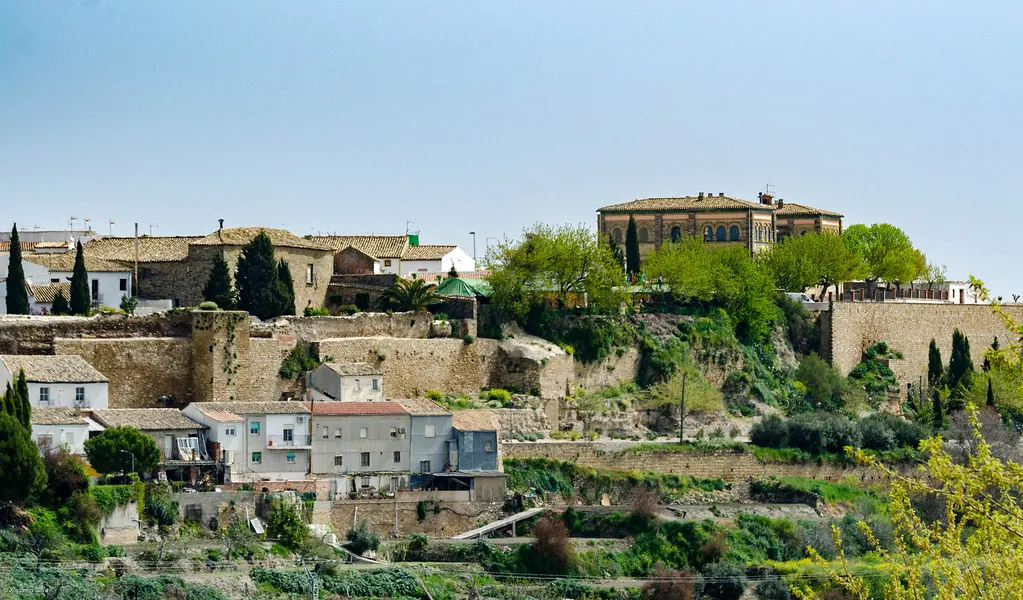
This is La Loma, where the terrain begins to rise toward the sierra de Las Villas. The view from any approach is one of ordered rows, a geometry of grey-green trees following the contours of the land. Rus exists within this pattern.
The Rhythm of the Olive Harvest
Life in Rus has long been set by the harvest. Winter carries the particular scent of freshly pressed oil and the smoke from country chimneys. In many homes, they still make ochíos: small, round breads flavoured with paprika and olive oil, a recipe maintained more through routine than written instruction.
The same applies to gachas. This simple dish of flour, garlic, paprika, and oil belongs to a recent rural past where substantial food fuelled agricultural work. It is not served for celebration, but as a reminder of that daily sustenance.
The Fiesta del Olivo in autumn formally opens the new season. Scattered across the municipality are old trees, some with trunks so thick and contorted their age is evident. A short, signposted path called the Ruta del Olivar Centenario passes several of them. The walk covers only a few kilometres on farm tracks; after rain, the clay soil turns muddy, as you would expect.
The Torreón Árabe and a Strategic Hill
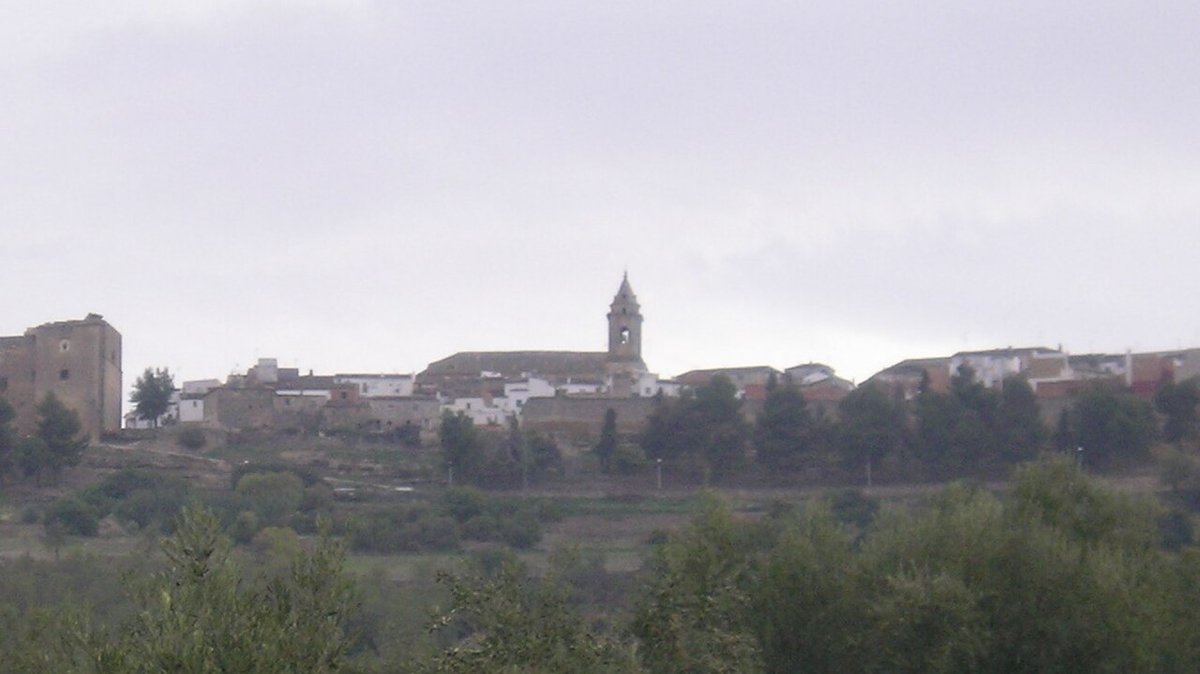
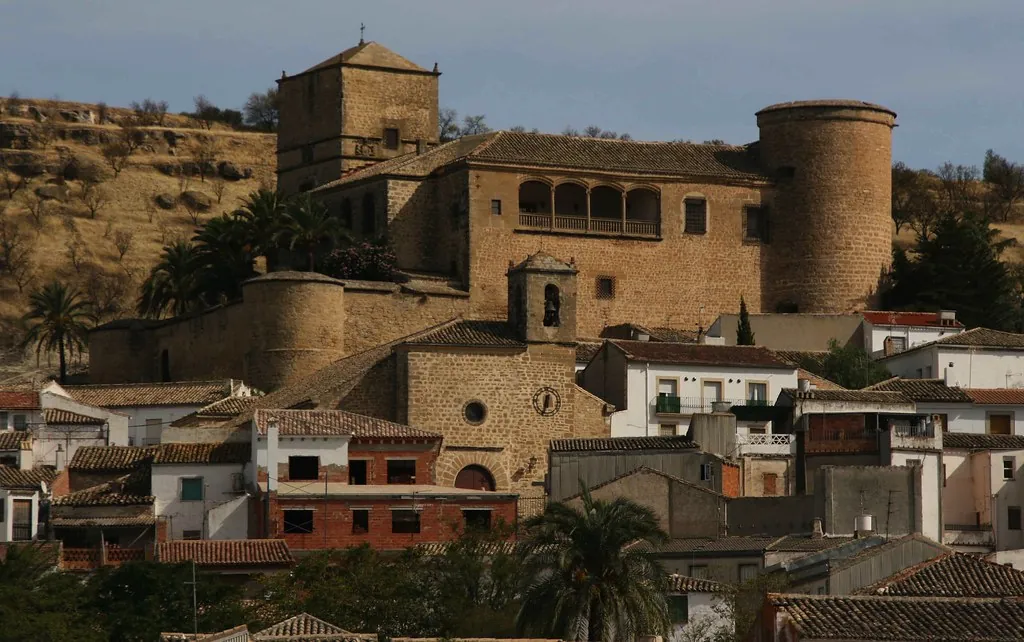
The remains known as the Torreón Árabe occupy the highest hill. It is not a castle. What survives is a tower and sections of wall, enough to understand the site’s purpose: control over the Guadalimar valley and the inland routes of eastern Jaén.
The area saw Roman settlement, likely scattered farmsteads. The name Rus itself is often linked to villa rustica, a term for a productive Roman estate. Later came an Andalusí presence, before the 13th-century campaigns of Fernando III brought it into Castilian territory.
For centuries, Rus fell under the administrative orbit of Baeza, only gaining its own jurisdiction in the 17th century. The tower, modest as it is, places the village within that longer sequence of frontier shifts and rural life.
The Parish Church and a Rock-Cut Oratory
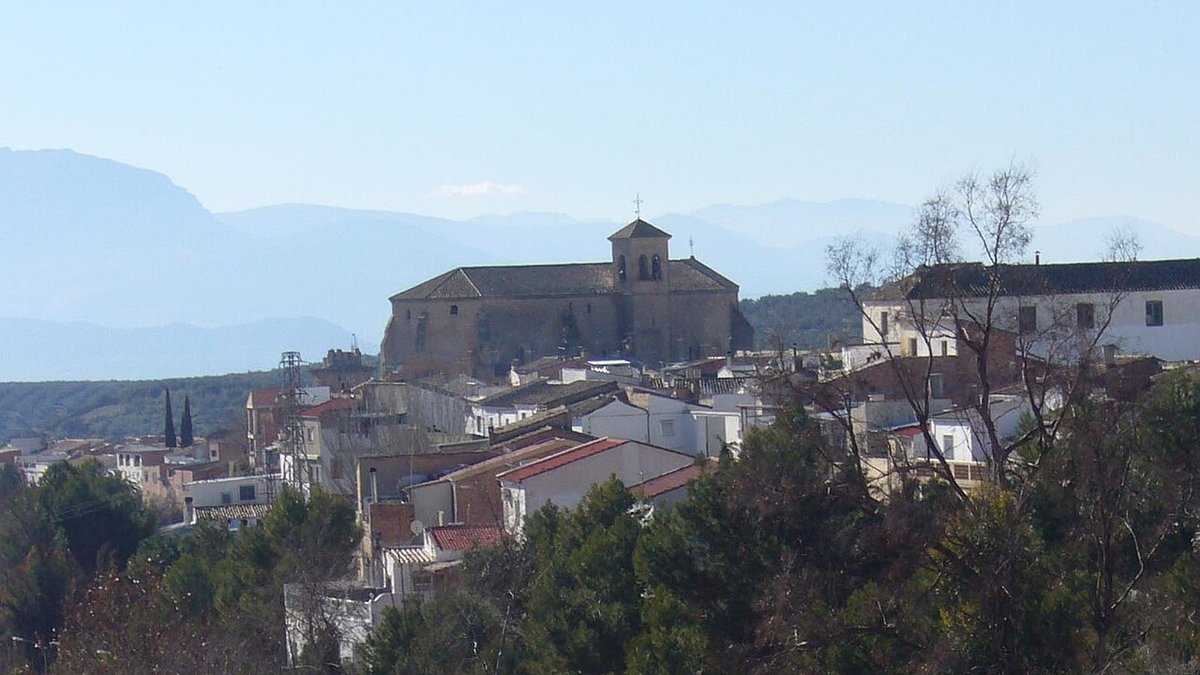
The Iglesia de la Asunción dominates the village centre. The structure dates from the late 15th and 16th centuries, a period of renovation for many parish churches in the region. The interior is restrained; its main altarpiece is notable for adhering to a late Gothic tradition that was becoming uncommon here.
A different kind of site lies a few kilometres away, near the hamlet of Valdecanales: a small oratory carved directly into a rock face. It is generally dated to the Visigothic period, around the 7th century. The space is a simple cavity with a carved altar and symbols etched into the stone.
Such rock-cut chapels are rare in Andalucía. This one is not presented as a grand monument. It sits quietly in the landscape and retains a religious significance for some. A respectful visit is a matter of course.
Local Celebrations and Shared Custom
The festive calendar in Rus follows local custom rather than tourist schedules. One winter night, residents place candles along the streets of the old town. There are no stages or official programmes. People simply step outside and walk through the village by that light.
In January, the fiestas for the patron saint, Nuestra Señora de la Paz, include processions and popular events. A distinctive figure is the Tío del Aguardiente. Dressed in costume, he offers small drinks of homemade liquor in exchange for a verse or a joke from passersby—a tradition neighbours recall from their own childhoods.
These are not spectacles crafted for visitors. They function as they always have: moments of shared identity within the village.
Walking the Village and Its Surroundings
Rus sits in La Loma, between Baeza and the sierras inland from Jaén. You reach it by the roads that connect the olive-growing towns in this area.
The village centre is small and easily walked. The climb up to the Torreón Árabe is straightforward, though in warmer months you should carry water; shade is scarce on the path.
The route past the ancient olive trees is clearly marked and walked independently. For those interested in traditional architecture, look for houses with certain features dating from the early 20th century or before, built from local materials that speak of the available resources of their time.