Full Article
about Sabiote
Walled medieval town that forms the Renaissance triangle with Úbeda and Baeza.
Ocultar artículo Leer artículo completo
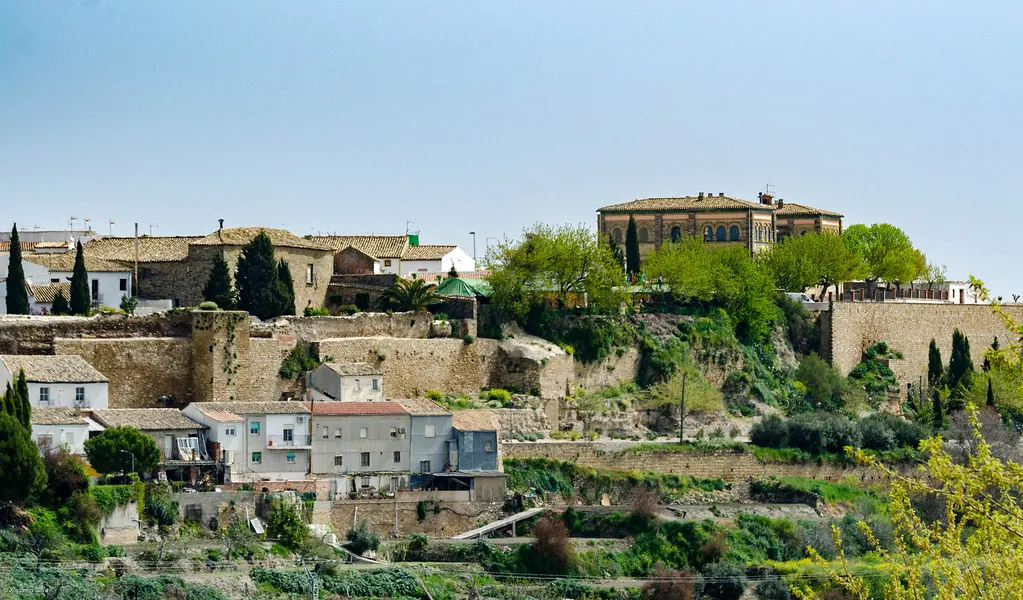
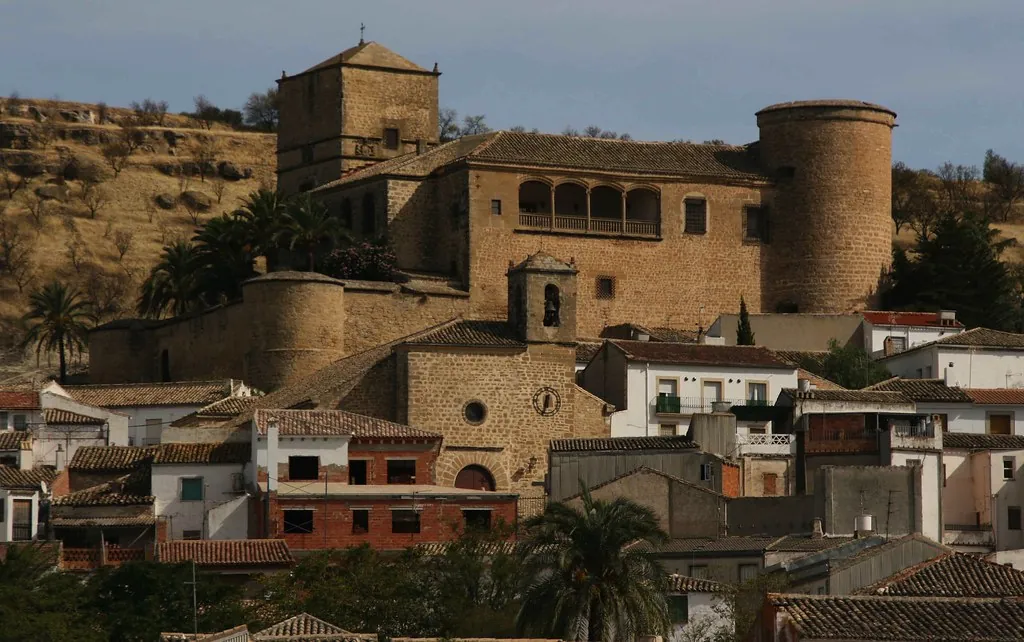
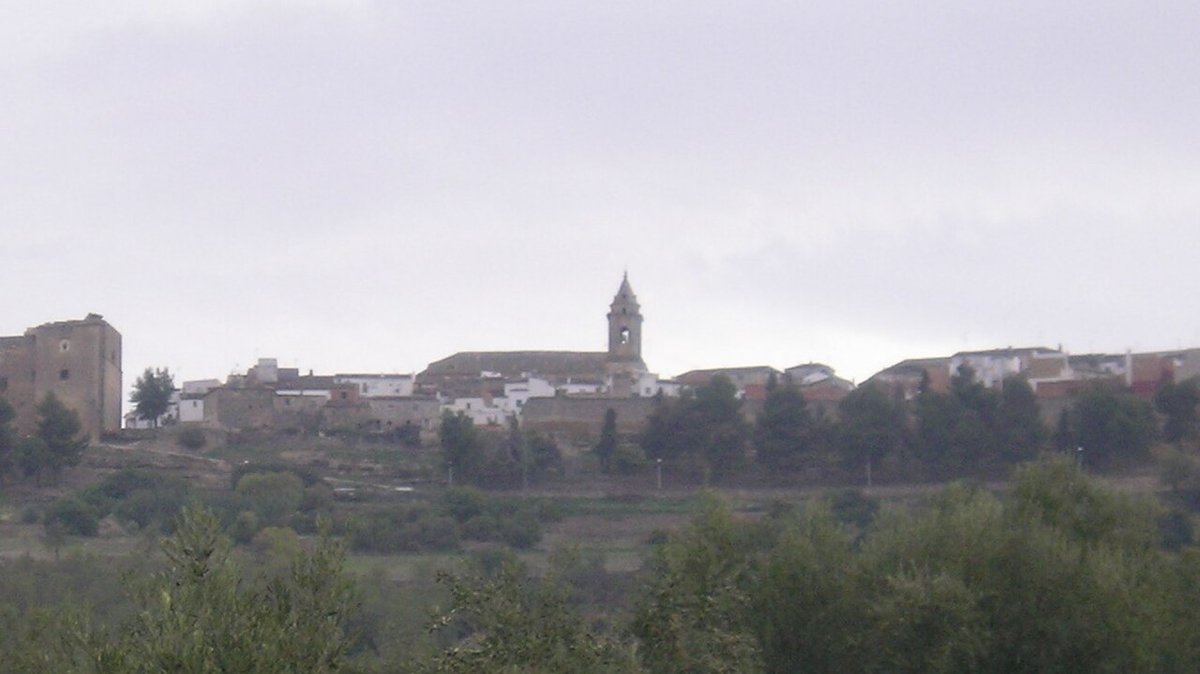
The first thing you notice is the castle wall rising clean above the olive groves, pale stone catching the morning light long before the town beneath it stirs. From the A-32 turn-off it looks almost oversized, as though someone has planted a Tuscan fortress on a sleepy Andalusian hill by mistake. That mismatch sets the tone for Sabiote: a place that once mattered far beyond its present size and still carries the architecture to prove it.
A Fortress with a View and a Problem
Francisco de los Cobos, private secretary to Emperor Charles V, chose this 840-metre ridge for his palace-fortress in 1538. The result is one of the most sophisticated pieces of Renaissance military design in southern Spain: diamond-cut bastions, a dry moat you could lose a bus in, and gun ports angled for cross-fire that would make a modern engineer nod approvingly. Inside, the rooms are surprisingly domestic—wine-cellars with vaulted brick ceilings, a courtyard fountain fed by an underground cistern, even a private chapel where the family could hear Mass without leaving the walls.
The problem is that the castle is now far too big for the town that owns it. Sabiote has 3,800 souls; the fortress could house half of Jaén province. Guided tours (€5, book through the town hall) run twice daily except Monday and feel like wandering round a stone ocean liner that has mislaid its passengers. Ramón, the caretaker-guide, delivers his spiel in rapid-fire Andalusian Spanish, but if you catch him on a quiet day he will switch to enthusiastic English and throw in anecdotes about English Civil War cannon design for good measure. The climb to the battlements is steep and shadeless; go before 11 a.m. or the stone radiates heat like a pizza oven.
Streets Built for Donkeys, Not Hire Cars
Below the fortress, the medieval grid tumbles down the hill in flights of cobbles barely two metres wide. House walls are the colour of diluted mustard, their timber doors painted the traditional green that once denoted Morisco craftsmen. Narrow alleys open suddenly into pocket plazas where elderly men in flat caps play cards under a single lemon tree. Traffic is theoretically forbidden, but delivery vans still squeeze through at walking pace, wing mirrors folded in like nervous cats. Park outside the walls—there is a free gravel strip by the cemetery—and walk; the steepest stretch from the castle gate to the main square takes seven minutes and will remind you how un-British your calf muscles are.
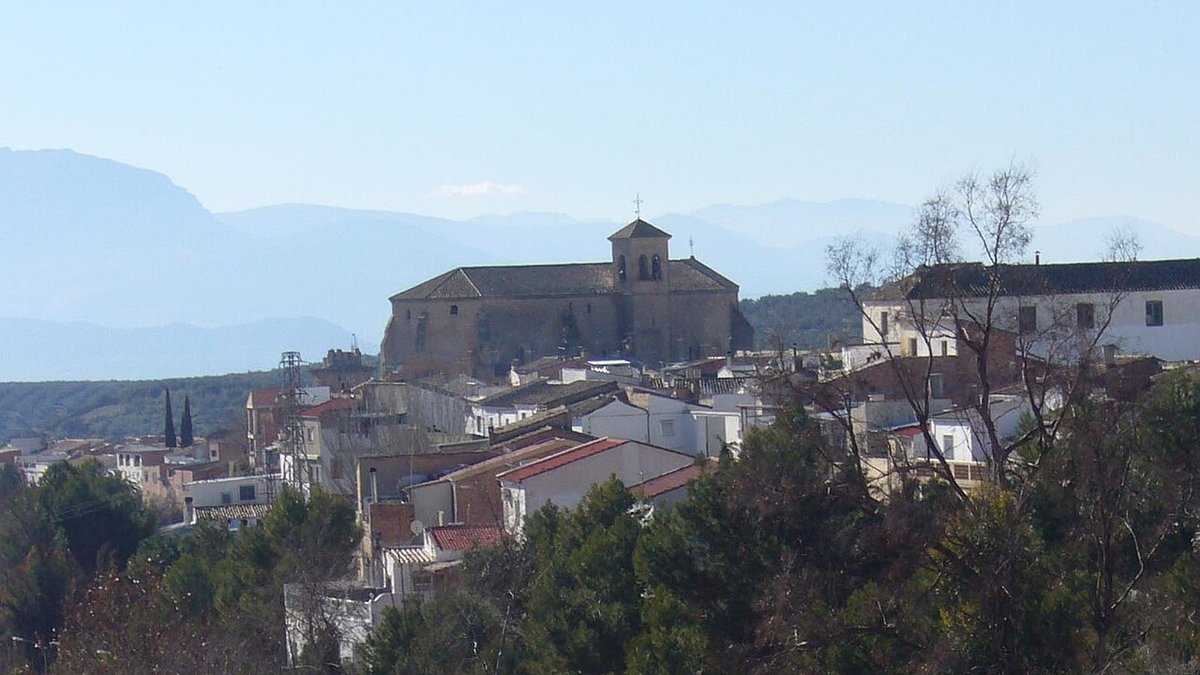
The reward is one of the least theatrical historic centres in eastern Andalucía. Restoration grants have patched roofs and repainted grilles, but they have not ironed out the wrinkles: a 16th-century mansion now houses the doctor’s surgery, its coat-of-arms wedged between a satellite dish and a bike rack; the convent church serves as the village hall, the nuns long gone to Jaén. Tourist tat is refreshingly absent. If you want a fridge magnet you will have to make do with the ironmonger’s selection of door knockers.
Food that Tastes of Olives and Winter
Sabiote sits in the middle of Jaén’s sea of olives—1.8 million trees radiate outwards in every direction—and the cuisine behaves accordingly. Breakfast might be toast rubbed with tomato and topped with a thread of local extra-virgin oil so green it looks radioactive. Lunch could be migas: breadcrumbs fried with garlic, scraps of pancetta and a whisper of sweet paprika, the whole lot mopped up with more bread because carbohydrates are clearly rationed elsewhere. Vegetarians do better than usual: artichokes from the Guadalquivir valley appear in spring, quartered and stewed with peas and mint, then crowned with a poached egg.
Evening menus are short and stubborn. If the chalkboard lists gazpacho jiennense, expect a thick, brick-red soup served warm—more stew than drinkable salad—and designed for nights when the thermometer slides towards single figures. Meat is generally rabbit or pork; fish arrives frozen from the coast 180 km away and is best avoided. Portions are built for people who have spent the day behind a mule, so order one plate and two forks unless you are hiking the Sendero de los Olivos Milenarios afterwards. Prices are stubbornly old-fashioned too: three courses with wine rarely breaks €18.
Walking Among Trees Older than the Castle
That olive trail, way-marked with green and white dashes, starts 200 metres below the castle gate and loops for 7 km through groves that were already mature when the Reyes Católicos took Granada. Some trunks have split into elephantine folds wide enough for a child to hide inside; others lean at angles that would have them felled under modern health-and-safety rules. The route is gently undulating—this is not the Sierra Nevada—but summer sun ricochets off silver leaves and the thermometer can nudge 38 °C by noon. Start early, take two litres of water and remember that shade is theoretical: olives are planted for productivity, not comfort.
Spring brings wild chamomile between the rows and enough green to please anyone homesick for the Cotswolds; autumn smells of freshly pressed oil and wood-smoke from pruning fires. In winter the trail can be yours alone, though a cold easterly straight off the Castilian plateau makes the castle walls feel positively cosy.
When the Town Closes, Úbeda Steps In
Sabiote keeps provincial hours: shops reopen after siesta until 8 p.m., then roll down shutters for the night. Sunday and Monday are virtual ghost days—bars included—so time your visit Tuesday to Saturday if you want supper without a 20-minute drive. The nearest cash machine is nine kilometres away in Úbeda, a UNESCO-listed Renaissance showpiece that makes Sabiote feel like its country cousin. The contrast works: spend the morning admiring Vázquez de Molina palace, then escape the tour-group crush for Sabiote’s evening quiet. Between the two places you can cover world-class art before lunch and hear nothing but crickets after dark.
An Honest Verdict
Sabiote will never compete with the Alhambra for spectacle or with coastal Spain for convenience. The castle tour lasts 45 minutes, the olive walk half a day, and then you are essentially living in a working Spanish village where the evening entertainment is watching old men argue over dominoes. That, of course, is precisely the appeal. Come for the fortress, stay for the bread-and-oil simplicity, and leave before the limited menu and steep lanes turn charm into chore. Two nights is the sweet spot: long enough to feel the stone cool after sunset, short enough to escape before the silence becomes deafening.