Full Article
about Torreblascopedro
A farming village on the Guadalimar plain, known for its cotton and olive crops.
Ocultar artículo Leer artículo completo
The morning tractor rumbles past at half seven, dragging its shadow across whitewashed walls still cool from the night. By eight, the bar on Plaza Andalucía fills with men in work-stained trousers, ordering café con leche in glasses that clink against the zinc counter. This is how Torreblascopedro announces itself—not with a fanfare, but with the dependable cadence of an agricultural day that has barely shifted since the 1950s.
A landscape measured in million olive trees
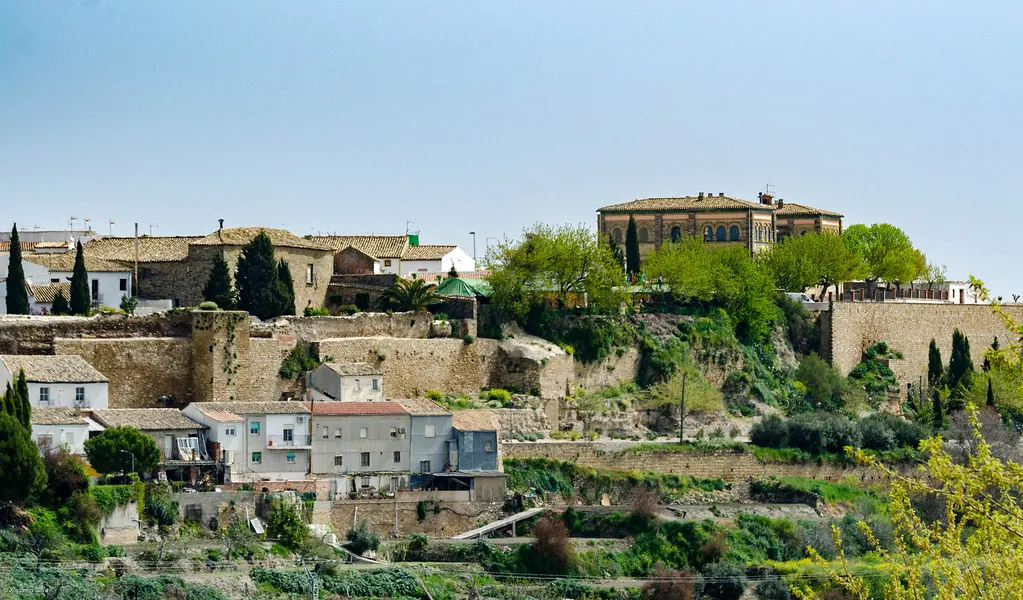
At 336 metres above sea level, the village sits just high enough to survey its own domain: a rolling carpet of olive groves that stretches east until the eye gives up. Jaén province produces roughly twenty per cent of the world’s olive oil, and Torreblascopedro shoulders its share without fuss. Silver-green leaves shimmer in the breeze, turning the hills into low-resolution camouflage; up close you notice the trunks—gnarled, often hollow, occasionally hosting beehives that farmers leave undisturbed in exchange for pollination.
Walking tracks, really just farm access roads, fan out from the southern edge of town. One of the simplest starts opposite the cemetery on the A-6177: a five-kilometre loop past irrigation tanks and stone sheds where plastic nets wait for harvest season. The gradient is gentle, trainers suffice, and February brings almond blossom that flickers white between the olives. You will meet pick-up trucks rather than hikers; lift a hand in greeting and the driver will usually return the salute without slowing—politeness, not curiosity.
Come October the same roads clog with purpose. Teams of seasonal workers swing long, flexible poles called varas, knocking fruit onto woven mats. Mechanical harvesters—looking like inverted umbrellas on tractor mounts—have arrived, yet plenty of smallholders still beat each branch by hand. Visitors are welcome to watch from a distance; step onto private land uninvited and you will hear about it quickly. If you fancy lending a hand, ask inside the Hogar del Pensionista café; they keep a list of farmers who accept day labour in exchange for lunch and a lesson in oil tasting.
Stone, lime and a church that watches everything
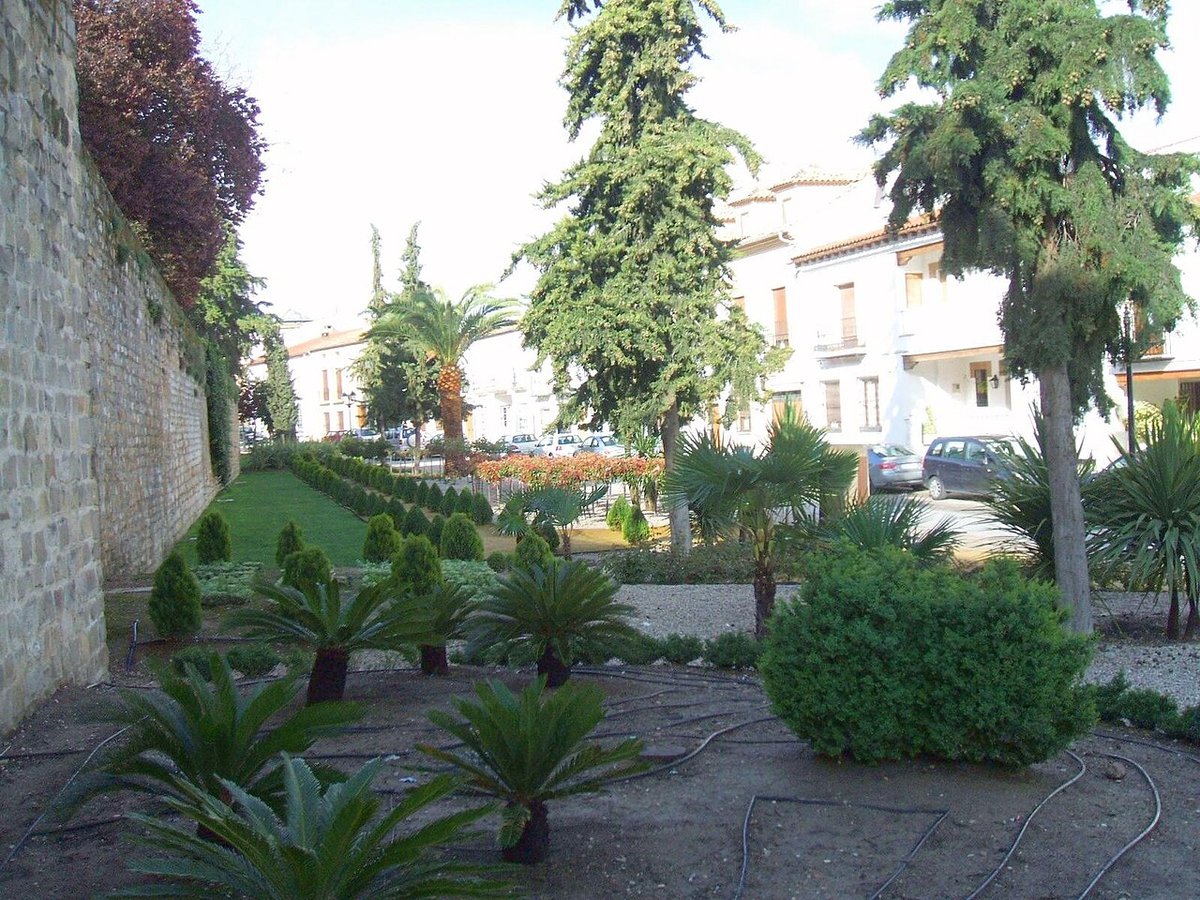
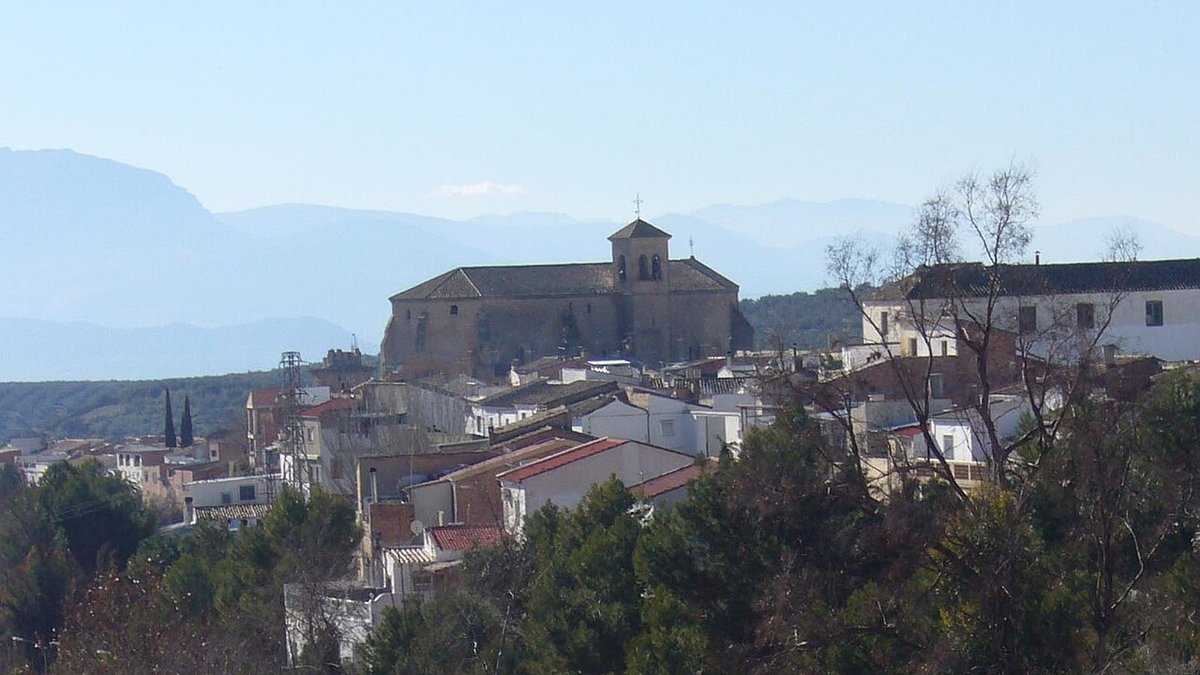
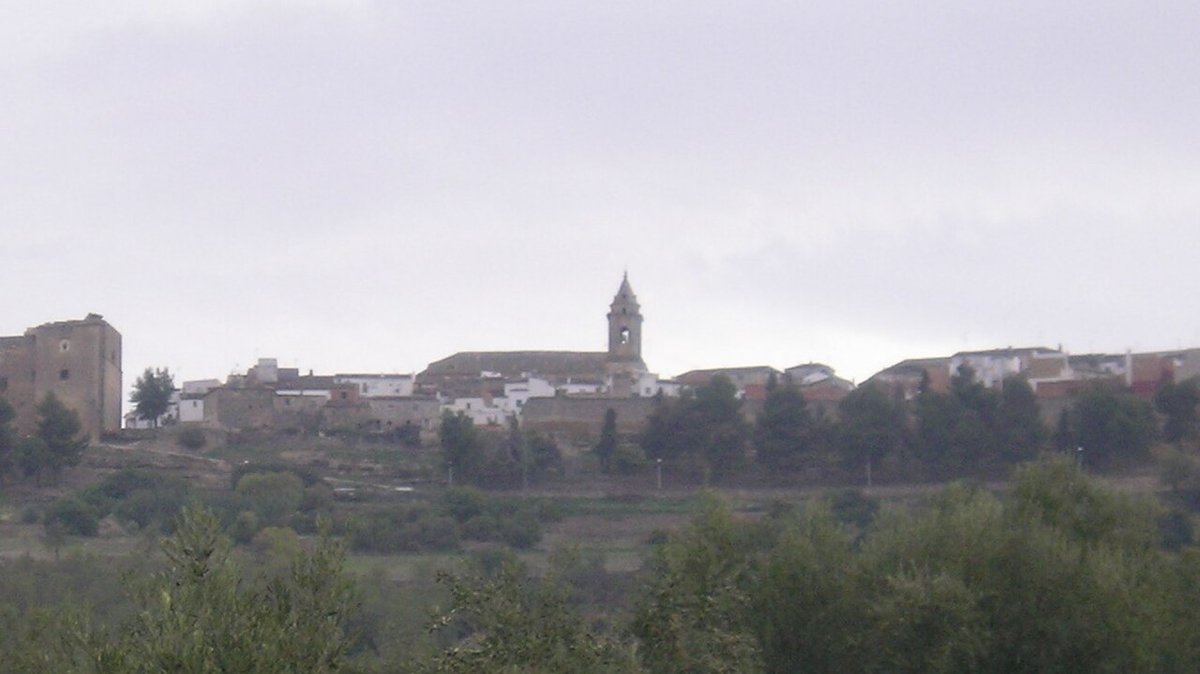
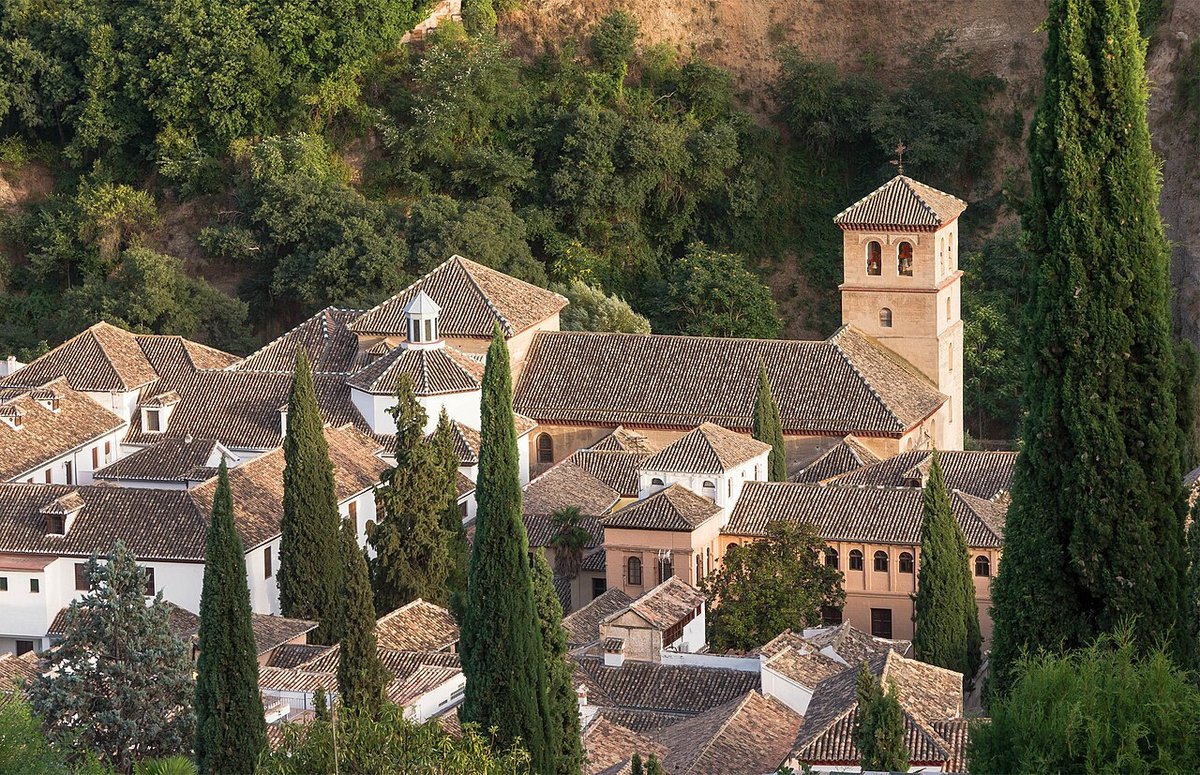
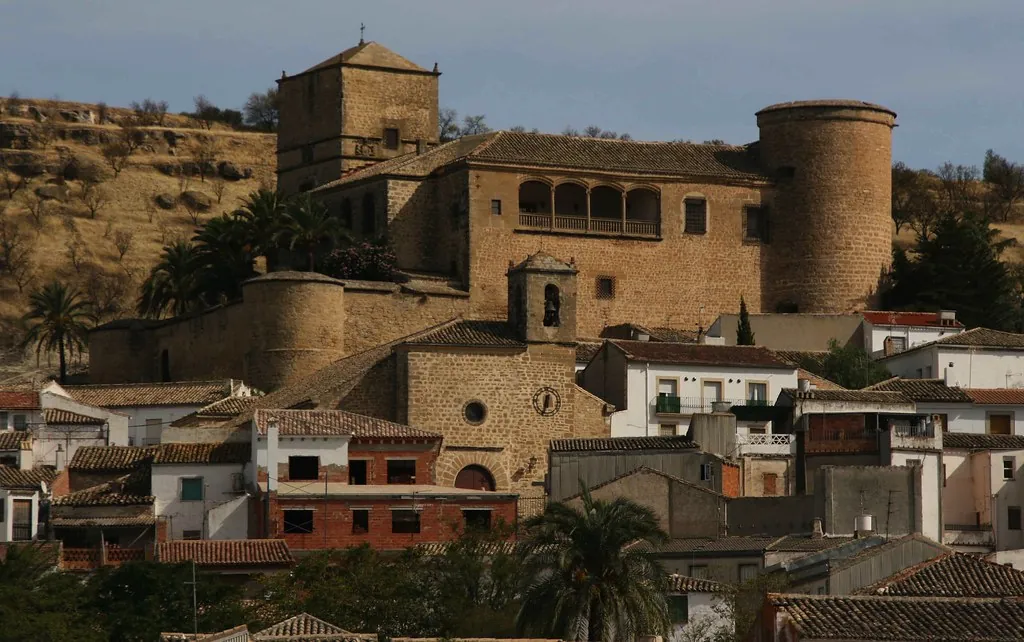
The centre is small enough to cross in six minutes, yet someone has pressure-washed every façade and threaded geraniums through balcony rails. Architecture here is domestic, not grand. The sixteenth-century Iglesia de Nuestra Señora de los Remedios squats at the highest point, its tower more fortress than spire, a reminder that North African raiders once rowed up the Guadalquivir and inland streams. Inside, Baroque retablos glitter dimly; lights switch on automatically when you enter, then fade after three minutes, so stand still and let the gilt emerge from semi-darkness. Donations feed a box by the door; a two-euro coin keeps the bulbs glowing longer.
Side streets taper to single-file width. Doorways hide tiny shrines—Mary in a frock of hand-sewn beads, or a ceramic pilgrim left as thanks for a safe harvest. Notice the stone jambs: many carry a shallow carved notch. Farmers used them to sharpen scythes on the way to the fields; centuries of metal have scooped gentle arcs into the limestone. It is history you can run a thumb across.
Oil in the kitchen, oil in conversation
Food is olive-oil forward, naturally, but not precious. At Restaurante El Paraíso on Calle Real, the waiter sets down a complimentary plate of tostadas—country bread rubbed with tomato, sprinkled with salt, drowned in oil the colour of early grass. Order the gazpacho de invierno, a thick stew of beans, pork rib and spinach that has nothing to do with chilled tomato soup. Migas—breadcrumbs fried with garlic, pepper and scraps of chorizo—arrive in a mound the size of a cricket ball; you will not need supper afterwards. House wine comes from Montilla, twenty-five kilometres south, poured chilled even in January. Expect to pay €12-15 for three courses; bread and cover charge add another €1.80.
If you prefer grazing, the Hogar del Pensionista opens at six in the morning and keeps serving until the last customer leaves, sometimes eleven at night. Pensioners dominate the front tables, but nobody minds tourists wedged in the corner. A glass of beer and a toasted sandwich of morcilla (blood sausage) costs €2.60; bring small change because cards make the owner frown.
When the village lets its hair down
Festivities bookend the agricultural cycle. The Fiesta de la Remedios, first weekend of August, bloats the population fourfold. Brass bands march at midday heat, a risky endeavour; ambulances follow at a discreet distance. Night-time verbena dances spill across the main road—police simply close the tarmac and traffic diverts through back lanes. Book accommodation early; locals rent spare rooms and prices double. Arrive without a reservation and you may find yourself offered a sofa in return for helping carry ice buckets.
Autumn brings the Fiesta del Olivo, usually the last Sunday of November. An open-air press demonstrates how paste becomes liquid; children queue for churros dunked in fresh oil, while agronomists lecture anyone who will listen about polyphenol counts. It is the best free breakfast in Andalucía, though you will leave smelling faintly of truffles and cut grass.
Getting there, staying over, coping with closure
No train reaches Torreblascopedro. From the UK, fly to Málaga, collect a hire car and head north on the A-45, then the A-4 towards Madrid. Exit at junction 292, follow the JA-6200 for twelve minutes; olive rows tighten until houses appear. A bus leaves Jaén city once daily at 14:15, returning at 07:00 next morning—fine for an overnight, useless for a day trip.
Accommodation fits the modest scale. Casa Rural Los Olivos offers three doubles around a courtyard; €65 mid-week, €85 at weekends, breakfast an extra €6. Kitchenette facilities mean you can self-cater when restaurants close—usually Tuesday evening and all day Wednesday outside high season. Check before you arrive; nothing is more dispiriting than shutters down in a village that feeds early.
Phone signal can vanish inside thick stone walls; WhatsApp voice notes stutter, so text instead. Cash remains king for purchases under €10; the solitary ATM beside the town hall sometimes runs dry on Saturday night—stock up in Jaén if you arrive late.
A parting shot, not a sales pitch
Torreblascopedro will not change your life. It offers no infinity pool, no Michelin star, no souvenir beyond a bottle of peppery oil that may be confiscated at hand luggage control. What it does provide is a calibration point: a place where modern noise dims and the calendar still depends on rainfall and ripeness. Spend twenty-four hours here and you might find yourself listening for the next tractor, not the next notification.