Full Article
about Úbeda
Jewel of Andalusian Renaissance, declared a World Heritage Site; known for its palaces and monumental squares.
Hide article Read full article
Úbeda no es un pueblo, es una declaración de intenciones
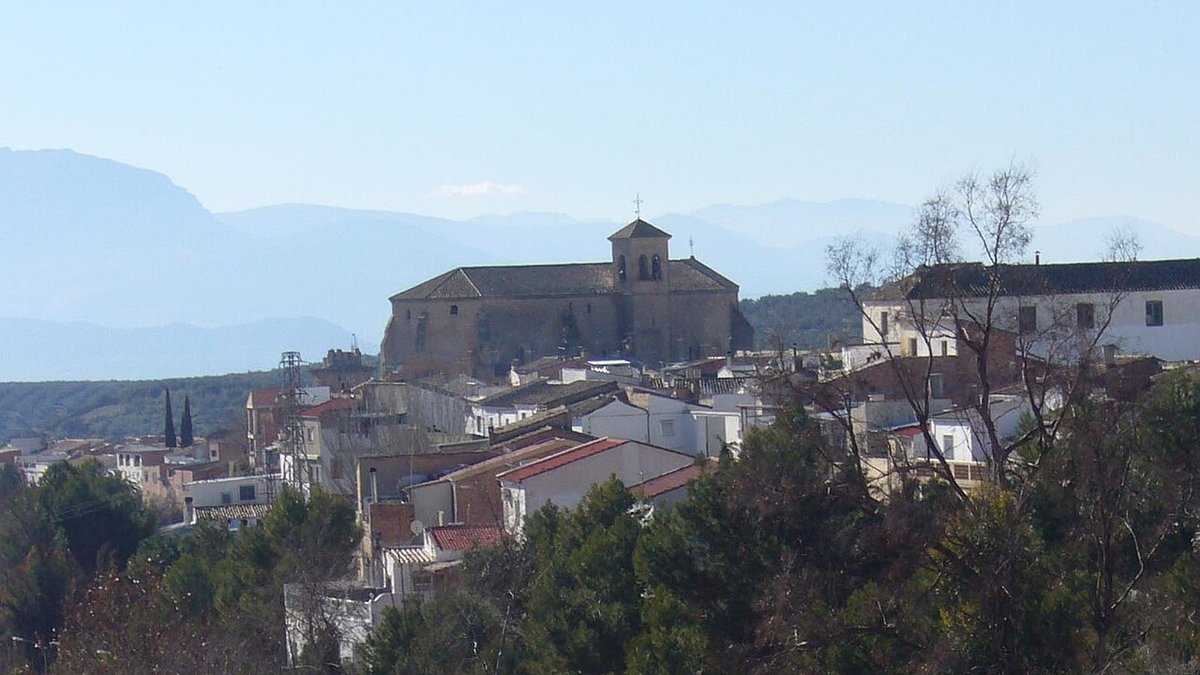
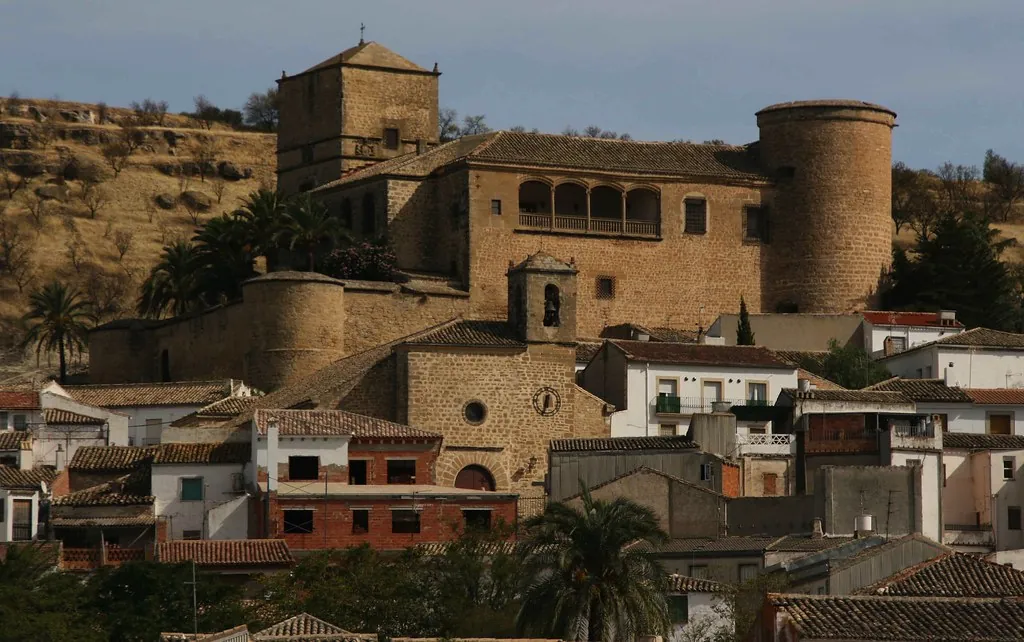
Conducir por Jaén es un bucle infinito de olivos. Kilómetros y kilómetros de un mar plateado y ordenado. De repente, el paisaje se corta en seco y aparece esto: un trozo de piedra dorada que no tiene nada que ver con lo que acabas de dejar atrás. No es una transición. Es como si alguien hubiera plantado un pedazo del Renacimiento italiano en mitad del campo andaluz y dijera "aquí me quedo".
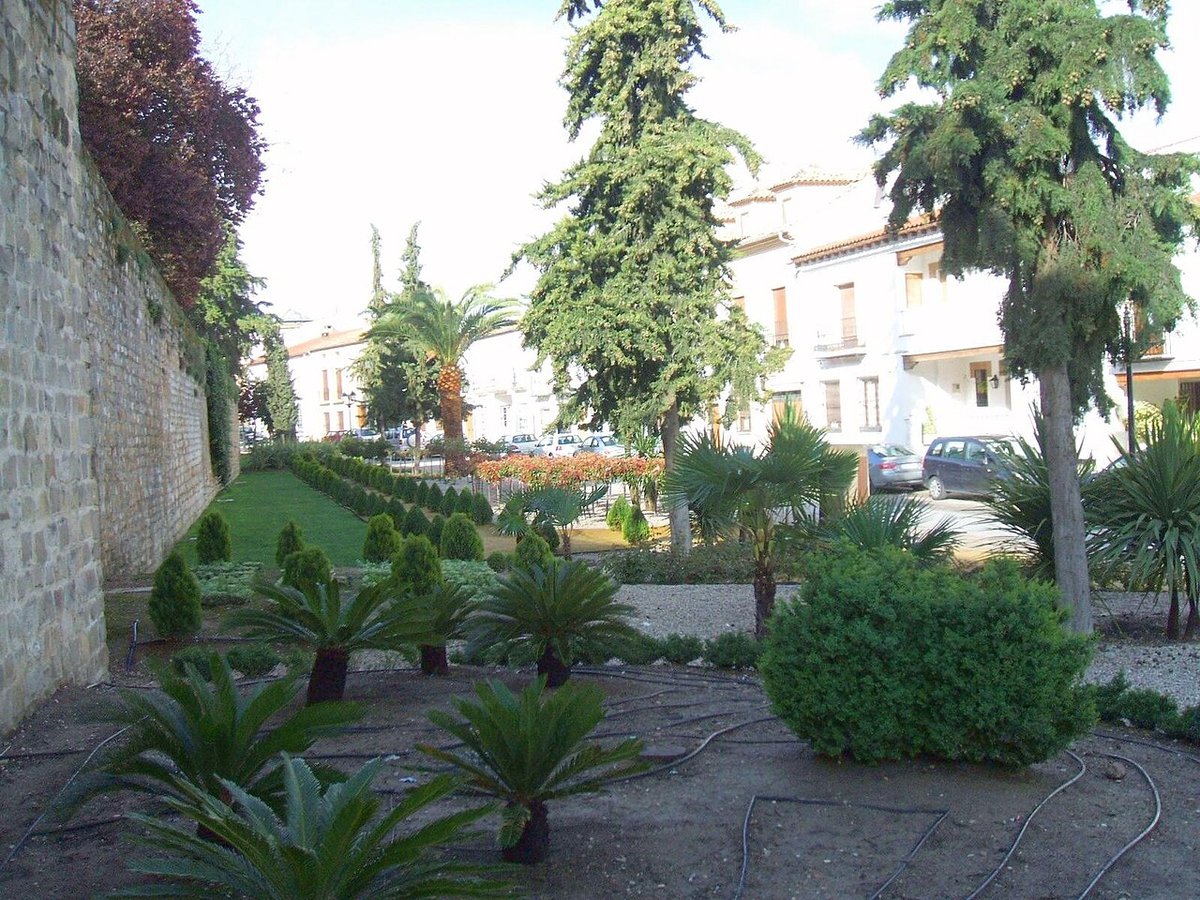
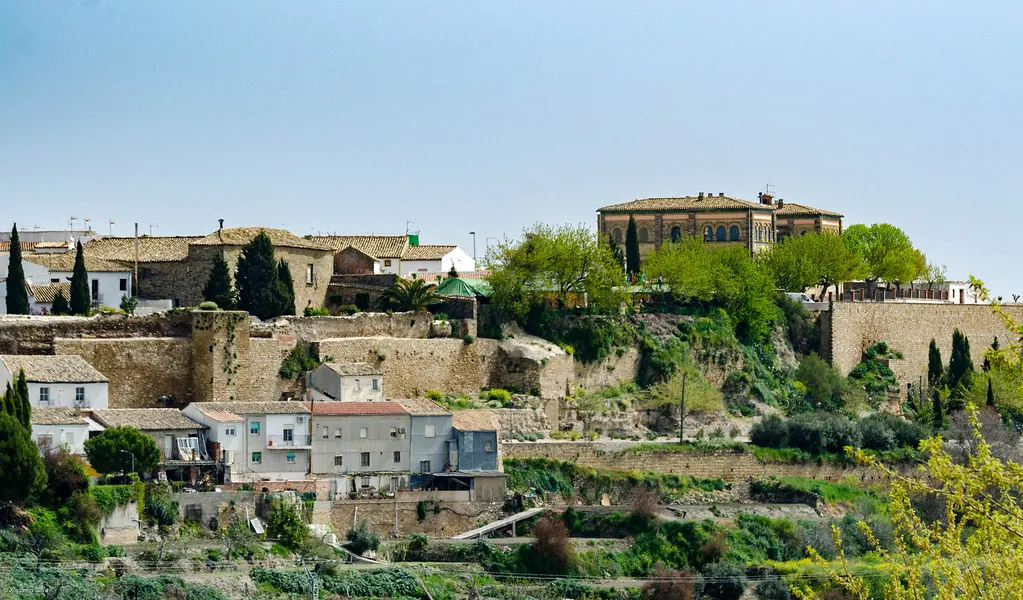
Sube al Mirador del Valle, junto a la muralla. La vista lo explica sin palabras. A un lado, la ciudad perfecta, tallada en esa piedra de miel. Al otro, La Loma, una meseta tan dedicada al olivo que parece una sola finca gigante. Úbeda nace de ese contraste.
Un tipo con influencia y su arquitecto de cabecera
Todo esto pasó porque un ubetense llamado Francisco de los Cobos le cayó bien al emperador Carlos V. Conseguir ser su secretario en el siglo XVI era como ganar la lotería del poder. Y en vez de comprarse un yate, trajo a Andrés de Vandelvira, el arquitecto de moda, para remodelar su ciudad natal.
Su trabajo se ve sobre todo en la Plaza Vázquez de Molina. No parece una plaza, parece una composición musical en piedra. Cada edificio intenta ser más elegante que el anterior.
Ahí está la Sacra Capilla del Salvador. No es una iglesia cualquiera; era el panteón privado de la familia Cobos. Piensa en el nivel: mandas construir tu propia capilla monumental para la eternidad y la pones justo donde luego todo el mundo va a sacar fotos. Eso era tener ambición.
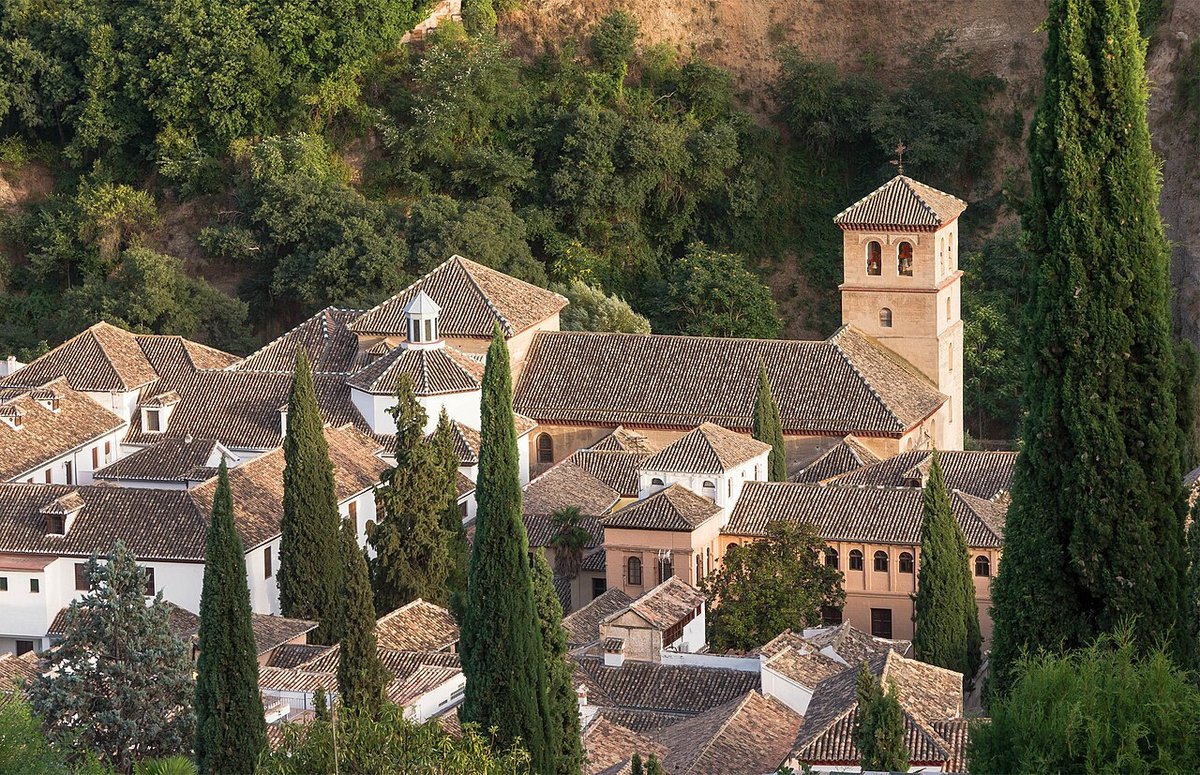
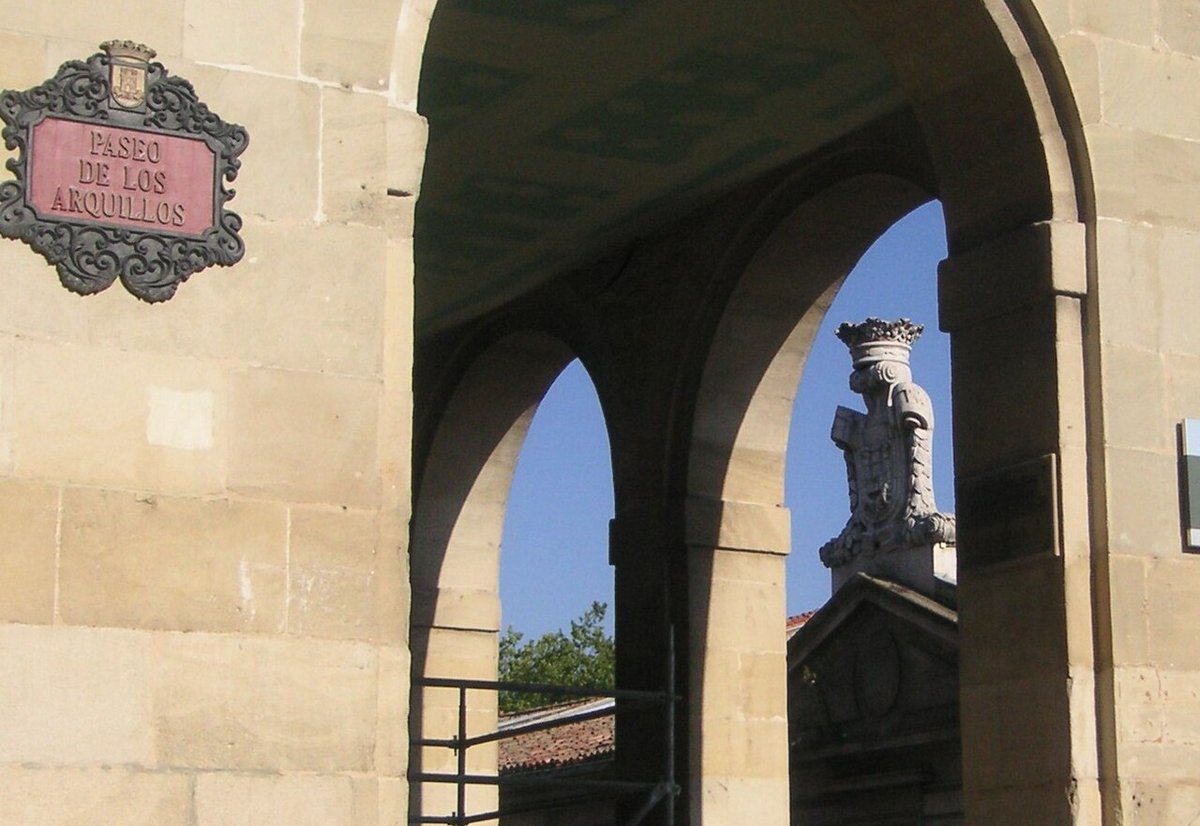
Lo curioso es cómo esta grandiosidad se mezcla con lo cotidiano. Pasas por la Puerta de Granada y a los cinco minutos estás viendo palacios con escudos enormes y chimeneas apiladas como coronas de piedra. La densidad de monumentos llega a resultar casual, como si fuera normal.
Un dato práctico: Úbeda está a 750 metros. En verano, el sol pega duro y esa piedra dorada acumula calor para soltarlo toda la tarde. Llevar agua no es un consejo, es sentido común.
Comer bien sin darle muchas vueltas
La comida aquí no necesita complicarse. Funciona con producto bueno y punto. La pipirrana local lo demuestra: tomate que sabe a tomate, cortado grueso, con aceite picante y orégano.
Pides una caña y la tapa tiene sustancia. Es común que te traigan ochío, un pan plano con aceite y pimentón que parece simple pero llena más de lo que aparenta.
Lo que hay cambia con el calendario: empanadillas de vigilia en primavera, dulces específicos para ciertas fiestas... las cartas siguen el ritmo local, no solo al turista.
Mi recomendación es ajustarte a su tempo. Muchos bares del centro atienden a vecinos y visitantes por igual, pero con el ritmo pausado de una ciudad pequeña. El servicio es tranquilo. Si repites en el mismo sitio dos días seguidos, puede que hasta te reconozcan.
Semana Santa: primero llega el sonido
Si coincides con estas fechas, entenderás cómo el diseño de Úbeda define la experiencia. Por sus calles estrechas y empedradas, el sonido viaja mucho antes que las imágenes.
Primero oyes el retumbar grave de los tambores rebotando en las paredes de piedra. Luego llega el roce de cientos de pies sobre los adoquines, o el olor a cera derretida procedente de una esquina que aún no ves.
No hace falta ser religioso para captar algo ahí; basta con ver desde una puerta cómo ese espectáculo lento se despliega frente a ti.
Otras fiestas cambian completamente el ambiente. Las Cruces de Mayo llenan plazas y rincones con cruces cubiertas de flores y serrín teñido. Se siente vecinal: gente charlando en la calle, música saliendo de algún sitio... Es ese tipo celebración sencilla que aún existe en ciudades así.
¿Un día o dos?
Puedes ver Úbeda en un día claro que sí: las plazas principales, las iglesias grandes... También te irás con la sensación rara haber hecho solo un resumen rápido.
Quedarte a dormir cambia las cosas Por la mañana temprano la luz sobre esa piedra es distinta tienes las calles casi para ti solo Un buen paseo empieza siempre en Plaza Vázquez Molina sigue por Calle Real e implica asomarte cada monumento cuya puerta esté abierta
Un lugar vale buscar Sinagoga Agua Apareció durante unas reformas 2007 son varias salas subterráneas época judía incluye baño ritual mikveh Es recordatorio tranquilo bajo este escaparate renacentista hay capas más antiguas menos perfectas
Si necesitas estirar piernas Camino Natural Loma empieza justo borde pueblo Los senderos son planos te meten directamente esos olivares infinitos La escala impresiona también expone mucho Lleva agua gorra respeto sol andaluz
Entonces ¿para quién es?
Seamos claros Buscas marcha nocturna después medianoche esto no tu sitio Si tu centro histórico ideal laberinto medieval callejuelas entonces Baeza cercana hace mejor Está quince minutos distancia se siente como versión más íntima tranquila Úbeda
Úbeda funciona cuando adoptas su ritmo Pasear Mirar hacia arriba fachada tallada Decidir patio palacio cual entrar Sentarse comer sin mirar reloj Tiene suficiente sustancia para llenar tiempo sin necesidad agobiarte