Full Article
about Antas
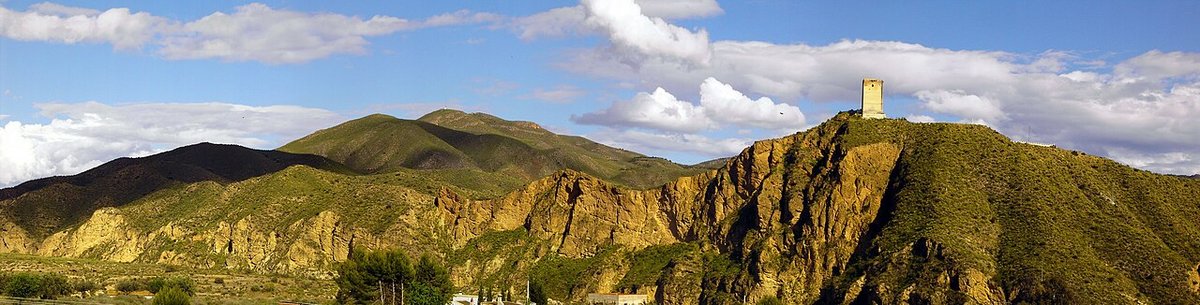
Municipality with rich Bronze Age archaeology; intensive farming and semi-arid landscape.
Ocultar artículo Leer artículo completo
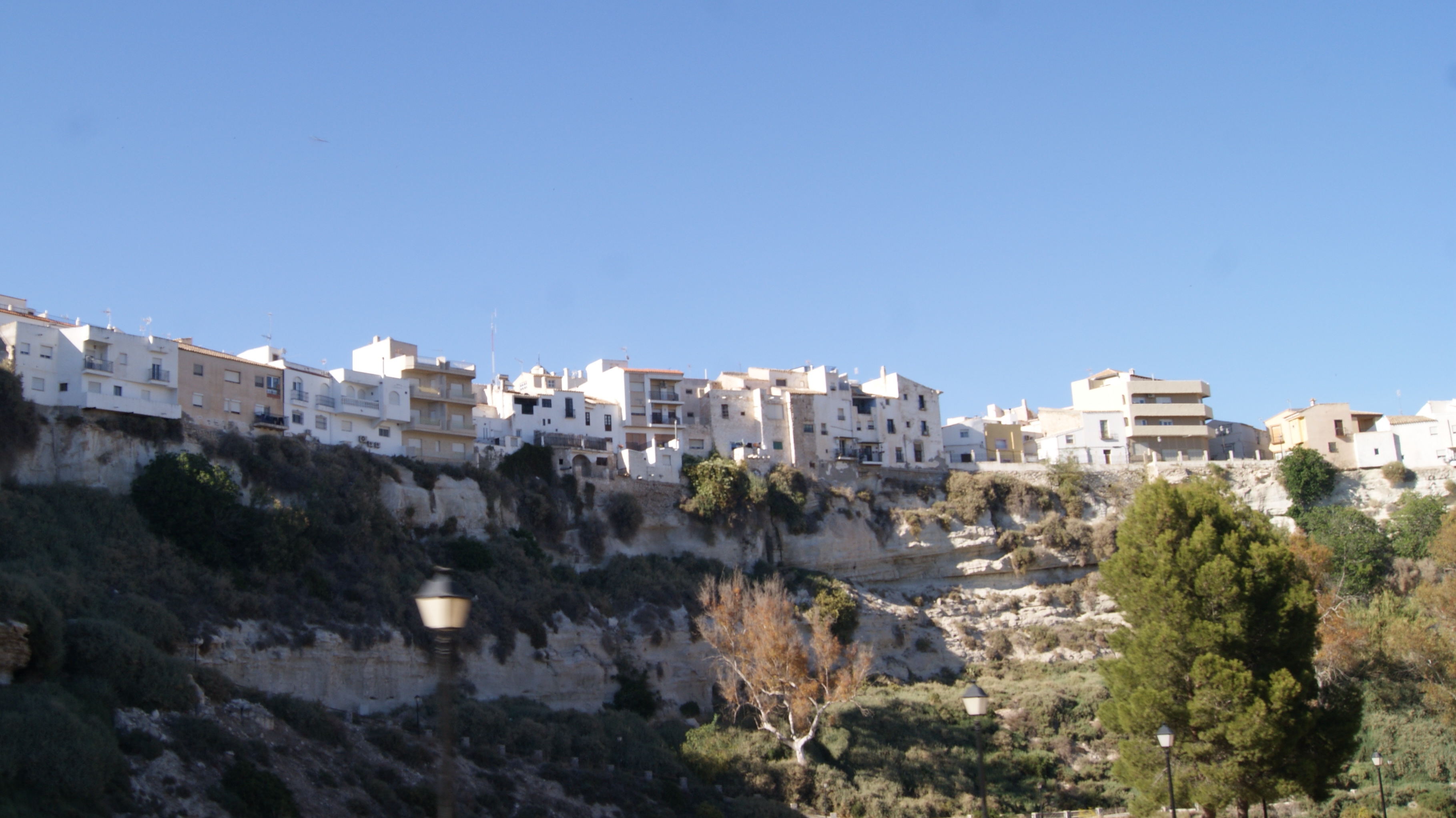
The morning sun catches the white-washed walls of Antas at an angle that makes the entire village glow, while the scent of orange blossoms drifts across the vegas of the Almanzora River. This isn't the Spain of package holidays or flamenco shows. It's something far rarer: a working agricultural town where farmers still stop for coffee at 10am sharp and the local bar knows whether you take your beer with or without tapas without asking.
At just 108 metres above sea level, Antas sits comfortably in the warm embrace of Almería's interior, far enough from the coast to avoid the worst tourist excesses but close enough that the Mediterranean's moderating influence keeps temperatures bearable. The village spreads across the fertile floodplain like a farmer's market garden, its 5,000 inhabitants maintaining a way of life that has changed remarkably little since their grandparents' time.
The Rhythm of the Fields
The agricultural calendar governs everything here. February brings the almond blossom, transforming the surrounding hillsides into clouds of pink and white. By April, the citrus harvest is in full swing, with tractors loaded with oranges and lemons rumbling through the narrow streets towards the cooperative packing plant on the town's outskirts. The summer months see the fields of tomatoes and peppers irrigated by the intricate network of channels that have drawn water from the Almanzora for centuries.
This connection to the land permeates daily life. The Friday market isn't a tourist attraction but a serious shopping expedition for locals who've travelled in from scattered cortijos. Stalls sell work boots alongside pyramids of locally grown vegetables, and the queue at the cheesemonger's stretches back twenty metres because everyone knows this is when the fresh queso de cabra arrives from the mountains.
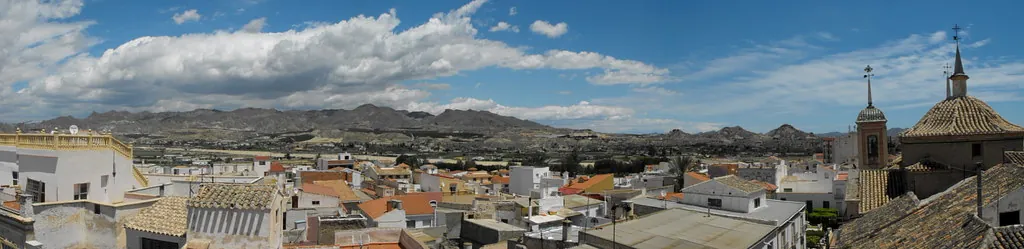
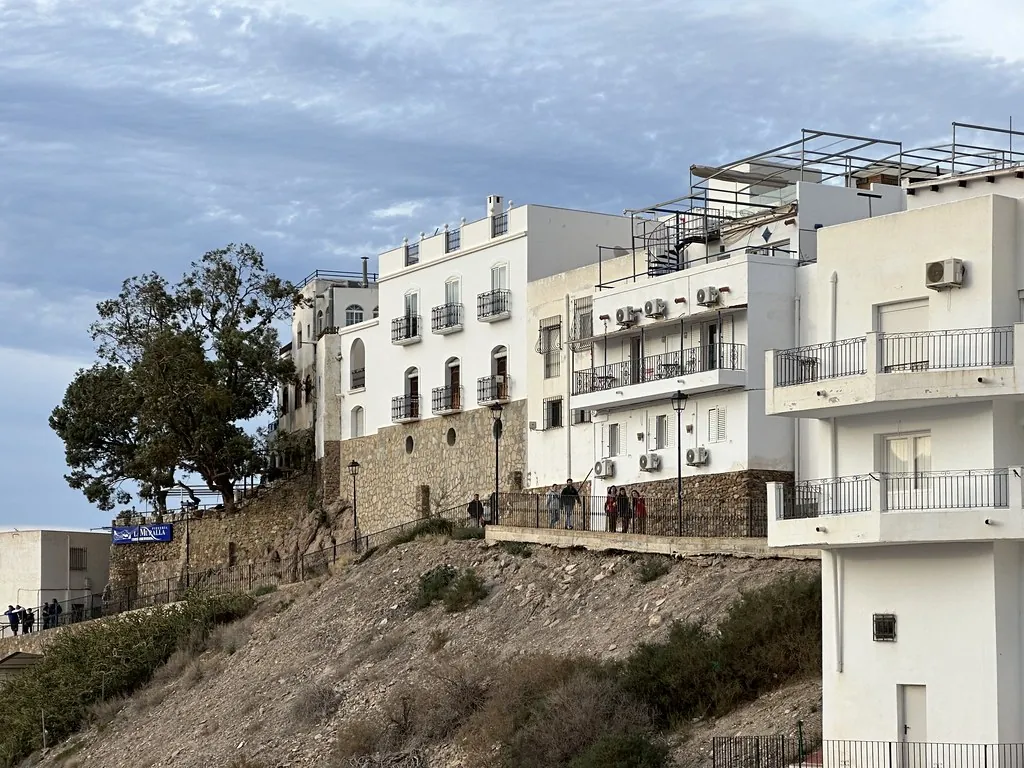
The village's architecture reflects this pragmatic approach to life. Houses are built around interior courtyards that provide shade and catch any breeze moving across the plain. Windows are small and shuttered against the fierce summer heat, while doorways are large enough to allow a donkey and cart to pass through – though these days it's more likely to be a quad bike towing a trailer of irrigation pipes.
Beyond the Plaza
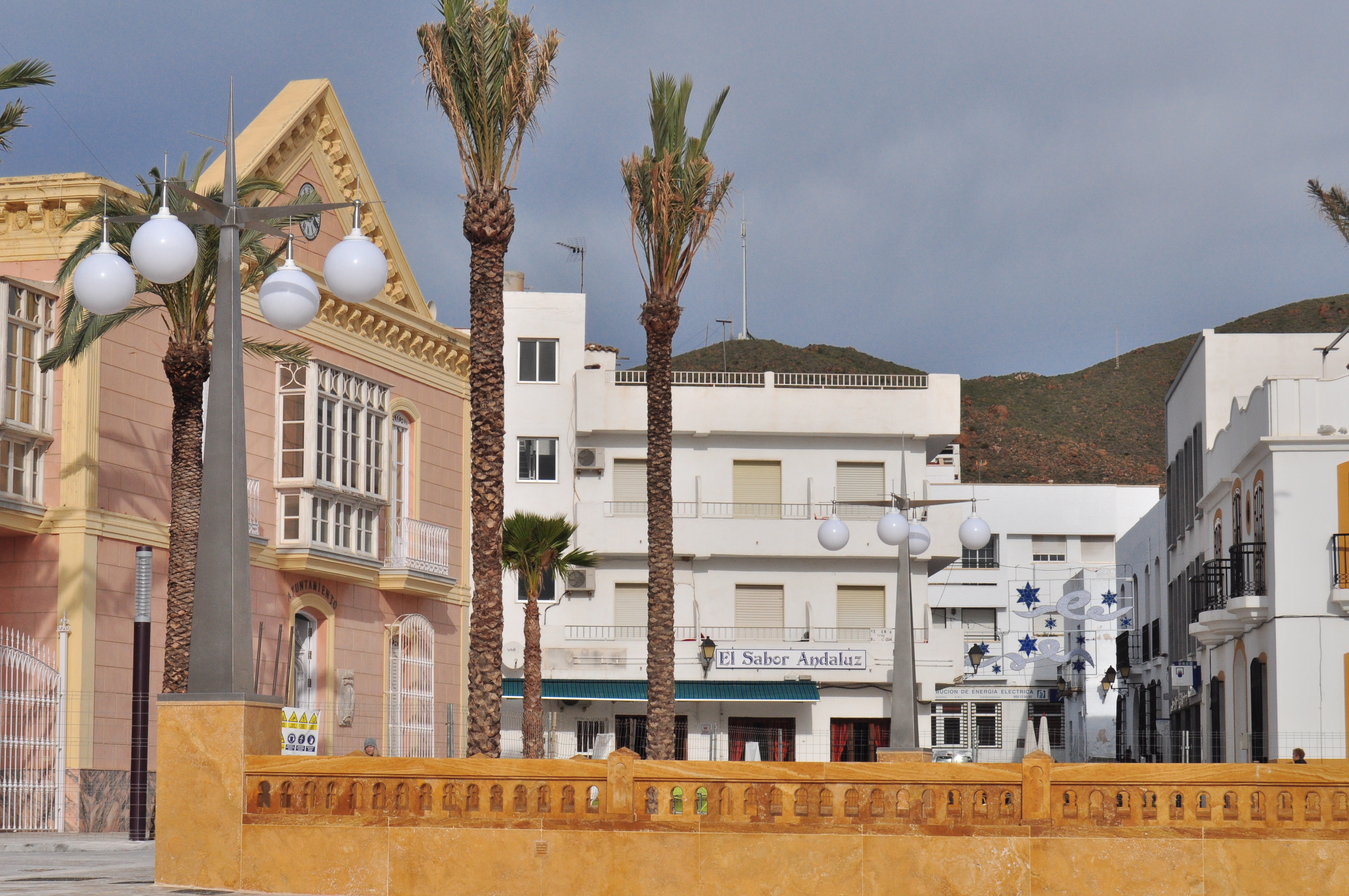
The Plaza de la Constitución serves as Antas's social hub, but don't expect manicured gardens or tourist-friendly cafés. The square is dominated by the 19th-century Iglesia de San Roque, its neoclassical façade weathered to a soft honey colour by decades of sun and dust. The church bells still mark the hours, though their tolling competes with the amplified voice of the lottery ticket seller who sets up his portable table beneath the plane trees each morning.
Around the square, life unfolds at a pace that would frustrate anyone accustomed to instant gratification. The baker emerges at 7am to set out his delivery route, calling at houses where elderly residents have placed their orders the previous evening. By 9am, the first coffee drinkers claim their usual tables at Bar Central, newspapers spread across Formica tabletops as they dissect yesterday's football results and today's agricultural prices.
The network of streets radiating from the plaza reveals a village that has grown organically rather than according to any urban planner's vision. Calle San Roque narrows to barely two metres wide in places, its walls closing in to create welcome shade during summer afternoons. Turn onto Calle La Feria and you'll pass houses whose ground floors have been converted into workshops – a carpenter specialising in agricultural implements, a mechanic who can coax another season from a forty-year-old tractor, a seamstress who repairs the heavy canvas bags used for olive harvesting.
The Taste of the Almanzora
Local gastronomy reflects both the agricultural bounty and the practical needs of field workers. Breakfast might be tostada rubbed with tomato and topped with the local olive oil, pressed from groves that stretch towards the Sierra de los Filabres. Lunch is the main meal, served promptly at 2pm when the heat makes field work impossible. Gurullos – a thick stew of rabbit or partridge with hand-rolled pasta – provides the calories needed for an evening's irrigation management.
The village's bars each specialise in particular tapas. At Bar Nico, it's grilled prawns served with a wedge of lemon and a view of the delivery lorries heading for the motorway. La Victoria does a roaring trade in migas – fried breadcrumbs with chorizo and grapes – on Sunday mornings when families gather after mass. The wine comes from nearby vineyards, robust reds that stand up to the strong flavours of country cooking rather than delicate vintages requiring contemplation.
Evening dining runs to a different schedule. During summer, when temperatures remain in the high twenties well past midnight, families emerge at 10pm for ice cream and socialising. Children chase through the plaza while their grandparents occupy the benches, discussing water rights and the price of diesel with the intensity of City traders.
When the Land Calls
Access to Antas requires commitment. The village sits 90 kilometres from Almería city, with the final approach along the AL-6111 winding through landscapes that shift from coastal plain to semi-arid interior. Public transport exists but runs to a timetable that prioritises school children and market days over tourist convenience. A hire car isn't just recommended – it's essential for anyone wanting to explore beyond the village limits.
The surrounding countryside offers gentle walking rather than challenging hiking. Tracks follow the irrigation channels, passing through orange groves where the fruit hangs within arm's reach and the scent of blossom can be almost overwhelming in April. The ramblas – dry river beds that become raging torrents during the occasional heavy rain – provide corridors of semi-wild vegetation where bee-eaters nest in the sandy banks and the occasional boar ventures down from the hills for a midnight raid on vegetable plots.
Spring and autumn provide the most comfortable conditions for exploration. Summer temperatures regularly exceed 40°C, making any activity beyond siesta-inducing shade-seeking distinctly unwise. Winter brings its own challenges – the Levante wind can whip across the plain for days, driving dust into every crevice and making outdoor dining impossible even when the thermometer reads a reasonable 18°C.
The Honest Truth
Antas won't suit everyone. Those seeking Michelin-starred dining, boutique hotels or Instagram-ready views should continue to the coast. The village offers instead an authentic glimpse of rural Spain that is increasingly rare as agricultural communities age and younger generations migrate to cities. English is barely spoken beyond the basic courtesies, and the concept of customer service remains distinctly Spanish – friendly when time allows, indifferent when crops need harvesting.
Yet for travellers willing to adjust to local rhythms, Antas provides something far more valuable than tourist attractions. It's a place where you can sit in the plaza at dusk, watching swallows swoop between the church towers while the day's heat dissipates into a sky that shifts from white to pink to deep purple. Where the baker remembers your order after two visits and the bar owner insists on explaining the difference between local olive varieties despite your limited Spanish. Where Spain's agricultural heart continues beating exactly as it has for generations, indifferent to trends but welcoming to those who arrive with patience and curiosity.
Stay for a day and you'll tick off the sights – the church, the plaza, a brief stroll through the vegas. Stay for three and you might understand why some visitors never quite manage to leave.